


Explore beard transplants for a well-defined look. Achieve fuller facial hair seamlessly and effectively.
In the realm of modern grooming and style, having a thick and well-shaped beard has emerged as a symbol of masculine allure. Whether it's about expressing personal style or following a grooming trend, a lush beard enhances a man’s appearance by adding character to his face. However, not all men are blessed with naturally dense facial hair. This is where the beard transplant procedure steps in, offering a solution to those dreaming of a fuller beard. Leveraging the advances in medical science, the beard transplant is not just a celebrity indulgence but an accessible option for many. In this comprehensive guide, we will delve into what a beard transplant entails, the methodologies involved, expectations from the procedure, and alternative enhancements available today.
Facial Hair Transplants: Achieving the Perfect Beard Density
Understanding the FUE Technique for Beard Restoration
Beard density is pivotal not just for aesthetics but for boosting confidence in one’s appearance. Facial hair transplants work by redistributing your own hair to your facial area to create a thicker, more robust beard. Among the groundbreaking methods is the Follicular Unit Extraction (FUE), known for its precision and natural results. FUE involves transplanting hair follicles from a donor site, generally the back of the scalp, to the beard area. The result is a natural-looking enhancement without the conspicuous scars of older hair restoration techniques. The meticulously placed follicles mean you'll have a beard that matches the natural angle and density of facial hair.
The procedure is gaining popularity as celebrities and influencers flaunt their impeccably groomed beards online. Clinics all over the world are reporting a surge in men looking to transform patchy beards into fuller, evenly distributed facial hair. A significant advantage of FUE in beard transplants is its versatility — whether you’re aiming for a subtle enhancement or a dramatic transformation, the technique can be tailored to your specific needs. Furthermore, the transplanted hair behaves like natural facial hair, offering the same grooming and styling potential as the hair you naturally grow.
Benefits of FUE for Achieving Optimal Beard Density
- Natural Appearance: FUE ensures that the transplanted hair blends seamlessly with existing facial hair, providing a natural-looking beard.
- Minimal Scarring: Unlike older methods, FUE leaves minimal to no visible scars, making it a preferred choice for many.
- Customizable Density: The technique allows for precise control over beard density, catering to individual preferences.
Follicular Unit Extraction (FUE) offers a solution for those seeking beard density improvement through facial hair implants. The precision of FUE allows for meticulous placement of hair follicles, ensuring a natural-looking and evenly distributed beard. For instance, a client seeking a subtle enhancement might opt for a lower density transplant, while another desiring a more dramatic change could choose a higher density. This adaptability is a key reason for the growing popularity of FUE in beard restoration.
Key Considerations for a Beard Transplant
- Consultation and Assessment: A thorough evaluation of your facial hair and donor area is essential to determine the feasibility and expected results of the transplant.
- Realistic Expectations: Understanding the potential outcomes and limitations of the procedure is crucial for satisfaction.
- Post-Transplant Care: Following the clinic's aftercare instructions is vital for ensuring proper healing and the successful growth of transplanted hair.
Before undergoing a beard transplant, it's important to consider several factors. A detailed consultation with a qualified surgeon can help determine if you are a suitable candidate and what results you can realistically expect. Factors such as your existing facial hair, the quality of your donor hair, and your overall health will influence the outcome. For example, someone with a patchy beard fix might seek a transplant to fill in the gaps, while another might want to create an entirely new beard. Ultimately, choosing the right clinic and adhering to their post-operative care guidelines are essential for a successful beard transplant journey.
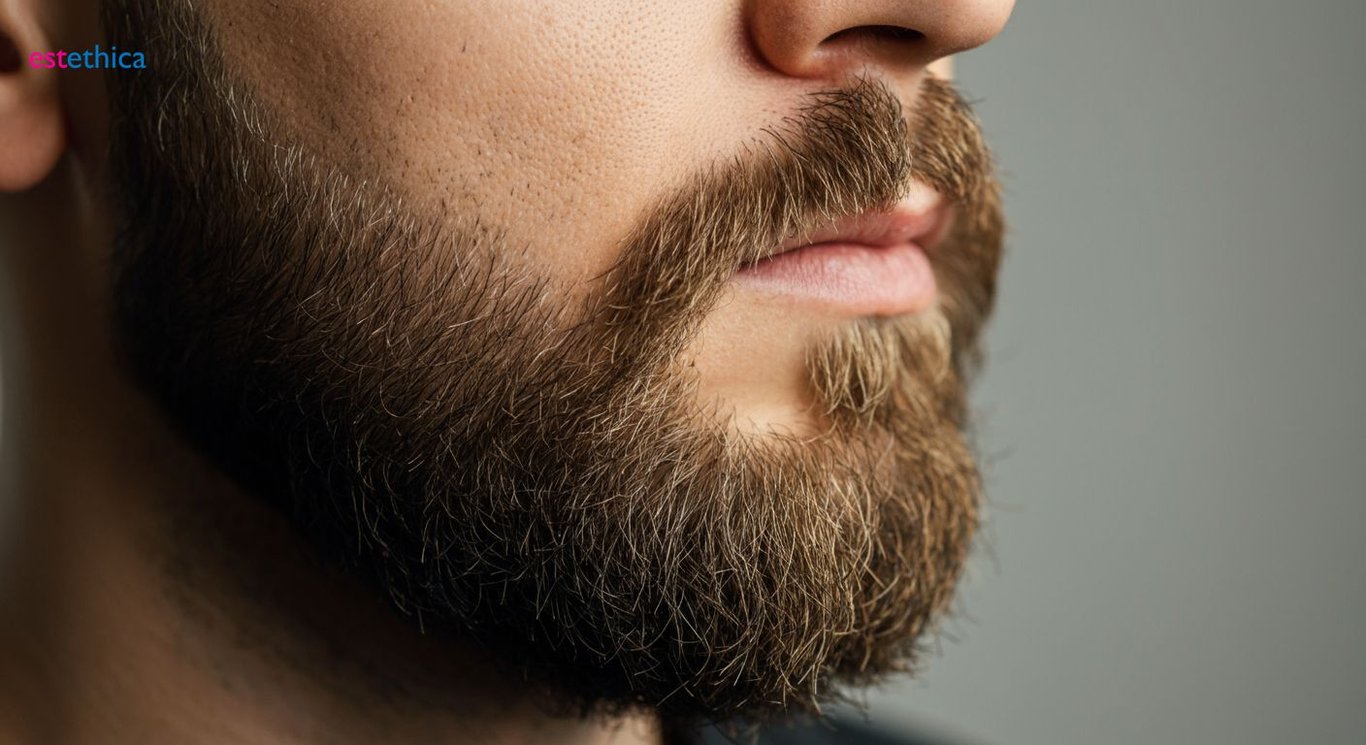
Follicular Unit Extraction: The Gold Standard for Beard Restoration
Why FUE is a Popular Choice for Beard Restoration
Follicular Unit Extraction (FUE) has undoubtedly cemented its status as the gold standard for beard restoration. This minimally invasive technique circumvents the traditional strip harvesting method, reducing downtime and eliminating extensive scarring. During an FUE beard transplant procedure, each follicular unit is harvested and transplanted individually, which not only minimizes donor area trauma but also maximizes the precision of hair placement, thus contributing to beard density improvement.
The procedure typically involves local anesthesia and can be completed in a single day, depending on the extent of the transplant required. Moreover, patients appreciate the quick recovery time associated with FUE; many return to their daily activities within days of the procedure. The natural growth patterns of the new beard become evident within a few months as the transplanted follicles acclimate, blending seamlessly with existing facial hair. This method’s adaptability allows the shaping and density of the beard to fit each individual’s facial structure and aesthetic goals. As an example, someone looking for a celebrity beard transplant look may opt for a denser pack, whereas someone looking to fix a patchy beard may choose a more sparse option.
Advantages of Choosing FUE for Your Beard Transplant
- Precision: FUE allows for meticulous placement of each hair follicle, ensuring a natural look.
- Minimal Downtime: The recovery period is relatively short, with most patients resuming normal activities within a few days.
- Customization: The technique can be tailored to achieve the desired beard density and shape, fitting individual preferences.
FUE stands out as a leading option for those considering a facial hair transplant. This method's precision allows for detailed customization, aligning with the patient's specific facial structure and aesthetic goals. For example, someone with a narrower face might prefer a more compact beard, while someone with a broader face might opt for a fuller, wider beard. The flexibility of FUE also extends to addressing specific areas of concern, such as filling in patchy areas or creating a more defined jawline. With FUE, the focus is on achieving a natural and personalized result, making it a popular choice for modern beard restoration.
What to Expect During the FUE Procedure
- Consultation: Initial assessment to determine suitability and desired outcomes.
- Extraction: Individual hair follicles are carefully extracted from the donor area.
- Transplantation: The extracted follicles are transplanted to the beard area, following a customized pattern.
Understanding the FUE procedure can alleviate concerns and set realistic expectations. The process begins with a comprehensive consultation, where the surgeon assesses your facial hair and discusses your aesthetic goals. During the extraction phase, individual hair follicles are carefully harvested from the donor area, typically the back of the scalp. The transplantation phase involves meticulously placing these follicles into the beard area, following a customized pattern designed to achieve the desired density and shape. With advancements like beard transplant AI simulation, patients can even preview potential results. For example, someone considering a beard transplant for a summer wedding can use this technology to visualize their new look in advance.
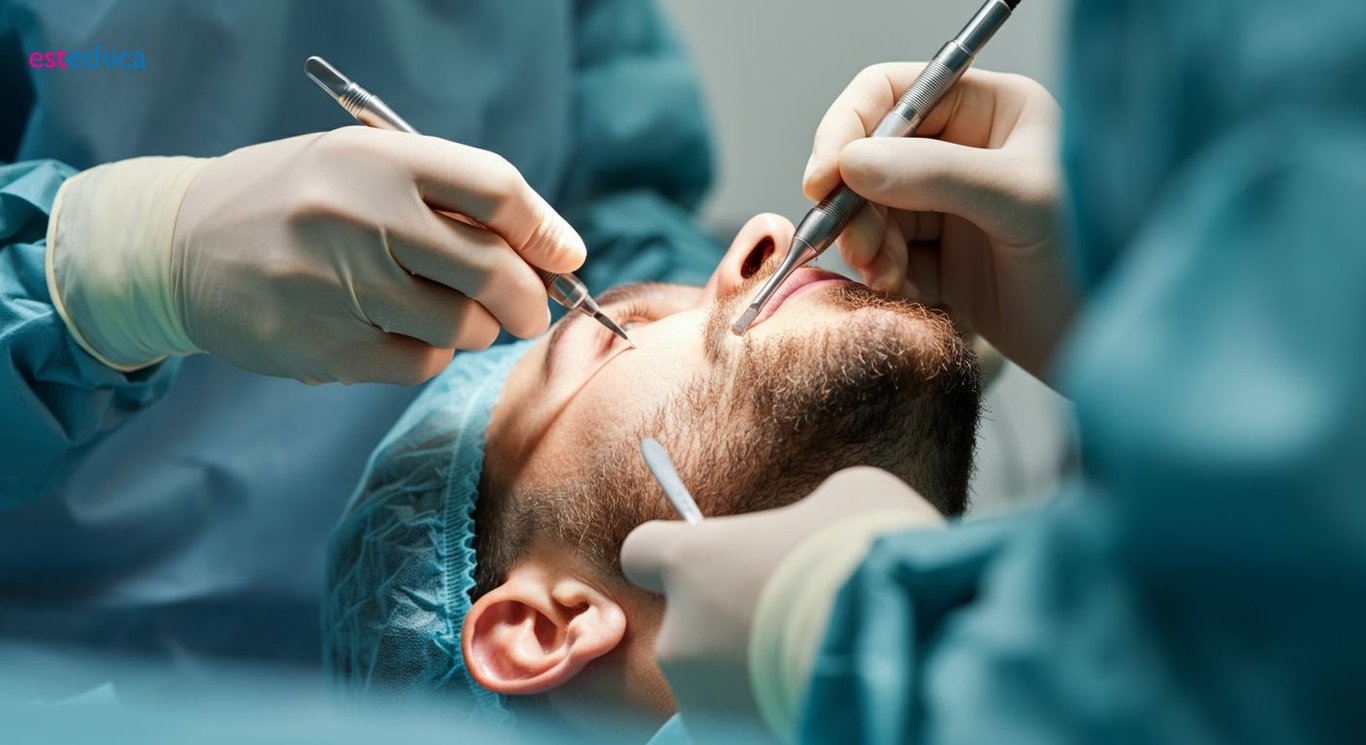
Beard Transplant Before & After: What Results Can You Expect?
Navigating the Beard Transplant Journey: Preparation and Expectations
Understanding the landscape of a beard transplant, from initial consultation to the final results, can significantly ease any concerns about undergoing the procedure. Before the transplant, a thorough consultation is crucial. This involves outlining your aesthetic goals, discussing the design of your desired beard, and assessing your eligibility for the procedure. The surgeon will evaluate your facial structure, existing hair growth, and donor area to create a personalized plan. Many clinics now offer beard transplant AI simulation, providing a preview of potential outcomes. This helps in setting realistic expectations and making informed decisions about the extent of the transplant.
Post-procedure, it's common to experience minor swelling and redness in the treated area. These effects are temporary and typically resolve within a few days as the healing progresses. The implanted follicles initially shed their hair shafts, which is a normal part of the growth cycle. New hair growth will then resume, typically starting around three to four months post-transplant. Patience is key, as the final results gradually emerge over the following months. By six to nine months, most individuals enjoy a marked transformation, characterized by increased density and fuller coverage. The long-term results of a beard transplant are aesthetically pleasing and permanent, offering a lasting solution for those seeking beard density improvement or a patchy beard fix.
Key Stages and Long-Term Outcomes of a Beard Transplant
- Initial Consultation: Discuss your goals and assess your suitability for the transplant.
- Post-Procedure Healing: Manage temporary swelling and redness as the area heals.
- Long-Term Growth: Enjoy permanent, natural-looking beard growth that can be styled as desired.
The longevity of a beard transplant is one of its most appealing aspects. The transplanted hair follicles are permanent and will continue to grow throughout your lifetime. This means you can treat and style your new beard just like your natural facial hair, with the freedom to trim, shave, and shape it to your liking. Prospective patients often look for beard transplant before and after photos online to gauge potential results and set realistic expectations. These visuals provide a clear idea of the transformation that can be achieved, helping individuals make confident decisions about pursuing beard restoration. The success of a beard transplant not only enhances physical appearance but also boosts self-esteem and confidence.
Essential Aftercare Tips for Optimal Beard Transplant Results
- Follow Post-Op Instructions: Adhere to the clinic’s guidelines for washing and caring for the transplanted area.
- Avoid Strenuous Activities: Refrain from heavy exercise or activities that could disrupt the healing process for a few weeks.
- Protect from Sun Exposure: Shield the transplanted area from direct sunlight to prevent damage to the new follicles.
Proper aftercare is essential for maximizing the success of a beard transplant. Following the clinic's post-operative instructions is crucial for ensuring proper healing and promoting optimal hair growth. This typically includes gentle washing of the transplanted area, avoiding strenuous activities that could disrupt the healing process, and protecting the area from direct sun exposure. For example, someone undergoing a beard transplant recovery during winter should take extra care to keep the area moisturized and protected from cold winds. The goal is to create an environment conducive to the survival and growth of the newly transplanted follicles. By adhering to these guidelines, you can ensure the best possible outcome and enjoy a fuller, more robust beard for years to come. The transplanted hair behaves like natural facial hair, offering the same grooming and styling potential as the hair you naturally grow.

Patchy Beard Fix: Exploring Surgical and Non-Surgical Options
Non-Surgical Beard Enhancement Techniques
For individuals seeking a less invasive approach to address a patchy beard fix, non-surgical options offer a range of possibilities. These methods can stimulate hair growth and improve beard density without the need for incisions or downtime. Treatments like Minoxidil, laser therapy, and nutritional adjustments can be effective in enhancing beard growth. These approaches are particularly appealing for those who prefer a gradual improvement or are hesitant about undergoing surgery. Non-surgical options provide a convenient and relatively painless way to explore beard enhancement.
Minoxidil, a topical solution, is widely recognized for its ability to stimulate hair growth. Laser therapy can also promote growth by enhancing follicle health. Adjustments to one's diet and the incorporation of supplements that target hair health can also play a role in improving beard growth. For instance, someone with a beard transplant recovery during winter may find that nutritional support helps to strengthen new hair follicles. While non-surgical methods typically offer more subtle results compared to beard restoration through surgery, they serve as a low-commitment starting point for those interested in improving their facial hair.
Surgical Beard Restoration: A Definitive Solution
- Comprehensive Improvement: Beard transplants offer a definitive solution for those seeking significant enhancement.
- Permanent Results: Transplanted hair follicles are permanent and will continue to grow like natural facial hair.
- Customizable Density: Surgeons can tailor the transplant to achieve the desired beard density and shape.
For those seeking a more transformative and lasting solution, surgical beard restoration through a facial hair transplant provides a comprehensive approach. This method is particularly effective for individuals with significant patchiness or those who desire a fuller, more defined beard. A beard transplant involves transplanting hair follicles from a donor site, typically the back of the scalp, to the beard area. The result is a permanent enhancement that can dramatically improve beard density and overall appearance. For example, someone looking to achieve a celebrity beard transplant look may opt for this method to achieve a similar level of fullness and definition.
Optimizing Beard Growth: Combining Surgical and Non-Surgical Methods
- Nutritional Optimization: Combining a healthy diet with supplements can support hair growth after a transplant.
- Laser Therapy: Using laser treatments can further stimulate follicle health and enhance growth.
- Minoxidil Maintenance: Applying Minoxidil can help maintain and promote the growth of transplanted hair.
To further optimize beard growth and achieve the best possible results, combining surgical and non-surgical methods can be highly effective. This multi-dimensional approach addresses various aspects of hair growth, ensuring a comprehensive enhancement. For instance, someone who undergoes a beard transplant in Miami might also incorporate nutritional supplements and laser therapy to support the growth of the transplanted follicles. Similarly, maintaining a healthy lifestyle and using products like Minoxidil can help sustain the long-term results of the transplant. By integrating these methods, individuals can maximize their beard enhancement and achieve a fuller, healthier-looking beard.
Follicular Unit Extraction (FUE): Achieving Natural-Looking Beard Restoration
Customized Beard Restoration: Ensuring Patient Satisfaction and Natural Growth
Frequently Asked Questions
What is a beard transplant and who is a good candidate?
What is Follicular Unit Extraction (FUE) beard transplant and why is it popular?
How long does it take to see results after a beard transplant?
What are some non surgical beard enhancement options?
How does DHT affect beard growth, and can a beard transplant help?
Ready to discover your path to healthy beauty with estethica's expert guidance?
📞 Call Now for Expert Advice!