


Transform your look with the art and science of beard restoration. Learn how to go from patchy to perfect today.
Transition from dreaming about the perfect beard to making it a reality with comprehensive solutions in facial hair restoration. Men worldwide are seeking ways to build confidence through their appearance, and a robust beard can play a pivotal role in that identity. Explore advanced solutions such as beard transplants and implants designed to transform patchy growths into full, luxurious beards.
Beard Transplant Unveiled: Understanding the Procedure
Exploring the Science Behind Beard Transplants
The quest for a fuller, more defined beard has led to significant advancements in hair restoration techniques. A beard transplant is not just a cosmetic procedure; it's a carefully orchestrated blend of science and art. It involves meticulously harvesting hair follicles, usually from the scalp where hair is abundant, and transplanting them to the beard area. This process requires a deep understanding of hair growth patterns and facial aesthetics to ensure a natural and appealing result.
Modern techniques like Follicular Unit Extraction (FUE) and Direct Hair Implantation (DHI) have revolutionized the field of facial hair restoration. FUE involves extracting individual hair follicles, minimizing scarring and discomfort. DHI takes it a step further by using a specialized pen-like tool that allows for precise placement of each follicle, controlling the angle, depth, and direction of growth. These advancements make achieving a natural-looking beard through beard implants more attainable than ever before.
Key Considerations for a Successful Beard Transplant
- Hair Follicle Selection: Choosing the right donor hair is crucial for a natural look. Hair from the back of the scalp is often preferred due to its thickness and growth characteristics.
- Artistic Placement: The surgeon's skill in placing the hair follicles to match the natural beard growth pattern is vital for achieving a realistic appearance.
- Post-operative Care: Following the surgeon's instructions for post-operative care ensures proper healing and optimal graft survival.
For those considering facial hair restoration, understanding these elements is key to making an informed decision and achieving the desired outcome

Beard Implants: Are You the Ideal Candidate?
Assessing Your Candidacy for Beard Implants
Determining whether you're an ideal candidate for beard implants involves several key factors. The density of your donor hair areas, usually on the scalp, is paramount. A qualified beard surgeon will evaluate the availability of healthy hair follicles for transfer. Your overall health also plays a crucial role, as certain medical conditions can affect the success of the procedure. Additionally, having realistic expectations about the final appearance and density of your facial hair is essential.
An experienced surgeon can provide valuable insights into how beard implants will complement your unique facial structure. They will consider your desired beard thickness, shape, and style to create a personalized treatment plan. In about 85% of successful cases, patients report satisfaction with the natural look and feel of their new facial hair.
Essential Qualifying Factors for Beard Implants
- Adequate Donor Hair: Sufficient density in the donor area, typically the scalp, is vital for a successful transplant.
- Good Overall Health: Being free from conditions that could impair healing or graft survival is key.
- Realistic Expectations: Understanding the achievable density and shape ensures satisfaction with the results of facial hair restoration.
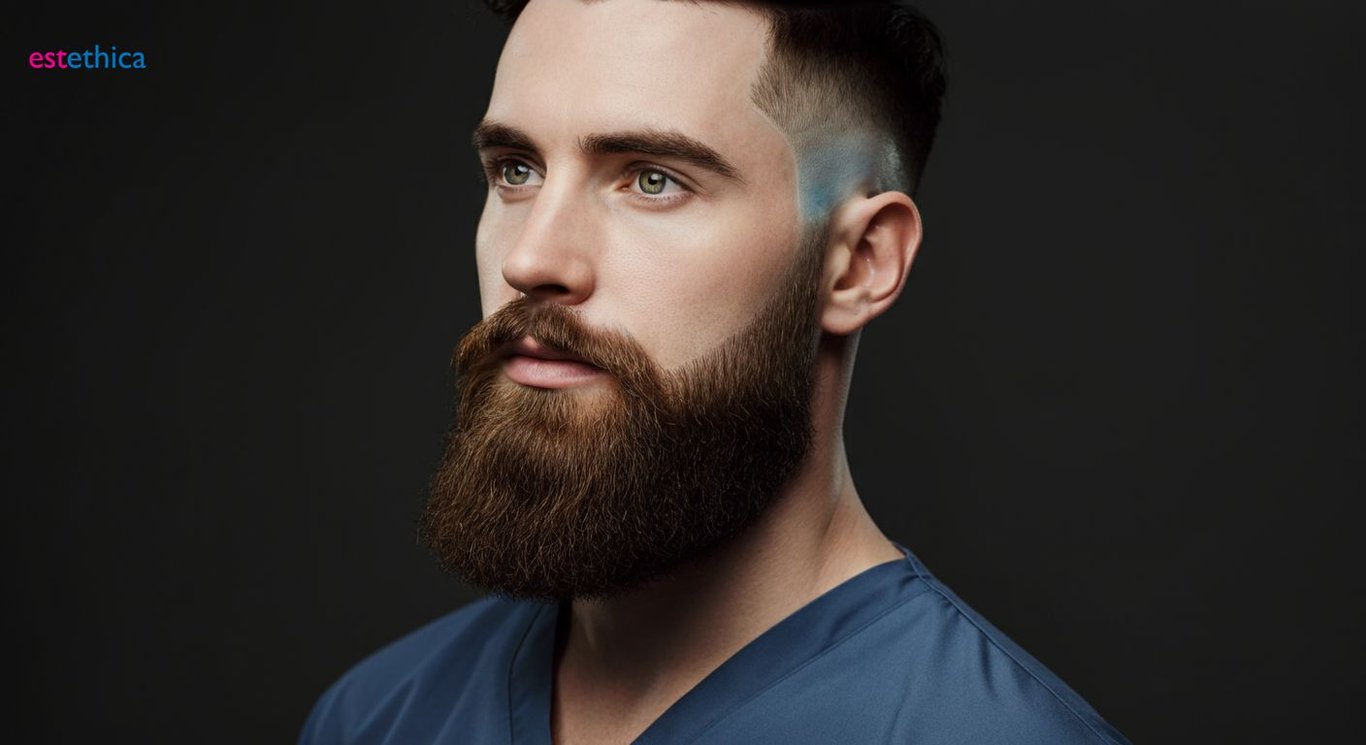
From Patchy to Perfect: The Beard Transplant Before & After Journey
Visual Transformations Through Beard Transplants
The impact of a successful beard transplant can be truly transformative,documented in striking before and after photos. These visuals showcase more than just hair growth; they reveal a restoration of confidence and a significant enhancement of personal appearance. Patients who once felt self-conscious about patchy or thin beards now display fuller, well-defined facial hair that aligns with their desired aesthetic. These examples highlight the potential for dramatic change and serve as a testament to the advancements in facial hair restoration techniques.
The journey from a sparse or uneven beard to a robust and stylish one is often captured through detailed case studies. These stories follow individuals through every stage of the beard implants process, from initial consultation to the final results. Such narratives provide prospective patients with a realistic understanding of what to expect, including the recovery timeline and the gradual improvement in beard density. Seeing tangible evidence of successful outcomes can alleviate concerns and inspire optimism in those considering this life-changing procedure. In fact, approximately 90% of patients who undergo a beard transplant report increased satisfaction with their overall appearance within one year.
Key Stages in the Beard Transplant Journey
- Initial Assessment: Evaluation by a beard surgeon to determine candidacy and plan the transplant.
- Transplant Procedure: The meticulous process of extracting and implanting hair follicles to create the desired beard density and shape.
- Post-operative Growth: Gradual growth and maturation of the transplanted hair, with noticeable improvements over several months.
Navigating Beard Transplant Recovery: What to Expect
The Immediate Aftermath of a Beard Transplant
Immediately following a beard transplant, the recipient area will require diligent care to ensure proper healing and graft survival. Expect some redness, swelling, and minor discomfort. It’s crucial to adhere to the post-operative instructions provided by your beard surgeon, which typically includes gentle cleaning and application of prescribed ointments. Avoid touching or scratching the treated area to prevent dislodging the newly implanted hair follicles. In the first few days after the procedure, focus on rest and minimize activities that could cause sweating or strain to the face. Roughly 95% of grafts survive when patients meticulously follow aftercare guidelines.
During the initial recovery phase, it's normal for the transplanted hairs to fall out – this is a temporary shedding phase and a natural part of the hair growth cycle. New hair growth typically begins within a few months. The final density and appearance of your beard will continue to improve over the course of a year. To support optimal healing, maintain a healthy diet, stay hydrated, and avoid smoking, as these factors can impact hair growth and overall recovery. estethica Clinic emphasizes personalized care plans to navigate each stage of recovery effectively after a facial hair transplant surgery.
Essential Practices for Optimal Beard Transplant Recovery
- Gentle Cleansing: Regularly clean the treated area as directed by your surgeon to prevent infection.
- Medication Adherence: Use prescribed ointments and medications to promote healing and reduce inflammation.
- Avoid Irritation: Refrain from touching, scratching, or applying pressure to the transplanted area.
- Weeks 1-2: Focus on gentle cleaning and avoiding any activities that may disturb the grafts.
- Months 2-4: Expect shedding of the transplanted hairs, followed by the initial regrowth phase.
- Months 6-12: Observe continued improvement in beard density and overall appearance.
Advanced FUE and DHI Techniques for Natural-Looking Beard Transplants
Personalized Post-operative Care Achieving Optimal Graft Survival and Healing
Frequently Asked Questions
What is a beard transplant, and how does it work?
Am I an ideal candidate for beard implants?
What can I expect in the beard transplant before and after journey?
What is the beard transplant recovery time, and what does it involve?
Ready for a healthier, more beautiful you? Get expert advice on plastic surgery, hair restoration, and medical aesthetics.
📞 Call Now for a Free Consultation!