


Discover how beard transplantation can bring your facial hair dreams to life with expert techniques ensuring natural results.
Dreaming of the perfect beard? Facial hair has long been a symbol of masculinity and style across cultures, influencing trends from rugged stubbles to full-grown beards. For many, achieving natural beard growth is challenging due to genetics, age, or health issues. Enter the world of beard transplantation—a transformative procedure that promises density and natural-looking results. This guide explores the nuances of beard implantation, contrasting popular techniques like FUE and DHI, and offers insights into recovery and aftercare that ensure you step out with confidence.
Beard Implantation: Is it the Right Choice for You?
Determining Suitability for Beard Implantation
Deciding whether to undergo a beard transplant is a significant decision. It's important to carefully evaluate your aesthetic goals and expectations. This process typically involves a detailed consultation with a beard surgeon to assess your facial structure and hair loss patterns. A frank discussion about the achievable results ensures alignment between your vision and the potential outcomes. Experts emphasize that a successful outcome depends strongly on realistic expectations. As a starting point, potential candidates usually have stable overall health.
- Assessing personal aesthetic goals.
- Consulting a beard surgeon about possible outcomes.
- Verifying overall health.
Understanding the Permanent Nature of Beard Restoration
Those considering facial hair restoration should know that beard implantation offers a permanent solution. Once the transplanted follicles successfully integrate into the facial skin, they follow natural hair growth patterns. Unlike temporary solutions, such as using topical solutions, beard growth surgery provides lasting results. Most individuals appreciate the long-term enhancement to their appearance and confidence. It’s essential to follow post-operative care instructions. Aftercare ensures the health and survival of the newly implanted grafts. This process is much like planting a tree where proper care guarantees longevity.
- Initial graft placement
- Follicle integration into facial skin
- Monitoring post-operative growth and health.

Facial Hair Restoration Techniques: FUE vs. DHI
Comparing FUE and DHI for Facial Hair Grafting
Follicular Unit Extraction (FUE) and Direct Hair Implantation (DHI) represent the leading-edge techniques in modern beard transplants. Both are designed to restore facial hair, but they employ distinct approaches to follicle extraction and implantation. FUE involves the precise removal of individual hair follicles from the donor area. These follicles are then prepared and transplanted to the recipient area on the face to create a natural-looking beard. This method is favored for its minimally invasive nature, often resulting in reduced scarring and quicker recovery times for patients seeking beard implantation.
- FUE offers minimal scarring and quick recovery
- DHI allows for precise follicle placement
- Both ensure natural-looking results
Conversely, DHI uses specialized implanters that allow surgeons to directly implant the follicles without the need for pre-made incisions. This offers greater control over the angle, depth, and direction of each implanted follicle, which is essential for achieving a natural arrangement and maximizing beard density. Clinics like estethica Health Group utilize both FUE and DHI techniques, adapting their approach to meet the specific needs and desired outcomes of each patient considering beard growth surgery. Each method has its unique advantages and can significantly enhance the density and appearance of facial hair.
How estethica Health Group Leverages Advanced Implantation Methods
At estethica Health Group, the commitment to utilizing cutting-edge methods in facial hair restoration ensures that patients receive the most advanced and effective treatments available. By employing FUE and DHI techniques, the clinic tailors each procedure to the individual's specific needs, promoting minimal scarring and rapid recovery. The meticulous approach to beard implantation focuses not only on the technical aspects but also on the artistic arrangement of the hair follicles. This combination ensures results that look natural and blend seamlessly with the patient's existing hair.
- Individualized treatment plans
- Artistic hair follicle arrangement
- Focus on natural-looking results
In fact, estethica Health Group emphasizes personalized care, and this extends to the selection of the most suitable technique—FUE or DHI—based on factors such as beard density goals and the patient's overall health. This bespoke approach ensures that those seeking beard transplants receive the best possible care, maximizing satisfaction and enhancing their confidence. For additional information, explore Unlock Your Confidence: Beard Transplant Insights.
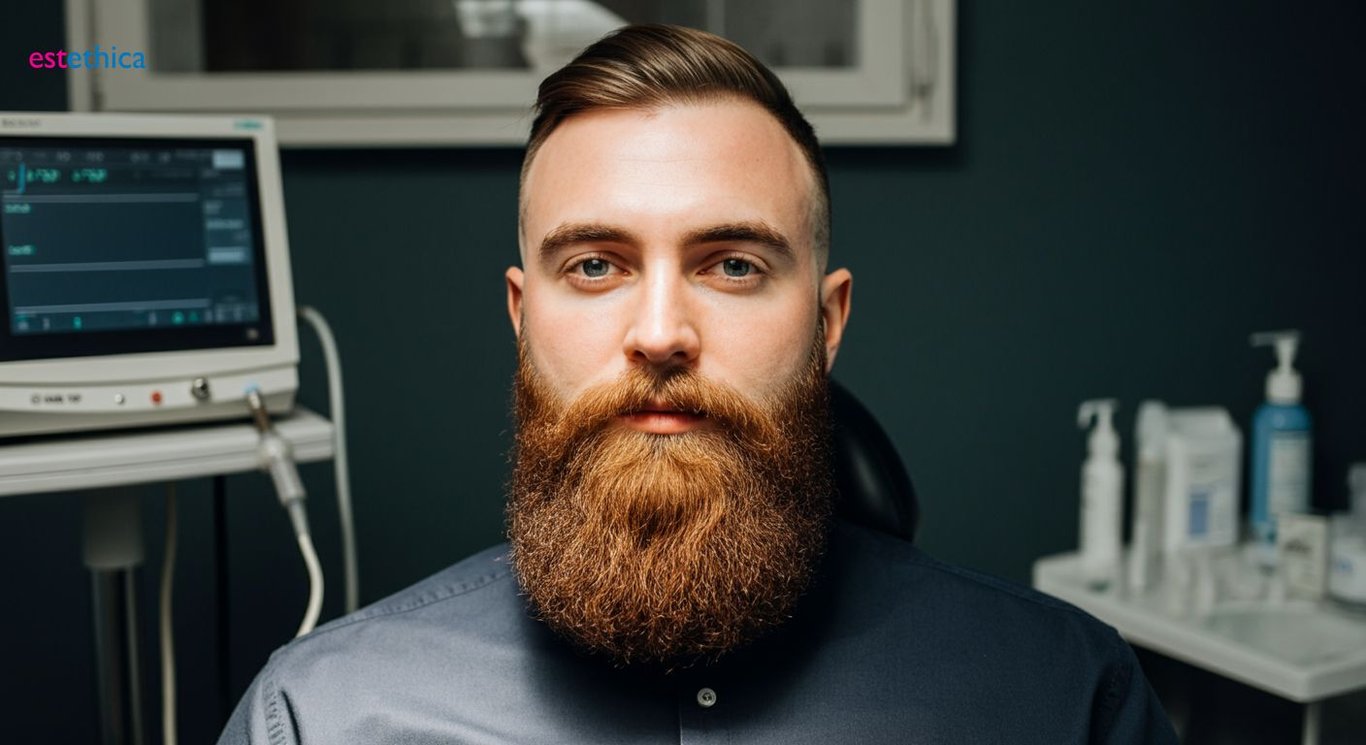
Achieving Natural Beard Density: What to Expect Post-Transplant
Navigating the Post-Beard Transplant Growth Cycle
After undergoing a beard transplant, understanding the hair growth cycle is crucial for setting realistic expectations. Initially, patients may experience scabbing in the transplanted areas, which is a normal part of the healing process. Following this, the transplanted hairs will typically shed within the first few weeks—a phase that's often alarming but entirely expected. Real growth begins several months post-procedure, with noticeable improvements in beard density over time.
The final density and appearance of the beard are significantly influenced by the technique used. At estethica Health Group, advanced methods like Multi DHI are employed to maximize both the density and natural look of the transplanted beard. These techniques ensure each hair follicle is placed carefully, mimicking natural beard growth patterns to provide a fuller, more authentic appearance. Patients should maintain open communication with their beard surgeon throughout this period to manage expectations and monitor progress.
- Initial scabbing and shedding are normal
- Real growth begins several months post-procedure
- Multi DHI maximizes density and natural look
Maximizing Natural Alignment and Density with Advanced Techniques
To achieve optimal results from a beard implantation, the expertise of the beard surgeon is paramount, especially when employing advanced techniques. Methods like Multi DHI are designed to not only increase beard density but also ensure the implanted hairs align naturally with existing facial hair. This alignment is crucial for achieving a seamless and natural-looking beard. estethica Health Group focuses on meticulous planning and execution to guarantee that each patient's facial hair restoration meets their aesthetic goals.
- Meticulous planning for natural alignment
- Careful execution to maximize density
- Ongoing communication with the surgeon
Furthermore, proper aftercare plays a pivotal role in the success of the beard growth surgery. Following the surgeon’s specific instructions helps ensure that the transplanted follicles thrive. Proper care minimizes complications and supports healthy hair growth, which in turn enhances the overall outcome of the facial hair grafting procedure. Remember, patience and diligent care are your allies in achieving the naturally dense beard you desire.

Beard Transplant Recovery: Timeline and Essential Aftercare Tips
Managing the Initial Days Post-Beard Transplant
The initial recovery phase following a beard transplant is crucial for ensuring the long-term success of the procedure. Immediately after undergoing beard growth surgery, patients typically experience mild swelling and redness in the treated areas. It is important to adhere strictly to the aftercare instructions provided by your beard surgeon to minimize complications. For example, gentle cleansing of the area is recommended to prevent infection. Patients are also generally advised to avoid strenuous activities.
During this early stage, protecting the newly implanted grafts is essential. At estethica Health Group a patented gold cream is often prescribed due to its soothing and anti-inflammatory properties, which aids in faster healing and reduces the risk of infection. Avoiding direct sunlight and extreme temperatures is also key in the first few days. Proper care during this period significantly influences the survival rate of the transplanted follicles and the overall outcome of the facial hair restoration.
- Gentle cleansing prevents infection
- Avoidance of strenuous activity aids healing
- Protection from direct sunlight is crucial
Long-Term Care for Optimal Beard Density and Health
Long-term aftercare is just as vital as the immediate post-operative steps in achieving the desired beard density and maintaining the health of your new beard. Regular moisturizing of the transplanted area helps to keep the skin supple and supports healthy hair growth. Moreover, avoiding harsh chemicals and styling products during this phase is crucial to prevent damage to the newly growing hairs. estethica Health Group emphasizes a holistic approach to aftercare, which includes nutritional advice to promote hair health from within.
Consistent follow-up appointments with your beard surgeon are also recommended to monitor the progress of your beard implantation and address any concerns that may arise. These appointments allow for adjustments to your aftercare routine and early intervention if any issues are detected. For instance, adjustments of prescribed lotions are possible in order to optimize facial hair grafting recovery.
- Regular moisturizing to maintain skin health
- Avoiding harsh chemicals and styling products
- Consistent follow-up appointments for monitoring
Advanced FUE and DHI Techniques at estethica Health Group
estethica Health Group excels in facial hair restoration, employing both Follicular Unit Extraction (FUE) and Direct Hair Implantation (DHI) techniques tailored to individual patient needs. These leading-edge methods ensure minimal scarring and quicker recovery, enhancing beard density and appearance with natural-looking results.
With a commitment to utilizing cutting-edge methods in facial hair restoration, estethica Health Group's beard surgeons possess extensive experience in assessing facial structures and hair loss patterns. Their expertise in advanced implantation methods guarantees meticulous planning and artistic arrangement of hair follicles for seamless integration and natural growth patterns. Patients benefit from personalized care and the best possible outcomes, maximizing satisfaction and enhancing confidence through tailored beard transplant procedures.
Comprehensive Aftercare Protocols for Successful Beard Transplants
estethica Health Group provides comprehensive aftercare management, crucial for the long-term success of beard transplant procedures. Following beard growth surgery, patients receive detailed aftercare instructions, including gentle cleansing and protection from direct sunlight, aided by a patented gold cream with soothing and anti-inflammatory properties to promote faster healing and reduce infection risk.
estethica Health Group emphasizes a holistic approach to long-term aftercare, including regular moisturizing, avoiding harsh chemicals, and consistent follow-up appointments. Patients receive nutritional advice to promote hair health and adjustments to aftercare routines to optimize facial hair grafting recovery, ensuring transplant follicles thrive and enhance the overall procedure outcome.
Frequently Asked Questions
What is a beard transplant and who is an ideal candidate?
What are the main differences between FUE and DHI techniques for facial hair restoration?
What can I expect during the recovery period after a beard implantation procedure?
How can I maximize the density and natural look of my beard after a beard transplant?
Achieve your aesthetic goals with estethica's personalized approach to plastic surgery and aesthetic treatments.
📞 Discuss Your Options with a Specialist!