


Explore how a tummy tuck can redefine your abdomen, offering aesthetic and health benefits through advanced surgical techniques and comprehensive recovery plans.
The desire for a perfectly toned abdomen isn't just about aesthetics; it reflects an individual's aspiration towards health and confidence. A tummy tuck, or abdominoplasty, offers the chance to reclaim a shapely waistline, addressing both cosmetic desires and physical discomforts associated with post-weight loss skin laxity or post-pregnancy changes.
What is Abdominoplasty and Who is the Ideal Candidate?
Understanding the Abdominoplasty Procedure
Abdominoplasty, often referred to as a tummy tuck, is more than just a cosmetic procedure; it's a surgical intervention designed to reshape the abdomen by removing excess skin and fat. This procedure is particularly beneficial for individuals who have experienced significant changes in their body, such as after pregnancy or substantial weight loss. Unlike simple liposuction, abdominoplasty addresses both excess fat and loose skin, providing a smoother and firmer abdominal profile. It's important for prospective patients to understand that while it can dramatically improve the appearance of the abdomen, it's not a substitute for weight loss or a cure for obesity.
Ideal candidates for a tummy tuck surgery typically include those who have maintained a stable weight for at least six months prior to considering the surgery. This stability is crucial because fluctuations in weight after the procedure can compromise the results. For example, a woman who has completed her family and is bothered by the stretched skin and muscle laxity from multiple pregnancies might be an excellent candidate. Similarly, individuals who have successfully lost a significant amount of weight but are left with excess, sagging skin may also benefit greatly from this surgery. However, it is essential to have realistic expectations and understand the potential risks and recovery process involved.
- Excess Skin Removal: Abdominoplasty removes excess skin and fat, tightening the abdominal area.
- Muscle Repair: The procedure often includes repair of weakened or separated abdominal muscles (diastasis recti repair).
- Improved Contour: It creates a smoother, firmer abdominal profile, enhancing body contouring.
Key Factors for Ideal Candidacy
Determining whether someone is an ideal candidate for abdominoplasty involves several key considerations beyond just the presence of excess skin and fat. A stable weight is paramount; individuals who are actively losing weight are generally advised to postpone the surgery until they have reached their desired weight and maintained it for a period of time. This ensures that the results of the tummy tuck are not compromised by further weight loss, which could lead to additional skin laxity.
Furthermore, good overall health is essential. Candidates should be non-smokers or willing to quit smoking well in advance of the surgery, as smoking can significantly impair healing and increase the risk of complications. Additionally, individuals with certain medical conditions, such as uncontrolled diabetes or heart disease, may not be suitable candidates. A thorough medical evaluation by a qualified surgeon is necessary to assess individual risks and determine whether abdominoplasty is a safe and appropriate option. For instance, a 45-year-old woman with a history of smoking and poorly controlled diabetes would likely need to address these health issues before being considered for the procedure, while a healthy, non-smoking 50-year-old with stable weight and realistic expectations would be a more ideal candidate.
- Stable Weight: Maintaining a consistent weight is crucial for optimal, long-lasting results.
- Good Health: Candidates should be in good overall health to minimize surgical risks.
- Realistic Expectations: Understanding the procedure's capabilities and limitations is essential for satisfaction.

Tummy Tuck Techniques: Mini vs. Full – Which is Right for You?
Deciding Between Mini and Full Tummy Tuck
The decision between a mini tummy tuck and a full abdominoplasty hinges primarily on the extent of correction needed. A mini tummy tuck, or partial abdominoplasty, is designed to address concerns localized to the area below the navel. This technique is ideal for individuals who have a moderate amount of excess skin and fat in the lower abdomen but do not require extensive muscle repair or repositioning of the belly button. The incision is shorter than that of a full tummy tuck, resulting in a smaller scar.
In contrast, a full abdominoplasty is more comprehensive, addressing excess skin and fat both above and below the belly button. This procedure is often necessary for individuals who have experienced significant weight loss or multiple pregnancies, leading to substantial skin laxity and weakened abdominal muscles. During a full tummy tuck, the surgeon tightens the abdominal muscles, removes excess skin, and repositions the belly button to create a more toned and aesthetically pleasing abdominal contour. For example, a woman who has had twins and has significant diastasis recti might benefit more from a full tummy tuck.
- Mini Tummy Tuck: Addresses concerns below the navel with a shorter incision.
- Full Tummy Tuck: Corrects excess skin and fat above and below the belly button.
- Muscle Repair: Full abdominoplasty often includes muscle repair for diastasis recti.
Ideal Candidates and Considerations
The ideal candidate for a mini tummy tuck is someone who has good muscle tone above the navel and primarily wants to address a "pooch" or excess skin in the lower abdomen. This procedure is less invasive than a full abdominoplasty, resulting in a shorter recovery time and a less noticeable scar. For instance, a 35-year-old woman who is in good shape but has a small amount of loose skin after one pregnancy might be an excellent candidate for a mini tummy tuck. Another example is a 40 year old man who has been actively involved in fitness for a long time and is looking to further enhance his body contouring.
On the other hand, a full tummy tuck is more appropriate for individuals with significant excess skin both above and below the belly button, as well as those who require muscle repair. This procedure can dramatically improve the abdominal contour and address issues such as a weakened core and back pain associated with diastasis recti. However, it is a more extensive surgery with a longer recovery period and a larger scar. For example, a 50-year-old woman who has had multiple pregnancies and has significant skin laxity and muscle separation would likely benefit more from a full abdominoplasty.
- Assessment: Evaluate the amount of excess skin and fat.
- Muscle Tone: Determine the degree of abdominal muscle separation.
- Surgical Goals: Discuss desired outcomes with a qualified surgeon.
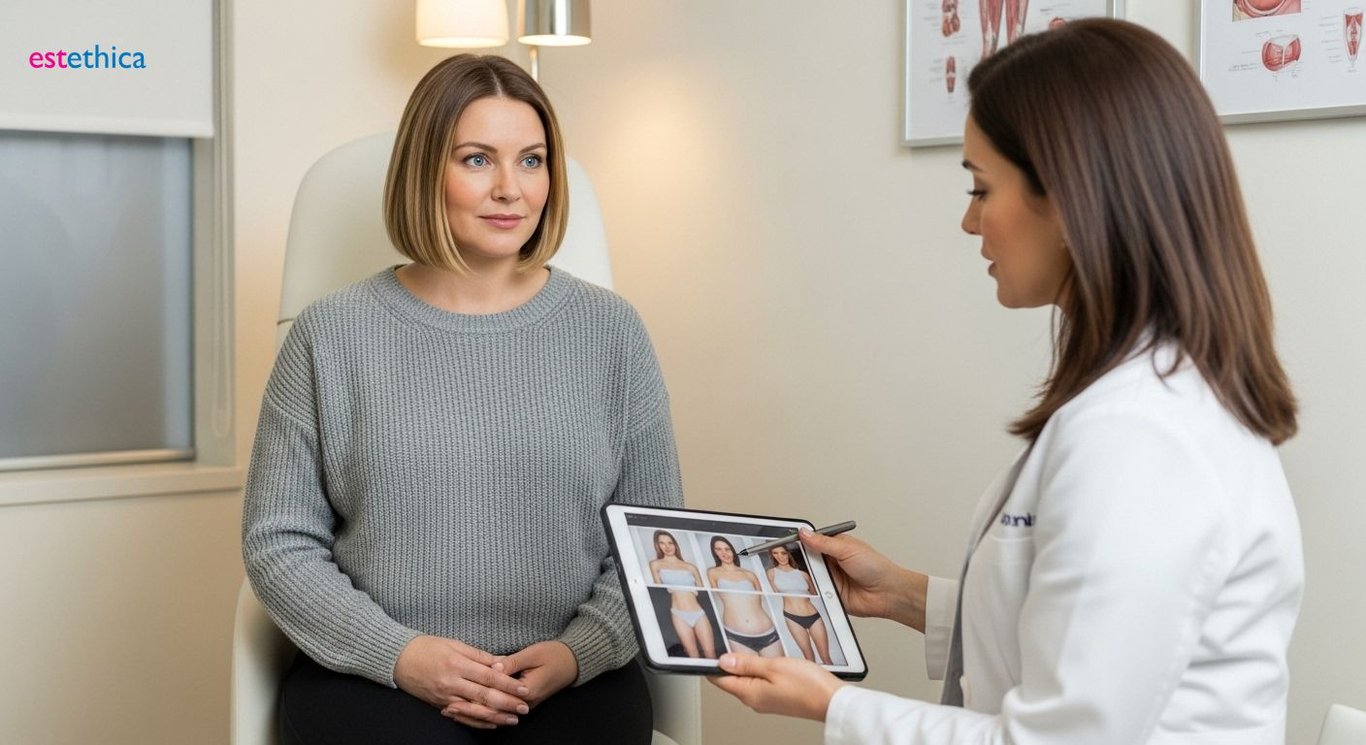
Beyond the Incision: Understanding Tummy Tuck with Muscle Repair
The Role of Muscle Repair in Abdominoplasty
Muscle repair during a tummy tuck, often referred to as plication, goes beyond mere cosmetic enhancement. It involves the surgeon tightening the abdominal muscles, which not only provides a flatter abdominal appearance but also addresses functional issues such as back pain and poor posture. This is particularly crucial for women who have experienced pregnancy, as the rectus abdominis muscles can separate, leading to a condition known as diastasis recti. By correcting this separation, the procedure helps restore core strength and stability.
The benefits of muscle repair extend beyond aesthetics. For example, individuals who have undergone abdominoplasty with muscle repair often report improved posture, reduced back pain, and increased ability to engage in physical activities. The procedure can also alleviate discomfort associated with a weakened abdominal wall. A 42-year-old mother of three, for instance, might find that after a tummy tuck with muscle repair, she can more comfortably lift her children and participate in exercises that were previously difficult. Additionally, a 50-year-old individual who has lost a significant amount of weight might benefit from muscle repair to address the abdominal laxity and improve overall core strength. Muscle repair in tummy tuck provides better body contouring.
- Core Strengthening: Restores and enhances abdominal muscle strength.
- Posture Improvement: Corrects muscle imbalances for better posture.
- Pain Reduction: Alleviates back pain associated with muscle weakness.
Benefits of Tummy Tuck with Muscle Repair
A tummy tuck with muscle repair offers a multitude of benefits, particularly for individuals dealing with the aftermath of pregnancy or significant weight changes. The primary advantage is the restoration of a firmer, flatter abdominal profile. By tightening the underlying muscles, the procedure not only reduces the appearance of a protruding abdomen but also improves the overall contour of the torso. This can lead to enhanced self-esteem and a greater sense of body confidence. The muscle repair aspect of the surgery addresses functional issues such as back pain and posture problems, which are often associated with weakened abdominal muscles.
Consider a 38-year-old woman who has diastasis recti following her second pregnancy. She may experience not only a persistent "pooch" in her lower abdomen but also chronic back pain and difficulty engaging her core during exercise. A tummy tuck with muscle repair can correct the muscle separation, alleviate her back pain, and restore her ability to perform core-strengthening exercises effectively. Similarly, a 45-year-old man who has lost a considerable amount of weight might have excess skin and weakened abdominal muscles. In this case, a tummy tuck with muscle repair can remove the excess skin and tighten the abdominal muscles, creating a more toned and sculpted appearance. Individuals who have diastasis recti repair are more likely to be satisfied with the results of their tummy tuck.
- Comprehensive Correction: Addresses both skin and muscle issues for optimal results.
- Functional Improvement: Alleviates back pain and improves posture.
- Enhanced Confidence: Provides a more toned and aesthetically pleasing appearance.

Road to Recovery: Navigating Tummy Tuck Recovery Time and Aftercare
Immediate Post-Op Expectations and Care
The initial days following a tummy tuck are crucial for setting the stage for a smooth recovery. Patients typically spend one to two nights in the hospital, allowing medical staff to monitor their condition and manage any immediate post-operative discomfort. Pain management is a top priority, and medication will be prescribed to help alleviate any pain or discomfort. It's common to experience swelling, bruising, and tightness in the abdominal area during this time. Drains are often placed to remove excess fluid and prevent fluid accumulation, which can hinder the healing process. These drains usually remain in place for one to two weeks, depending on the extent of the surgery and individual healing rates.
During this immediate post-op period, it's essential to follow the surgeon's instructions meticulously. This includes taking prescribed medications as directed, maintaining proper wound care, and wearing a compression garment to support the abdominal tissues and minimize swelling. Patients are advised to avoid strenuous activities and heavy lifting for several weeks to prevent complications and ensure optimal healing. For instance, a 55-year-old patient might need assistance with household chores and childcare during the first few weeks. Similarly, a 40-year-old individual who is usually active in sports will need to refrain from those activities until cleared by their surgeon. Following post-operative instructions is very important for successful abdominoplasty.
- Pain Management: Medications are prescribed to alleviate discomfort.
- Wound Care: Proper care prevents infection and promotes healing.
- Compression Garment: Reduces swelling and supports tissues.
Long-Term Recovery and Maintaining Results
The long-term recovery from a tummy tuck involves a gradual return to normal activities and a commitment to maintaining the results achieved through surgery. While the initial recovery period typically lasts several weeks, the full benefits of the procedure may not be apparent for several months. During this time, the swelling gradually subsides, and the tissues settle into their new contours. It's essential to continue wearing the compression garment as directed by the surgeon to support the healing process and minimize the risk of complications.
To maintain the results of a tummy tuck, it's crucial to adopt a healthy lifestyle that includes regular exercise and a balanced diet. Engaging in activities that strengthen the abdominal muscles can help maintain core stability and prevent the recurrence of muscle separation. For example, a 48-year-old patient might incorporate exercises such as planks, Pilates, and yoga into their routine to maintain muscle tone. Additionally, maintaining a stable weight is essential to prevent the development of new areas of excess skin or fat. A 35-year-old individual who underwent a tummy tuck after pregnancy should focus on maintaining a healthy weight through diet and exercise to preserve the aesthetic outcome of the surgery. Body contouring after abdominoplasty may require liposuction.
- Follow-Up: Attend all scheduled follow-up appointments for monitoring.
- Healthy Lifestyle: Maintain a balanced diet and exercise regularly.
- Sun Protection: Protect incisions from sun exposure to minimize scarring.
Advanced Abdominoplasty Techniques: Mini vs. Full Tummy Tuck for Targeted Body Contouring
estethica offers both mini and full abdominoplasty techniques tailored to individual needs. Mini tummy tucks address concerns below the navel with shorter incisions, while full tummy tucks correct excess skin and fat above and below the navel, often including muscle repair for diastasis recti.
estethica’s plastic surgeons are highly skilled in abdominoplasty procedures, providing comprehensive consultations to determine the most suitable technique for each patient. Their expertise ensures optimal body contouring results, addressing both cosmetic and functional concerns related to abdominal laxity and muscle separation.
Meticulous Tummy Tuck Aftercare: Ensuring Smooth Recovery and Long-Lasting Results
estethica emphasizes meticulous post-operative care, including pain management, wound care, and the use of compression garments, to minimize swelling and support healing. Patients receive detailed instructions and follow-up appointments to ensure a smooth recovery and optimal results.
estethica's holistic approach to abdominoplasty, combining advanced surgical techniques with comprehensive aftercare, leads to high patient satisfaction. Patients experience improved body contour, enhanced core strength, and a boost in self-confidence.
Frequently Asked Questions
What is a tummy tuck (abdominoplasty) and what does it address?
Who is an ideal candidate for tummy tuck surgery?
What is the difference between a mini tummy tuck and a full abdominoplasty?
Why is muscle repair often included in a tummy tuck procedure?
What does the recovery process involve after a tummy tuck?
Achieve your aesthetic goals with estethica's expert guidance and advanced techniques.
📞 Book Your Free Consultation!