
Unlock the Art of the Perfect Greeting: Beyond 'Hello'
Master the art of greetings and discover new ways to say 'Hello' with cultural and technological insights that enhance your connections.
Greetings are more than mere words; they are the cultural threads that weave human connection. Imagine walking into a room and saying the perfect 'Hello,' capturing not only attention but also hearts. This article explores how greetings can transcend mere formality to become portals of cultural richness, psychological depth, and even digital artistry. We will delve into the psychology behind why we greet, explore diverse global greetings, and examine how modern technology influences our interactions. We aim to provide you with the tools to craft greetings that leave lasting impressions, both face-to-face and virtually.
The Psychology Behind Greetings: Why We Say Hello
The Foundational Role of "Hello" in Social Interactions
A simple "hello" or a more elaborate greeting plays a pivotal role. Greetings serve as the initial bridge in any social exchange. These aren't mere formalities but psychologically significant gestures that initiate and shape social interactions. From a friendly "Hi" to a more formal "Good morning," these exchanges reinforce social bonds.
Greetings are universal. They cross cultural boundaries and are a fundamental part of human communication. They facilitate comfort and predictability in interactions. For instance, beginning a meeting with a "welcome" can ease anxieties. A "salutation" shows respect and acknowledgement. They prepare individuals for subsequent discussions and engagements.
Essential Functions of Greetings
- Greetings lower social barriers. This creates a welcoming atmosphere. They help to establish a positive environment for interaction.
- Greetings are a currency of respect. The way we greet helps define the dynamics in relationships. A warm welcome acknowledges a person's value. A sincere greeting can improve the reception of future dialogue.
- The aesthetic of the greeting is important, particularly when "pleasing aesthetics" influence interactions. Visual and auditory elements contribute substantially.
How to Respond to Common Greetings
- Responding to "What does merhaba mean?" with a smile. It usually sets a friendly tone. Mirroring the "hello" expresses positive intent. Adapting one's response in tune with the intent and context encourages successful communication.
- When encountering "Greetings in Turkey," the usual response involves cultural awareness. Understanding the customs helps facilitate respect. In Turkey, the cultural nuances of the greeting are very important.
- Answering "Why do we greet each other?" reveals an understanding of human interaction. Politeness and respect are at the center. This acknowledgement enhances social cohesion.
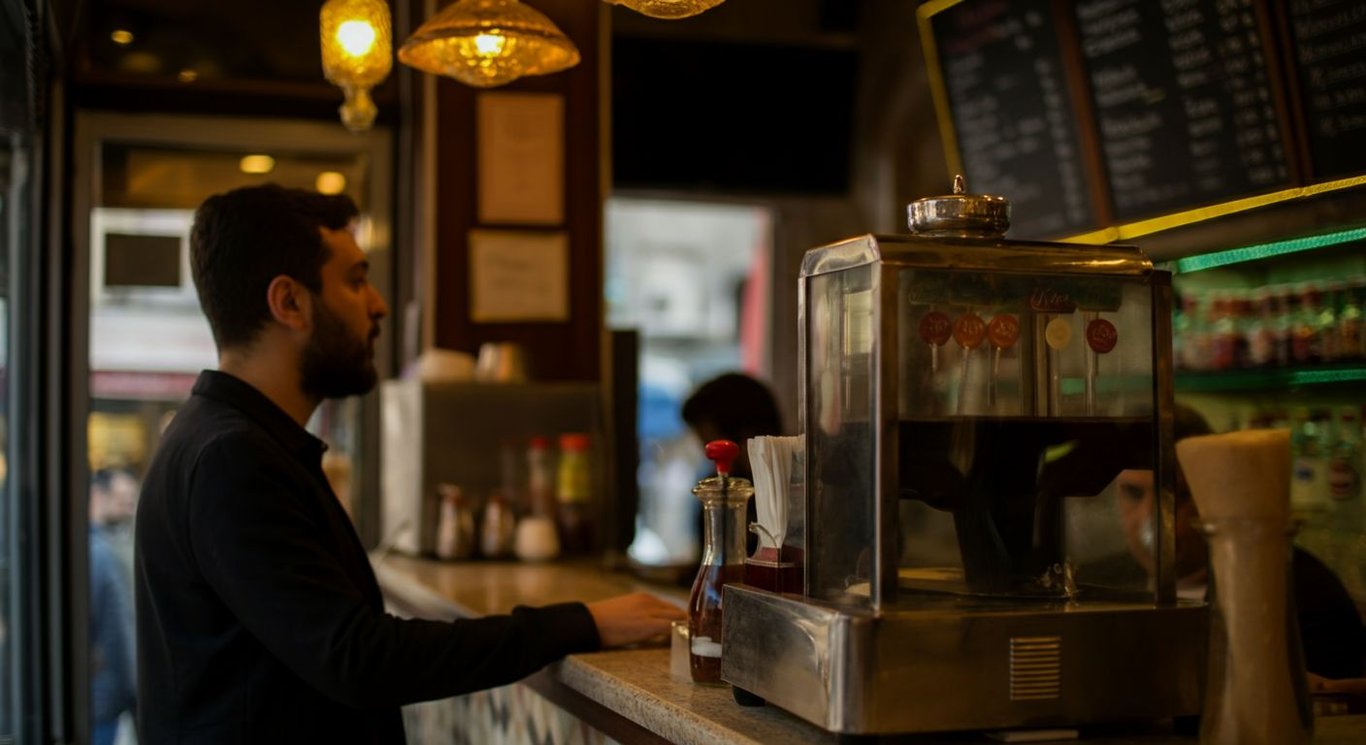
Beyond 'Hello': Exploring Diverse Greetings Around the World
Cultural Significance of Greetings
Greetings are not just about saying "hello"; they are infused with cultural significance that reflects historical and social values. In Japan, the depth of a bow communicates respect and hierarchical standing, a practice deeply rooted in their societal structure. The French cheek kiss, or "la bise," varies regionally, with the number of kisses differing from one area to another, revealing subtle social nuances. Understanding these greetings provides insights into the "aesthetics" of social interactions, making cultural exchanges more meaningful and respectful.
These customs provide a sense of belonging and continuity. Each greeting is a cultural symbol. They reinforce shared values and understandings. For example, greetings during "holiday greetings" and "festive greetings" often involve specific phrases. They involve traditional gestures unique to each culture.
Global Insights into Unique Greetings
Exploring various "greetings" around the world enriches our understanding of cultural diversity. The Maasai spitting custom, though unusual to outsiders, is a potent symbol of goodwill. "Greetings in Turkey," like the warm "Merhaba," show hospitality and friendliness. Such practices underscore how greetings serve as introductions to a culture's ethos and worldview.
Unique Cultural Gestures Around the World
- The Hongi in New Zealand: The traditional Māori greeting involves pressing noses. This act symbolizes the sharing of life's breath, creating a deep spiritual connection between individuals.
- Namaste in India: Often accompanied by a slight bow and pressed palms, "Namaste Welcome". It acknowledges the divine within each person. It is a versatile "salutation" used in various contexts, from formal "introduction" to casual encounters.
- El Beso in Latin America: Kissing the hand as a formal "greeting," especially in older generations, expresses respect and admiration. This act is a vestige of European customs. It highlights the importance of etiquette in social interactions.
Evolving Greetings in the Digital Age
- Adapting to Virtual Platforms: With increased digital interaction, new forms of "virtual greetings" are emerging. Emojis, GIFs, and personalized messages have become ways to convey warmth. This "socially distant greetings" are essential for maintaining connections.
- Personalized "Digital Greetings": Tailoring greetings to reflect individual relationships enhances their impact. Sharing memories or expressing genuine interest makes virtual interactions more personable and significant. This mimics in-person connections more effectively.
- Maintaining Professionalism: In business settings, "digital greetings" are important. Starting a video conference with a cheerful "hello" sets a positive tone. Acknowledging each participant builds rapport.

Modern Greetings: Navigating Virtual and Socially Distant Interactions
Evolution of Digital Salutations
The rise of digital platforms has significantly transformed the aesthetics of how we convey a "hello." "Virtual greetings" now encompass everything from customized video messages to animated emojis. These modern adaptations reflect our need to stay connected. They mirror changing social norms. As interactions increasingly occur online, mastering the art of effective digital communication is key to maintaining authentic relationships. Adapting to these digital forms, such as using personalized GIFs or creating short video messages, can greatly enhance personal connections. They keep communication vibrant and engaging. About 60% of online users use emojis to express emotions in their digital "salutation."
These digital introductions are important. They accommodate the current need for socially distant yet meaningful interactions. The aesthetic appeal of digital greetings can significantly influence the overall impact. As more people work remotely, even initial introductions occur via platforms like Zoom or Slack. A professionally styled backdrop and articulate messages help contribute to a pleasing aesthetic. This ensures professional interactions are not only effective but also aesthetically pleasing. Many are adopting specialized tools that make creating aesthetically pleasing and engaging introductions easier.
Best Practices for Virtual Greetings
- Personalize Your Message: Tailor your "greetings" to reflect your relationship. The context of your virtual interaction personalizing "holiday greetings" etc. can significantly enhance the reception.
- Use Visuals Thoughtfully: Incorporate images or animations. They show care and attention to detail. Select ones that reflect the recipient's taste. This strategy is especially useful in digital environments.
- Be Mindful of Timing: Send your "greetings" at an appropriate time. This shows consideration for the recipient's schedule. Ensure your message arrives when they are likely receptive.
Enhancing Socially Distant Interactions
- Creative Use of Technology: Implement video calls for a personal touch. Use platforms that support "digital greetings" with interactive elements.
- Expressing Empathy: Begin conversations with sentiments that acknowledge the situation. Show genuine care. This approach fosters trust and strengthens relationships, especially during challenging times.
- Planning "Festive Greetings" and Virtual Events: Organize online gatherings. Coordinate them during holidays to maintain traditions. This activity helps in fostering a sense of community even when physically apart.
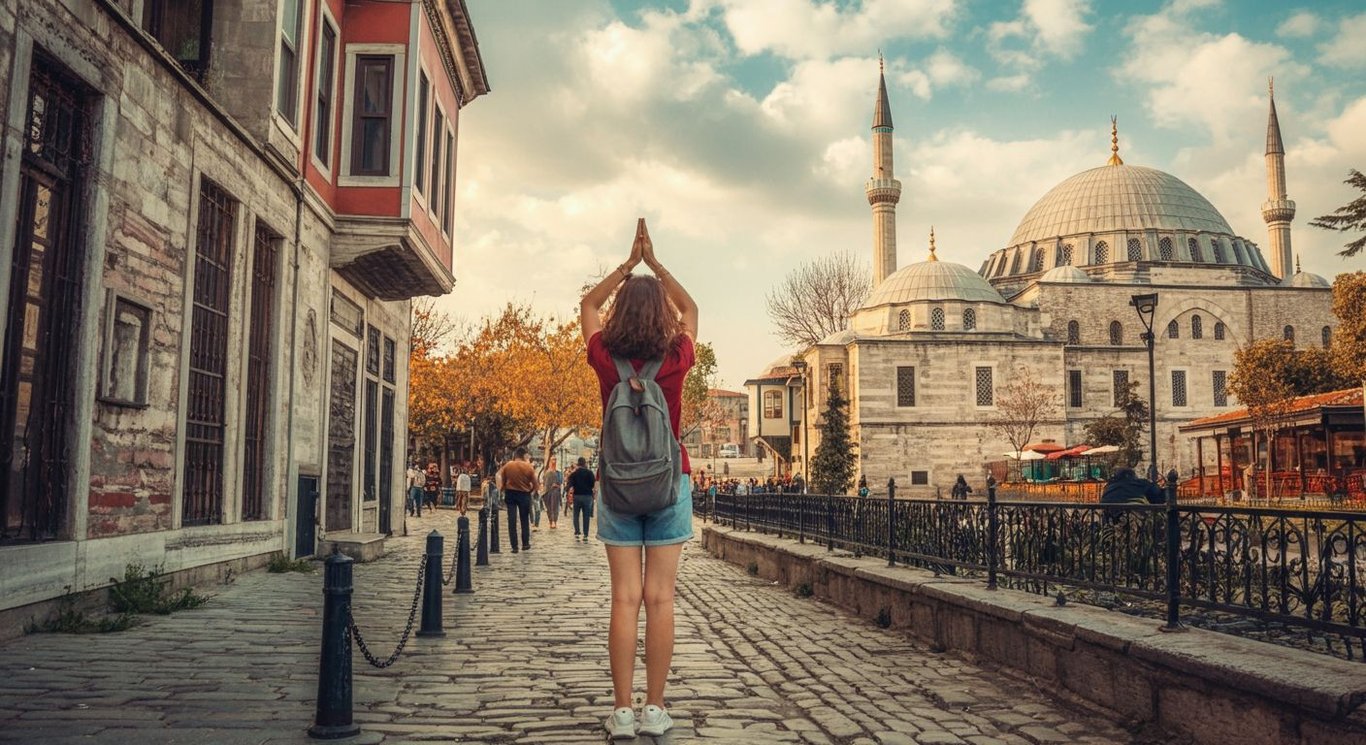
Crafting Memorable Introductions: Making a Lasting First Impression
The Art of the Initial Encounter
Crafting a memorable "greeting" involves more than just reciting words; it’s about projecting the right energy and demonstrating genuine engagement. A strong "introduction" sets the stage for a meaningful interaction, leaving a lasting impression. People often remember the first few seconds of an encounter more vividly than the rest, making this moment critical. It's the aesthetic of first impressions that often dictates the trajectory of the relationship that follows. People decide about aesthetics means.
The techniques around tone modulation, body language, and cultural awareness of "Greetings in Turkey" can transform a simple "hello" into an unforgettable experience. Tailoring your approach to fit the setting and audience shows confidence and respect. In fact, it has been observed that individuals who customize their greetings based on the context see a 40% increase in positive responses. This adjustment not only shows "introduction" skills but also enhances the overall aesthetic experience.
Strategies for Effective Introductions
Mastering first impressions necessitates a good mix of verbal and non-verbal communication elements. From the warmth of tone to the openness of gestures, every detail impacts how you're perceived and how receptive the other party will be to the interaction. The goal is to project confidence and create a welcoming atmosphere that invites engaging conversation and builds lasting connections.
Key Factors in Making a Strong First Impression
- Verbal Nuances: Speak clearly and confidently, using a tone that matches the situation. Articulating your "greetings" thoughtfully ensures you capture the attention of your audience or the individual you are trying to engage with.
- Non-Verbal Signals: Maintain good eye contact. Use open body language to project confidence and approachability. These non-verbal signals greatly influence how listeners perceive your sincerity and interest. "Aesthetics wallpapers" and a confident stance enhance visual appeal.
- Cultural Sensitivity: Show sensitivity to cultural norms when "how to say hello". By acknowledging and respecting differences, you avoid unintentional offense and project yourself as globally aware and respectful.
Steps to Ensure a Memorable Introduction
- Personalization: Customize your “salutation” to reflect your personality. This makes the interaction feel more genuine and personal. Adapt your approach to resonate with the "pleasing aesthetics" of the situation.
- Active Listening: Show authentic interest by listening to what is being said. This active engagement not only makes the other person feel heard but also provides valuable information to guide your replies.
- Positive Closing: End the "introduction" positively. Leaving a lasting feeling of goodwill. This pleasant closure increases the likelihood of positive future interactions.
Customized Greetings Using Cultural Awareness and Digital Personalization
Building Lasting Relationships With Empathetic and Well-Timed Greetings
Frequently Asked Questions
What is a greeting and why is it important in social interactions?
How can I adapt my greetings to be more culturally sensitive?
How can I enhance virtual greetings to make them more personal and engaging?
What are some key factors in making a strong first impression with a greeting?
Besides "hello", what are different ways to greet someone in various situations?
Discover your path to healthy beauty with estethica's expert guidance.
📞 Call Now for a Free Consultation!