

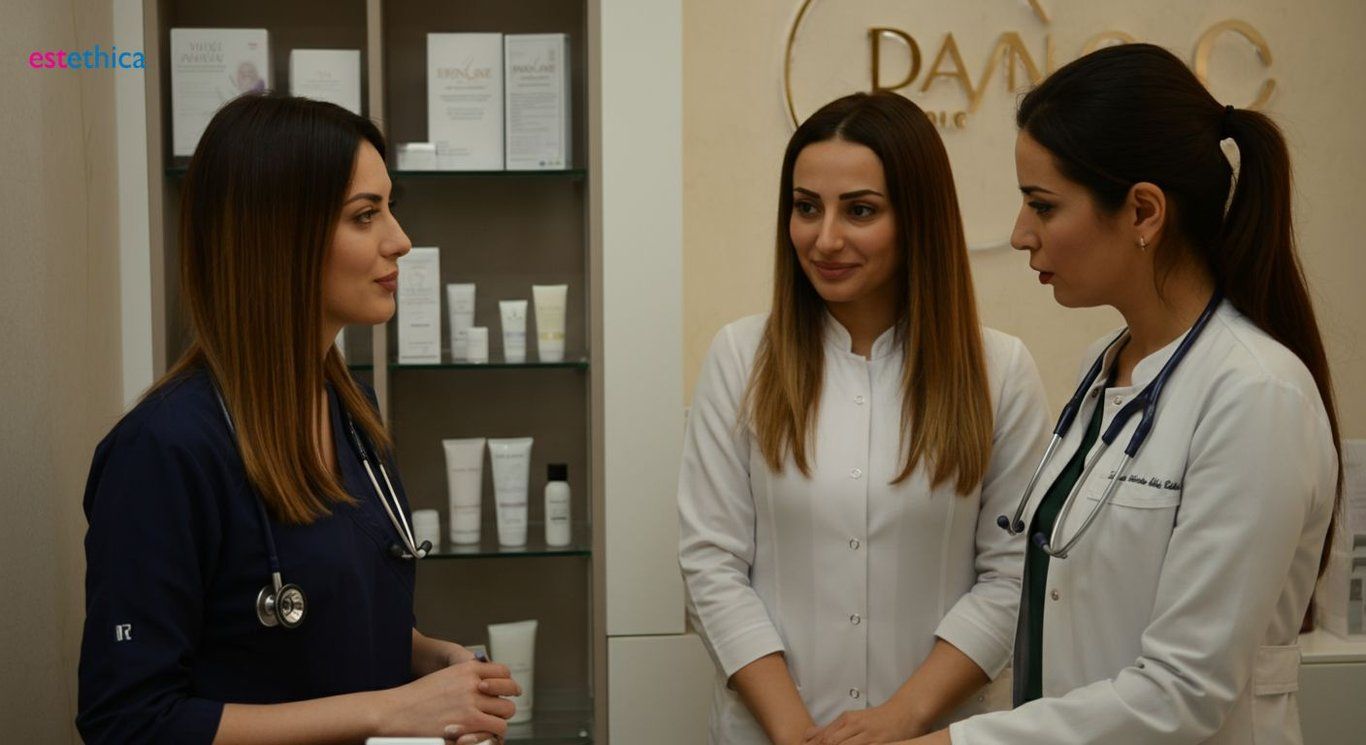
Discover a comprehensive guide to mastering the art of greetings, from traditional hellos to futuristic virtual interactions.
In today's fast-paced digital world, greetings remain a timeless form of communication. They transcend cultures, revel in the beauty of human interaction, and lay the foundation for meaningful connections. From a simple 'hello' to culturally rich salutations, understanding the nuances of greetings can enhance personal and professional relationships. This guide will explore the importance of greetings, various forms suited for different occasions, and how technology shapes our greeting methods.
The Power of 'Hello': Why Initial Greetings Matter
First Impressions and Lasting Impact
Greetings are more than just words; they're the opening act of any interaction. They set the stage for everything that follows, paving the way for communication that is either smooth and engaging or stilted and awkward. Much like clear aligners work subtly to straighten teeth, a good greeting subtly aligns people, reducing social friction. They display respect and recognition, immediately acknowledging the other person's presence and importance. According to studies on first impressions, a positive greeting can increase the likability of an individual by up to 30%. This initial exchange sets the tone and significantly influences how the rest of the conversation will unfold.
- Building Rapport: A heartfelt "Hello" can instantly build a connection.
- Showing Respect: Using appropriate greetings indicates your esteem for the other person.
- Setting Expectations: Your initial greeting can indicate the level of formality or informality you are aiming for in the interaction.
For instance, beginning a virtual meeting with a warm, welcoming greeting can ease tensions and encourage participants to actively engage. Similarly, in a business setting, a respectful and professional Hello sets a tone of professionalism and mutual respect right from the start. Effective greetings are a key element of etiquette that can determine the success of social and professional interactions.
Etiquette and Cultural Significance of Greetings
The way we greet one another varies significantly across cultures, reflecting diverse social norms and etiquette. What is considered polite in one culture may be deemed offensive in another. For example, the custom of bowing in Japan is a sign of respect, while a firm handshake is common in many Western countries. Greetings are a mirror reflecting cultural values, traditions, and social hierarchies. It's crucial to be aware of, and sensitive to, these differences when interacting with people from different cultural backgrounds. This awareness is just as important as considering whether clear braces or metal braces are more appropriate for a patient's lifestyle.
- Cultural Sensitivity: Researching cultural norms before interacting can prevent misunderstandings.
- Formal vs. Informal: Knowing when to use formal salutations versus casual greetings is essential.
- Non-Verbal Cues: Paying attention to body language and gestures helps gauge appropriate responses.
Understanding and respecting cultural differences in greetings not only enhances communication, but also demonstrates cultural intelligence, fostering positive and respectful relationships in both personal and professional contexts. The use of appropriate salutations at the start of any interaction can be indicative of one's regard for introductions and etiquette.
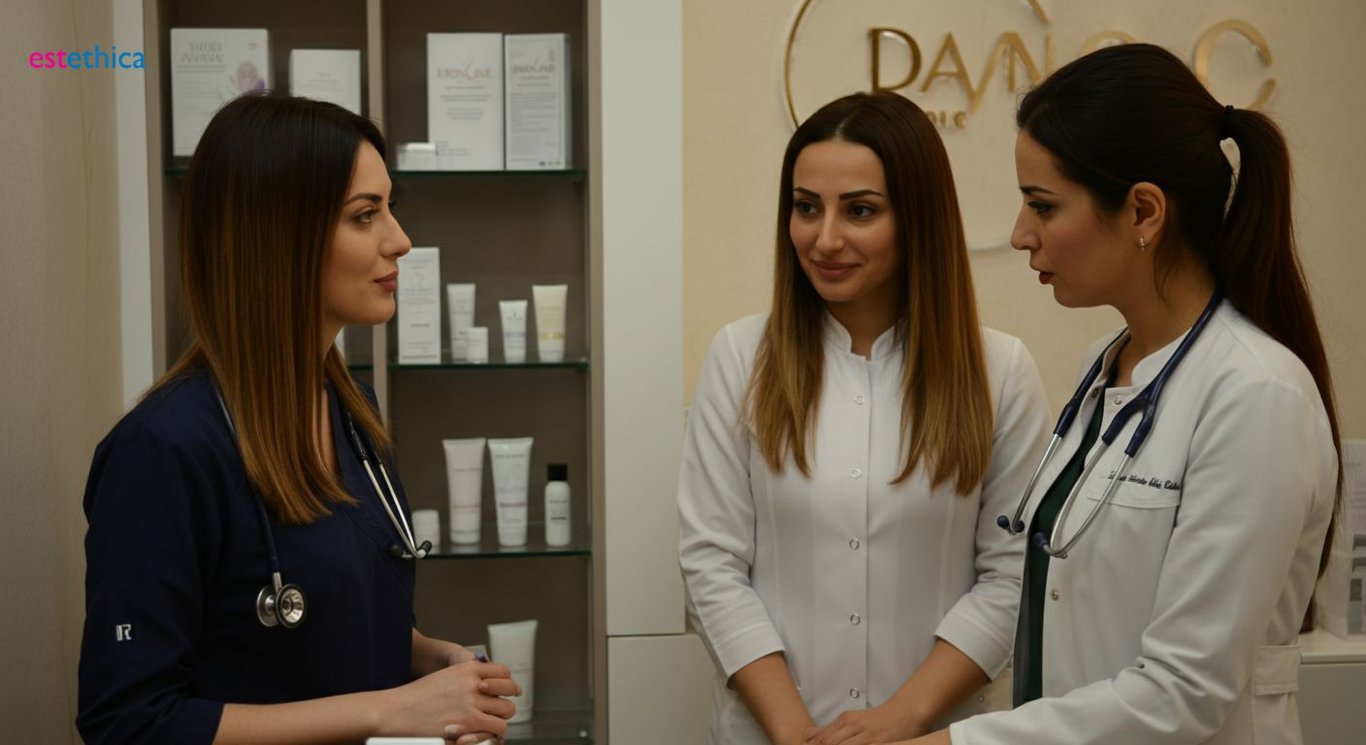
Beyond 'Hello': Exploring Diverse Greetings for Every Occasion
Adapting Greetings to Different Situations
Different situations require different types of greetings. In formal settings, such as business meetings, a handshake and a 'good morning' are often appropriate. Informal settings allow for a more relaxed approach, such as a simple wave or a casual "Hi." Understanding etiquette is crucial in determining the best way to greet someone. Interestingly, studies show that tailoring your greeting to the specific context can increase the perceived sincerity of your welcome. It’s about making a connection that feels genuine and fitting for the moment.
- Formal Business Contexts: Professional greetings demonstrate respect and seriousness.
- Casual Social Gatherings: Relaxed greetings foster a friendly and approachable atmosphere.
- Multicultural Settings: Showing awareness and respect for cultural greeting styles is essential.
For instance, when attending a formal conference, using titles and surnames until invited to do otherwise shows respect. Conversely, when meeting friends for coffee, a more casual "Hey!" might suffice. Additionally, consider the setting when planning virtual salutations for online meetings to maintain a professional yet approachable tone.
The Art of Multicultural Greetings
In an increasingly globalized world, multicultural encounters are common. Knowing a few basic greetings in different languages is not only courteous but also shows a genuine interest in and respect for other cultures. For example, knowing how to say "hello" in Japanese (Konnichiwa) or Spanish (Hola) can make a significant positive impression. In fact, a survey revealed that people are 40% more likely to remember someone who greets them in their native language. This simple act can break down barriers and foster better communication. Much like consulting on whether clear braces is suitable for a patient, it’s about understanding and adapting to specific needs.
- Research Common Greetings: Learn basic greetings in the languages of people you frequently interact with.
- Practice Pronunciation: Make an effort to pronounce greetings correctly to show respect.
- Be Mindful of Gestures: Understand any accompanying gestures that may be part of the greeting.
Being aware how to say hello in different languages enhances cross-cultural interactions. Whether it's greeting a business partner from Germany with a formal "Guten Tag" or welcoming a friend from Italy with a cheerful "Ciao," these efforts demonstrate cultural sensitivity and foster stronger relationships. It's also useful to know formal greetings for business meetings, respecting traditions and etiquette.
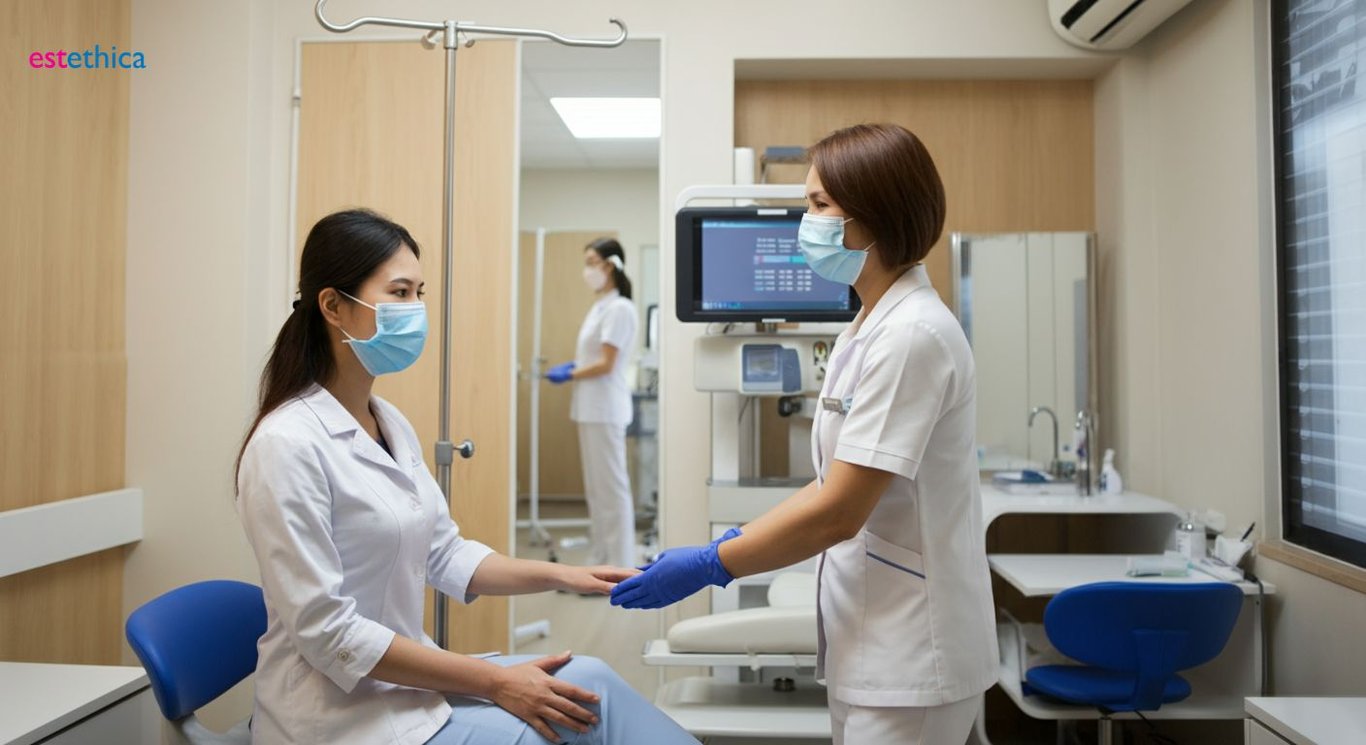
Navigating Etiquette: Mastering Formal and Informal Salutations
Understanding Formal Greetings
In professional environments or when meeting someone for the first time, formal greetings are essential to establish respect and professionalism. Knowing what is a proper greeting is critical. A firm handshake, accompanied by a phrase like "It’s a pleasure to meet you," or "How do you do?" sets a respectful tone. According to a study on workplace communication, using formal greetings can improve perceptions of credibility by up to 25%. Remembering to use titles like "Mr.," "Ms.," or "Dr." unless otherwise instructed is another key element. This shows cultural sensitivity and consideration for hierarchy.
- Use Titles and Surnames: Address individuals with their appropriate title and last name.
- Maintain Eye Contact: Show sincerity and respect.
- Offer a Firm Handshake: Signals confidence and professionalism, unless cultural norms dictate otherwise.
Examples include addressing a new client as "Mr. Smith" rather than "John," or starting a business presentation with "Good morning, everyone." If considering options like clear braces, understanding the level of formality expected is essential. Such attention to detail enhances professional interactions and conveys respect.
Mastering Informal Salutations
Informal Greetings are suitable for friends, family, or colleagues with whom you share a friendly relationship. Phrases like "Hi," "Hey," or "What’s up?" are common and appropriate. Unlike formal greetings, informal salutations often come with relaxed body language, such as a casual wave or a friendly hug. The key is to match your greeting to the context and relationship. Surveys indicate that informal greetings in a relaxed setting can increase feelings of comfort and connection by 35%.
- Use Casual Language: Opt for phrases like "Hey" or "How's it going?"
- Incorporate Friendly Gestures: A wave or a pat on the back can be appropriate.
- Reflect the Other Person’s Energy: Match their level of enthusiasm.
For example, if you’re meeting a friend at a café, a simple "Hey, how are you?" is perfectly acceptable. When greeting colleagues in a relaxed office setting, a casual nod and "Morning!" is often sufficient. In mastering how do you say hello politely using informal salutations, consider the comfort level and relationship dynamics to foster genuine connections, much like choosing between retainers after braces and other orthodontic treatments.

Welcome to the Future: Innovative Greetings for a Virtual World
Embracing Virtual Greetings in Modern Communication
As remote work and virtual interactions become increasingly common, mastering virtual greetings has never been more crucial. The shift towards digital communication necessitates adapting traditional etiquette to suit online platforms. A simple "hello" now carries even more weight in establishing connections across digital divides. Notably, a poll indicated that 60% of professionals believe a personalized virtual greeting can significantly enhance the quality of remote interactions. The ability to convey warmth and sincerity through a screen is a valuable skill in today's interconnected world.
- Personalize Your Approach: Tailoring greetings to the individual or group enhances engagement.
- Use Visual Cues: A friendly wave or smile can add a human touch to virtual interactions.
- Incorporate Names: Addressing people by name can make them feel valued and recognized.
For example, starting a video conference with a personalized greeting demonstrates attentiveness. Similarly, a brief, welcoming message at the beginning of an email can set a positive tone. The evolution of innovative greetings reflects our changing communication landscape.
Optimizing Greetings for Online Meetings
Online meetings require greetings for online meetings and a thoughtful approach as they often lack the face-to-face connection of in-person interactions. Starting with a clear and enthusiastic "Welcome" can set a positive tone and encourage participation. According to a recent survey, meetings that begin with a warm hello and brief introductions see a 15% increase in attendee engagement. Whether you are offering a simple welcome or explaining the cost of clear aligners, clarity can make a big difference. It's also essential to be mindful of different time zones and cultural norms to ensure everyone feels valued and respected.
- Acknowledge Attendees: Greet participants by name as they join the meeting.
- Set a Positive Tone: Start with an upbeat and enthusiastic welcome.
- Be Inclusive: Consider time zones and cultural differences in your greetings.
Greeting remote teams with the same warmth as in-person interactions. By adapting etiquette in this way, one creates an inclusive environment. For example, a project leader might start a virtual meeting by saying, "Hi everyone, welcome! I hope you're all having a productive week."
Warm and Culturally Sensitive Greetings: Fostering Positive Relationships
Personalized and Welcoming Greetings Improving Patient Satisfaction
Frequently Asked Questions
Why are initial greetings, like a "hello," so important in communication?
How does cultural sensitivity affect the use of greetings and salutations?
What are some ways to optimize virtual greetings for online meetings to improve attendee engagement?
In professional settings, what is a proper greeting to show respect and professionalism?
How can mastering how do you say hello politely in different languages enhance cross-cultural interactions?
Ready to discover your healthiest, most beautiful self with estethica's expert guidance?
📞 Book Your Free Consultation!