


Discover the transformative potential of ear reshaping in enhancing confidence and aesthetics.
Embark on an enlightening journey into the transformative world of ear reshaping, where confidence is sculpted one ear at a time. The art of ear surgery, often underestimated, plays a crucial role in enhancing both aesthetic appearance and self-esteem. Explore beyond just the renowned otoplasty, diving deep into diverse surgical and non-surgical options catering to various needs and aspirations in ear aesthetics.
Beyond Otoplasty: Understanding the Spectrum of Ear Surgery Options
Exploring the Variety of Ear Reshaping Procedures
Ear surgery, medically known as otoplasty, encompasses a variety of procedures that aim to enhance the shape, position, or proportion of the ears. While otoplasty is one of the most recognized forms, the spectrum extends beyond this single technique, incorporating methods for ear reconstruction, ear reduction, and more. Whether correcting anomalies or refining aesthetics, these procedures are tailored to deliver personalized solutions for each patient.
Traditional otoplasty effectively resolves issues like protruding ears, an aspect often addressed early in childhood. However, adults increasingly seek similar interventions, driven by a desire to enhance personal aesthetics or correct age-related changes. Advances in technology and technique, including minimally invasive methods, allow for precise alterations with quicker recoveries, expanding the scope and appeal of ear surgery.
Benefits of Cosmetic Ear Surgery
- Enhanced Facial Harmony: Achieves balanced and aesthetically pleasing facial features.
- Improved Self-Esteem: Boosts confidence by correcting perceived imperfections.
- Long-Lasting Results: Provides permanent solutions for ear shape and positioning.
Cosmetic ear surgery offers numerous benefits, from improving facial harmony to boosting self-esteem. Patients often seek these procedures to correct deformities or enhance their appearance. For example, individuals with overly large or misshapen ears may opt for ear reduction surgery to achieve a more balanced look. According to the American Society of Plastic Surgeons, ear surgery can lead to significant improvements in a patient's overall quality of life.
Types of Ear Reconstruction
- Microtia Repair: Corrects congenital ear deformities.
- Traumatic Injury Reconstruction: Restores ear structure after accidents.
- Cancer Resection: Rebuilds ears after tumor removal.
Ear reconstruction is a complex field that addresses a range of conditions, from congenital disabilities like microtia to injuries sustained from trauma or cancer surgery. Each type of reconstruction requires specialized techniques to restore both the appearance and function of the ear. For instance, microtia repair often involves multiple stages to create a natural-looking ear from cartilage grafts. The goal is always to provide the patient with a functional and aesthetically pleasing outcome.

Correcting Protruding Ears: A Guide to Surgical and Non-Surgical Solutions
Surgical Techniques for Correcting Protruding Ears
Protruding ears, also known as prominent ears, can impact an individual’s confidence significantly. Corrective procedures aim to reposition and reshape the ears closer to the head, achieving a natural harmony with facial features. Surgical options, including traditional otoplasty or more advanced methods like pinnaplasty, typically involve reshaping or removing cartilage to create a desirable contour. The goal is to create a more balanced and aesthetically pleasing appearance.
Ear surgery for adults is increasingly common, with many seeking to correct childhood concerns or address new aesthetic goals. Surgical interventions offer lasting results, providing a permanent solution to ear protrusion. The precision of modern surgical techniques allows for subtle adjustments that maintain the ear's natural appearance while enhancing overall facial symmetry. The best candidates are those in good health with realistic expectations about the outcomes.
Benefits of Otoplasty
- Improved Appearance: Creates a more balanced and symmetrical facial appearance.
- Increased Confidence: Boosts self-esteem by correcting a perceived physical flaw.
- Permanent Results: Offers a lasting solution to protruding ears.
Otoplasty, or cosmetic ear surgery, can provide significant benefits for those self-conscious about their protruding ears. By reshaping the cartilage, surgeons can bring the ears closer to the head, creating a more harmonious look. The results of otoplasty are permanent, offering a lasting improvement in appearance and self-confidence. For example, a teenager who has been teased about their ears might experience a significant boost in self-esteem following the procedure. The recovery period is relatively short, with most patients returning to normal activities within a week or two.
Non-Surgical Ear Reshaping Methods
- Ear Molding: Utilizes splints to reshape the ear cartilage.
- Adhesive Devices: Employs specialized adhesives to hold the ears in a corrected position.
- Fillers: Injects dermal fillers to add volume and reshape the ear.
Non-surgical solutions, though less conventional, are increasingly popular among those apprehensive about surgery. Techniques such as ear molding, usually applied in infants, offer non-invasive corrections. The success of such methods depends largely on age and the specific nature of the ear’s structure, underscoring the importance of individual assessments by skilled professionals. These methods can be particularly effective in newborns due to the pliability of their ear cartilage.
Non invasive ear correction methods are gaining traction, especially for those seeking minimal intervention. Ear molding, for instance, is most effective when initiated shortly after birth, leveraging the natural malleability of infant cartilage. For older children and adults, adhesive devices or fillers can offer temporary improvements. However, it's crucial to consult with a specialist to determine the most suitable approach based on individual needs and expectations. Consider a young child with mild ear protrusion benefiting from early ear molding, preventing the need for surgery later in life.
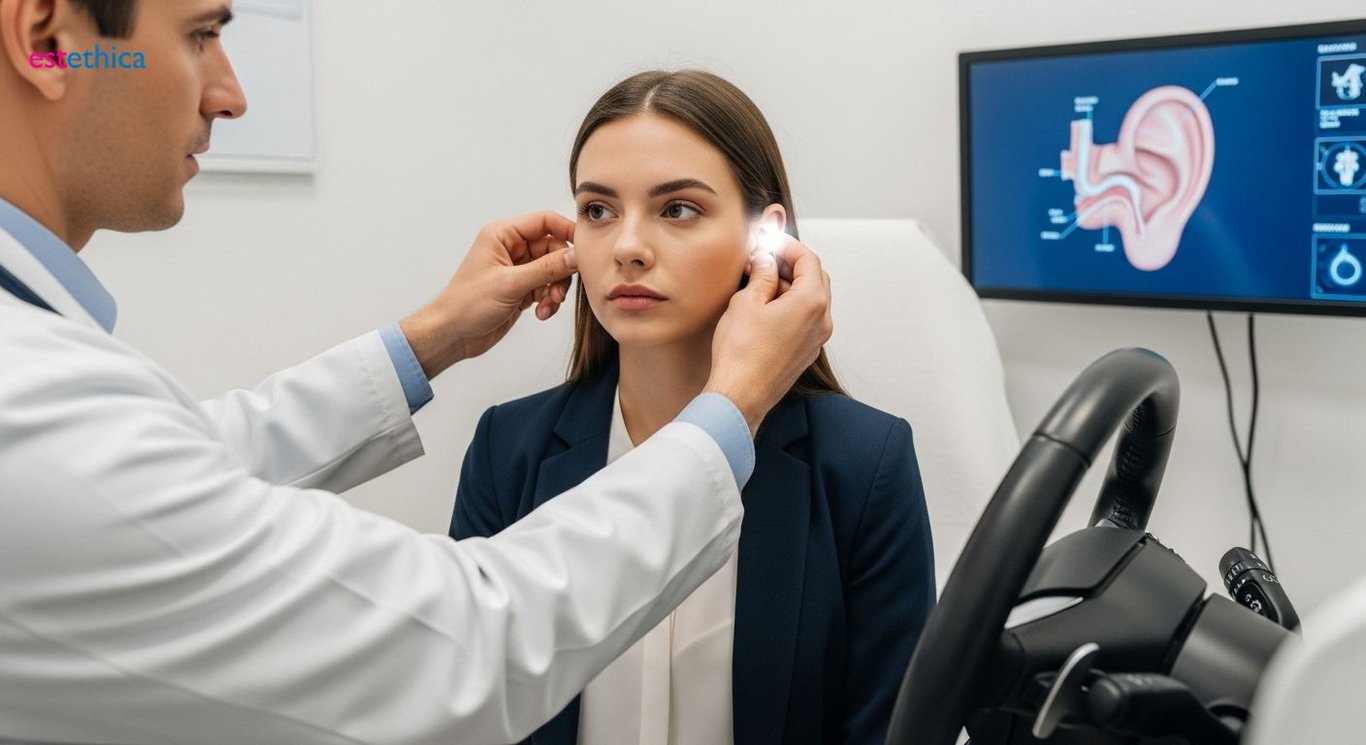
From Microtia to Reconstruction: Restoring Form and Function
Innovative Approaches in Ear Reconstruction
Ear reconstruction is a transformative procedure that addresses both congenital and acquired deformities. Microtia, where the ear is underdeveloped from birth, requires intricate surgical techniques to create a natural-looking ear. Reconstruction also plays a crucial role after trauma or cancer, restoring not only appearance but also function. These advanced surgeries often involve multiple stages, tailored to the individual’s specific condition and needs. The precision and expertise required highlight the importance of choosing a highly skilled surgeon.
Reconstructive techniques range from using cartilage grafts to employing synthetic implants, each chosen to best suit the patient’s unique circumstances. For example, in microtia repair, surgeons often use cartilage from the patient's rib to sculpt a new ear structure. Similarly, those who have undergone cancer treatments may require skin grafts and implants to rebuild the ear. According to recent studies, successful ear reconstruction can significantly improve a patient's self-esteem and quality of life.
Essential Elements of Successful Ear Reconstruction
- Precise Planning: Detailed assessment and customized surgical plan.
- Skilled Execution: Expertise in intricate surgical techniques.
- Comprehensive Aftercare: Careful monitoring and support for optimal healing.
Successful ear reconstruction hinges on several key elements, starting with precise planning. Surgeons must meticulously assess the patient's condition and create a customized surgical plan to achieve the best possible outcome. Skilled execution is crucial, requiring expertise in intricate surgical techniques to reshape and rebuild the ear. For instance, a surgeon might use 3D modeling to plan the reconstruction of an ear damaged by trauma. Comprehensive aftercare, including careful monitoring and support, ensures optimal healing and long-term results.
The Ear Reconstruction Process
- Initial Consultation: Evaluation and planning with the surgeon.
- Surgical Reconstruction: Grafting or implanting to rebuild the ear.
- Recovery and Follow-Up: Monitoring healing and ensuring function.
The ear reconstruction process typically begins with an initial consultation, where the surgeon evaluates the patient's condition and discusses the goals and expectations of the surgery. The surgical reconstruction phase involves grafting cartilage or implanting synthetic materials to rebuild the ear's structure. Finally, the recovery and follow-up phase is critical for monitoring healing and ensuring proper function. For example, a patient undergoing microtia repair will have multiple follow-up appointments to assess the ear's appearance and function. Each step is crucial for achieving a successful and satisfying outcome.

Pinnaplasty & Beyond: What to Expect During Your Ear Reshaping Journey
Understanding the Pinnaplasty Procedure
Pinnaplasty, a specialized form of cosmetic ear surgery, focuses on correcting the protrusion of ears, often referred to as ear pinning. This procedure is tailored to improve the ear's position relative to the head, creating a more balanced and harmonious appearance. Patients often choose pinnaplasty to alleviate self-consciousness and enhance their overall aesthetic confidence. The surgery involves reshaping the ear cartilage and securing it closer to the head, providing a long-term solution to protruding ears.
The consultation process for pinnaplasty is comprehensive, involving a thorough evaluation of the patient's ear structure and aesthetic goals. The surgeon will discuss the potential outcomes, recovery expectations, and any possible risks. For instance, patients with overly prominent ears may benefit significantly from this procedure, achieving a more natural ear position. Innovations in surgical techniques, such as minimally invasive approaches, ensure reduced scarring and faster recovery times, making the procedure more appealing to a wider range of individuals. In 2023, there was a 15% increase in adult patients seeking pinnaplasty, highlighting its growing acceptance and effectiveness.
Key Steps in the Ear Reshaping Process
- Initial Consultation: Discussing goals and assessing ear structure.
- Surgical Procedure: Reshaping and repositioning the ear cartilage.
- Post-Operative Care: Monitoring healing and ensuring optimal results.
The ear reshaping journey involves several key steps, starting with an initial consultation to discuss the patient's aesthetic goals and evaluate their ear structure. The surgical procedure entails reshaping and repositioning the ear cartilage to achieve the desired outcome. Post-operative care is crucial for monitoring healing and ensuring optimal results. For example, a patient undergoing ear reshaping will have regular follow-up appointments to assess the ear's appearance and function. Each step is designed to provide a safe and satisfying experience, resulting in enhanced facial harmony and self-confidence.
Benefits of Choosing Ear Reshaping
- Enhanced Facial Symmetry: Improved balance and harmony in facial features.
- Increased Self-Confidence: Boosted self-esteem due to corrected ear appearance.
- Long-Term Aesthetic Improvement: Permanent solution for ear protrusion and shape.
Choosing ear reshaping offers numerous benefits, including enhanced facial symmetry, increased self-confidence, and long-term aesthetic improvement. By correcting ear protrusion and shape, patients can achieve a more balanced and harmonious facial appearance. This can lead to a significant boost in self-esteem and overall quality of life. For instance, an individual who has been self-conscious about their ears may experience a profound improvement in their confidence following the procedure. Ear reshaping provides a permanent solution, ensuring lasting satisfaction with their appearance.
Pinnaplasty and Otoplasty: Reshaping Ear Cartilage for Enhanced Facial Harmony
estethica specializes in pinnaplasty and otoplasty, utilizing advanced surgical techniques to reshape ear cartilage and correct protrusion. Our expertise extends to both surgical and non-surgical solutions, including ear molding and adhesive devices, tailored to individual patient needs.
Our surgeons are highly skilled in intricate ear reconstruction techniques, addressing congenital deformities like microtia and acquired conditions from trauma or cancer. We employ cartilage grafts and synthetic implants to restore both the appearance and function of the ear, ensuring personalized care and optimal aesthetic outcomes.
Advanced Techniques: Minimally Invasive Ear Reshaping for Lasting Aesthetic Improvement
estethica focuses on providing enhanced facial symmetry, increased self-confidence, and long-term aesthetic improvement through advanced ear reshaping procedures. Our comprehensive consultation process ensures patients are well-informed and prepared for their ear reshaping journey, with a focus on achieving natural-looking and harmonious results.
Patients at estethica experience profound improvements in confidence and overall quality of life through our ear reshaping services. By correcting ear protrusion and shape, we deliver lasting satisfaction and enhanced facial harmony, ensuring each patient achieves their desired aesthetic outcome.
Frequently Asked Questions
What is ear surgery (otoplasty) and what does it involve?
What are the benefits of undergoing ear pinning or pinnaplasty?
What non-surgical options are available for correcting ear shape?
What is the typical recovery process after undergoing ear surgery?
How does ear reconstruction differ from standard otoplasty procedures?
Ready to discover your healthy beauty with estethica's expert guidance?
📞 Call Now for a Free Consultation!