


Unveil the transformative journey of otoplasty and how it can reshape not only your ears but also bolster your confidence and presence.
Otoplasty or ear reshaping surgery offers more than just aesthetic enhancement; it provides individuals with the opportunity to boost their confidence and restore their overall facial harmony. This article delves into the various aspects of ear surgeries, including understanding the causes of protruding ears, exploring surgical and non-surgical techniques, and addressing otoplasty for various age groups. Additionally, we will discuss how ear reconstruction goes beyond aesthetics to restore form and function, ensuring a comprehensive understanding of these transformative procedures.
Understanding Protruding Ears: Causes and Psychological Impact
Genetic Predisposition and Ear Development
The prominence of protruding ears is often linked to genetic factors passed down through families. These genetic traits can influence the development of the ear's cartilage, leading to structural anomalies. In some cases, the antihelical fold, a natural crease in the ear, may be underdeveloped or absent, causing the ear to stick out more noticeably. This condition is typically present from birth and becomes more apparent as a child grows.
- Family History: A child with a parent who has protruding ears has an increased likelihood of inheriting the trait.
- Cartilage Development: Irregular cartilage formation during fetal development can result in misshapen or protruding ears.
- Congenital Conditions: Certain genetic syndromes can include protruding ears as one of their characteristics.
For instance, a child might inherit a dominant gene that affects the cartilage structure, resulting in ears that lack the typical inward curve. Another example is when the scapha, the curved part of the ear, is excessively large, causing the upper portion of the ear to protrude. Additionally, the conchal bowl, the deepest depression of the external ear, may be abnormally deep, pushing the ear outward. Approximately 5% of the population has some degree of protruding ears, highlighting the prevalence of this trait.
Psychological Effects and Self-Perception
The psychological impact of protruding ears can be profound, particularly during formative years. Children and teenagers may experience heightened self-consciousness, leading to feelings of inadequacy and social anxiety. Teasing or bullying related to their appearance can further exacerbate these issues, affecting their self-esteem and confidence. These negative experiences can significantly impact their social interactions and overall quality of life.
- Social Anxiety: Individuals with protruding ears may avoid social situations due to fear of judgment or ridicule.
- Low Self-Esteem: Constant awareness of their appearance can lead to a negative self-image and diminished self-worth.
- Behavioral Changes: Some individuals may adopt behaviors such as wearing their hair long to cover their ears, further reinforcing their self-consciousness.
For example, a child might refuse to participate in activities that expose their ears, such as swimming or wearing their hair up. Teenagers may develop elaborate hairstyles to conceal their ears, which can be time-consuming and emotionally draining. Adults, too, may feel self-conscious in professional settings, affecting their confidence during presentations or meetings. A study has shown that individuals who undergo cosmetic ear surgery often report a significant improvement in their self-esteem and overall psychological well-being, emphasizing the importance of addressing both the physical and emotional aspects of this condition. Kulak estetiğinin amacı, genel yüz uyumunu iyileştirmek ve kişinin özgüvenini artırmaktır.

Ear Reshaping Techniques: Surgical and Non-Surgical Options Explored
Surgical Otoplasty Techniques for Ear Correction
Surgical otoplasty involves several techniques aimed at correcting the cartilage structure to create a more natural ear appearance. Bu işlemler genellikle kulakları başa yaklaştırmak veya genel simetrilerini iyileştirmek için kıkırdağın yeniden şekillendirilmesini, küçültülmesini veya yeniden konumlandırılmasını içerir. Bu estetik operasyon tipik olarak ayakta tedavi bazında gerçekleştirilir ve belirli estetik endişeleri gidermek için uyarlanabilir. The precision of surgical techniques allows for significant and lasting improvements in ear shape and position.
- Cartilage Reshaping: Sculpting the existing cartilage to create a more natural antihelical fold.
- Ear Repositioning: Setting the ears closer to the head by adjusting the conchal cartilage.
- Symmetry Correction: Balancing the size and shape of both ears for a harmonious appearance.
For example, an individual with overly prominent ears might benefit from cartilage reshaping to create a more defined antihelical fold, reducing the ears' protrusion. Another case might involve repositioning the ears closer to the head by adjusting the conchal bowl, effectively minimizing their visibility from the front. Additionally, surgical otoplasty can address asymmetry between the ears, ensuring a balanced and proportional look. Approximately 75% of patients who undergo otoplasty report high satisfaction with the results, citing improved self-esteem and confidence.
Exploring Non-Surgical Ear Reshaping Methods
Non-surgical ear reshaping offers alternative solutions for individuals seeking less invasive options to correct ear prominence or shape. These methods typically involve the use of splints or molds to gradually reshape the ear cartilage, particularly effective in infants due to their pliable cartilage. While non-surgical methods may not provide the same dramatic results as surgery, they can offer subtle improvements and are often preferred for early intervention in newborns. The advantage of these techniques lies in their minimal invasiveness and reduced recovery time.
- Ear Splinting: Applying custom-made splints to mold the ear cartilage in infants.
- Ear Molding: Using adhesive molds to reshape the ear over several weeks or months.
- Thread Repositioning: Using threads to reposition the ear.
For example, infants born with prominent ears can benefit from ear splinting within the first few weeks of life, as their cartilage is highly malleable. Another instance involves using adhesive molds to gradually correct minor ear deformities over several months, achieving subtle but noticeable improvements. Additionally, some clinics offer injectable treatments to reshape the ear. A study indicates that early intervention with non-surgical methods can prevent the need for surgical correction in up to 70% of cases, highlighting the potential benefits of these techniques.
Otoplasty for All Ages: Addressing Concerns from Teenagers to Adults
Tailoring Otoplasty to Different Age Groups
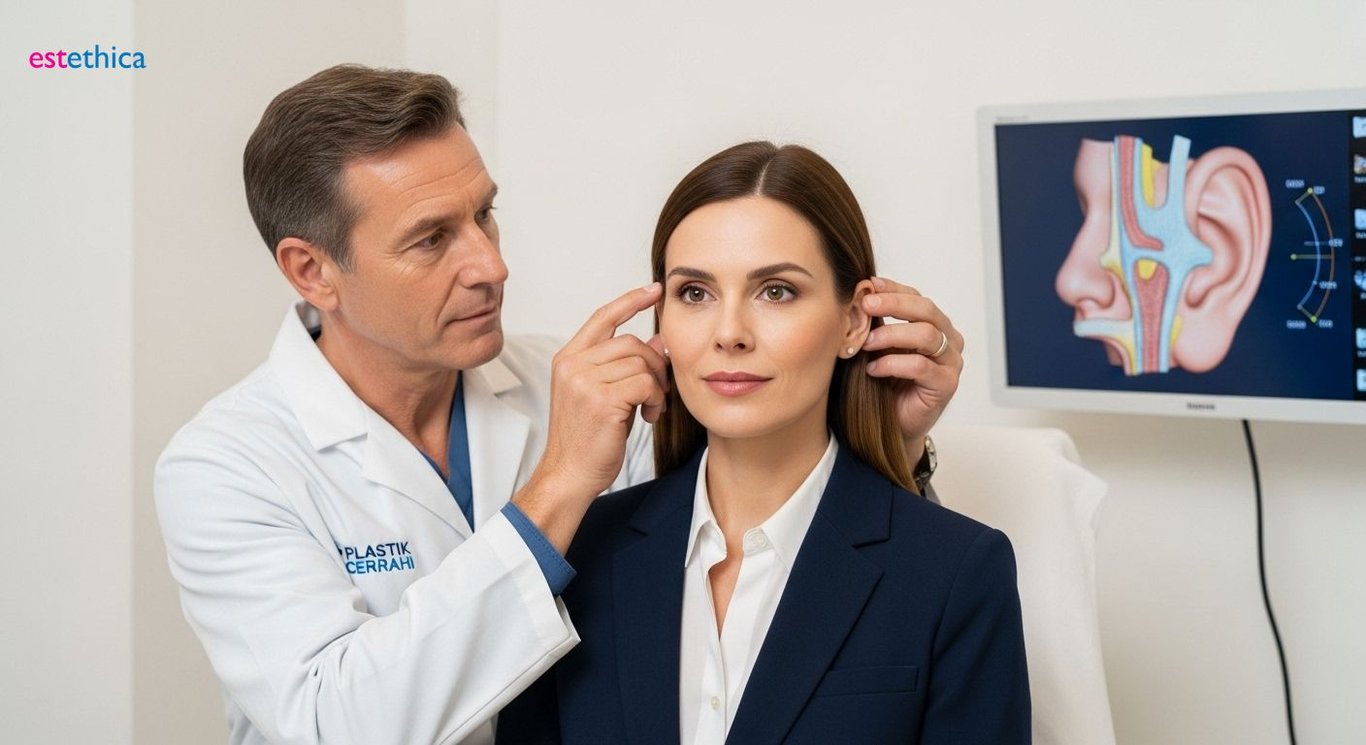
Otoplasty is a versatile procedure suitable for various age groups, each presenting unique considerations. For children, addressing prominent ears early can prevent potential psychological distress during their formative years. Ergenler, özgüvenlerini artırmak ve akranlarına uyum sağlamak için sıklıkla kepçe kulak ameliyatı olmayı düşünebilirler. Adults may opt for the surgery to correct long-standing cosmetic concerns or address age-related changes in ear appearance. Understanding these age-specific needs is crucial for tailoring the surgical approach and ensuring patient satisfaction. Kulak estetiği, görünümünü iyileştirmek isteyen her yaştan birey için etkili bir çözüm olabilir.
- Children: Early intervention to prevent psychological distress.
- Teenagers: Improvement of self-esteem and social integration.
- Adults: Correction of cosmetic concerns and age-related changes.
For instance, a seven-year-old might undergo otoplasty before starting school to avoid potential teasing from classmates, boosting their confidence. A teenager preparing for college may choose the procedure to feel more comfortable in social settings and improve their self-image. An adult might decide to correct ear asymmetry that has bothered them for years, enhancing their overall facial harmony. Bu örnekler, otoplastinin farklı yaş gruplarındaki hastaların çeşitli ihtiyaç ve beklentilerini karşılayacak şekilde nasıl uyarlanabileceğini göstermektedir. It's estimated that approximately 85% of otoplasty patients experience a significant improvement in their self-confidence following the procedure, underscoring its positive impact on psychological well-being.
Long-Term Benefits of Early Otoplasty Intervention
Early intervention with otoplasty can provide significant long-term benefits, particularly for children. Correcting prominent ears before they enter school can prevent potential teasing and bullying, fostering a positive self-image during crucial developmental years. This early intervention can lead to increased self-confidence, better social interactions, and improved overall psychological well-being. The procedure's lasting results ensure that these benefits extend into adulthood, contributing to a higher quality of life. By addressing cosmetic concerns early, individuals can avoid years of self-consciousness and anxiety related to their appearance.
- Preventing Bullying: Reducing the risk of teasing and social isolation.
- Boosting Self-Esteem: Fostering a positive self-image from a young age.
- Improving Social Interactions: Encouraging confidence in social settings.
For example, a child who undergoes otoplasty at age six may enter school with greater self-assurance, participating more actively in class and social activities. A teenager who has the procedure before high school graduation might feel more comfortable attending social events and forming relationships. An adult who had otoplasty as a child may experience lasting benefits in their professional and personal life, feeling more confident and self-assured. Studies suggest that individuals who undergo cosmetic surgery during childhood or adolescence report higher levels of life satisfaction and self-esteem in adulthood, emphasizing the long-term positive impact of early intervention. Kulak estetiği ameliyatının amacı, genel yüz uyumunu iyileştirmek ve hastanın özgüvenini artırmaktır.

Beyond Aesthetics: How Ear Reconstruction Can Restore Form and Function
Restoring Auditory Function and Balance
Ear reconstruction extends beyond mere aesthetic enhancement, playing a pivotal role in restoring essential auditory functions and balance. The complex structure of the ear is designed to capture and process sound waves, enabling accurate sound localization and spatial awareness. When the ear is damaged or malformed due to trauma or congenital defects, these functions can be severely impaired. Reconstructive surgery aims to restore the ear's natural shape and structure, thereby improving its ability to capture and transmit sound effectively. This can significantly enhance a person's hearing capabilities and overall quality of life.
- Sound Localization: Improving the ability to determine the direction and distance of sounds.
- Balance Maintenance: Restoring the ear's contribution to the body's equilibrium.
- Hearing Enhancement: Optimizing the ear's ability to capture and process sound waves.
For example, an individual who has lost part of their ear due to an accident might struggle to pinpoint the source of sounds, making it difficult to navigate their environment safely. Another case involves children born with microtia, a congenital condition where the ear is underdeveloped; reconstructive surgery can create a more functional ear, improving their hearing and speech development. Additionally, restoring the ear's natural shape can positively impact the vestibular system, which plays a crucial role in maintaining balance. Studies indicate that approximately 60% of patients undergoing ear reconstruction experience noticeable improvements in their auditory functions, underscoring the functional benefits of the procedure. Kulak estetiği ameliyatının amacı, yüzün genel uyumunu iyileştirmek ve hastanın özgüvenini artırmaktır.
Psychological and Social Reintegration
The psychological and social benefits of ear reconstruction are profound, particularly for individuals who have experienced trauma or were born with congenital defects. Reconstructing the ear can significantly improve self-esteem and body image, leading to greater confidence in social settings. Individuals who have felt self-conscious or stigmatized due to their appearance often experience a renewed sense of normalcy and acceptance. This can lead to improved social interactions, increased participation in community activities, and a higher overall quality of life. The ability to restore a natural appearance can be transformative, allowing individuals to reintegrate into society with greater ease and self-assurance.
- Improved Self-Esteem: Enhancing body image and self-confidence.
- Social Reintegration: Facilitating easier social interactions and community participation.
- Psychological Well-Being: Reducing feelings of self-consciousness and stigmatization.
For example, a veteran who has lost part of their ear in combat might undergo reconstruction to feel more comfortable in civilian life, reducing the emotional distress associated with their injury. A child born with a severe ear deformity can benefit from reconstructive surgery to avoid potential bullying and improve their self-image during formative years. An adult who has experienced skin cancer removal from the ear might choose reconstruction to restore a natural appearance, enhancing their overall sense of well-being. Research suggests that individuals who undergo reconstructive surgery often report a significant reduction in anxiety and depression, highlighting the positive impact on mental health. Kulak kepçesi estetiğinin amacı, genel yüz uyumunu iyileştirmek ve hastanın özgüvenini artırmaktır.
Precision Otoplasty: Surgical and Non-Surgical Techniques for Enhanced Ear Reshaping
estethica employs advanced surgical otoplasty techniques, including cartilage reshaping and repositioning, to create natural-looking ear contours. Non-surgical options, such as ear splinting and molding, are also utilized, particularly for early intervention in infants, ensuring a comprehensive approach to ear reshaping.
estethica's plastic surgeons specialize in otoplasty for all ages, addressing concerns from children to adults with tailored surgical approaches. Their expertise ensures that each patient receives personalized care, optimizing aesthetic outcomes and psychological well-being.
Comprehensive Care: From Initial Consultation to Post-Operative Support
estethica prioritizes patient safety and satisfaction through a transparent and accessible healthcare environment. The hospital offers 24/7 availability, ensuring patients receive continuous support throughout their treatment journey.
Patients at estethica experience enhanced self-confidence and social reintegration following ear reconstruction, thanks to improved body image and reduced self-consciousness. The hospital's commitment to excellence is evident in its state-of-the-art facilities and dedicated patient support services.
Frequently Asked Questions
What is Otoplasty and who is a good candidate for ear surgery?
What are the different types of ear surgery techniques available?
At what age is it appropriate to consider Otoplasty for children?
What are the benefits of ear reconstruction beyond aesthetic improvements?
What is the recovery process like after undergoing ear pinning or reshaping surgery?
Achieve your aesthetic goals with estethica's expert guidance.
📞 Schedule Your Free Consultation!