


Discover the ultimate guide to beard transplants, where confidence meets facial perfection. Learn more today!
Embarking on the journey of restoring facial hair is not just about changing your appearance, it's about enhancing your confidence. Beard transplants offer a permanent solution for those desiring a fuller beard, addressing issues like patchiness or the natural inability to grow facial hair. In this expert guide, we explore the essential aspects of beard transplantation, from understanding the procedures to the aftercare needed for your new beard. We'll also delve into the best techniques available, seasonal care tips, and what you can expect before and after the procedure, ensuring you make an informed decision.
Understanding Beard Transplantation: A Comprehensive Overview
Exploring Beard Transplant Techniques
Beard transplantation is a transformative procedure that enhances facial aesthetics by transplanting hair follicles from the scalp to the face. This method is particularly beneficial for individuals experiencing genetic baldness or patchy facial hair. The process involves advanced techniques such as Follicular Unit Extraction (FUE) and Direct Hair Implantation (DHI), which ensure precise and natural-looking results. These techniques are similar to those used in traditional hair transplants, offering a reliable solution for facial hair restoration.
Key Benefits of Beard Transplantation
- Enhanced facial symmetry and aesthetics, boosting self-confidence.
- Permanent solution for patchy or thin facial hair.
- Minimal scarring due to advanced techniques like FUE and DHI.
Understanding the benefits of beard transplantation can help individuals set realistic expectations and prepare for the procedure. For more insights, you can discover the secrets of successful beard transplants.
Understanding the Beard Transplant Process
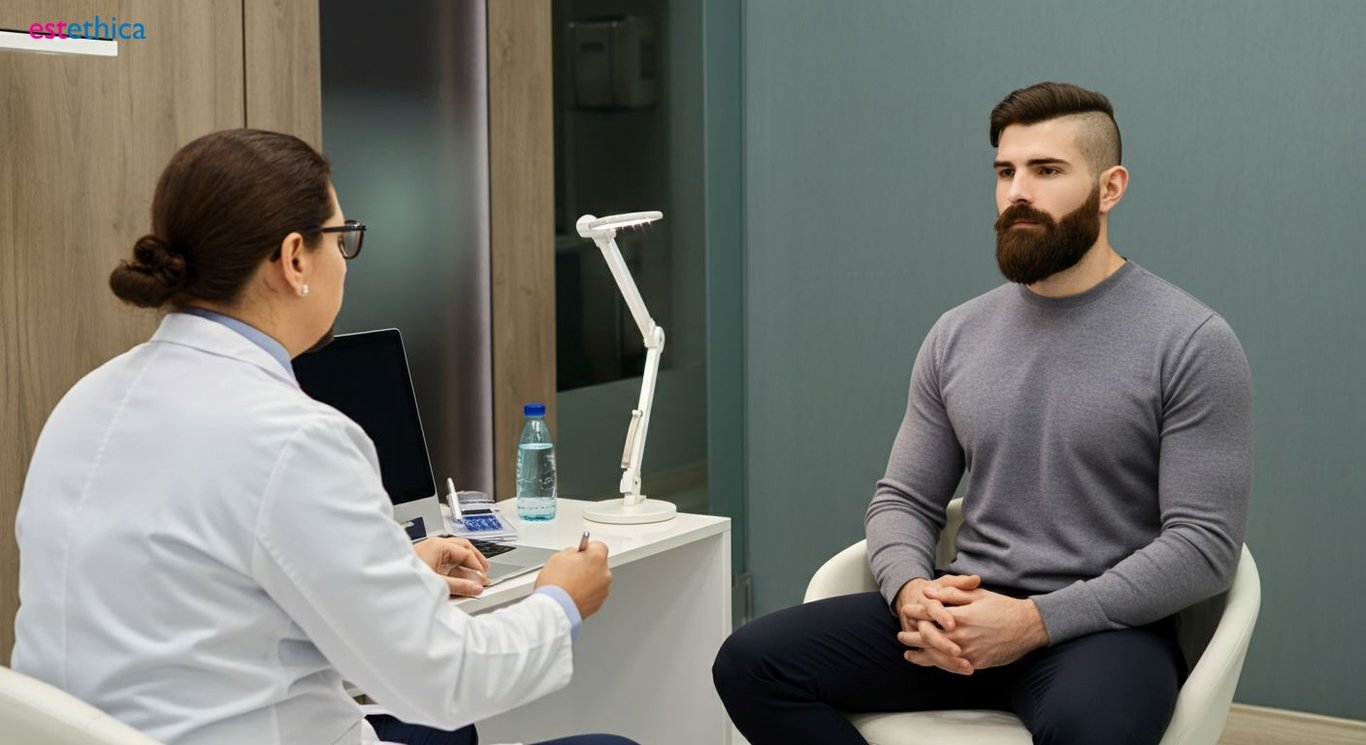
- Consultation: Assessing facial hair needs and determining the best approach.
- Harvesting: Extracting hair follicles from the donor area, typically the scalp.
- Implantation: Carefully placing follicles in the desired facial areas for natural growth.
The process of beard transplantation is meticulous, ensuring that each follicle is placed to achieve the most natural appearance. This attention to detail is crucial for successful outcomes in facial hair surgery.
Exploring the Best Beard Transplant Techniques
Advanced Techniques for Natural Beard Restoration
Beard implants have revolutionized facial hair restoration, offering natural-looking results through advanced techniques. The Follicular Unit Extraction (FUE) method meticulously extracts individual hair follicles, ensuring minimal scarring and a seamless appearance. This technique is ideal for those seeking a permanent solution to patchy facial hair.
Direct Hair Implantation (DHI) takes beard hair surgery a step further by using a specialized tool to implant hairs directly, eliminating the need for pre-made holes. This method enhances precision and reduces recovery time, making it a preferred choice for many.
Factors Influencing Beard Transplant Success
- Donor Hair Quality: Healthy scalp hair ensures successful facial hair transplant outcomes.
- Surgeon's Expertise: Skilled professionals enhance the natural appearance of the beard.
- Post-Procedure Care: Proper care accelerates healing and promotes optimal growth.
Understanding these factors can help individuals achieve the best results from their beard growth surgery, ensuring a fuller and more aesthetically pleasing beard.
- Consultation: Tailoring the approach to individual facial hair needs.
- Extraction: Carefully harvesting follicles for minimal damage.
- Implantation: Strategically placing follicles for natural growth patterns.
These steps highlight the meticulous nature of facial hair surgery, emphasizing the importance of precision in achieving a natural-looking beard.
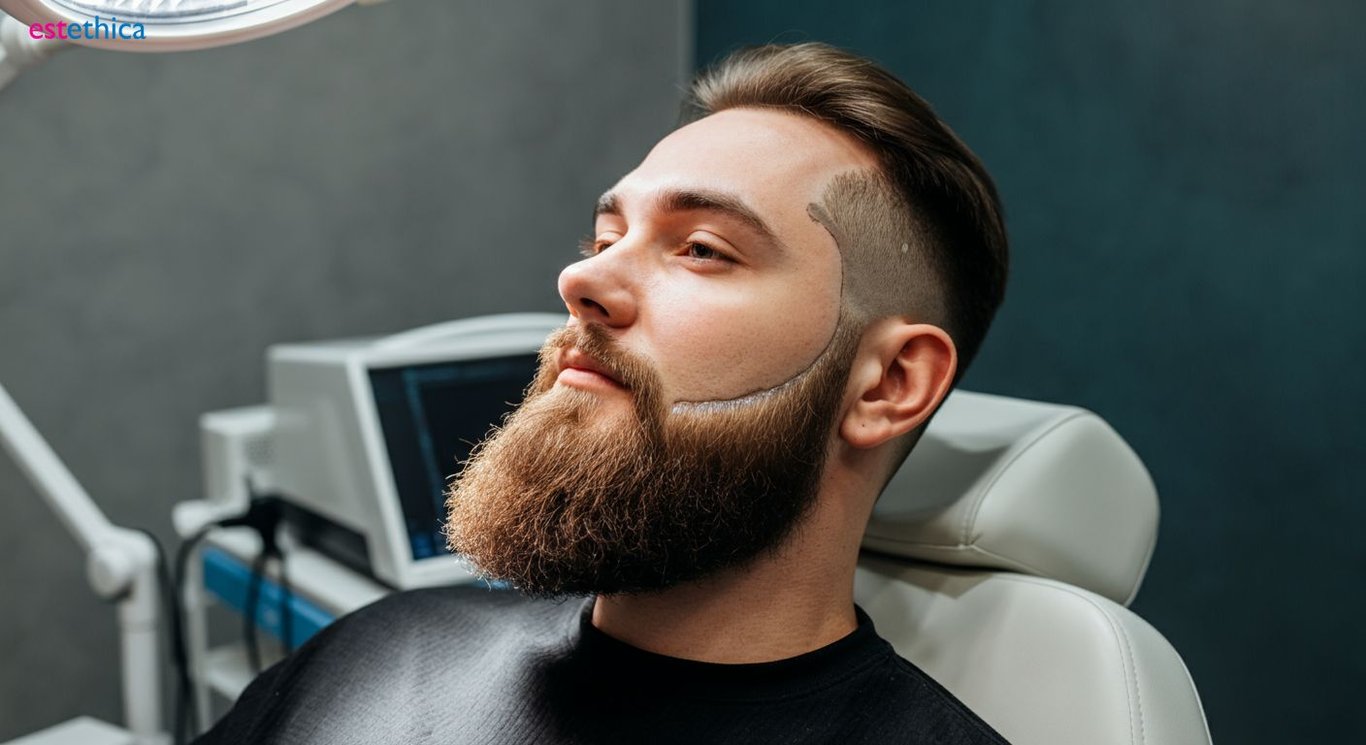
What to Expect: Beard Transplant Before and After
Pre-Transplant Consultation and Design
Before a beard transplant, candidates engage in a detailed consultation to discuss their desired outcomes and design preferences. This stage is crucial for setting realistic expectations and ensuring the chosen beard style complements the individual's facial structure. The quality of donor hair is also assessed to ensure successful grafting. For instance, a candidate with dense scalp hair may achieve a more natural look compared to someone with finer hair. This consultation phase is vital for tailoring the procedure to each individual's unique needs.
Post-Transplant Care and Recovery
- Adhering to hygiene routines is essential for preventing infections and promoting healing.
- Initial swelling and redness are common but typically subside within a few days.
- Following clinic instructions ensures optimal results and a fuller beard appearance.
Proper post-transplant care is integral to the success of the procedure. Patients are advised to follow specific hygiene routines to prevent infections and promote healing. Initial swelling and redness are common but usually subside within a few days. By adhering to the clinic's aftercare instructions, recipients can expect to see a fuller, more aesthetically pleasing beard within months. This commitment to post-procedural care significantly influences the overall success of facial hair surgery.
- Consultation: Discussing expectations and designing the beard.
- Procedure: Transplanting hair follicles to the facial area.
- Recovery: Following aftercare instructions for optimal results.
The journey from consultation to recovery involves several critical steps. Initially, the consultation helps tailor the procedure to individual needs. During the procedure, hair follicles are carefully transplanted to the desired facial areas. Finally, the recovery phase requires strict adherence to aftercare instructions to ensure the best possible outcome. This structured approach is essential for achieving a natural and satisfying result in beard implants.
Seasonal Care Tips for Your New Beard
Adapting Beard Care for Different Seasons
Seasonal changes can significantly impact the health of your beard, necessitating adjustments in your grooming routine. During summer, increased UV exposure can damage beard hair, making a conditioner with SPF essential. This protects against sun damage, ensuring your beard remains healthy and vibrant. In contrast, winter's cold air can lead to dryness and brittleness, requiring additional hydration. Using a nourishing beard oil can combat these effects, keeping your beard soft and manageable.
Understanding Beard Transplant Costs
- Cost varies based on the clinic's location and reputation.
- Procedure complexity influences overall expenses.
- Post-operative care and follow-ups may add to the cost.
While the cost of a beard transplant can vary, understanding the factors that influence pricing can help in planning. The clinic's location and reputation, the complexity of the procedure, and additional post-operative care all contribute to the overall expense. It's crucial to consider these elements when evaluating potential clinics for your facial hair restoration needs.
- Summer: Use SPF-infused products to protect against UV damage.
- Winter: Increase hydration with oils to prevent dryness.
- Year-round: Regular grooming and exfoliation maintain beard health.
Adapting your beard care routine to seasonal changes ensures your beard remains healthy and well-groomed throughout the year. By incorporating SPF products in summer and hydrating oils in winter, you can protect your beard from environmental stressors. Regular grooming and exfoliation further enhance beard health, providing both protection and nourishment year-round.
Advanced Beard Transplant Techniques for Natural Results
Excellence in Beard Transplantation Process and Outcomes
Frequently Asked Questions
What is a beard transplant and how does it work?
What are the best beard transplant techniques available?
What should I expect before and after a beard transplant?
How does seasonal care affect my new beard after a transplant?
What factors influence the success of a beard transplant?
Discover the path to 'Healthy Beauty' with estethica's expert care. Call now for your free consultation and step into a world of advanced aesthetic solutions.
📞 Schedule Your Free Consultation Today!