


Explore tummy tuck procedures to reclaim your post-pregnancy body with confidence. Understand surgery, costs, recovery for a smooth sculpting journey.
After pregnancy, many women struggle with the changes in their body, notably the abdominal area. Abdominoplasty, commonly known as a tummy tuck, offers a solution to regain a toned and firm abdomen. This procedure not only improves physical appearance but also boosts self-confidence. In this comprehensive guide, we will explore various tummy tuck techniques, determine who is a suitable candidate, understand what to expect during surgery, and navigate the recovery process.
Tummy Tuck Techniques: Understanding Your Body Contouring Options
Customizing Abdominoplasty: Matching Technique to Patient Needs
Abdominoplasty, commonly known as a Tummy Tuck, isn't a one-size-fits-all procedure. The variety of techniques available allows plastic surgeons to tailor the surgery to each patient's unique anatomy and aesthetic goals. This customization is crucial for achieving optimal results that look natural and complement the individual's overall body shape. Whether it's addressing minimal skin laxity or significant muscle repair, the chosen technique plays a pivotal role in the outcome of the surgery.
For instance, a patient with mild excess skin below the navel might benefit most from a mini Tummy Tuck, which focuses on this specific area. Conversely, someone with substantial loose skin and separated abdominal muscles following pregnancy may require a full abdominoplasty. The decision-making process involves a thorough assessment of the patient's condition, considering factors like skin elasticity, fat distribution, and the degree of muscle separation. Selecting the right approach ensures that the Tummy Tuck Surgery effectively addresses the patient's concerns while minimizing the extent of the surgical intervention.
- Mini Tummy Tuck: Ideal for patients with minimal skin laxity below the navel, involving a smaller incision and shorter recovery.
- Full Tummy Tuck: Addresses significant skin laxity, muscle separation, and excess fat throughout the entire abdomen.
- Extended Tummy Tuck: Extends the incision to the flanks, addressing excess skin and fat in the hips and lower back for comprehensive body contouring.
The Role of Muscle Repair in Abdominoplasty
A key component of many Abdominoplasty procedures is muscle repair, specifically addressing diastasis recti—the separation of abdominal muscles. This condition often occurs due to pregnancy or significant weight fluctuations, leading to a weakened core and a protruding abdomen. During a Tummy Tuck, the surgeon can tighten these separated muscles, restoring core strength and creating a flatter, more toned appearance. This muscle repair not only improves the aesthetic outcome but also enhances functional strength and stability.
Consider a woman who has had multiple pregnancies and experiences persistent lower back pain due to weakened abdominal muscles. A Tummy Tuck with muscle repair can alleviate this pain by providing structural support to the spine. Similarly, individuals who have lost a significant amount of weight may find that their abdominal muscles have stretched and weakened, contributing to a "pooch" that diet and exercise alone cannot fix. In these cases, abdominoplasty offers a surgical solution to restore muscle tone and improve overall body contour. The effectiveness of muscle repair contributes significantly to patient satisfaction following Tummy Tuck Surgery.
- Assessment: The surgeon evaluates the degree of muscle separation through physical examination and imaging.
- Surgical Repair: Separated muscles are brought back together and secured with sutures to create a tighter abdominal wall.
- Functional Improvement: Patients often experience improved core strength, posture, and reduced back pain following muscle repair.
Am I a Candidate? Assessing Your Suitability for a Tummy Tuck
Key Indicators for Abdominoplasty Consideration
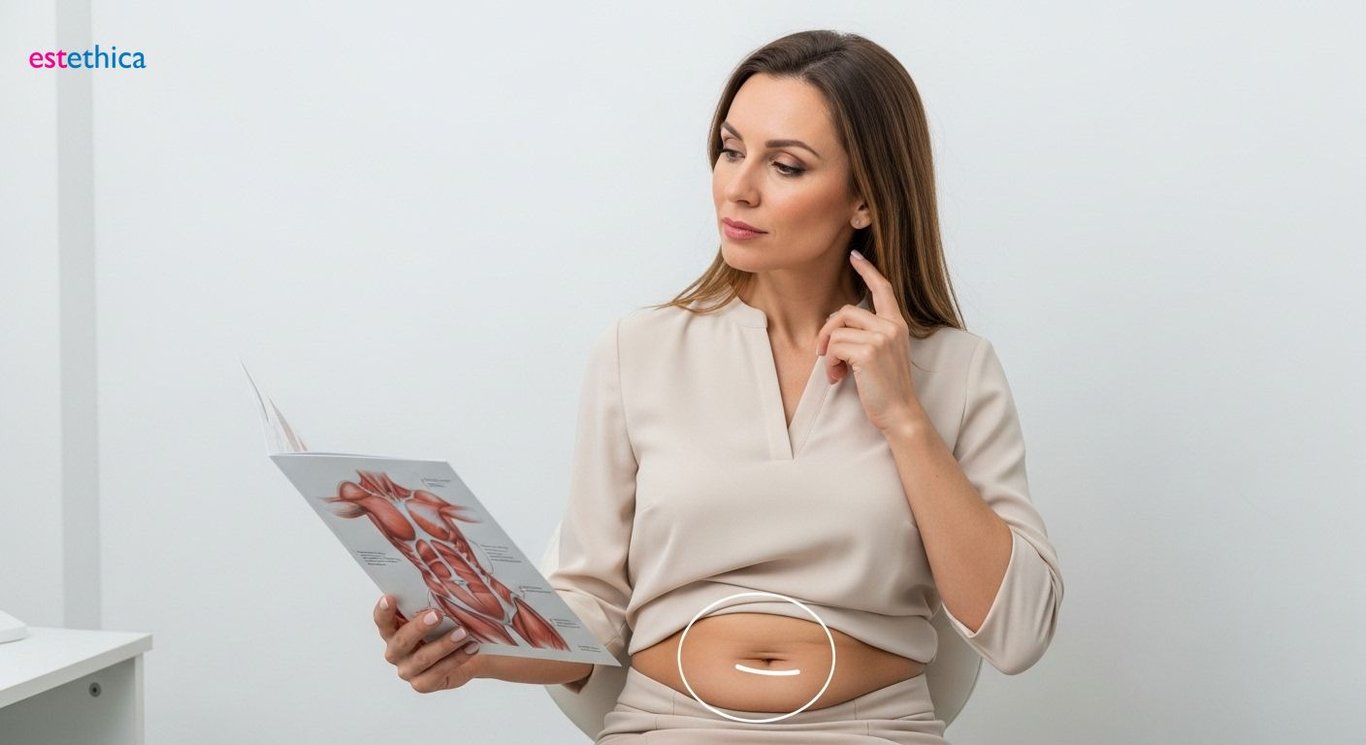
Determining if you are a good candidate for a Tummy Tuck involves assessing several factors related to your physical health, lifestyle, and aesthetic goals. Ideal candidates often include individuals who have experienced significant changes in their body, such as post-pregnancy mothers or those who have lost a substantial amount of weight. These changes can result in excess skin and weakened abdominal muscles that do not respond to traditional methods like diet and exercise. However, being a suitable candidate goes beyond just having these physical characteristics.
For example, consider a woman who has had multiple pregnancies and is left with stretched abdominal skin and muscle separation, or a man who has successfully lost a significant amount of weight but is now dealing with excess, sagging skin. In both cases, a Tummy Tuck could be a viable option to restore a smoother, firmer abdominal profile. Moreover, individuals who are in good overall health, do not smoke, and have realistic expectations about what the surgery can achieve are typically considered good candidates for this procedure. About 70% of patients who undergo abdominoplasty report a significant improvement in their body image and self-esteem.
- Excess Abdominal Skin: Ideal candidates have noticeable loose skin that detracts from their abdominal appearance.
- Weakened Muscles: Individuals with separated or weakened abdominal muscles that cause a bulge or lack of core strength.
- Localized Fat Deposits: Those with stubborn fat that persists despite diet and exercise, often addressed with liposuction during the Tummy Tuck.
Health and Lifestyle Factors for Tummy Tuck Surgery
Beyond the physical aspects, certain health and lifestyle factors play a critical role in determining your suitability for Tummy Tuck Surgery. Being in good general health is paramount, as it reduces the risk of complications during and after the procedure. Non-smokers are generally preferred because smoking can impair blood flow and delay the healing process, potentially leading to poor scarring and other complications. Additionally, it's important to have a stable weight, as significant fluctuations can affect the long-term results of the surgery.
For instance, a person with a chronic condition like diabetes or heart disease may need to have their condition well-managed before considering a Tummy Tuck. Similarly, someone who is planning to lose a significant amount of weight should postpone the surgery until they have reached their target weight and maintained it for several months. Realistic expectations are also crucial; while a Tummy Tuck can dramatically improve the abdominal contour, it is not a weight loss solution or a substitute for a healthy lifestyle. In fact, studies show that patients with realistic expectations tend to be more satisfied with their results post-Tummy Tuck. Therefore, a thorough consultation with a qualified plastic surgeon is essential to assess your individual circumstances and determine if a Tummy Tuck is the right choice for you.
- Medical Evaluation: A comprehensive health assessment to identify any underlying conditions that could affect surgery or recovery.
- Smoking Cessation: Quitting smoking several weeks before surgery to improve blood flow and healing.
- Weight Stability: Maintaining a stable weight for at least six months prior to surgery to ensure lasting results.
Tummy Tuck Surgery: What to Expect During the Procedure
Navigating the Abdominoplasty Procedure: A Step-by-Step Overview
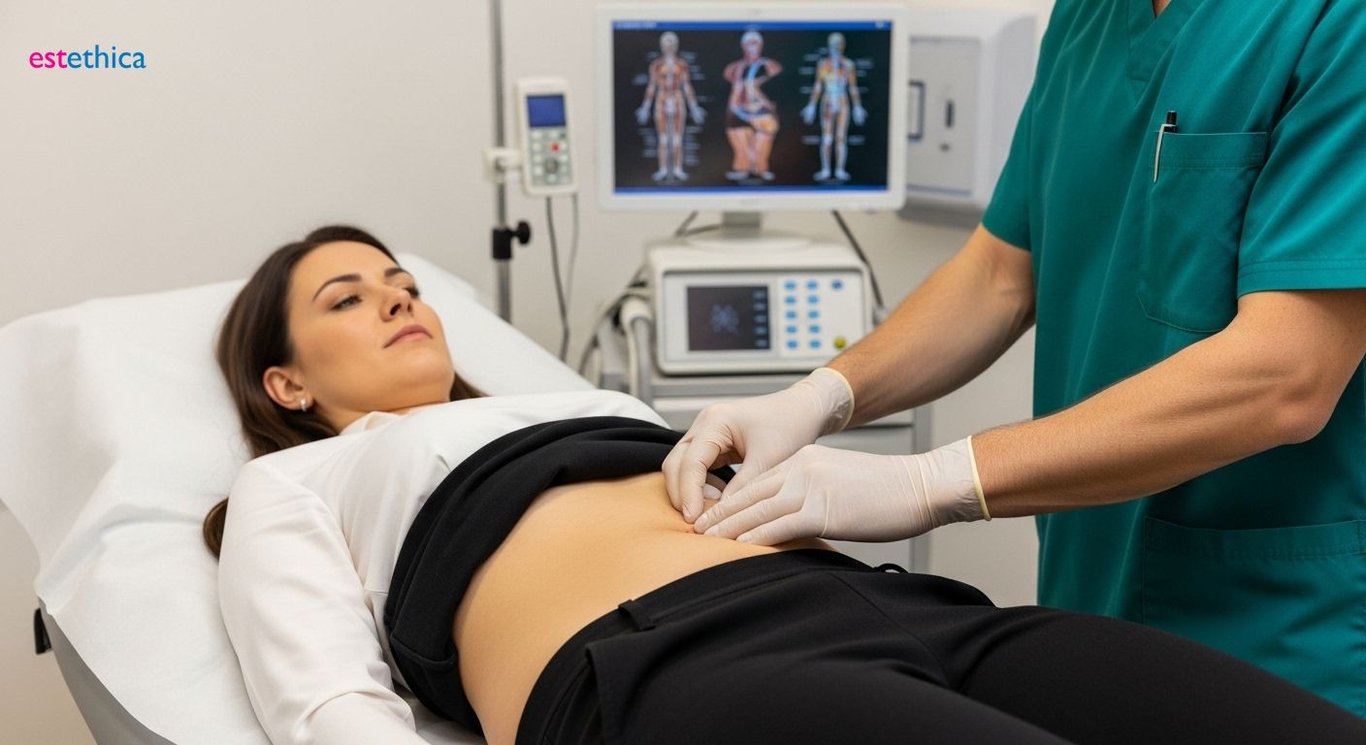
Undergoing a Tummy Tuck Surgery can be a transformative experience. The procedure typically begins with the administration of anesthesia, ensuring the patient is comfortable and pain-free throughout the operation. Once the anesthesia takes effect, the surgeon makes an incision, the location and length of which depend on the specific Tummy Tuck technique being used. This incision allows the surgeon to access the abdominal muscles and underlying tissues, setting the stage for the core components of the surgery.
For example, in a full abdominoplasty, the incision is usually made from hip to hip, just above the pubic area. The surgeon then lifts the skin and fat layer to expose the abdominal muscles, which are tightened and repaired if necessary. Excess skin is removed, and the remaining skin is re-draped to create a smoother, firmer abdominal contour. The navel may also be repositioned to ensure a natural-looking result. Approximately 85% of patients report satisfaction with the aesthetic outcome of their Tummy Tuck.
- Anesthesia Administration: Ensuring patient comfort and pain management throughout the surgical procedure.
- Incision Placement: Strategic incision based on the chosen technique, allowing access to abdominal muscles and tissues.
- Skin Redraping: Smoothing and securing the skin to achieve a firmer, more contoured abdominal appearance.
Duration and Key Stages of Abdominoplasty
The duration of a Tummy Tuck can vary, typically ranging from two to five hours, depending on the extent of the surgery and the specific techniques employed. The procedure involves several key stages, including the initial incision, muscle repair (if needed), liposuction to remove excess fat, skin redraping, and closure of the incision. Each of these stages is critical to achieving the desired aesthetic outcome and ensuring patient safety. The surgeon's skill and experience play a significant role in the efficiency and precision of each step.
Consider a patient undergoing a Tummy Tuck combined with liposuction to remove stubborn fat deposits around the flanks. This combination procedure may take longer than a standard abdominoplasty but can yield more comprehensive body contouring results. Similarly, a patient requiring extensive muscle repair may also experience a longer surgical time. The final stage involves closing the incision with sutures and applying dressings to protect the area during the initial healing phase. On average, surgeons remove between two to five pounds of excess skin and fat during a Tummy Tuck.
- Incision and Tissue Access: The surgeon makes an incision to access and manipulate the underlying abdominal tissues.
- Muscle Repair and Liposuction: Muscles are tightened, and excess fat is removed to enhance abdominal contour.
- Skin Redraping and Closure: The skin is smoothed, excess is trimmed, and the incision is closed with sutures.

Navigating Tummy Tuck Recovery: A Comprehensive Guide
Immediate Post-Op Care Following Abdominoplasty
The initial days after a Tummy Tuck are crucial for a smooth and successful recovery. Patients typically experience discomfort, swelling, and bruising, which are managed with prescribed pain medication and diligent wound care. Proper bandaging and compression garments are essential to minimize swelling and support the healing tissues. During this period, limited mobility is common, and patients need assistance with daily activities.
For instance, consider a patient who undergoes a full abdominoplasty. They will need help getting in and out of bed, preparing meals, and attending to personal hygiene. The use of compression garments helps to reduce fluid buildup and promote skin retraction, contributing to a better aesthetic outcome. Regular follow-up appointments with the surgeon are necessary to monitor the healing process and address any concerns. Following these guidelines closely can significantly reduce the risk of complications and enhance the overall recovery experience. It is observed that patients who adhere strictly to post-operative care instructions report higher satisfaction rates.
- Pain Management: Prescribed medication and comfort measures to alleviate discomfort.
- Wound Care: Keeping the incision clean and dry to prevent infection.
- Compression Garments: Wearing supportive garments to minimize swelling and support healing tissues.
Long-Term Recovery and Lifestyle Adjustments After Tummy Tuck Surgery
As the initial recovery phase progresses, patients gradually regain mobility and can resume light activities. However, it's essential to avoid strenuous exercises and heavy lifting for several weeks to prevent complications and ensure proper healing. Lifestyle adjustments, such as maintaining a healthy diet and engaging in gentle exercises, can help to optimize the long-term results of the Tummy Tuck. Scar management techniques, like massage and topical treatments, can also improve the appearance of the incision over time.
For example, a patient who enjoys running should wait until cleared by their surgeon before resuming their exercise routine, starting with light walking and gradually increasing intensity. Similarly, incorporating a balanced diet rich in protein and vitamins can support tissue repair and promote overall well-being. Consistent scar massage can help to break down scar tissue and improve skin texture. These adjustments not only contribute to the aesthetic outcome but also enhance the patient's overall quality of life. Studies indicate that long-term adherence to a healthy lifestyle can prolong the benefits of abdominoplasty.
- Gradual Activity Resumption: Slowly reintroducing physical activities to avoid strain and promote healing.
- Healthy Lifestyle Maintenance: Adopting a balanced diet and exercise routine for long-term results.
- Scar Management: Utilizing massage and topical treatments to improve scar appearance.
Advanced Muscle Repair Techniques in Abdominoplasty
estethica employs advanced muscle repair techniques during abdominoplasty to address diastasis recti, commonly caused by pregnancy or significant weight fluctuations. This involves meticulously bringing separated abdominal muscles back together and securing them with sutures, effectively restoring core strength and creating a flatter, more toned appearance.
estethica’s plastic surgeons are highly skilled in various abdominoplasty techniques, ensuring personalized treatment plans tailored to each patient's unique anatomy and aesthetic goals. Their expertise extends to mini, full, and extended tummy tuck procedures, allowing for comprehensive body contouring and optimal results.
Patient-Centric Approach to Tummy Tuck Recovery and Long-Term Results
estethica prioritizes patient safety and comfort throughout the tummy tuck journey, from the initial consultation to post-operative care. Diligent wound care, pain management, and the use of compression garments are integral to minimizing swelling and supporting healing tissues, ensuring a smooth and successful recovery.
estethica is dedicated to helping patients achieve their desired aesthetic outcomes and improve their overall quality of life through personalized abdominoplasty procedures. By combining advanced surgical techniques with a focus on long-term results and patient satisfaction, estethica delivers transformative experiences.
Frequently Asked Questions
What is a Tummy Tuck (Abdominoplasty) and what does it address?
What are the different types of Tummy Tuck techniques available?
Am I a good candidate for Tummy Tuck Surgery?
What is the typical Tummy Tuck Recovery process like?
Does a Tummy Tuck address muscle repair, and how does this impact the results?
Achieve your aesthetic goals with estethica's personalized approach and expert care.
📞 Schedule Your Free Consultation!