

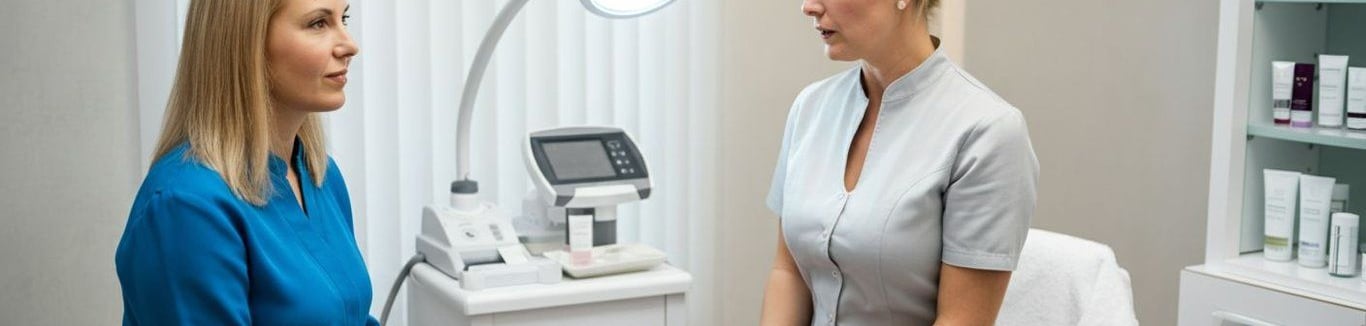
Reveal your skin's true radiance with advanced cosmetic dermatology treatments that rejuvenate and restore.
Discover how cosmetic dermatology can transform your skin, providing a radiant and youthful appearance. This guide explores effective treatments and essential tips to enhance your skincare routine.
Understanding Cosmetic Dermatology: A Beginner's Guide
What is Cosmetic Dermatology?
Cosmetic dermatology focuses on enhancing the appearance of the skin, addressing issues like wrinkles, scars, and pigmentation. It involves various procedures aimed at skin rejuvenation and anti-aging treatments. For instance, laser therapy can improve skin texture by targeting damaged skin layers, promoting collagen production. Another popular procedure is Botox, which temporarily reduces facial wrinkles, offering a smoother appearance. Understanding these treatments helps individuals make informed decisions about their skin care needs.
Common Procedures in Cosmetic Dermatology
- Laser Skin Resurfacing: Enhances skin texture and tone by removing damaged skin layers.
- Dermal Fillers: Add volume to the skin, reducing the appearance of fine lines and wrinkles.
- Chemical Peels: Improve skin texture and clarity by exfoliating the outer skin layers.
These procedures are widely available at leading cosmetic dermatology clinics, offering personalized solutions for various skin concerns.
Benefits of Cosmetic Dermatology
- Enhanced Appearance: Procedures like facials and fillers provide a youthful glow.
- Boosted Confidence: Improved skin appearance can lead to increased self-esteem.
- Long-term Skin Health: Regular treatments can prevent future skin issues.
By understanding the benefits, individuals can choose treatments that align with their personal goals and skin care needs.
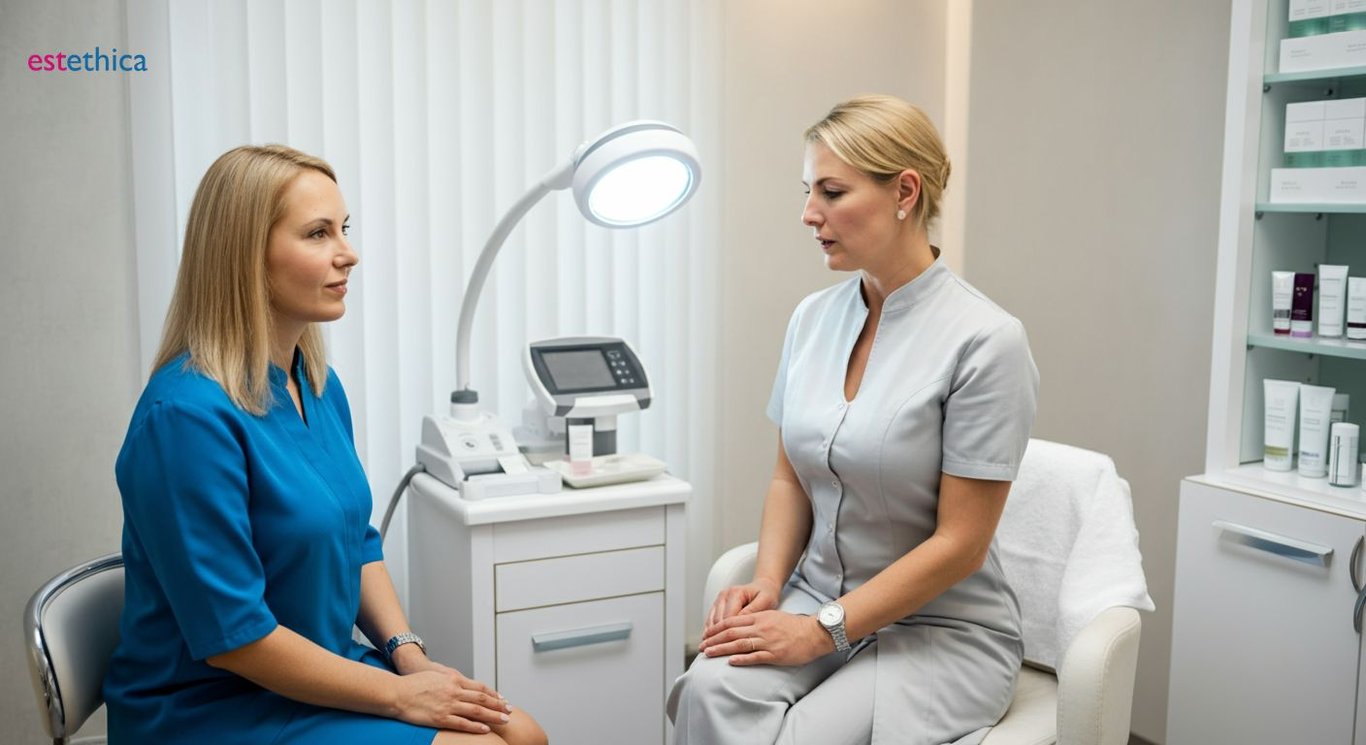
Top Skin Rejuvenation Techniques for Youthful Glow
Advanced Laser Treatments for Skin Rejuvenation
Laser treatments have revolutionized the field of cosmetic dermatology, offering effective solutions for skin rejuvenation. These treatments work by targeting specific skin layers, promoting collagen production and improving skin texture. For example, fractional laser therapy can address fine lines and wrinkles, while ablative lasers are ideal for treating deeper scars and pigmentation issues. A study found that laser treatments can enhance skin elasticity by up to 25%, making them a popular choice for those seeking a youthful glow.
Exploring Non-Surgical Facelift Options
Non-surgical facelift options are gaining traction as effective anti-aging treatments. Techniques like ultrasound therapy and radiofrequency treatments stimulate collagen production without invasive procedures. These methods offer a natural lift to the skin, reducing sagging and enhancing facial contours. For instance, ultrasound therapy can improve skin firmness by 30% over several sessions. These options are ideal for individuals looking to rejuvenate their appearance without undergoing surgery.
Benefits of Laser Skin Treatments
- Improved Skin Texture: Laser treatments can smooth out rough skin surfaces.
- Reduced Pigmentation: Targeted lasers help lighten dark spots and even out skin tone.
- Enhanced Collagen Production: Stimulates natural collagen, leading to firmer, more youthful skin.
These benefits make laser treatments a preferred choice for those seeking comprehensive skin rejuvenation.
Steps in a Laser Skin Treatment Process
- Consultation: A dermatologist assesses skin type and concerns to tailor the treatment.
- Treatment Session: The laser is applied to targeted areas, stimulating skin renewal.
- Post-Treatment Care: Patients receive guidance on skincare to enhance results and recovery.
Understanding the process helps individuals prepare for and maximize the benefits of laser skin treatments.
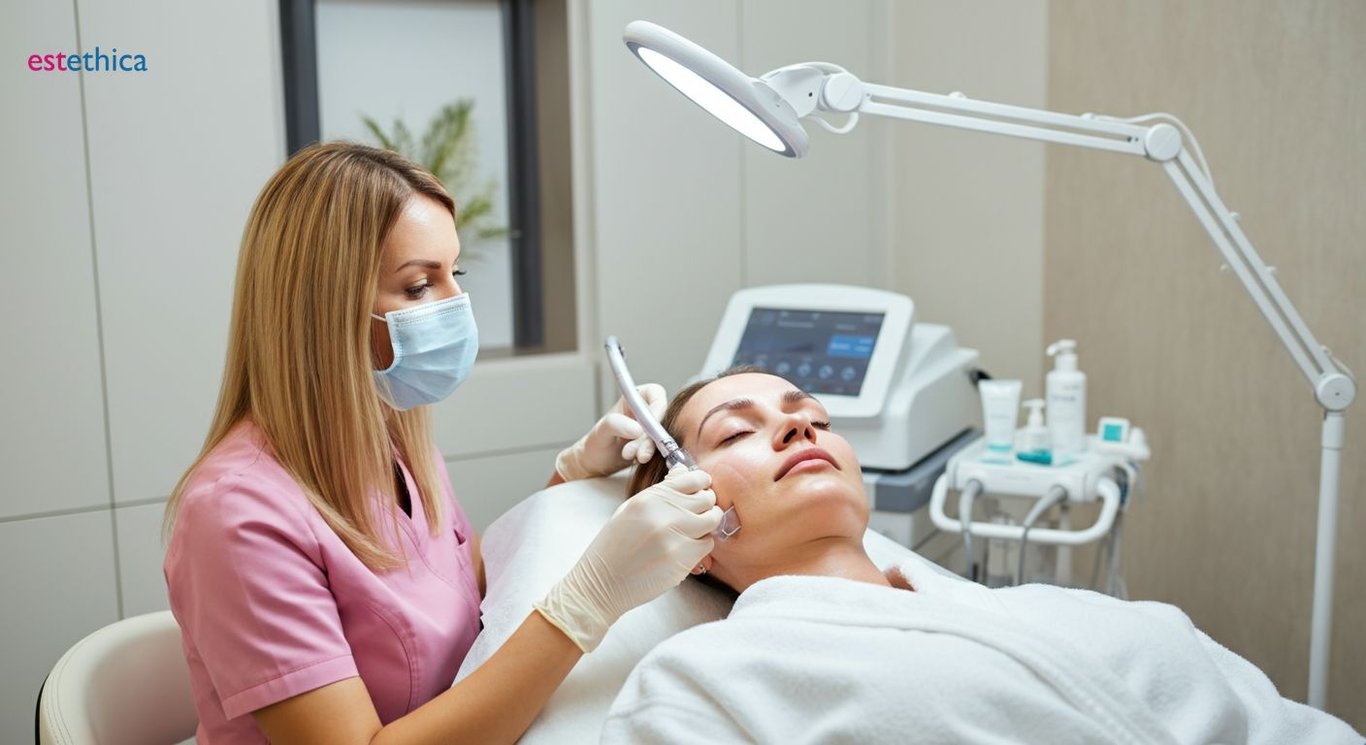
Exploring Non-Surgical Facelift Options
Innovative Non-Surgical Facelift Techniques
Non-surgical facelift options are transforming the landscape of cosmetic dermatology by offering effective anti-aging treatments without the need for invasive procedures. High-Intensity Focused Ultrasound (HIFU) and thread lifts are two popular techniques that provide a natural lift to the skin. HIFU works by delivering ultrasound energy to the deeper layers of the skin, stimulating collagen production and tightening the skin. This method can improve skin firmness by up to 35% over several sessions, making it a sought-after choice for those seeking facial rejuvenation.
Key Benefits of Non-Surgical Facelift Options
- Minimal Downtime: Patients can resume daily activities immediately after the procedure.
- Natural Results: Techniques like HIFU and thread lifts enhance facial contours without drastic changes.
- Long-Lasting Effects: Results can last up to two years with proper skin care.
These benefits make non-surgical facelift options appealing for individuals looking to maintain a youthful appearance without surgery.
Steps in a Non-Surgical Facelift Process
- Initial Consultation: A dermatologist evaluates skin condition and discusses treatment goals.
- Procedure: Techniques like HIFU or thread lifts are applied to targeted areas.
- Follow-Up Care: Patients receive guidance on maintaining results with appropriate skincare.
Understanding these steps helps individuals prepare for non-surgical facelift options and maximize their benefits.
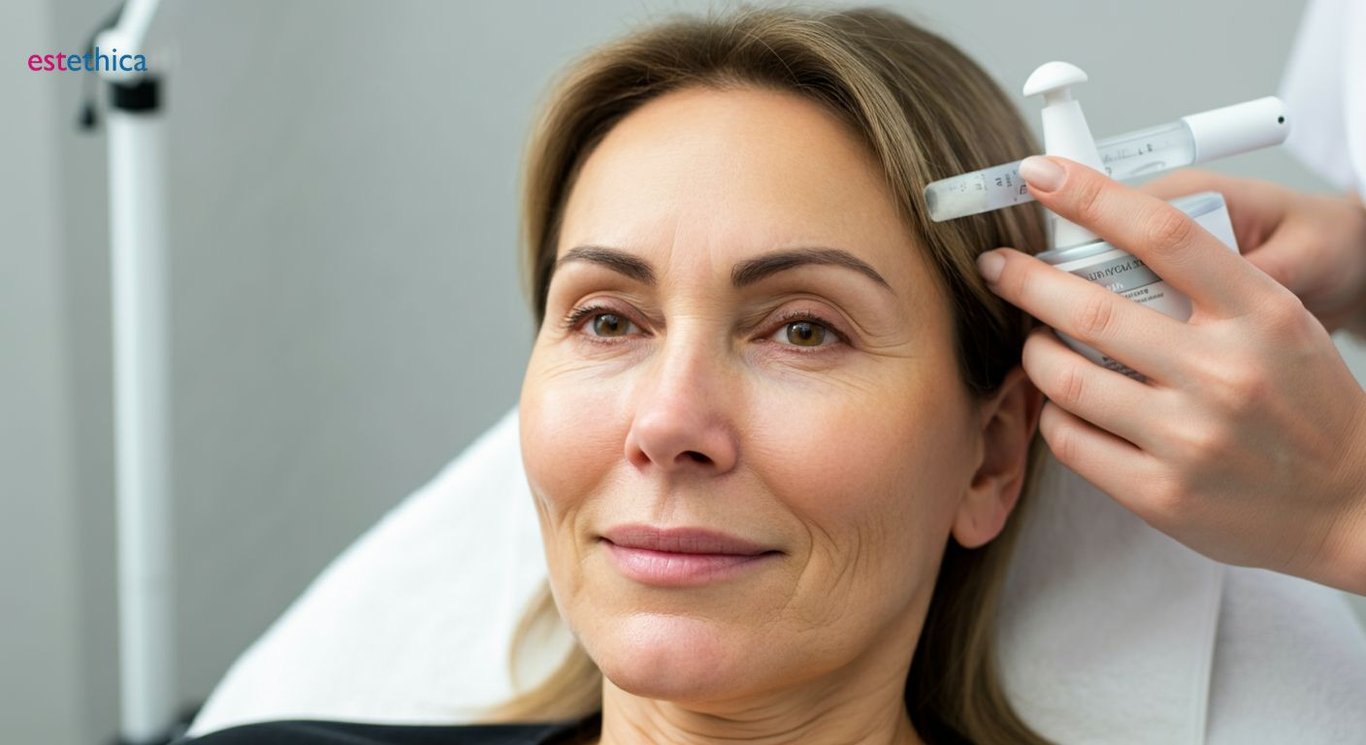
How to Improve Skin Texture with Expert Tips
Expert Tips for Smoother Skin
Improving skin texture involves a combination of professional treatments and at-home care. Experts recommend incorporating retinoids into your skincare routine to promote cell turnover and enhance skin smoothness. Additionally, regular exfoliation with gentle acids like glycolic or lactic acid can help remove dead skin cells, revealing a more radiant complexion. A dermatologist might suggest microdermabrasion, a non-invasive procedure that exfoliates the skin's surface, improving texture and tone.
Effective At-Home Skincare Practices
- Use a gentle cleanser to maintain the skin's natural barrier.
- Apply a broad-spectrum sunscreen daily to protect against UV damage.
- Incorporate antioxidants like vitamin C to brighten and protect the skin.
These practices, combined with professional advice, can significantly enhance skin texture over time.
Steps to Achieve Radiant Skin
- Consult a dermatologist to assess your skin type and concerns.
- Develop a personalized skincare routine with targeted treatments.
- Regularly evaluate and adjust your routine based on seasonal changes and skin needs.
Following these steps ensures a comprehensive approach to achieving smoother, more radiant skin.
Seasonal Skincare Tips to Maintain Radiant Skin
Adapting Your Skincare Routine for Seasonal Changes
As the seasons change, so do the needs of your skin. Adapting your skincare regimen to these changes is crucial for maintaining a radiant complexion year-round. During winter, the air is drier, which can lead to dehydrated skin. Incorporating a heavier moisturizer and hydrating serums can help combat this. In contrast, summer calls for lighter, oil-free products to prevent clogged pores and breakouts. A study shows that adjusting skincare routines seasonally can improve skin hydration by 20%.
Essential Seasonal Skincare Practices
- Winter: Use a humidifier to add moisture to the air and prevent skin dryness.
- Spring: Exfoliate regularly to remove dead skin cells and promote renewal.
- Summer: Apply a broad-spectrum sunscreen with SPF 30 or higher daily.
These practices ensure your skin remains healthy and vibrant, regardless of the season.
Steps to Transition Your Skincare Routine
- Assess your skin's current condition and identify any seasonal changes.
- Consult a dermatologist for personalized skincare recommendations.
- Gradually introduce new products to your routine, monitoring their effects.
Following these steps helps you seamlessly transition your skincare routine, ensuring optimal skin health throughout the year.
Finding the Best Cosmetic Dermatology Clinics
Key Factors to Consider When Choosing a Clinic
When selecting a cosmetic dermatology clinic, it's crucial to consider several factors to ensure you receive top-notch care. First, verify the clinic's credentials and the qualifications of its dermatologists. A reputable clinic will have board-certified professionals with extensive experience in skin rejuvenation and anti-aging treatments. Additionally, assess the range of services offered. A comprehensive clinic should provide various options, from non-surgical facelift techniques to advanced laser treatments, catering to diverse skin care needs.
Evaluating Clinic Reputation and Patient Satisfaction
- Research online reviews and testimonials to gauge patient satisfaction and clinic reputation.
- Check for any awards or recognitions that highlight the clinic's excellence in cosmetic dermatology.
- Consider word-of-mouth recommendations from friends or family who have undergone similar treatments.
These steps can provide valuable insights into the clinic's quality of care and patient outcomes.
Steps to Ensure a Successful Consultation
- Prepare a list of questions and concerns to discuss with the dermatologist during your consultation.
- Bring any relevant medical history or previous treatment records to provide a comprehensive overview.
- Evaluate the dermatologist's communication style and willingness to address your concerns thoroughly.
Following these steps can help you make an informed decision and ensure a positive experience at the clinic.
Innovative Non-Surgical Facelift Techniques
Steps to Achieve Radiant Skin
Frequently Asked Questions
What is cosmetic dermatology?
How does laser skin treatment work?
What are the benefits of non-surgical facelift options?
How can I improve my skin texture at home?
What should I consider when choosing a cosmetic dermatology clinic?
Discover the path to 'Healthy Beauty' with estethica's expert care. Call now for your free consultation and take the first step towards a more confident you!
📞 Call for Your Free Consultation