


Discover how a beard transplant can enhance your appearance, covering essential information on techniques, results, and suitability for achieving your desired facial hair.
Dreaming of a more robust and defined beard? A beard transplant offers a revolutionary solution for men experiencing patchiness, thinning, or complete absence of facial hair. This advanced procedure, utilizing hair transplant techniques, can effectively restore and enhance your beard's density, giving you the confidence that comes with a fuller look. If you're considering this transformative treatment, understanding the process, benefits, and what to expect is crucial. This guide will delve into everything you need to know about the beard hair transplant, from initial consultation to achieving natural-looking results.What is a Beard Hair Transplant?
A beard hair transplant is a sophisticated surgical procedure meticulously designed to enhance the density and coverage of a man's facial hair. For individuals experiencing sparse beard growth, thinning patches, or even hair loss in the beard area due to genetics, injury, or medical conditions, this innovative treatment offers a permanent and natural-looking solution. The fundamental principle behind this procedure mirrors that of conventional hair transplantation techniques, often utilizing either Follicular Unit Transplantation (FUT) or Follicular Unit Extraction (FUE) methods.
During the process, individual hair follicles are carefully extracted from a donor area, which is typically the scalp or the sides of the head where hair growth is abundant and less susceptible to balding. These harvested follicles are then meticulously implanted into the specific areas of the face requiring increased hair density, such as the cheeks, chin, or mustache region. The skill of the surgeon lies in implanting each follicle at the correct angle and depth to ensure that the newly grown beard hairs align naturally with the existing facial hair and complement the individual's unique facial structure. The ultimate aim is to create a fuller, more robust beard that appears entirely natural and enhances the overall masculine aesthetic.
The Procedure and its Benefits
The journey to a fuller beard through a beard transplant involves precise surgical artistry. Unlike temporary cosmetic solutions, the hair follicles transplanted are genetically programmed to grow throughout the recipient's lifetime. This means the transplanted beard hair will continue to grow naturally, requiring regular trimming and styling just like natural beard growth. This permanence is a significant advantage for many men seeking a long-term improvement in their beard's appearance. The advancements in transplantation techniques have made the procedure minimally invasive, with relatively short recovery times compared to older methods. For those considering this option, exploring resources like Achieve Fuller Facial Hair with Beard Transplant can provide further insights into the potential outcomes and the transformative effects of this procedure.
Who is a Good Candidate?
A beard hair transplant is an excellent option for men who desire a more defined or dense beard but lack the natural growth potential. Candidates typically include those with naturally patchy or thin beards, men who have experienced hair loss in the beard area due to scarring or medical treatments, or individuals looking to reshape or augment their existing beard line. The success of the procedure relies heavily on having a sufficient supply of healthy donor hair. The goal is always to achieve a result that is aesthetically pleasing and integrates seamlessly with the patient's features, offering renewed confidence and a more masculine appearance. This specialized form of beard transplant is becoming increasingly popular as a reliable method for achieving desired facial hair.
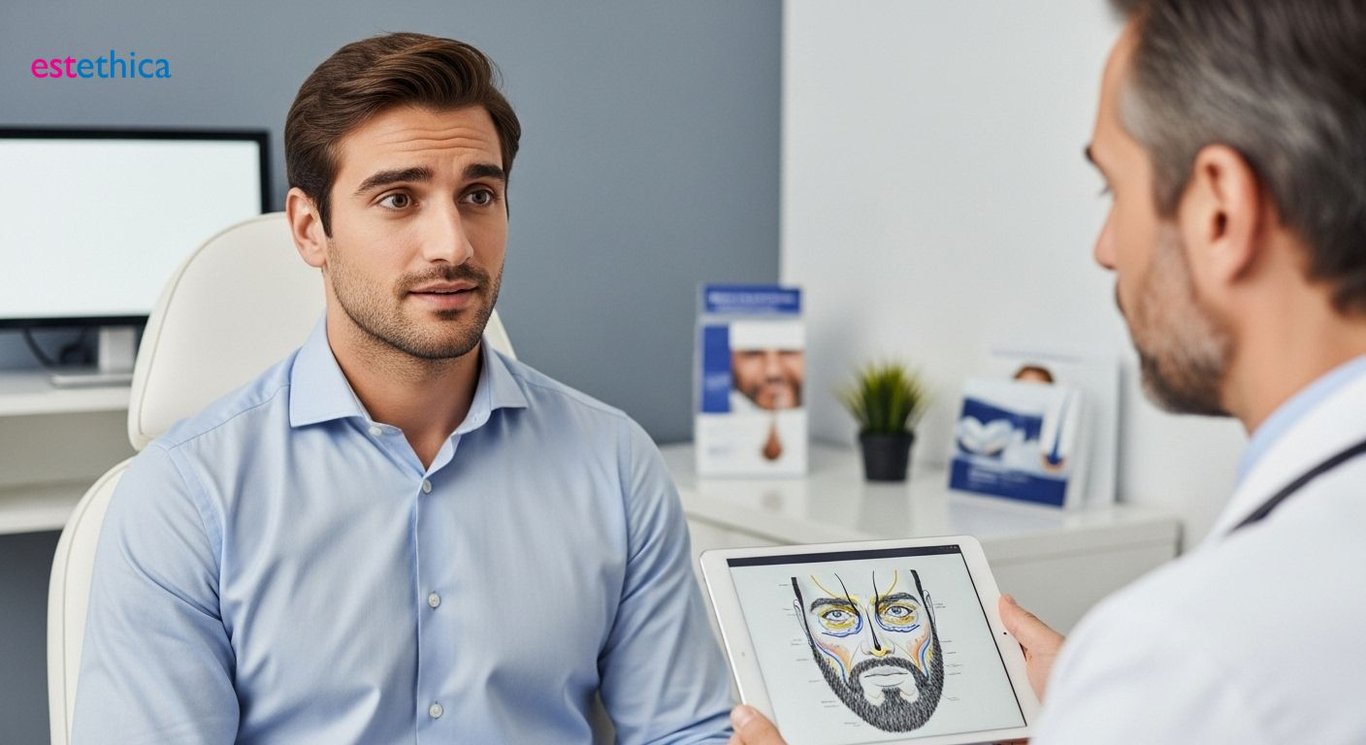
Facial Hair Transplant: Techniques Explained
The art of restoring a fuller, more defined beard involves sophisticated surgical techniques designed to provide natural-looking and permanent results. For individuals experiencing hair thinning or loss in their beard area, a facial hair transplant offers a viable aesthetic solution. In beard transplant turkey, specialized clinics leverage advanced methodologies to achieve outcomes that seamlessly blend with your existing hair. Understanding these techniques is crucial for anyone considering this procedure.
Follicular Unit Extraction (FUE) Method
The most prevalent and often preferred method for a beard hair transplant is Follicular Unit Extraction, commonly known as FUE. This technique involves the meticulous extraction of individual hair follicles directly from a donor area, typically the back or sides of the scalp, using a specialized micro-punch tool. The diameter of these punches is extremely small, usually less than one millimeter, which means the scarring is virtually undetectable once healed, making it ideal for areas where hair might be kept short. Once harvested, these follicular units are then carefully transplanted into tiny, pre-made incisions in the beard area. The surgeon's expertise is paramount here, as they must precisely determine the angle, direction, and depth of each graft to ensure the transplanted hair grows naturally and complements the existing facial hair pattern. This method is highly regarded for its minimally invasive nature and a generally quicker recovery period compared to older techniques.
Follicular Unit Transplantation (FUT) Method
Another established technique is Follicular Unit Transplantation, or FUT. In contrast to FUE, FUT involves the removal of a thin strip of skin from the donor area. This strip is then meticulously dissected under high magnification by skilled technicians to isolate individual follicular units. These units are subsequently implanted into the recipient beard area using a similar incision process as FUE. While FUT can yield excellent density and is often a good option when a large number of grafts are needed, it typically results in a linear scar at the donor site. For this reason, FUE is frequently favored for beard transplant procedures, especially when the donor area might be visible or if the patient prefers minimal scarring. However, the choice between FUE and FUT for your beard hair transplant ultimately depends on factors such as the availability of donor hair, the extent of hair loss, and the surgeon's recommendation. Consulting with an experienced provider in beard transplant turkey is essential to determine the most suitable approach for your individual needs, ensuring optimal results for your beard hair transplant. To learn more about achieving natural facial hair permanently, you can explore the comprehensive guide on Beard Transplant: Achieve Natural Facial Hair Permanently.
Beard Restoration: Achieving Natural Results
Achieving a natural appearance is the cornerstone of successful beard restoration. This process hinges on the surgeon's meticulous approach, from initial planning to the final graft placement. A skilled practitioner understands that a truly natural outcome is not just about adding density, but about replicating the unique patterns and characteristics of existing facial hair. This involves a deep understanding of the direction, angle, and density of individual beard hairs to ensure the transplanted follicles integrate seamlessly.
The Art of Graft Placement and Selection
The journey to a natural-looking beard begins with precise planning. Before the procedure, the surgeon will map out the recipient area, carefully considering the patient's desired beard shape and how it complements their facial aesthetics. This personalized blueprint is crucial for guiding the transplant process. Graft selection is equally vital. Often, follicles sourced from the beard area itself or the nape of the neck are preferred. This is because these donor hairs tend to share similar growth characteristics with natural beard hair, contributing significantly to a harmonious and undetectable result. A well-executed beard transplant ensures that every new hair grows in the correct direction, mimicking the texture and flow of the original beard.
Post-Operative Care and Long-Term Success
While the surgical skill of the team is paramount, the patient's role in post-operative care cannot be overstated. Proper aftercare is essential for the healing process and the ultimate success of the beard transplant. Following the surgeon's instructions diligently helps the transplanted follicles to take root securely and grow healthily. This period is critical for ensuring that the new beard hairs blend seamlessly with the existing facial hair, creating an enhancement that is both robust and completely natural in appearance. For those seeking more information on achieving fullness and defining their style, exploring topics related to Beard Transplant: Achieve Natural Fullness & Define Style can provide valuable insights. Remember, the goal of a beard hair transplant is to restore confidence through an aesthetically pleasing and authentic outcome.
The nuances of a successful beard transplant are complex, involving both artistry and scientific precision. When performed by experienced professionals, the results of a beard hair transplant can be remarkably subtle yet transformative. A skilled surgeon will consider factors like skin texture, hair caliber, and growth cycles to ensure the transplanted beard hair integrates flawlessly. This attention to detail is what differentiates a good outcome from an exceptional one, making the beard transplant a truly effective solution for thinning or patchy beards. The ethical practice of a beard transplant emphasizes patient satisfaction through natural-looking enhancements.
Key Considerations for Natural Beard Restoration
When comparing different approaches to facial hair enhancement, several factors contribute to a natural-looking beard transplant. The density achieved, the angle of implantation, and the aesthetic design all play a role.
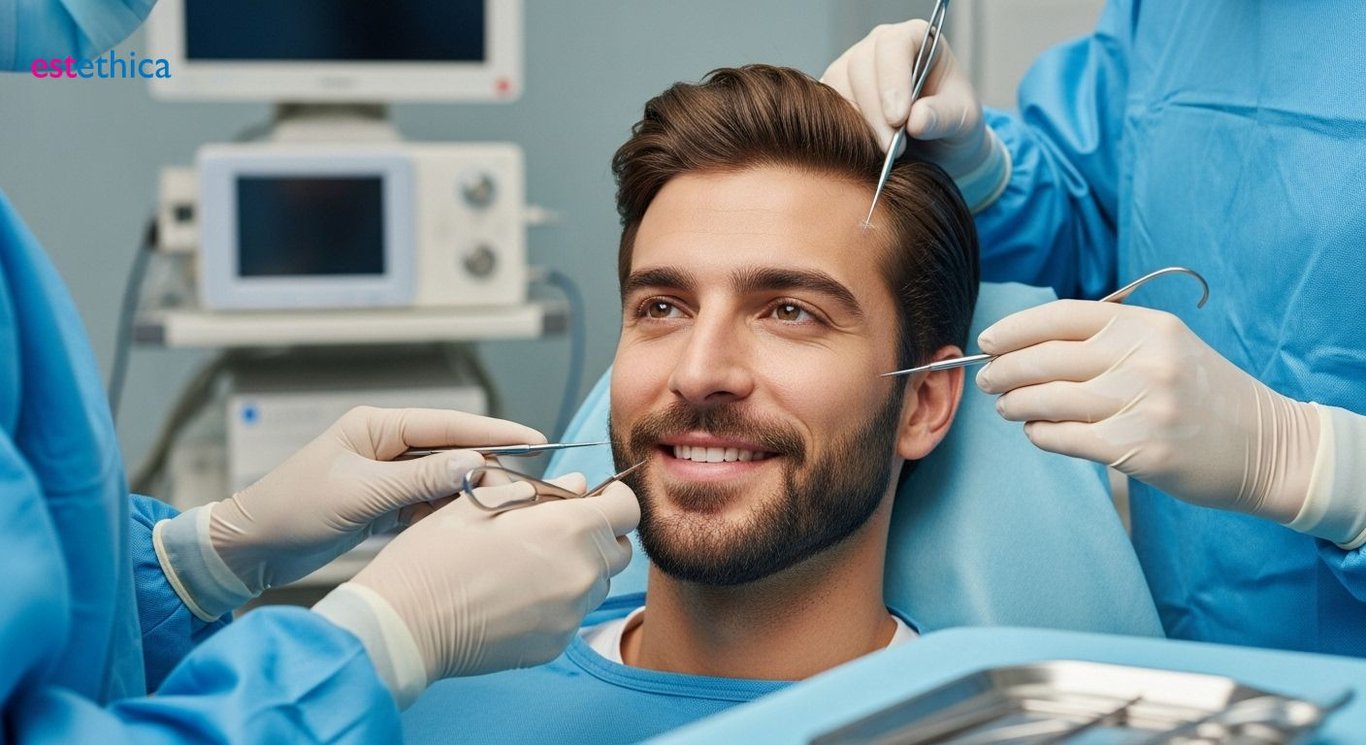
Hair Transplant for Beard: Is It Right For You?
Deciding whether a hair transplant for beard is the correct solution for your aesthetic goals requires careful consideration of several key factors. While the prospect of achieving a fuller, more defined beard can be appealing, it's crucial to understand who typically benefits most from this procedure. Ideal candidates often possess sufficient donor hair, typically harvested from the scalp or other body areas where hair growth is dense and permanent. This availability of donor grafts is fundamental to the success of any follicular unit transplantation, including for the beard area.
Beyond donor hair, realistic expectations are paramount. A successful beard transplant enhances your natural growth patterns, aiming for a seamless and natural look rather than creating something entirely artificial. Individuals seeking to address patchy growth, fill in areas of thinning, define the beard line, or camouflage scars or marks from previous injuries can find this procedure highly effective. If you're dreaming of a more sculpted or robust beard, understanding the process further might be beneficial. For those interested in achieving their ideal facial hair, we recommend exploring the detailed guide on Beard Transplant: Achieve Your Dream Facial Hair.
Understanding Candidate Suitability
To determine if a beard hair transplant is suitable for you, a thorough consultation with a qualified specialist is indispensable. This session allows for a comprehensive assessment of your specific needs and desires. The surgeon will review your medical history to ensure you are in good general health, as this is vital for any surgical procedure and for optimal healing. They will evaluate your donor hair supply and discuss the potential outcomes based on your unique facial structure and hair characteristics. Understanding the recovery timeline, potential risks, and the commitment required for post-operative care is an essential part of this decision-making process before proceeding with a beard hair transplant.
The Path to a Fuller Beard
The journey towards a fuller beard through transplantation is a meticulous one. The technique involves carefully extracting individual follicular units from the donor area and artfully implanting them into the designated regions of the face. This precision ensures a natural-looking density and hairline. For men experiencing hair loss or thinning in their beard area, this procedure offers a permanent solution, Unlike temporary fixes, the transplanted hair continues to grow naturally throughout your life. The decision to undergo a beard hair transplant should be made after careful deliberation and in partnership with an experienced medical professional. Exploring the options available in specialized clinics can provide clarity on whether this transformative procedure is the right step for you. Many find that advancements in beard transplant turkey clinics offer excellent results for those seeking expert care and natural outcomes.
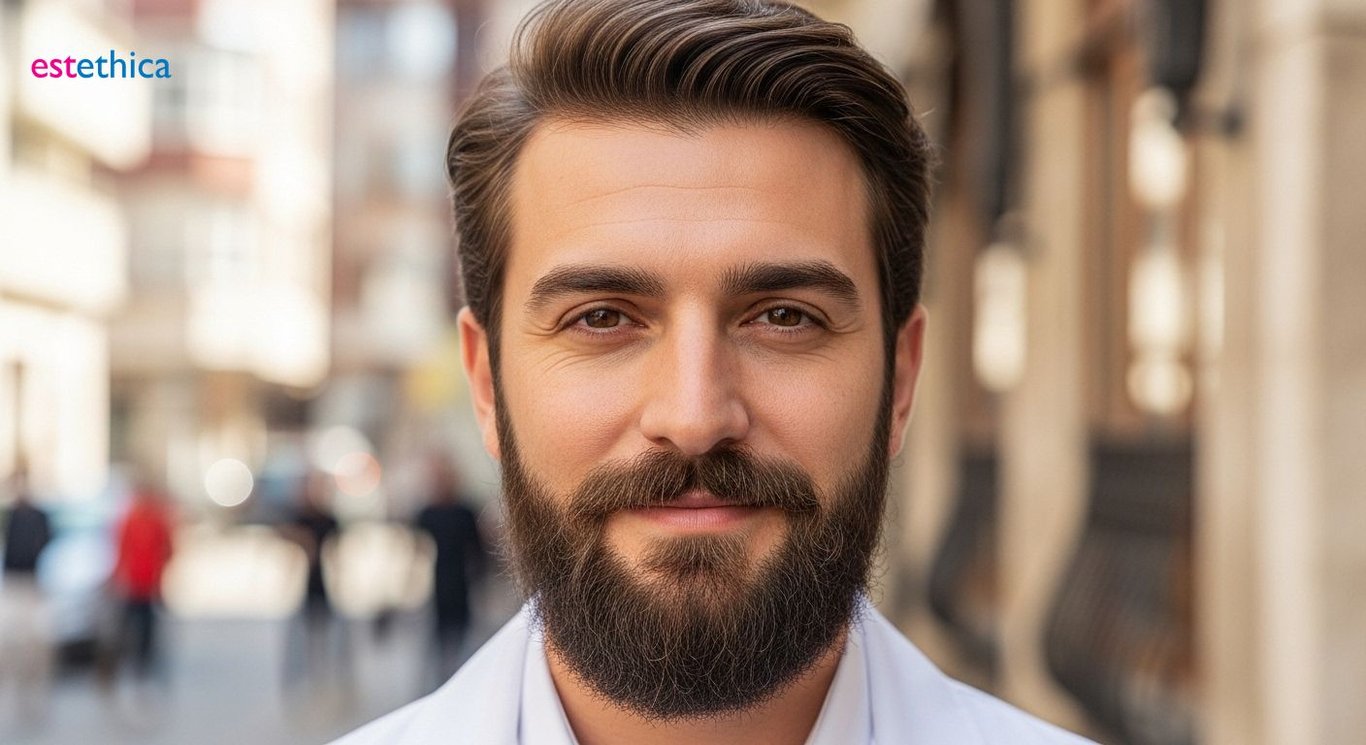
Expert Beard Restoration Through Advanced Hair Transplant Techniques
Sakal ekimi, sakal seyrekliği veya dökülmesi yaşayan erkekler için estetik bir çözümdür. Bu içerik, sakal ekimi sürecini, iyileşme dönemini ve sonuçlarını detaylı bir şekilde ele alarak, bu alandaki uzmanlığımızı ortaya koymaktadır. Kullanılan Follicular Unit Extraction (FUE) ve Follicular Unit Transplantation (FUT) gibi ileri düzey teknikler, doğal görünümlü ve kalıcı sonuçlar için titizlikle uygulanır.
The journey to a fuller beard through a beard transplant involves precise surgical artistry. We leverage sophisticated surgical techniques designed to provide natural-looking and permanent results, ensuring enhanced density and coverage for facial hair.
Türkiye'de sakal ekimi konusunda uzmanlaşmış kliniklerde, doğal ve kalıcı sonuçlar elde etmek mümkündür. Deneyimli cerrahlarımız ve modern teknoloji kullanımı, her hastanın beklentilerini aşan sonuçlar sunmamızı sağlar. Saç ekimi için kullanılan prensipleri sakal bölgesine adapte ederek, bireysel ihtiyaçlara yönelik çözümler geliştiriyoruz.
Your Trusted Partner for Beard Transplantation
This guide delves into everything you need to know about the beard hair transplant, ensuring transparency and informed decision-making. We prioritize achieving a natural appearance, which is the cornerstone of successful beard restoration, through precise graft placement and selection.
The journey to a natural-looking beard begins with precise planning and meticulous execution. Post-operative care and long-term success are vital components of our patient-centric approach, ensuring optimal healing and sustained results.
The nuances of a successful beard transplant are complex, involving both artistry and scientific precision. We are dedicated to providing comprehensive information about the procedure, candidate suitability, and the path to a fuller beard, building trust through expertise and patient satisfaction.