


Discover the transformative power of saying 'hello' and its impact on first impressions across cultures.
Whether we're meeting a lifelong friend or a stranger on the street, the words "hello" have the power to transform our interactions. This simple greeting isn't just a way to start a conversation; it's a fundamental part of human communication that shapes our perceptions and relationships. Exploring the nuances of "hello" offers a fascinating insight into its psychological, nonverbal, and cultural dimensions. From first impressions to the art of mastering the perfect greeting, the magic of "hello" lies in its universal impact.
The Psychology Behind "Hello": Why It Matters
The Initial Impact of "Hello" on Social Perception
The opening greeting, such as a simple "hello", significantly molds first experiences and interpersonal relationships. It goes beyond being a mere expression, functioning as a cornerstone in fostering connections and setting the emotional tone of the interaction. Psychologically, the manner and tone used in saying "hello" contribute profoundly to an individual's perceived character and intentions.
- Establishing Trust: A warm and genuine "hello" promotes trust, making others more receptive.
- Reflecting Empathy: The tone conveys understanding and concern for the other person's feelings.
- Setting Expectations: It indicates whether an interaction will be formal, friendly, or professional, influencing expectations.
It can shape ongoing dynamics in both personal and professional relationships. The impact of a well-delivered greeting not only enhances immediate interactions but also builds lasting connections. Understanding and utilizing this insight can potentially increase the benefits in social and business settings, demonstrating how impactful simple greetings truly are.
How Different Salutations Affect Communication Dynamics
The psychological influence of using different salutations in Greetings extends to how conversations flow and develop. For instance, "hi" or "hey" can establish a casual atmosphere, while "hello" is considered a bit more standard. Personalized hellos that include a person’s name show exceptional recognition and can drastically improve relationships, making people feel valued and more connected. A study reveals that using a person’s name can increase receptiveness by about 30%.
- Mirrorring for Connection: Mimicking a person’s greeting type (formal vs. casual) can improve rapport by aligning communication styles.
- Understanding the Audience: Tailoring greetings to fit the setting or relationship level ensures relevance and acknowledges the interpersonal dynamic.
- Acknowledging Cultural Backgrounds: Incorporating knowledge of cultural norms regarding Greetings fosters respect and encourages deeper interactions.
The way you greet, whether it be a simple "Hi" or a " Good day" can affect your BBL journey, influencing people's perception and openness to conversations about procedures like BBL in Turkey or BBL laser treatments. Hence, understanding and deliberately picking the correct greeting can greatly improve the psychological components of any interaction including initial BBL conversations.
Beyond Words: Nonverbal Cues in Greetings
Enhancing First Impressions Through Body Language
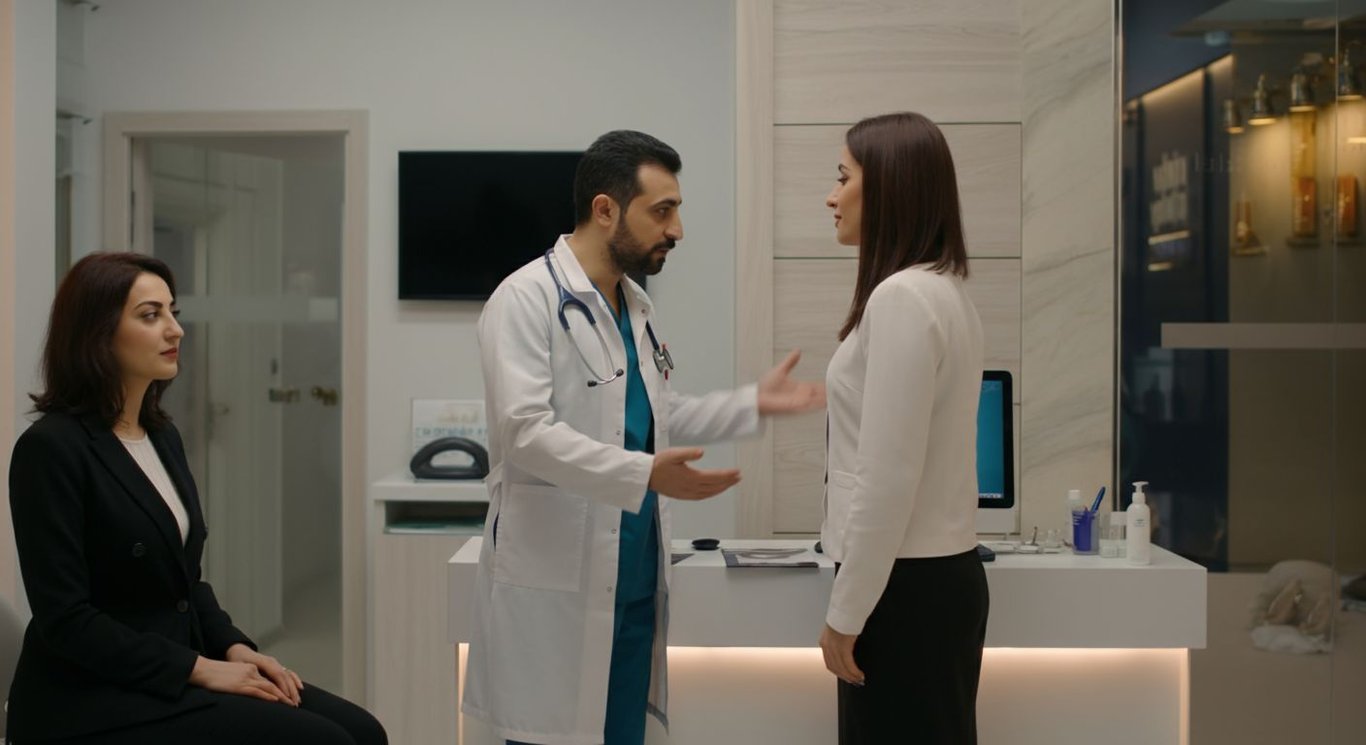
Greetings aren't always about what we say, but how we say it. Nonverbal cues such as eye contact, facial expressions, and body language accompany our verbal greetings and play a crucial role in effective communication. In fact, research shows that most of our communicative meaning comes from nonverbal signals. By consciously managing these nonverbal aspects, individuals can create a more welcoming and engaging 'hello' that resonates emotionally with others.
- Eye Contact: Making direct eye contact conveys sincerity and interest.
- Facial Expressions: A genuine smile is universally recognized as a sign of friendliness.
- Posture: Standing tall and open shows confidence and approachability.
These nonverbal components, when aligned, make interactions more impactful, improving social dynamics and personal connections. The art of effective greetings lies in the nuanced blend of words and body language. Paying attention to these details can significantly enhance professional and personal interactions.
Cultural Nuances in Universal Salutations
Although nonverbal communication is a universal language, its expression varies across cultures. For example, in some cultures, direct eye contact is seen as a sign of respect and attention. However, it might be perceived as aggressive or challenging. Awareness of such cross-cultural differences is essential in ensuring that greetings are well received and interpreted correctly. Tailoring your expressions to respect cultural norms shows consideration and helps build stronger international relationships, particularly in diverse settings like a BBL consultation where understanding cultural subtleties greatly enhances patient comfort and trust. About 60% of communication is nonverbal, highlighting the critical role of cultural sensitivity in international interactions.
- Customization: Adapting nonverbal cues based on cultural norms avoids misunderstandings.
- Observation: Watching how locals greet each other provides clues to acceptable behavior.
- Learning: Educating oneself about cultural subtleties enhances respect and rapport.
Adopting a culturally sensitive approach to greetings not only fosters mutual respect but also promotes effective global communication. This inclusive approach is appreciated in any global interaction, reinforcing connections, and enhancing the overall experience for all involved. Effective greetings create a feeling of trust with prospective patients looking into procedures like BBL surgery.

Hello Around the World: Cultural Differences in Greetings
Navigating Global Greetings with Cultural Sensitivity
Every culture showcases unique greetings. Some cultures commonly use a handshake or nod, while others favor a bow or a cheek kiss. Grasping these differences is vital when navigating international interactions. This prevents misunderstandings and enriches our understanding of diverse human expressions. Respecting local greeting customs promotes cultural respect, regardless of whether you find yourself in busy Tokyo or New York. The nuances of worldwide greetings go beyond simple etiquette, acting as a fundamental element in building relationships and showing respect across cultures. You might even impress someone if you learn how to say hello in their native language.
- Bowing in Japan: The depth and angle of the bow convey different levels of respect.
- Cheek Kissing in Europe: The number of kisses varies by country (e.g., two in Spain, one in France).
- Hand Gestures: Actions like the "OK" sign can have offensive meanings in certain regions.
Roughly 40% of international business miscommunications are attributed to cultural differences. Being aware and respectful of these differences improves communication and relationships across global contexts. Recognizing and respecting these differences enhances international interactions in the world of bbl laser treatments and bbl in Turkey.

Mastering the Art of the Perfect "Hello" for Every Situation
Adapting Greetings To Fit Various Scenarios
Greetings are far from universal; their effectiveness depends heavily on the situation. In professional settings, formal salutations like "Good morning" or "Good afternoon" establish respect and seriousness, essential for initial meetings or interactions with superiors. Social environments permit more casual hellos such as "Hi" or " Hey". Failing to adjust greetings can create awkwardness or send the wrong message, highlighting the significance of adapting greetings to suit the context. Around 75% of people find personalized greetings make a better first impression.
- Corporate Context: Opt for formal greetings to show respect and professionalism.
- Social Occasions: Casual greetings like "Hey" foster a relaxed environment.
- Family Interactions: Warm, personal greetings reinforce bonds and affection.
Adjusting your greeting style shows careful consideration of the circumstances creating stronger relationships. This careful approach allows people to easily navigate through various areas, from formal company meetings to family gatherings, solidifying their social intelligence and improving interpersonal interactions. This is especially true when greeting international patients considering options such as BBL surgery, where a personalized greeting based on their cultural background enhances comfort and shows respect.
Enhancing Connections Through Personalized Salutations
Crafting greetings to align with unique circumstances enhances your ability to relate with people, transforming normal interactions into memorable ones. Using a person’s name shows consideration and validates their value, making them more receptive. Customizing your hello based on individual preferences or past interactions deepens engagement and builds rapport. Tailoring greetings not only encourages respect but also nurtures trust, strengthening relationships across various scenarios.
- Remember Names: Addressing people by name makes them feel recognized and respected.
- Reflect On Past Interactions: Mentioning a previous conversation reminds them you value their input.
- Use Appropriate Language: Adjusting your tone based on their communication style ensures comfort.
By focusing on personalized hellos, you create more engaging and authentic relationships. This strategy, which emphasizes individual attention, supports improved relationships and transforms interactions into chances to promote trust and mutual respect. For example, in a consultation regarding services like BBL laser treatments, a personalized greeting acknowledging their specific concerns or preferences could greatly improve trust and establish a relaxed atmosphere. This careful attention to detail is the hallmark of high quality customer care.
Mastering "Hello": Psychology, Nonverbal Cues, and Cultural Sensitivity
Enhancing Social Interactions Through Adaptable and Genuine Greetings
Frequently Asked Questions
Why is a simple "Hello" so important in communication?
How do nonverbal cues influence our "Greetings"?
Why is it important to understand cultural differences in "Salutations"?
How should I adapt my "Hello" for different situations for "Greetings"?
Achieve your aesthetic goals with estethica's personalized approach and expert care.
📞 Schedule Your Free Consultation!