

Revitalize your appearance with rhytidectomy—your essential guide to understanding and achieving effective facial rejuvenation.
Facial rejuvenation is an exciting prospect for many seeking to rediscover their youthful appearance. In this guide, we delve into rhytidectomy, commonly known as a facelift, exploring various techniques from traditional methods to cutting-edge approaches that aim to reduce the signs of aging. We discuss who might be a suitable candidate, the benefits associated with these procedures, and what one can expect during recovery. Join us as we unveil the intricacies of facial rejuvenation and the transformative potential it holds.
Understanding Facelift Techniques: From Traditional to Modern Approaches
Evolution of Facelift Procedures
Traditional facelifts have long been a cornerstone in cosmetic surgery, employing extensive techniques to address sagging skin and underlying tissue laxity. These comprehensive procedures typically involve larger incisions and a more involved recovery period. However, modern advancements have led to the development of less invasive options like the Mini Facelift, which focuses on targeted areas with smaller incisions. This shift allows for quicker recovery times and reduced scarring. Patients now have access to a range of tailored solutions, addressing specific facial concerns with varied levels of intervention. This includes options like a Mid-Facelift or Full Facelift, ensuring treatments are aligned with individual needs and desired outcomes, and facilitating effective facial rejuvenation.
Comparing Facelift Options
Choosing the right facelift technique depends on individual requirements and desired results. Here’s a comparison of common facelift options:
- Traditional Facelift: Addresses significant sagging and wrinkles by lifting and tightening skin and underlying tissues.
- Mini Facelift: Targets mild to moderate sagging in the lower face and neck with smaller incisions for a quicker recovery.
- Mid-Facelift: Focuses on rejuvenating the cheek area, restoring youthful volume and reducing the appearance of under-eye bags.
Each option caters to different degrees of aging and specific facial areas, allowing patients to select the most appropriate procedure. Selecting the best option for you needs assistance from a qualified facelift surgeon.
Essential Considerations in Facelift Planning
When planning a facelift, consider these essential steps to ensure the best possible outcome:
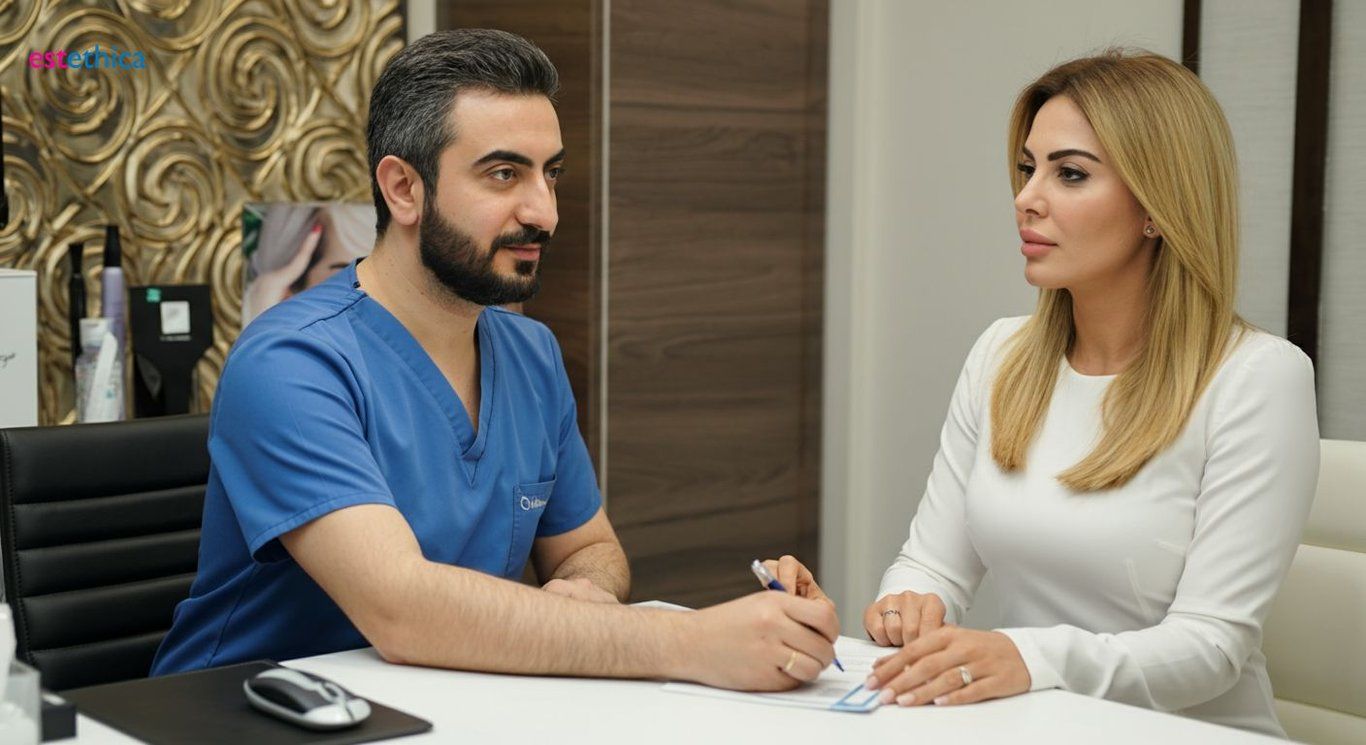
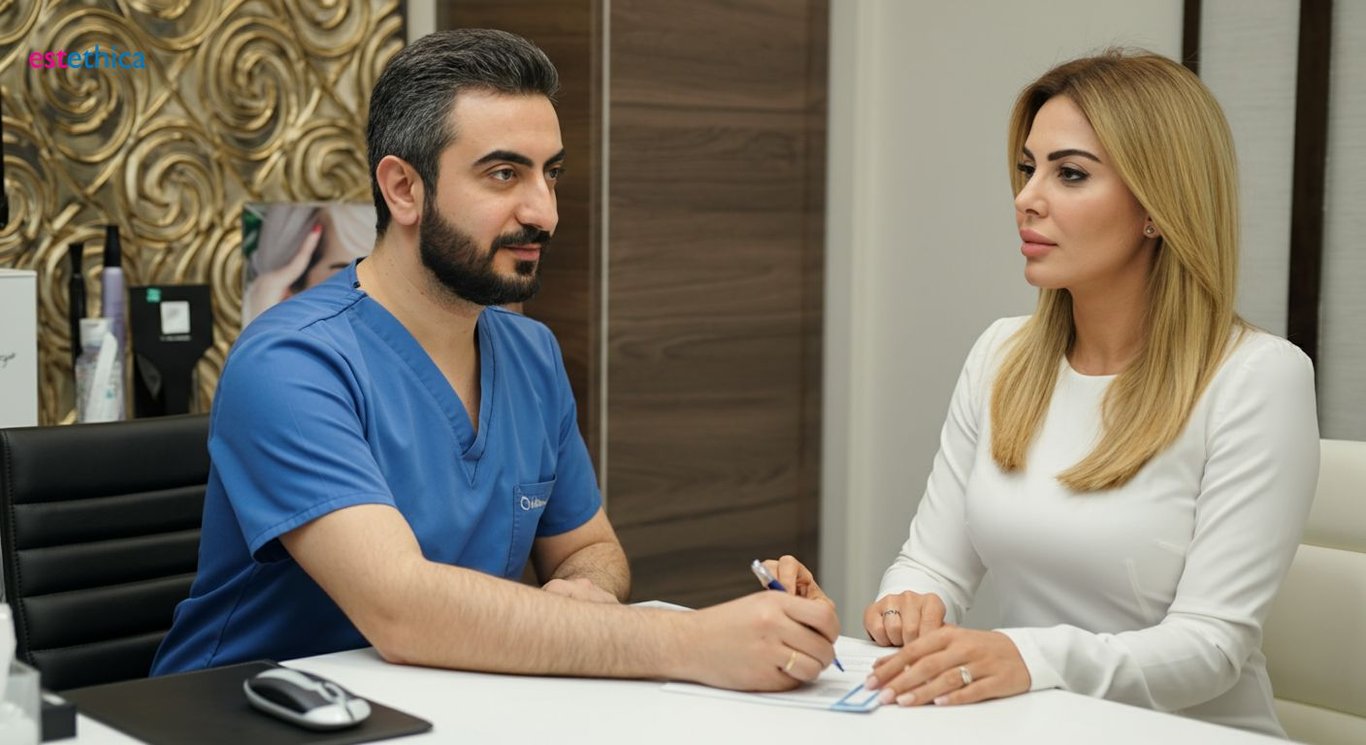
- Consultation: Meet with a qualified surgeon to discuss your goals, assess your facial structure, and determine the most suitable technique for a rhytidectomy.
- Preparation: Follow pre-operative instructions, which may include avoiding certain medications and skincare products to minimize risks.
- Recovery: Plan for adequate downtime, as recovery may involve swelling, bruising, and temporary discomfort. Adhering to post-operative care guidelines is crucial
Beyond the Years: Exploring the Benefits of Facial Rejuvenation
Psychological Uplift through Facial Enhancements
Facial rejuvenation extends beyond mere physical alterations, providing significant psychological benefits that enhance overall well-being. The transformation achieved through procedures like a facelift or non-surgical treatments can profoundly impact an individual’s self-perception and confidence. By addressing visible signs of aging, patients often experience a renewed sense of self-esteem, which positively influences their social interactions and daily life. For instance, someone who felt self-conscious about deep wrinkles might find themselves more outgoing and confident after undergoing facial rejuvenation. Similarly, restoring lost volume in the face can help individuals feel more youthful and vibrant, leading to increased happiness and life satisfaction. This psychological boost is a crucial aspect of the rhytidectomy process, enhancing not only physical appearance but also mental and emotional health.
Exploring Non-Surgical Rejuvenation Options
Non-surgical facial rejuvenation options offer effective alternatives for individuals seeking less invasive treatments with minimal downtime. Procedures such as Botox injections and dermal fillers provide quick and convenient solutions to combat wrinkles, restore facial volume, and enhance contours. These treatments are particularly appealing for those who desire subtle yet noticeable improvements without undergoing extensive surgery or lengthy recovery periods. For example, Botox can smooth out forehead lines and crow's feet, while fillers can plump up cheeks and lips. These non-surgical methods also allow for a more gradual approach to facial rejuvenation, providing a refreshed and youthful appearance with minimal disruption to daily life. Here are some benefits to consider when exploring non-surgical options:
- Reduced Downtime: Minimizes recovery time, allowing you to return to daily activities quickly.
- Subtle Enhancements: Offers natural-looking improvements without drastic changes.
- Versatile Solutions: Addresses various concerns from wrinkles to volume loss with targeted treatments.
To ensure optimal results, consider these essential factors when planning your non-surgical facelift journey:
- Consultation and Assessment: Expert evaluation to determine the most suitable procedures based on your facial structure.
- Customized Treatment Plan: Personalized approach to target specific aging concerns with precision.
- Ongoing Maintenance: Regular follow-up appointments to sustain and enhance results over time.

Am I a Candidate? Determining Facelift Suitability
Assessing Your Candidacy for a Facelift
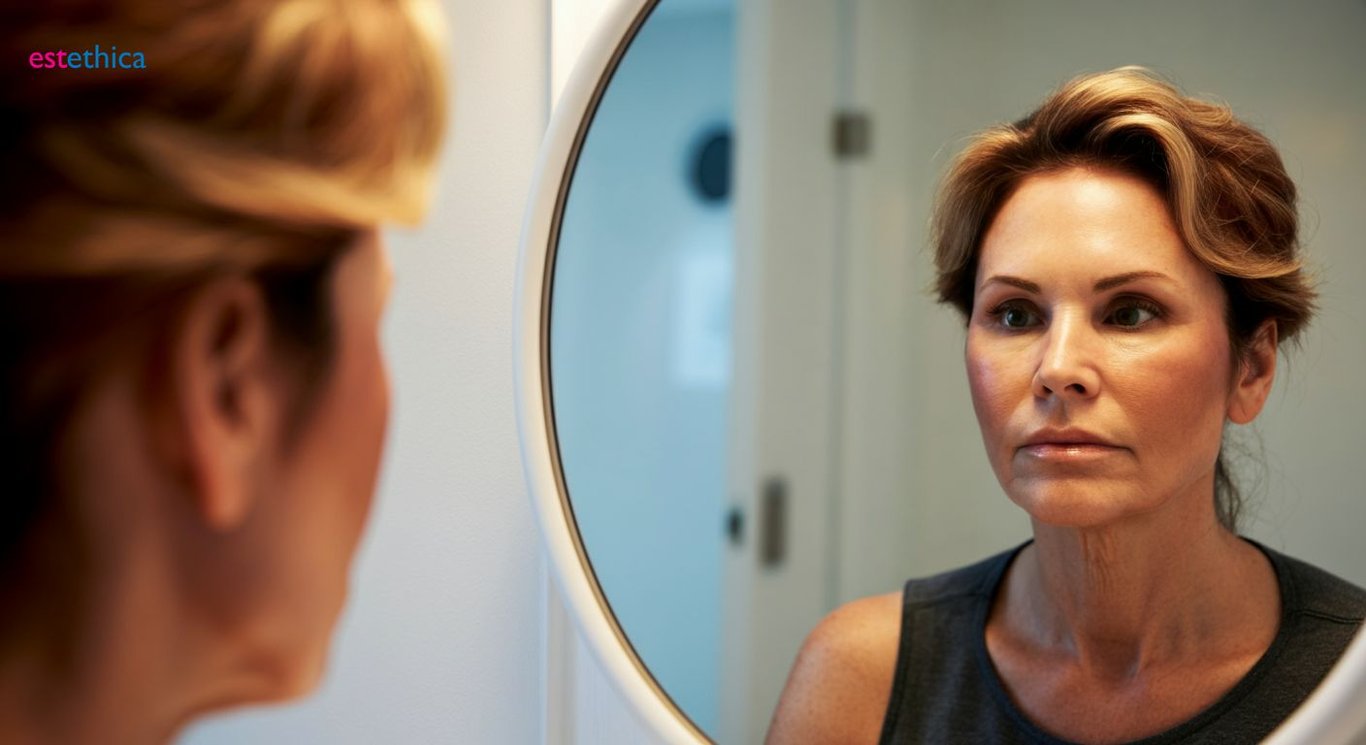
Identifying whether you're an ideal candidate for a facelift involves several key considerations. Typically, suitable candidates exhibit visible signs of aging, such as sagging skin around the jawline, deep wrinkles, and a noticeable loss of facial volume. These characteristics are often the result of natural aging, sun exposure, or genetic predisposition. A comprehensive evaluation includes assessing skin elasticity and bone structure. According to experts in facial aesthetics, the best candidates have good skin elasticity, as this factor significantly impacts the outcome. Consider exploring a rhytidectomy if you observe these changes.
- Skin Elasticity: Adequate elasticity ensures better healing and more natural-looking results.
- Bone Structure: A well-defined bone structure provides a solid foundation for the lifted skin.
- Overall Health: Good general health reduces the risk of complications during and after surgery.
Ideal Age and Alternative Options for Facial Rejuvenation
While there's no strict age limit, many individuals in their 40s, 50s, and 60s find that a facelift addresses their aging concerns effectively. However, younger individuals experiencing premature aging or specific issues like under-eye bags might also benefit. For those with less pronounced signs of aging, non-surgical facial rejuvenation methods such as a liquid facelift or mini facelift may be more suitable. Ultimately, the best way to determine your candidacy is through a detailed consultation with a board-certified facelift surgeon. During the consultation, the surgeon will assess your facial anatomy, discuss your goals, and recommend the most appropriate surgical or non-surgical options.
- Evaluate Aging Signs: Determine the severity of sagging, wrinkles, and volume loss.
- Consider Non-Surgical Alternatives: Explore options like fillers, Botox, or thread lifts for subtle enhancements.
- Consult with a Surgeon: Obtain a professional assessment to understand the best approach for achieving desired results.
Facelift Recovery: What to Expect After Rhytidectomy
Navigating the Initial Recovery Phase After a Facelift
The initial recovery following a rhytidectomy involves careful management of expected side effects. Patients typically experience swelling and bruising, which are most prominent in the first few days post-surgery. These effects gradually subside over the following weeks. It's common for surgeons to recommend sleeping with the head elevated to minimize swelling and promote proper healing. Avoiding strenuous activities, such as heavy lifting or intense exercise, is crucial during this period to prevent complications and ensure optimal recovery. While individual experiences vary, most patients notice significant improvements in their comfort and appearance within the first two to three weeks, allowing them to resume normal activities. By week one post operation the swilling can be down as much as 30%.
Key Steps for Optimal Facelift Recovery
- Elevate Head: Maintain an elevated head position while resting to minimize swelling and promote drainage during the initial days.
- Avoid Strain: Refrain from strenuous activities to prevent increased swelling or potential complications in the surgical area.
- Follow Aftercare: Adhere closely to the surgeon's post-operative instructions regarding wound care and medication.
Adhering to these guidelines significantly enhances the healing process and contributes to a successful outcome following a facelift.
Long-Term Expectations and Care After Rhytidectomy
- Gradual Healing: Understand that complete healing and final results from a rhytidectomy may take several months.
- Sun Protection: Protect the skin from sun exposure, which preserves the new appearance.
- Healthy Lifestyle: Adopt a healthy lifestyle that includes proper nutrition.
Patience and consistent care are vital for enjoying the rejuvenated appearance achieved through facial rejuvenation. Regular follow-up appointments with your surgeon ensure that any concerns are addressed promptly, and contribute to the longevity of the results.
Laser-Assisted Slim Lipo: Minimally Invasive Technology for Effective Fat Reduction and Skin Tightening
estethica utilizes Slim Lipo, an advanced laser-assisted liposuction technique, employing dual wavelengths to efficiently melt fat while simultaneously tightening the skin. This minimally invasive approach ensures reduced tissue trauma and faster recovery times compared to traditional liposuction methods.
estethica Sağlık Grubu is a leading health organization specializing in plastic surgery, hair transplantation, and medical aesthetics, committed to the principle of 'Healthy Beauty'. estethica's team includes highly skilled surgeons and medical professionals experienced in advanced aesthetic procedures.
Comprehensive Facelift Recovery Support: Ensuring Optimal Results Through Meticulous Aftercare and Monitoring
estethica delivers full support throughout the facelift recovery process, providing thorough post-operative instructions focused on wound care and medication to minimize swelling and promote optimal healing. Regular follow-up appointments allow surgeons to promptly address any concerns and contribute to the longevity of procedure results.
Patients at estethica benefit from a holistic approach that extends beyond the surgical procedure. The "Healthy Beauty" philosophy ensures each patient receives personalized care and attention throughout their journey, aiming to improve not only their physical appearance but also their overall well-being and confidence.
Frequently Asked Questions
What is a Facelift (Rhytidectomy) and what does it address?
What are the nonsurgical facelift options available for facial rejuvenation?
What is the initial recovery phase like after a Rhytidectomy?
How do I know if I am a suitable candidate for a Facelift?
What long term care is required after facial rejuvenation?
Achieve your aesthetic goals with estethica's expert guidance and personalized solutions.
📞 Get Your Free Consultation!