


Discover how nose surgery can improve your breathing and aesthetics. Learn all about the procedure, recovery, and choosing the right surgeon.
Are you considering nose surgery to enhance both the functionality and aesthetics of your nose? This ultimate guide will walk you through everything you need to know about nose surgery, including the nuanced differences between rhinoplasty and a nose job, the recovery process day by day, and how to find the best surgeon for your needs. Nose surgery, also known as rhinoplasty, is not only a way to improve your appearance but also your breathing function, which can significantly impact your quality of life.
Rhinoplasty vs. Nose Job: Understanding the Nuances
While the terms rhinoplasty and nose job are often used interchangeably, they have nuanced differences. Rhinoplasty is a comprehensive surgical procedure that aims to reshape the nose for aesthetic reasons or to correct functional issues, such as breathing problems. In contrast, a nose job might refer to both surgical and non-surgical interventions for minor aesthetic adjustments. Understanding these differences is crucial for setting realistic expectations and deciding the best course of action for your specific needs. For instance, someone seeking minor adjustments might prefer non-surgical options like filler injections, while another person with a deviated septum breathing issue might need a full rhinoplasty.
Additionally, there's the distinction between open and closed rhinoplasty. Open rhinoplasty gives the surgeon better access to the bone and cartilage but leaves a small scar, while closed rhinoplasty is less invasive with no visible scars.
Surgical Techniques in Nose Reshaping
When considering nose reshaping, understanding the surgical techniques involved is essential for making an informed decision. Rhinoplasty, or nose surgery, encompasses both open and closed methods, each with distinct approaches and outcomes. Open rhinoplasty involves a small incision on the columella, the tissue between the nostrils, allowing the surgeon greater visibility and access to reshape the underlying bone and cartilage. This technique is often preferred for more complex corrections or revisions. Closed rhinoplasty, on the other hand, involves incisions made inside the nostrils, resulting in no visible external scars. This approach is suitable for less extensive modifications. The choice between open and closed rhinoplasty depends on individual needs and the complexity of the desired outcome. For example, someone needing significant structural changes might benefit from open rhinoplasty, while someone seeking minor adjustments might opt for the closed approach. The expertise of the surgeon is paramount in determining the best technique to achieve optimal results in cosmetic nose surgery.
Key Considerations for Rhinoplasty Procedures
- Addressing breathing issues alongside aesthetic concerns can improve overall nasal function.
- Choosing a board-certified surgeon with extensive experience ensures a higher likelihood of successful outcomes.
- Realistic expectations about what rhinoplasty can achieve are crucial for patient satisfaction.
Navigating Rhinoplasty Options
Exploring the landscape of rhinoplasty options involves understanding the variety of approaches available to achieve desired aesthetic and functional outcomes. From traditional surgical rhinoplasty to non-surgical alternatives like liquid rhinoplasty, individuals have a range of choices to consider. Non-surgical nose jobs, utilizing injectable fillers, offer a temporary solution for minor reshaping and contouring. These options are less invasive and involve minimal downtime, making them attractive for those seeking subtle enhancements. However, they are not suitable for addressing structural issues or significant reshaping. Surgical rhinoplasty, on the other hand, provides permanent results and can correct a wide range of concerns, including nasal asymmetry, dorsal hump reduction, and tip refinement. The process of selecting the right rhinoplasty option involves a thorough consultation with a qualified surgeon who can assess individual needs and recommend the most appropriate course of action. For example, someone seeking a more defined nasal bridge might consider filler injections, while someone with a deviated septum may require surgical correction. Understanding the distinctions between these options empowers patients to make informed decisions about their nasal reshaping journey.
Steps to Prepare for Rhinoplasty
- Consult with a board-certified surgeon to discuss goals and assess candidacy.
- Undergo a thorough medical evaluation to identify any potential risks or contraindications.
- Follow pre-operative instructions, such as avoiding certain medications and supplements.

Recovery After Rhinoplasty: What to Expect Day by Day
Optimizing Comfort During Rhinoplasty Recovery
The journey to recovery after a rhinoplasty procedure is a gradual process that requires diligence and proper care. The initial days post-surgery are characterized by swelling and bruising around the nose and eyes, which typically begin to subside within the first week. It's important to maintain a restful environment, avoiding strenuous activities that could exacerbate swelling. Pain management is usually achieved through prescribed medication, ensuring patients remain comfortable during this critical phase. By the second week, many individuals feel ready to resume light activities, although the nose will still be in the healing phase. The complete recovery, marked by the final refinement of the nasal contours, can extend up to a year, with subtle changes occurring over time. For instance, using cold compresses during the first few days can significantly reduce swelling, while sleeping with your head elevated helps to minimize discomfort.
Essential Steps for a Smooth Rhinoplasty Recovery
- Adhering to the surgeon's post-operative instructions is paramount for optimal healing.
- Attending all follow-up appointments allows the surgeon to monitor progress and address any concerns.
- Maintaining a healthy diet and staying hydrated supports the body's natural healing processes.
Navigating the Rhinoplasty Recovery Timeline
Understanding the expected timeline for recovery after cosmetic nose surgery is crucial for managing expectations and planning accordingly. In the immediate aftermath of the surgery, patients can anticipate swelling and bruising, which are natural responses to the procedure. During the first three days, rest is essential, and discomfort can be managed with prescribed pain relief. As the first week progresses, swelling and bruising begin to diminish, and any external stitches or splints are typically removed. By the second week, individuals often feel comfortable returning to normal household activities, although strenuous exercise should still be avoided. Over the following months, the nose continues to heal, with gradual refinement of its contour. It's important to note that the final results may not be fully visible for up to a year, as the tissues settle and the swelling completely resolves. For example, patients might notice subtle improvements in nasal symmetry and definition as the months pass, contributing to their overall satisfaction with the outcome. This understanding helps patients remain patient and committed to the recovery process, leading to the best possible results.
Rhinoplasty Recovery: A Daily Guide
- Days 1-3: Focus on rest, manage pain with prescribed medication, and use cold compresses to reduce swelling.
- Days 4-7: Monitor the reduction of swelling and bruising, and attend any scheduled follow-up appointments for stitch or splint removal.
- Days 8-14: Gradually resume normal household activities, avoiding strenuous exercise and potential trauma to the nose.
Cosmetic and Functional Rhinoplasty: More Than Just Aesthetics
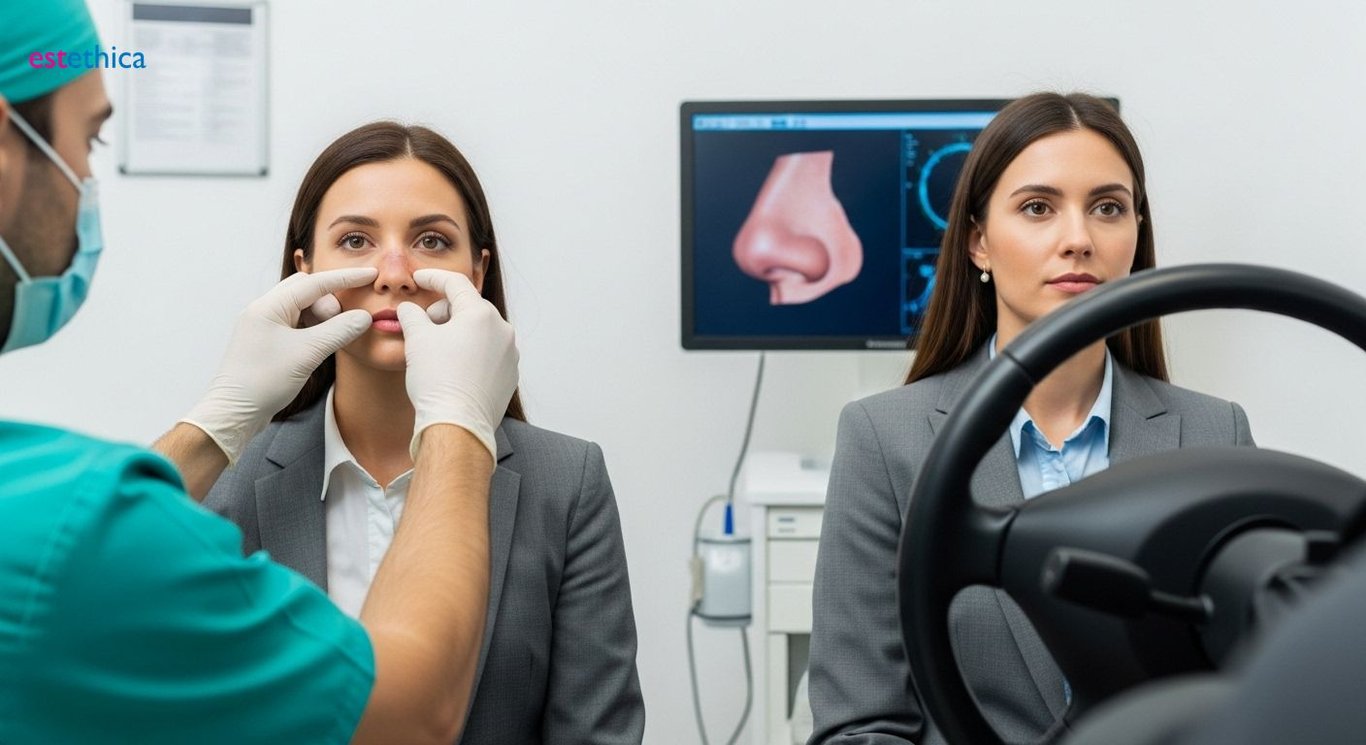
Rhinoplasty is not just about enhancing one's appearance; it plays a crucial role in improving the functional aspects of the nose as well. Cosmetic rhinoplasty focuses on changing the shape, size, or proportions of the nose to better align with the patient's desired aesthetic. Functional rhinoplasty, however, addresses issues such as a deviated septum, nasal polyps, or other structures that can impair breathing.
Many patients opt for a combination of both cosmetic and functional rhinoplasty, which results in both an aesthetically pleasing appearance and improved nasal function. For example, correcting a deviated septum can alleviate snoring and sleep apnea symptoms, significantly enhancing one's quality of life.
Understanding the Benefits of Combined Rhinoplasty
Choosing to undergo a combined cosmetic and functional rhinoplasty can yield significant benefits, addressing both aesthetic desires and physical health concerns simultaneously. This approach ensures that while the nose is reshaped to enhance facial harmony, any underlying structural issues that impede breathing are also corrected. For instance, individuals with a crooked nose might also suffer from nasal obstruction, making a combined procedure the ideal solution. The result is not only an improved appearance but also enhanced nasal function, leading to better sleep quality and overall well-being. The synergy between cosmetic and functional improvements makes this a compelling option for those seeking comprehensive nasal correction. By addressing both form and function, patients can achieve a balanced and harmonious outcome that enhances their quality of life. In fact, it's estimated that up to 60% of rhinoplasty patients also have some degree of functional impairment.
Factors Influencing Rhinoplasty Decisions
- Aesthetic goals: Desired changes to the nose's shape, size, or profile.
- Functional needs: Addressing breathing difficulties, sinus issues, or structural abnormalities.
- Overall health: Assessing any underlying conditions that may impact surgical outcomes.
Exploring the Functional Advantages of Rhinoplasty
Beyond aesthetic enhancements, rhinoplasty offers substantial functional advantages that can significantly improve a person's quality of life. Functional rhinoplasty specifically targets structural issues within the nose that impede normal breathing. Correcting a deviated septum, for instance, can open up nasal passages, allowing for better airflow and reduced congestion. Similarly, removing nasal polyps or repairing damaged nasal valves can alleviate chronic sinusitis and improve overall respiratory health. These functional improvements not only enhance physical comfort but also contribute to better sleep, increased energy levels, and improved performance in physical activities. For example, athletes who undergo functional rhinoplasty often experience enhanced endurance due to improved oxygen intake. These procedures are designed to restore the nose's natural functionality, ensuring that patients can breathe freely and comfortably. In fact, studies show that functional rhinoplasty can improve nasal airflow by up to 80% in patients with severe obstructions.
Steps to Ensure Optimal Rhinoplasty Outcomes
- Comprehensive consultation: Discuss aesthetic goals and functional concerns with a qualified surgeon.
- Thorough evaluation: Undergo a detailed examination to assess nasal structure and identify any underlying issues.
- Customized treatment plan: Develop a surgical approach tailored to individual needs and desired outcomes.

Finding the Best Rhinoplasty Surgeon: Essential Questions to Ask
Assessing a Surgeon’s Expertise in Nose Surgery
Choosing the right surgeon is pivotal for achieving the desired outcome in rhinoplasty. Start by verifying their credentials and experience; ensure they are board-certified and have extensive experience with both cosmetic and functional rhinoplasty. A surgeon's board certification indicates they have met rigorous standards of education, training, and expertise in their specialty. It's also beneficial to inquire about their specific training in rhinoplasty, as some surgeons may have additional fellowships or focused training in this area. Furthermore, consider the surgeon's experience with different types of rhinoplasty procedures, such as open, closed, revision, and ethnic rhinoplasty. For example, a surgeon who frequently performs revision rhinoplasty may have a deeper understanding of complex nasal anatomy and potential complications. The American Board of Facial Plastic and Reconstructive Surgery (ABFPRS) and the American Board of Plastic Surgery (ABPS) are reputable boards to look for when verifying a surgeon’s credentials. Approximately 75% of patients report higher satisfaction when their surgeon is board-certified.
Key Questions to Ask Your Rhinoplasty Surgeon
- What is your experience with rhinoplasty?
- Can you show me before-and-after photos of previous surgeries?
- What types of surgeries do you specialize in?
Important questions to ask include:
- What are the risks of rhinoplasty?
- How to prepare for rhinoplasty?
- What can I expect in the initial consultation and post-surgery follow-ups?
Understanding the answers to these questions will help ensure you are comfortable with your choice and can be confident that your surgeon is capable of delivering the best possible results. For instance, asking about the surgeon's approach to managing complications can provide insight into their problem-solving skills and commitment to patient safety. Additionally, inquiring about their philosophy on achieving natural-looking results can help align your expectations with their aesthetic vision. Before-and-after photos should demonstrate a consistent track record of successful outcomes, showcasing a range of nasal shapes and patient demographics. Ultimately, the goal is to find a surgeon who not only possesses the technical skills but also communicates effectively and instills confidence. Studies show that clear communication between surgeon and patient can improve satisfaction rates by up to 90%.
Precision Rhinoplasty via Open and Closed Techniques for Optimal Nasal Reshaping
estethica employs both open and closed rhinoplasty techniques, ensuring tailored approaches for each patient's unique needs. Open rhinoplasty allows for greater visibility and access for complex corrections, while closed rhinoplasty minimizes visible scarring for less extensive modifications.
estethica's surgeons are board-certified and highly experienced in both cosmetic and functional rhinoplasty, ensuring comprehensive care. Their expertise extends to revision rhinoplasty, demonstrating a deep understanding of complex nasal anatomy and potential complications, ensuring optimal patient outcomes. estethica's commitment to excellence is reflected in its adoption of advanced techniques and continuous professional development.
Patient-Centric Rhinoplasty Journey Focused on Safety and Natural-Looking Results
estethica prioritizes patient safety and comfort throughout the rhinoplasty process, from initial consultation to post-operative care. The hospital utilizes state-of-the-art technology and adheres to strict quality control measures to minimize risks and ensure optimal results. estethica's approach emphasizes clear communication, personalized treatment plans, and comprehensive follow-up care, fostering trust and confidence among patients.
Patients consistently report high satisfaction with estethica's rhinoplasty procedures, citing improved aesthetic appearance, enhanced breathing function, and a natural-looking outcome. The hospital's dedication to achieving patient goals and providing exceptional care contributes to its positive reputation and strong word-of-mouth referrals. Clear communication between surgeon and patient improves satisfaction rates.
Frequently Asked Questions
What is the difference between a rhinoplasty and a nose job?
What does the recovery process look like after nose surgery?
Why would someone need functional rhinoplasty?
How do I find the best rhinoplasty surgeon for my needs?
What are the different surgical techniques used in rhinoplasty?
Ready to discover your healthy beauty potential with estethica's expert guidance?
📞 Call Us for a Free Consultation!