


Discover how nose surgery can transform not only your appearance but also your confidence. Learn about procedures, recovery, and more.
Rhinoplasty, commonly known as nose surgery or a nose job, is a complex surgical procedure aimed at reshaping the nose to enhance facial harmony and improve breathing. Whether you're considering it for aesthetic reasons or to address breathing issues, understanding the ins and outs of rhinoplasty is crucial. This guide will navigate you through the realities and possibilities, and provide essential insights into life after nose surgery.
Rhinoplasty Realities: Understanding the Procedure and Its Possibilities
Navigating Rhinoplasty: A Personalized Approach
Rhinoplasty, often referred to as a nose job or nose surgery, is a highly individualized procedure that aims to reshape the nose to achieve facial harmony or improve breathing function. Cosmetic nose surgery can involve subtle alterations to the nasal structure, addressing concerns like size, shape, and symmetry. During the initial consultation, the surgeon will conduct a thorough assessment, discussing the patient's aesthetic goals and functional needs to determine the most appropriate surgical plan. Each rhinoplasty is tailored to the individual's unique anatomy and desired outcome, ensuring a natural-looking and balanced result.
- Customized Surgical Plan: Every rhinoplasty is personalized to meet the patient's specific goals and anatomical needs.
- Functional and Aesthetic Improvements: Rhinoplasty can address both cosmetic concerns and functional issues like breathing difficulties.
- Realistic Expectations: Setting achievable goals is crucial for patient satisfaction and a successful surgical outcome.
Understanding the Nuances of Nasal Reconstruction
Nasal reconstruction through rhinoplasty requires a deep understanding of nasal anatomy and surgical techniques. Rhinoplasty for deviated septum aims to correct structural issues that impede airflow, while cosmetic nose surgery focuses on reshaping the external appearance. Whether it's refining the nasal tip, straightening the bridge, or reducing the overall size, the surgeon employs precise techniques to achieve the desired result. The choice between open vs closed rhinoplasty depends on the complexity of the case and the extent of correction needed. The surgeon will discuss these options in detail during the consultation, explaining the benefits and limitations of each approach.
- Comprehensive Consultation: The surgeon assesses nasal structure and discusses patient goals.
- Surgical Planning: A personalized surgical plan is developed to address specific needs.
- Post-operative Care: Proper care and follow-up are essential for optimal healing and results.

Beyond Aesthetics: Exploring Rhinoplasty for Breathing and Septum Correction
Functional Benefits of Rhinoplasty: More Than Just Aesthetics
While many seek rhinoplasty for cosmetic enhancements, its functional benefits are equally significant. Rhinoplasty for deviated septum, known as septorhinoplasty, corrects structural issues that impede airflow. By reshaping the nasal passages, this procedure can alleviate chronic congestion, improve breathing, and enhance overall respiratory function. Patients often experience a noticeable reduction in sinus infections and improved sleep quality following the surgery. The procedure not only addresses aesthetic concerns but also contributes to long-term respiratory health. Nasal surgery can significantly improve the quality of life for individuals struggling with breathing difficulties.
- Improved Airflow: Corrects structural issues to enhance breathing.
- Reduced Sinus Infections: Alleviates chronic congestion and sinus problems.
- Enhanced Sleep Quality: Facilitates better breathing during sleep.
Understanding Septorhinoplasty: Correcting Deviated Septum
Septorhinoplasty is a specialized form of rhinoplasty focused on correcting a deviated septum. This condition, where the nasal septum is displaced to one side, can cause significant breathing difficulties and nasal congestion. During septorhinoplasty, the surgeon straightens and repositions the septum to improve airflow through the nasal passages. The procedure often involves reshaping the external nose to achieve both functional and aesthetic improvements. Nasal reconstruction may be necessary to ensure structural integrity and a natural appearance. Patients undergoing septorhinoplasty often report substantial relief from breathing problems and a significant improvement in their overall quality of life.
- Assessment: Comprehensive evaluation of the nasal structure and septum.
- Correction: Straightening and repositioning the deviated septum.
- Improvement: Enhanced airflow and reduced breathing difficulties.
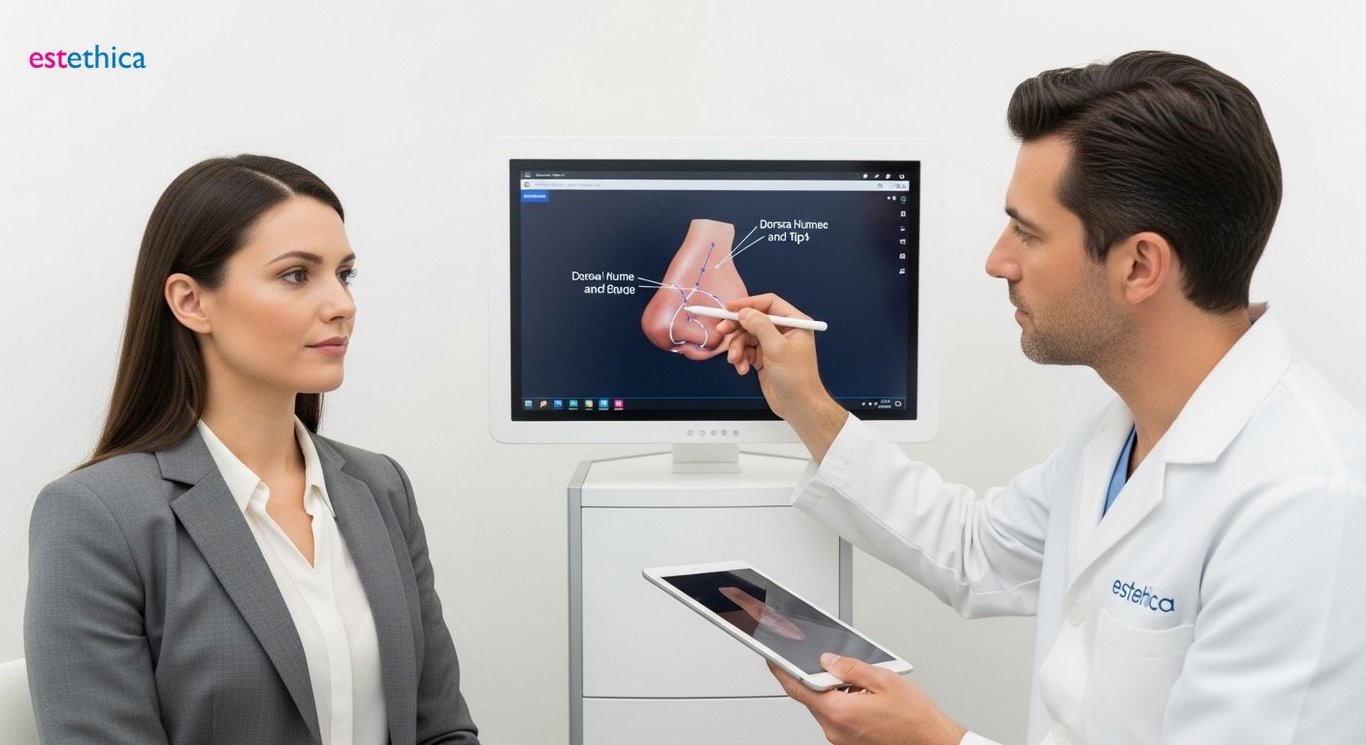
Open vs. Closed Rhinoplasty: Choosing the Right Technique for Your Needs
Comparing Open and Closed Rhinoplasty Techniques
Rhinoplasty involves two primary surgical approaches: open and closed. Open rhinoplasty, also known as external rhinoplasty, involves a small incision on the columella, the tissue between the nostrils. This incision allows the surgeon greater access to the underlying nasal structures, providing enhanced visibility and control for significant reshaping. Closed rhinoplasty, or endonasal rhinoplasty, involves making all incisions inside the nostrils, leaving no visible external scars. The choice between these techniques depends on the complexity of the nasal correction needed and the surgeon's expertise.
- Open Rhinoplasty: Involves an external incision for greater access and visibility.
- Closed Rhinoplasty: Uses internal incisions, leaving no visible scars.
- Technique Selection: Depends on the complexity of the case and surgeon preference.
Determining the Best Rhinoplasty Approach for Your Needs
Selecting the appropriate rhinoplasty technique requires careful consideration of individual needs and surgical goals. Open rhinoplasty is often recommended for complex nasal reconstructions, significant reshaping, or revision rhinoplasty, where previous surgeries have altered the nasal structure. Closed rhinoplasty may be suitable for patients requiring minor corrections or refinements, as it is less invasive and typically involves a quicker recovery. Your surgeon will evaluate your nasal anatomy, discuss your desired outcomes, and recommend the most appropriate method to achieve optimal results. Cosmetic nose surgery can be tailored to address specific concerns, ensuring a natural and balanced appearance.
- Evaluation: Surgeon assesses nasal anatomy and discusses patient goals.
- Recommendation: Surgeon recommends the most suitable technique.
- Customization: Surgical plan is tailored to individual needs and desired outcomes.

Life After Nose Surgery: Essential Recovery Tips and Long-Term Care
Navigating the Post-Rhinoplasty Journey: Recovery and Maintenance
The journey following rhinoplasty, whether for cosmetic nose surgery or functional improvements, requires careful attention to post-operative care. Initial recovery involves managing swelling and bruising, which are natural responses to nasal surgery. Patients should keep their head elevated to minimize swelling and avoid strenuous activities that could disrupt the healing process. Following the surgeon’s specific guidelines is crucial for optimal results. Long-term care includes protecting the nose from trauma and maintaining a healthy lifestyle to support overall healing. Rhinoplasty recovery tips summer often emphasize staying hydrated and avoiding excessive sun exposure to prevent complications.
- Elevated Head Position: Reduces swelling and promotes healing.
- Gentle Care: Avoidance of strenuous activities and potential trauma.
- Hydration and Sun Protection: Important during summer months for optimal recovery.
Achieving Lasting Results: The Importance of Long-Term Care
Long-term care after a nose job is essential for preserving the results and ensuring satisfaction with the outcome. Meticulous attention to the surgeon’s recommendations, such as avoiding nasal trauma and attending follow-up appointments, contributes to the longevity of the surgical improvements. Patients who undergo rhinoplasty for deviated septum should continue to monitor their breathing and report any changes to their surgeon. Whether it's rhinoplasty swelling winter or any other seasonal concern, proactive care ensures the nose maintains its improved form and function. The goal is to sustain the benefits of the surgery and maintain a natural, balanced appearance for years to come.
- Follow-Up Appointments: Regular check-ups to monitor healing and address concerns.
- Protection from Trauma: Avoiding activities that could cause nasal injury.
- Healthy Lifestyle: Maintaining overall health to support long-term results.
Precision Nasal Reshaping with Open and Closed Rhinoplasty Techniques
Comprehensive Post-Rhinoplasty Care for Optimal Healing and Lasting Results
Frequently Asked Questions
What is rhinoplasty and what are its primary goals?
What are the functional benefits of rhinoplasty beyond aesthetics?
What is the difference between open and closed rhinoplasty techniques?
What does the recovery process involve after a rhinoplasty procedure?
How can I ensure lasting results after undergoing rhinoplasty?
Achieve your aesthetic goals with estethica's world-class surgeons and advanced techniques.
📞 Call Now for a Free Consultation!