


Rhinoplasty offers aesthetic and health benefits, making it a transformative procedure for enhancing your appearance and breathing.
Rhinoplasty, commonly referred to as a 'nose job', is more than just a cosmetic procedure. It holds the potential to transform your appearance and significantly improve your breathing functions. Whether you're seeking rhinoplasty for aesthetic reasons or medical necessities, understanding the nuances of this surgery is crucial for your decision-making process.
Rhinoplasty vs. Nose Job: Decoding the Terminology
Understanding the Nuances of Rhinoplasty
Rhinoplasty, commonly known as a nose job, involves altering the nose's structure to improve its appearance, function, or both. This surgical procedure encompasses a wide range of techniques tailored to each patient's specific needs, whether addressing breathing difficulties or correcting deformities. For instance, correcting a deviated septum during a rhinoplasty can significantly improve airflow, reducing instances of chronic sinusitis. The term 'rhinoplasty' encompasses not just aesthetic enhancements but also functional corrections, making it a comprehensive solution for various nasal issues.
Key Distinctions in Rhinoplasty Procedures
- Open Rhinoplasty: This technique involves making a small incision on the columella (the strip of tissue between the nostrils) to lift the skin and expose the underlying nasal structures. This approach is often used for more complex nasal reshaping and provides the surgeon with greater visibility and access.
- Closed Rhinoplasty: In contrast, closed rhinoplasty involves making incisions inside the nostrils, leaving no visible external scars. This technique is suitable for less complex cases where only minor adjustments are needed.
- Revision Rhinoplasty: This procedure is performed to correct or improve the results of a previous rhinoplasty. It is often more complex than the initial surgery and requires a highly skilled surgeon to address issues such as asymmetry, breathing problems, or aesthetic concerns.
Nasal reconstruction can provide relief by addressing structural abnormalities. For example, someone with chronic nasal congestion might benefit from rhinoplasty to improve nasal passage alignment. Rhinoplasty procedures are versatile, addressing both form and function.

Breathe Easier: Rhinoplasty for Deviated Septum & Nasal Reconstruction
The Functional Benefits of Rhinoplasty
For individuals suffering from a deviated septum, rhinoplasty offers a dual advantage of aesthetic enhancement and health improvement. Correcting the nasal passage facilitates better airflow, alleviating respiratory problems and enhancing the patient's quality of life. Improved breathing can lead to more restful sleep and reduced snoring. Nasal reconstruction can significantly improve daily comfort and physical performance.
What to Expect During Nasal Reconstruction
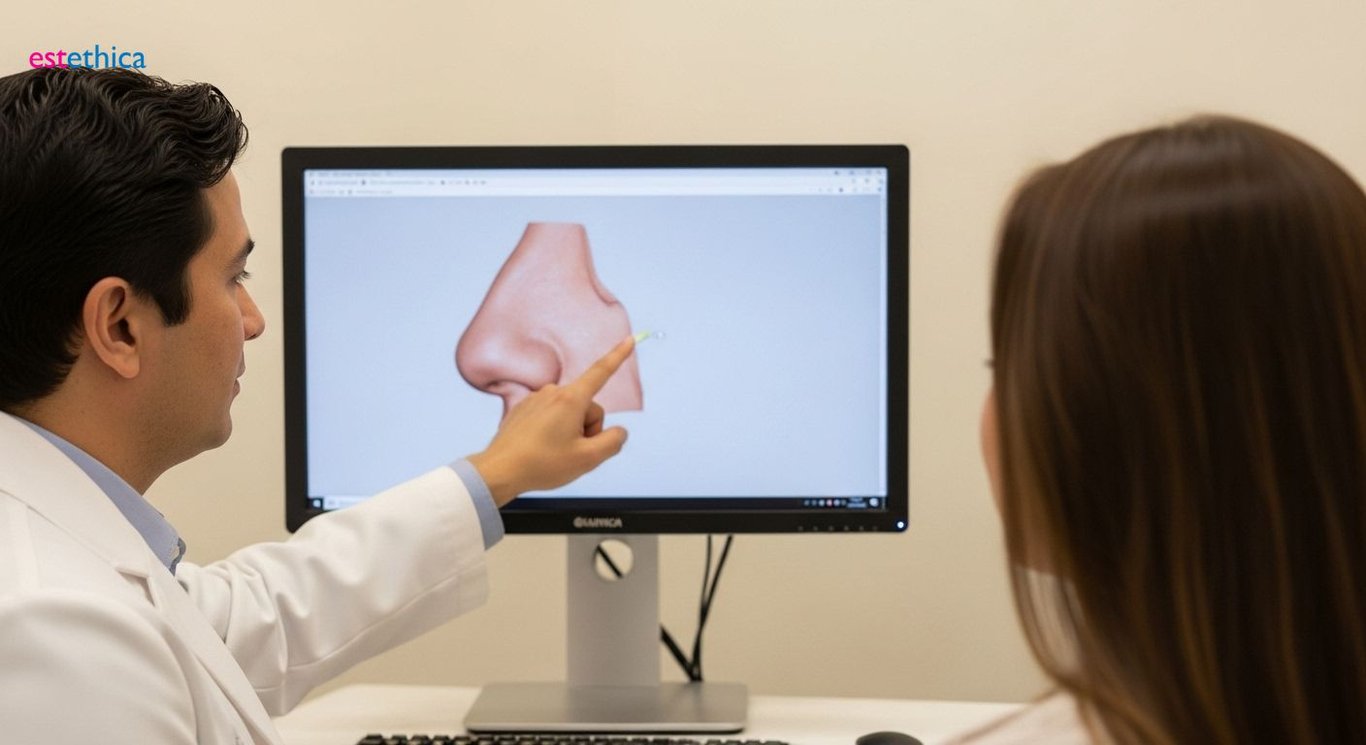
- Initial Consultation: A thorough evaluation of your nasal structure and breathing issues is conducted to determine the best surgical approach tailored to your specific needs.
- Surgical Procedure: The rhinoplasty involves reshaping the nasal bones and cartilage and straightening the septum to improve airflow and nasal symmetry. Patients can expect the procedure to take several hours depending on the complexity.
- Post-operative Care: Following surgery, patients receive detailed instructions on how to care for their nose, manage discomfort, and minimize swelling to ensure a smooth and successful recovery.
Seasonal Rhinoplasty: Navigating Recovery in Summer & Winter
Optimal Timing for Nose Surgery: Seasonal Considerations
Timing your rhinoplasty can play a crucial role in your overall recovery experience. Understanding how different seasons may affect healing can help patients make informed decisions about when to schedule their nose surgery. For example, some individuals find that the cooler temperatures of winter offer a more comfortable period for recuperation, while others might prefer the summer months despite the potential for increased swelling due to heat. Consider how each season aligns with your lifestyle and recovery needs to optimize your outcome. For instance, a teacher might prefer summer for the extended break, while an office worker may choose winter to minimize time off.
Navigating Seasonal Challenges After a Nose Job
- Summer Considerations: Elevated temperatures can exacerbate swelling and discomfort post-surgery. Patients should stay in air-conditioned environments and avoid prolonged sun exposure that may cause complications, and they should keep hydrated to help reduce swelling.
- Winter Considerations: While cooler temperatures can be more comfortable, indoor heating can dry out nasal passages, potentially leading to discomfort. Using a humidifier and staying hydrated can help maintain moisture and promote healing and using nasal saline sprays to maintain moisture.
- Year-Round Essentials: Regardless of the season, adhering to post-operative care instructions and attending follow-up appointments are critical. Maintaining a healthy diet and avoiding strenuous activities will support optimal healing, ensuring the best possible results from your rhinoplasty.

Ethnic Rhinoplasty: Tailoring the Procedure to Your Unique Features
Understanding Ethnic Variations in Nose Surgery
Ethnic rhinoplasty is a specialized approach that respects the unique anatomical and cultural characteristics of various ethnic groups. This form of nose surgery ensures that the results harmonize with the patient's overall facial features and cultural identity. For example, adjustments to the nasal bridge or tip are carefully considered to maintain ethnic characteristics while enhancing overall aesthetics. Ethnic rhinoplasty aims to provide a balanced and natural-looking outcome that honors the individual's heritage. Preserving cultural identity is a key aspect of this specialized procedure.
Considerations for Ethnic Rhinoplasty
- Preservation of Ethnic Identity: The goal is to enhance, not erase, the unique characteristics that define a person’s ethnic background. Surgeons focus on refining the nose while respecting its inherent structure.
- Customized Surgical Plan: Each procedure is tailored to the individual’s specific anatomy and aesthetic goals. A detailed consultation ensures that the patient's desires are understood and incorporated into the surgical plan.
- Advanced Techniques: Specialized techniques are used to address the specific challenges presented by different nasal structures. These techniques ensure optimal results that are both aesthetically pleasing and culturally sensitive.
A meticulous surgical approach, that also considers the patient's personal preferences, is essential for successful results. The procedure also aims for balanced aesthetics in harmony with the patient's unique facial structure.
Transform Your Look: The Art of Rhinoplasty
Precision Rhinoplasty through Open and Closed Techniques for Aesthetic and Functional Results
Comprehensive Care Ensuring Patient Comfort and Optimal Seasonal Recovery
Frequently Asked Questions
What is rhinoplasty, and how does it differ from a standard nose job?
How can rhinoplasty help with a deviated septum and other nasal breathing problems?
What are some key rhinoplasty recovery tips after nose surgery in summer and winter?
What is ethnic rhinoplasty, and how does it cater to unique features?
What are open and closed rhinoplasty techniques, and when is each recommended?
Achieve your aesthetic goals with estethica's expert guidance!
📞 Call Now for a Free Consultation!