


Discover the transformative potential of ear surgery and pinning for a natural, confident look.
Otoplasty, or ear surgery, is not just a procedure; it's a transformative journey for many seeking more balanced facial aesthetics. Whether born with asymmetrical ears or simply desiring a more proportionate look, ear surgery offers a solution. This guide delves into the details of ear surgery and pinning, exploring options, recovery, and how to find the best care possible.
Otoplasty Unveiled: Understanding Ear Surgery Options
Exploring the Nuances of Ear Reshaping
Ear surgery, often called otoplasty, presents numerous options for individuals seeking to improve the appearance and structure of their ears. This surgical field encompasses a range of techniques designed to correct deformities, reduce the size of overly large ears, or set back protruding ears closer to the head. The goal is to achieve a natural-looking result. Understanding the specific types of cosmetic ear surgery that are available is essential for anyone considering this procedure.
Cosmetic ear surgery aims to create symmetrical, well-proportioned ears that enhance overall facial harmony. One common procedure is ear pinning, where the ears are surgically repositioned to lie flatter against the head, addressing concerns about prominent ears. Another is ear reduction surgery, designed for those with excessively large ears, reducing their overall size to better match facial proportions.
For instance, parents might consider otoplasty for a child self-conscious, as social interactions are very effective at an early age. Similarly, adults who have always been bothered by the shape or size of their ears might opt for ear reshaping surgery for adults to achieve a more balanced and confident look. The choice of procedure depends on individual anatomical features and the desired aesthetic outcome. Ultimately, understanding the available options empowers patients to make informed decisions aligned with their personal goals.
Variations in Otoplasty Techniques
The landscape of otoplasty includes both traditional surgical methods and innovative, minimally invasive techniques. Traditional otoplasty involves making incisions behind the ear to reshape the cartilage and adjust the ear's position. This approach is particularly effective. Ear surgery techniques include cartilage scoring, cutting, and repositioning to achieve the desired contour.
Minimally invasive otoplasty, are also called non surgical ear reshaping and techniques like the "stitch method". This method employs sutures to reshape the ear without removing cartilage. These methods reduces the risk of scarring and shortens recovery time. The choice between traditional and minimally invasive techniques depends on the patient's specific needs, the degree of correction required, and the surgeon's expertise. Each type of procedure aims to provide long-lasting aesthetic improvements while minimizing potential complications.
The recovery and healing process varies depending on the technique used. For example, traditional otoplasty may involve a longer recovery period with more noticeable swelling and bruising compared to minimally invasive methods. Whether opting for traditional cosmetic ear surgery or exploring the possibilities of non surgical ear reshaping, consulting with a skilled and experienced surgeon is crucial. Here's a comparison of the different factors in choosing the right otoplasty technique:
- Severity of Correction: Traditional methods for significant reshaping versus minimally invasive for minor adjustments.
- Recovery Time: Longer for traditional due to extensive tissue manipulation, shorter for minimally invasive options.
- Scarring: Traditional surgery may result in more visible scars compared to the minimal scarring of newer methods.

Cosmetic Ear Surgery: Is Reshaping Right for You?
Candidacy and the Journey to estethica Ear Reshaping
Deciding whether cosmetic ear surgery is right for you involves several important considerations. Ideal candidates for ear surgery typically include individuals who are unhappy with the size, shape, or position of their ears. For children, it is generally recommended that they be at least five years old, allowing their ears to be fully developed before undergoing surgery.
Adults who have always been self-conscious about their ears also represent excellent candidates. Psychological benefits such as increased self-esteem and confidence often motivate individuals. People consider ear reshaping surgery for adults because they feel their appearance affects their social or professional lives.
It's important to remember that cosmetic ear surgery is different from other aesthetic procedures because it often addresses concerns that have been present since childhood. For example, while someone might choose a facelift later in life to combat aging, the decision to undergo cosmetic ear surgery typically stems from long-standing dissatisfaction with the ears' appearance. To assess your individual candidacy, consider these points:
- Age and Ear Development: Ensuring ears are fully developed, typically around age five for children.
- Psychological Readiness: Assessing whether the procedure is driven by genuine self-esteem concerns.
- Realistic Expectations: Understanding the achievable outcomes and limitations of the surgery.
Weighing the Benefits of Improved Confidence
Undergoing cosmetic ear surgery can offer significant psychological benefits, especially for those who have long felt self-conscious about their ears. The procedure, whether it's ear pinning or ear reduction surgery, is designed to correct deformities and create a more balanced and harmonious appearance.
This transformation can lead to a notable improvement in self-esteem and overall well-being. For example, someone who has always avoided certain hairstyles or social situations due to protruding ears may find themselves more open and confident after undergoing otoplasty. The change is more than just physical as it positively impacts how individuals perceive themselves and interact with others.
The benefits of improved confidence can extend to various aspects of life. An individual might feel more comfortable in professional settings, leading to improved performance and career advancement. In social contexts, increased self-assurance can enhance relationships and foster a greater sense of belonging. Examples of these positive changes include:
- Enhanced Social Interactions: Feeling more at ease in social situations and less self-conscious about appearance.
- Increased Professional Confidence: Improved self-esteem contributing to better performance at work.
- Greater Emotional Well-being: Experiencing a reduction in anxiety and an increase in overall happiness due to improved self-image.
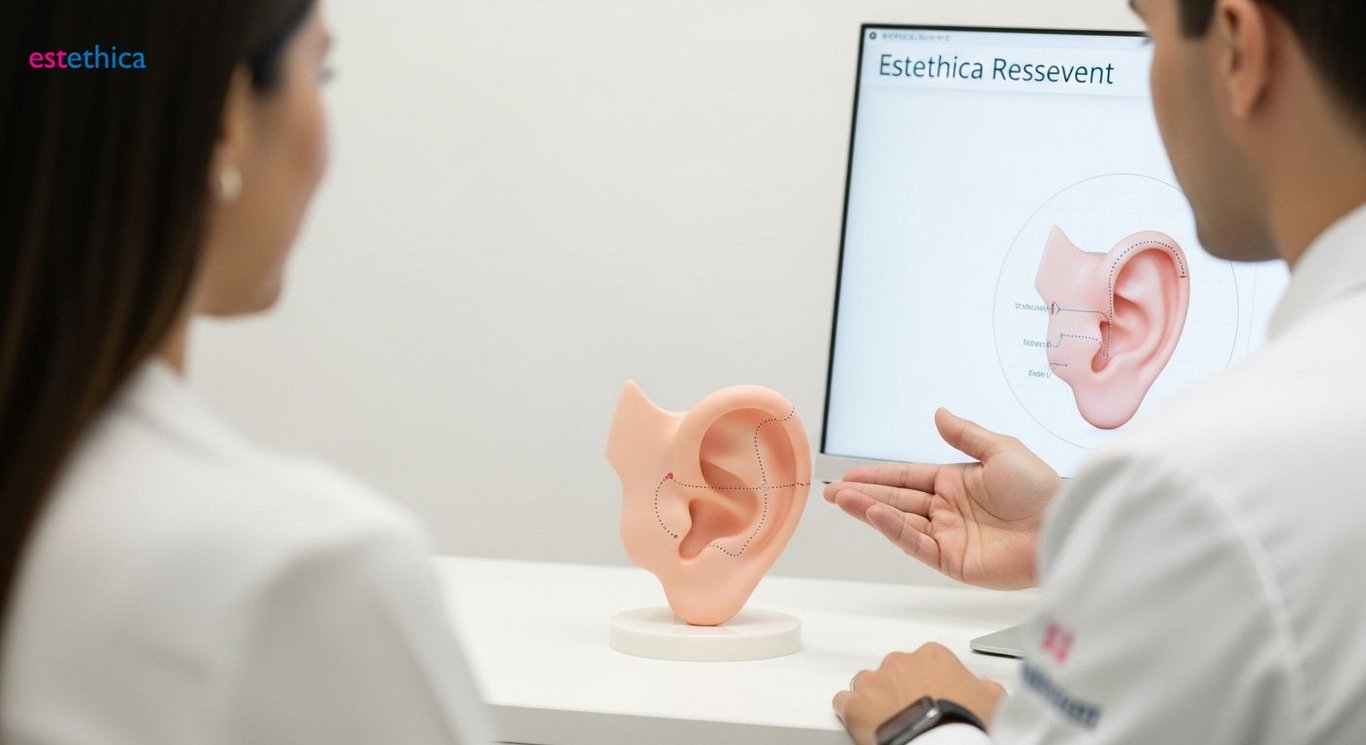
Ear Pinning (Otoplasty): Procedure, Recovery & Candidacy
Navigating the Otoplasty Procedure at estethica
The journey of ear pinning, or otoplasty, begins with a comprehensive consultation at estethica. During this initial meeting, the surgeon evaluates the patient's ear structure, discusses aesthetic goals, and explains the procedure in detail. This stage ensures that both the surgeon and patient have a clear understanding of the expected outcomes and any potential limitations. Pre-operative preparation is essential for a smooth surgical experience.
On the day of the surgery, the patient is administered anesthesia. The type of anesthesia used, whether local or general, depends on the patient's preference and the surgeon's recommendation. The surgical technique involves making incisions behind the ear to expose the cartilage. The surgeon then reshapes the cartilage, often using sutures to hold the new form in place.
In some cases, a small amount of cartilage may be removed to achieve the desired contour. The incisions are carefully closed with sutures, minimizing the appearance of scars. This meticulous approach helps ensure a natural-looking result. Here are examples of what to expect:
- Detailed Consultation: Comprehensive assessment of ear structure and aesthetic goals.
- Anesthesia Administration: Choice between local or general anesthesia based on patient and surgeon preference.
- Precise Incision Closure: minimizes visible scars for a natural look.
Post-operative Care and Recovery Expectations
Following ear pinning surgery, proper post-operative care is crucial for optimal healing and results. Patients typically wear a bandage around their head for the first few days to protect the ears and minimize swelling. Pain medication is prescribed to manage any discomfort during the initial recovery period.
It's important to keep the incision sites clean and dry to prevent infection. Patients are advised to avoid strenuous activities and contact sports for several weeks to allow the ears to heal properly. Regular follow-up appointments with the surgeon are scheduled to monitor progress and address any concerns.
The recovery timeline varies from patient to patient, but most individuals can resume their normal activities within a few weeks. Final results become more apparent as swelling subsides completely, revealing the newly contoured ears. Here are crucial aspects of post-operative care:
- Bandage Protection: Wearing a bandage for the first few days to minimize swelling and protect the ears.
- Incision Care: Keeping incision sites clean and dry to prevent infection.
- Activity Restrictions: Avoiding strenuous activities and contact sports for several weeks.
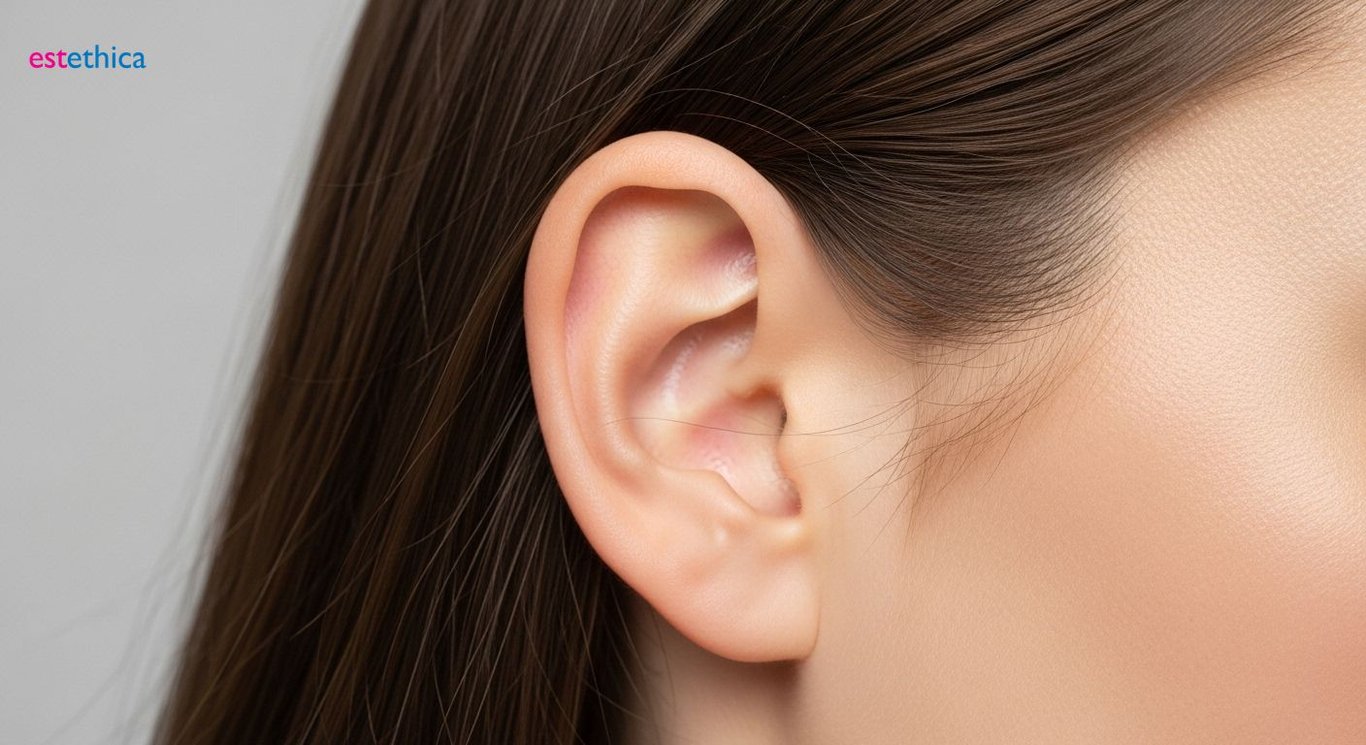
Finding the Best Ear Surgeon: Your Journey to Natural-Looking Ears
Essential Qualifications for Your Cosmetic Ear Surgeon
Selecting the right surgeon is paramount to achieving the best possible results in ear surgery. Begin by verifying that the surgeon is board-certified in plastic surgery or otolaryngology. Board certification ensures that the surgeon has completed extensive training and has demonstrated competence in cosmetic and reconstructive procedures. This verification can often be done through the official websites of certifying boards.
Experience is another critical factor. Look for a surgeon who has performed a significant number of ear surgery procedures, including the specific type of surgery you are considering, whether it is ear pinning or ear reduction surgery. Experienced surgeons are better equipped to handle unexpected challenges and are more likely to deliver satisfactory outcomes. Consider these key qualifications when evaluating a surgeon:
- Board Certification: Verifies specialized training and expertise in relevant surgical fields.
- Years of Experience: Indicates a surgeon's proficiency and familiarity with various ear reshaping techniques.
- Specialized Knowledge: Underlines expertise in addressing specific conditions which require cosmetic ear surgery, enhancing the quality of patient care.
Checking online reviews and testimonials can provide additional insights into a surgeon's reputation and patient satisfaction.
The Role of Consultation in Tailoring Your Otoplasty
Personal consultations are an indispensable step in ensuring a successful ear surgery experience. During the consultation, the surgeon will assess your ear anatomy, discuss your aesthetic goals, and determine the most appropriate surgical approach. This is the time to ask questions, express any concerns, and gain a clear understanding of what to expect before, during, and after the procedure.
A good surgeon will take the time to listen to your concerns and provide honest, realistic expectations. They should explain the potential risks and complications associated with the surgery, as well as the expected recovery process. Additionally, the surgeon should be able to show you before-and-after photos of previous patients to give you an idea of their work. Here are key elements to consider during your consultation:
- Detailed Assessment: The surgeon thoroughly evaluates your ear structure and discusses your specific goals.
- Realistic Expectations: The surgeon provides an honest overview of potential outcomes and limitations.
- Comprehensive Discussion: Open communication about risks, benefits, and the entire surgical process.
A well-conducted consultation is a collaborative process that builds trust and confidence between you and your surgeon, increasing the likelihood of a satisfying result at estethica.
Understanding Otoplasty: A Comprehensive Guide
Precision Otoplasty Leveraging Advanced Cartilage Reshaping Techniques
Meticulous Post-Operative Care Ensuring Optimal Otoplasty Recovery
Frequently Asked Questions
What are the primary options available for ear surgery (otoplasty)?
Who is considered an ideal candidate for cosmetic ear surgery or ear pinning?
What does the recovery process involve after undergoing an otoplasty procedure?
What qualifications should I look for when selecting the best ear surgeon for otoplasty?
Discover your path to healthy beauty with estethica's expert guidance and personalized solutions.
📞 Call Now for a Free Consultation!