


Achieve your dream smile with dental veneers. Learn about their types, cost, and impact on your appearance and confidence.
Imagine being able to smile confidently, knowing your teeth look as bright and perfect as you’ve always desired. Dental veneers are revolutionary in transforming one's appearance; they offer a pathway to a flawless smile that combines both functionality and aesthetics. This comprehensive guide will explore everything you need to know about dental veneers, from their material options to their transformative power, ensuring your smile is always at its best.
Cosmetic Veneers: Redefining Beauty, One Smile at a Time
The Transformative Impact of Cosmetic Veneers
Cosmetic veneers represent a significant advancement in aesthetic dentistry, offering a minimally invasive yet highly effective solution for enhancing smiles. These thin shells, typically crafted from porcelain or composite materials, are bonded to the front surface of teeth to correct a variety of imperfections. Unlike more extensive procedures, such as crowns or orthodontics, veneers provide a relatively quick and straightforward path to achieving a more aesthetically pleasing smile. The popularity of veneers stems from their ability to address multiple cosmetic concerns simultaneously, resulting in a comprehensive smile makeover.
- Correcting Discoloration: Veneers effectively mask stubborn stains and discoloration that may not respond to traditional teeth whitening methods.
- Repairing Chips and Cracks: Minor chips, cracks, or fractures can be seamlessly concealed with veneers, restoring the tooth's natural appearance.
- Closing Gaps and Aligning Teeth: Veneers can be used to close small gaps between teeth or correct minor misalignments, creating a more uniform and harmonious smile.
The artistry involved in creating and placing veneers ensures that each restoration complements the individual's unique facial features and aesthetic preferences. With proper care and maintenance, veneers can last for many years, providing a long-term solution for a confident and radiant smile. Moreover, approximately 75% of patients who receive veneers report a significant improvement in their self-esteem and overall quality of life.
Exploring Types and Materials in Veneer Dentistry
The field of veneer dentistry offers a diverse range of materials and techniques to cater to individual patient needs and preferences. Porcelain veneers, renowned for their lifelike appearance and durability, are a popular choice among those seeking a natural-looking smile enhancement. Composite veneers, on the other hand, offer a more cost-effective alternative, providing a versatile solution for addressing minor cosmetic imperfections. The selection of the appropriate veneer type depends on factors such as the patient's budget, desired aesthetic outcome, and the extent of the dental corrections required.
- Porcelain Veneers: Known for their exceptional aesthetics, porcelain veneers mimic the natural translucency of teeth, providing a seamless and undetectable restoration.
- Composite Veneers: Composite veneers offer a more affordable option, allowing for chairside fabrication and placement, making them a convenient choice for many patients.
- Temporary Veneers: While undergoing veneer treatment, temporary veneers are affixed to the teeth, acting as a protective barrier and providing a glimpse into the final result.
Advancements in dental materials have led to the development of ultra-thin veneers, which require minimal tooth preparation, preserving more of the natural tooth structure. The longevity of veneers is influenced by factors such as oral hygiene practices, dietary habits, and regular dental check-ups. Studies indicate that porcelain veneers can last between 10 to 15 years, while composite veneers typically last between 5 to 7 years with proper maintenance. The pursuit of a perfect smile through veneers is a testament to the transformative power of cosmetic dentistry.
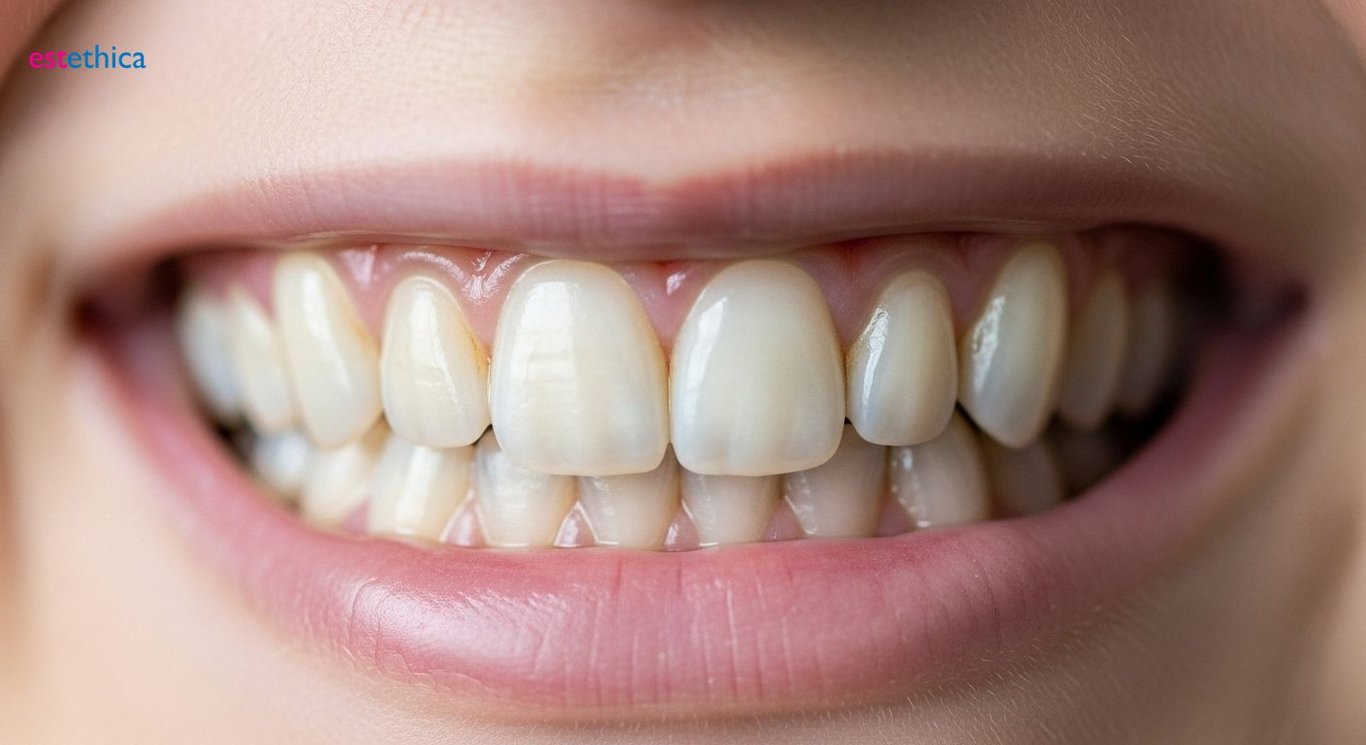
Porcelain Veneers vs. Composite: Choosing the Right Material for You
Aesthetic and Functional Advantages of Porcelain Veneers
Porcelain veneers are highly favored in cosmetic dentistry because they closely mimic the appearance of natural teeth. Their translucent quality allows them to reflect light similarly to enamel, providing a realistic and vibrant smile. Beyond aesthetics, porcelain is also known for its durability and resistance to staining, making it a long-lasting solution for enhancing your smile. Patients often choose porcelain for its ability to withstand daily wear and tear while maintaining its original luster. These veneers are custom-made to fit each individual's teeth, ensuring a perfect match and a comfortable fit.
- Natural Appearance: Porcelain's translucency replicates the look of natural teeth.
- Stain Resistance: Porcelain is less porous than composite, reducing the risk of stains.
- Durability: Porcelain veneers can last for many years with proper care.
Moreover, the smooth surface of porcelain veneers prevents the accumulation of bacteria and plaque, promoting better oral hygiene. The decision to opt for porcelain veneers often reflects a desire for a premium, long-term solution that combines beauty with functionality. The artistry and precision involved in crafting porcelain veneers contribute to their higher cost but also ensure a superior aesthetic outcome.
Exploring the Benefits of Composite Veneers
Composite veneers offer a practical and efficient alternative for those seeking to enhance their smile without the investment required for porcelain. Made from a resin material, composite veneers can be applied directly to the teeth in a single visit, making the process quicker and more convenient. While composite veneers may not possess the same level of translucency as porcelain, they can still provide a significant improvement in the appearance of teeth, addressing issues such as discoloration, chips, and minor misalignments. The affordability of composite veneers makes them an accessible option for a wide range of patients seeking cosmetic improvements.
- Affordability: Composite veneers are typically less expensive than porcelain.
- Quick Application: The procedure can often be completed in one dental visit.
- Repairable: Composite veneers can be easily repaired if damaged.
Additionally, composite veneers require less removal of the natural tooth structure compared to porcelain, preserving more of the original tooth. However, it's important to note that composite veneers may require more frequent maintenance and may not last as long as porcelain veneers. Patients should consult with their dentist to determine the best material for their individual needs and expectations. The ease of application and repair makes composite veneers a versatile option for achieving a more confident smile.
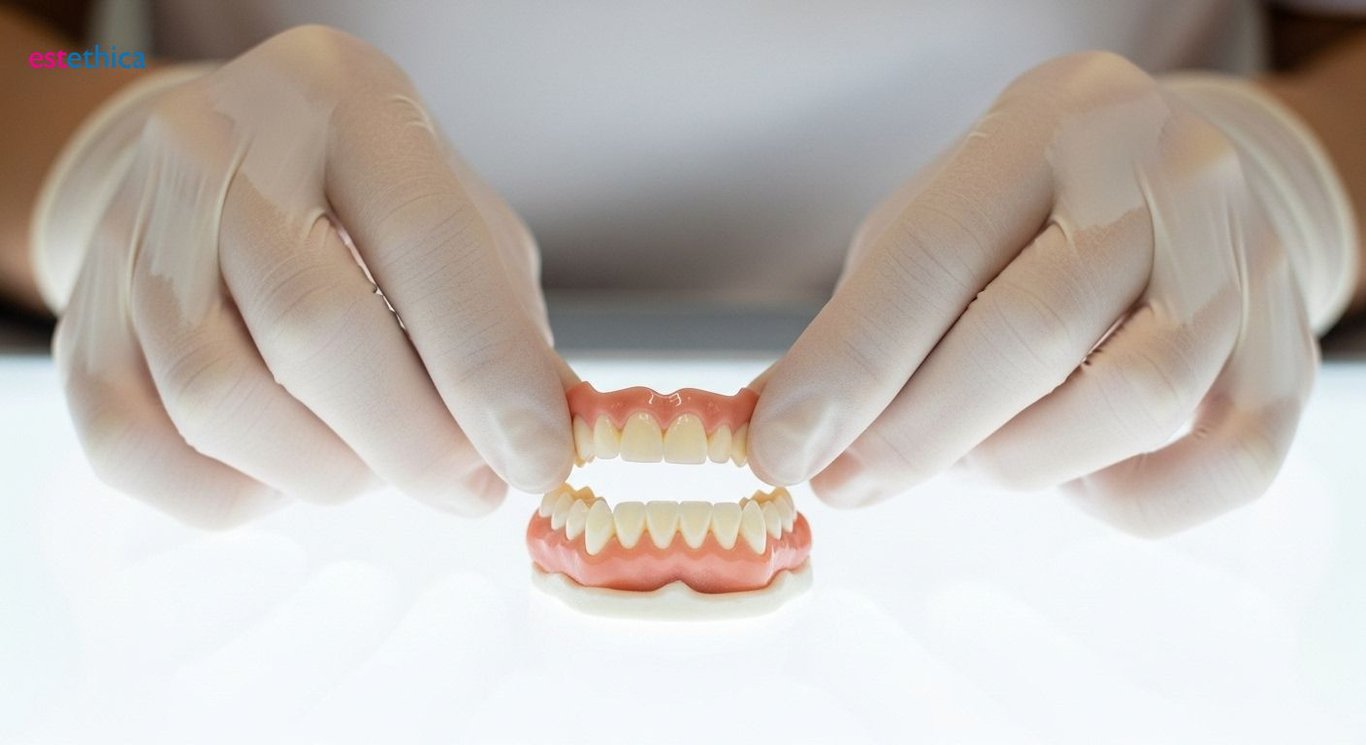
Veneers Before & After: Witnessing the Transformative Power of a Perfect Smile
The Psychological Impact of a Smile Makeover with Veneers
The journey to a perfect smile through veneers often begins with addressing specific aesthetic concerns, such as discoloration, chips, or misalignments. However, the true transformation extends far beyond the visible improvements. Many individuals experience a significant boost in self-esteem and confidence as a result of their enhanced smile. This newfound confidence can positively influence various aspects of their lives, from personal relationships to professional opportunities. The ability to smile freely and confidently can break down social barriers and create a more positive self-image. For instance, individuals who were previously self-conscious about their teeth may find themselves more willing to engage in social interactions and pursue new experiences after receiving veneers.
- Enhanced Self-Esteem: A beautiful smile can significantly improve one's self-perception and confidence.
- Improved Social Interactions: A confident smile can make individuals feel more comfortable and outgoing in social settings.
- Increased Professional Opportunities: A positive and confident appearance can positively impact career prospects.
Understanding the Veneers Transformation Process
The process of transforming a smile with veneers involves careful planning and execution by a skilled cosmetic dentist. The initial consultation is a crucial step, where the dentist assesses the patient's oral health, discusses their aesthetic goals, and determines the most suitable type of veneers. Once the treatment plan is established, the dentist prepares the teeth by removing a minimal amount of enamel to accommodate the veneers. Impressions are then taken and sent to a dental laboratory, where the custom veneers are crafted with precision. In the meantime, temporary veneers may be placed to protect the prepared teeth. During the final visit, the permanent veneers are bonded to the teeth, resulting in a stunning smile makeover.
- Initial Consultation: Discuss aesthetic goals and assess oral health with the dentist.
- Tooth Preparation: Minimal enamel removal to accommodate the veneers.
- Veneer Placement: Bonding the custom-made veneers to the teeth for a perfect fit.
Many patients at [Your Company Name] have expressed satisfaction with the transformative results achieved through veneers. The combination of advanced dental techniques and personalized care ensures that each patient receives a smile that is both aesthetically pleasing and functionally sound. The impact of a veneers transformation extends beyond the physical appearance, enhancing overall well-being and quality of life. [Your Company Name] is committed to providing exceptional cosmetic dentistry services that empower individuals to achieve their dream smile.

Beyond Aesthetics: Exploring the Functional Benefits of Dental Veneers
Enhancing Dental Health with Veneers
While veneers are often associated with cosmetic enhancements, they also play a significant role in improving overall dental health. By providing a protective layer over damaged or weakened teeth, veneers can prevent further deterioration and sensitivity. This is particularly beneficial for individuals with enamel erosion or teeth that have been compromised by decay. Veneers act as a shield, safeguarding the underlying tooth structure from external factors such as acidic foods and beverages. Moreover, veneers can correct minor bite irregularities, contributing to improved chewing function and reduced strain on the jaw. At [Your Company Name], we emphasize the dual benefits of veneers, ensuring that our patients receive both aesthetic and functional improvements.
- Protection Against Damage: Veneers shield teeth from physical and chemical damage.
- Correction of Minor Bite Issues: Veneers can help align teeth, improving bite function.
- Reduced Sensitivity: Veneers can cover areas of enamel erosion, reducing tooth sensitivity.
The Role of Veneers in Restoring Tooth Structure
Veneers are an excellent option for restoring teeth that have been chipped, cracked, or worn down. By covering these imperfections, veneers not only improve the appearance of the teeth but also restore their structural integrity. This is especially important for teeth that have been weakened by fillings or root canals. Veneers can provide the necessary support to prevent further damage and prolong the life of the tooth. The process of applying veneers involves careful assessment and customization to ensure a perfect fit and optimal function. [Your Company Name] utilizes advanced techniques and materials, such as teeth laminates and porcelain veneers, to deliver durable and natural-looking results. Many patients experience a significant improvement in their ability to chew and speak comfortably after receiving veneers.
- Assessment and Planning: Detailed evaluation to determine the best veneer type and fit.
- Preparation and Customization: Precise shaping and creation of veneers to match the patient's teeth.
- Bonding and Finishing: Secure application of veneers for long-lasting support and aesthetics.
Precision Smile Design with Porcelain and Composite Veneer Technologies
Personalized Veneer Treatment Plans for Lasting Results
Frequently Asked Questions
What are dental veneers and what issues can they fix?
What's the difference between porcelain veneers and composite veneers?
What is the process of getting cosmetic veneers?
Are teeth laminates the same as dental veneers?
How long do dental veneers typically last?
Ready to discover your healthiest, most beautiful self with estethica's expert guidance?
📞 Call Now for a Free Consultation!