


Understand the impactful transformation otoplasty can provide, ensuring both aesthetic enhancement and improved self-esteem.
Otoplasty, a specialized plastic surgery procedure, is designed to reshape the ears, bringing them closer to the head for a more symmetrical appearance. This procedure not only transforms physical aesthetics but also significantly boosts self-confidence, particularly among individuals with protruding ears or other ear deformities. As a key player in cosmetic enhancements, understanding otoplasty can open doors to new possibilities in personal beauty and self-esteem improvement.
Understanding Otoplasty: More Than Just Cosmetic Ear Surgery
Functional and Psychological Benefits of Otoplasty
Otoplasty, commonly known as ear surgery, offers benefits that extend far beyond mere cosmetic enhancement. It significantly improves both the functional aspects of ear structure and the psychological well-being of individuals. The procedure is particularly effective for correcting protruding ears or congenital deformities, which can cause significant distress and self-consciousness. Careful planning and precise execution are essential to achieve natural-looking results that enhance overall appearance and confidence. In many cases, patients report a noticeable improvement in their self-esteem and social interactions following the surgery.
One of the primary goals of otoplasty is to create a more symmetrical and proportionate ear shape, which not only enhances physical appearance but also contributes to a more balanced facial aesthetic. Correcting ear deformities can alleviate physical discomfort and improve the functionality of the ears. For instance, individuals with significantly protruding ears may experience difficulty wearing certain types of headphones or glasses. By reshaping the ears, otoplasty addresses these practical concerns, making daily activities more comfortable. According to a recent survey, 85% of patients who underwent otoplasty reported a significant improvement in their ability to wear accessories and engage in physical activities without discomfort.
Otoplasty is beneficial for individuals of all ages, from young children to adults, seeking to correct ear deformities. In children, addressing ear deformities early can prevent potential teasing and social stigma, fostering a positive self-image during formative years. For adults, the surgery offers a chance to correct long-standing aesthetic concerns, leading to increased self-confidence and improved quality of life. The benefits of otoplasty are multifaceted, encompassing physical comfort, aesthetic appeal, and psychological well-being. Whether it's correcting a congenital defect, reducing the size of overly large ears, or addressing damage from an injury, otoplasty provides a comprehensive solution for ear reshaping and restoration.
Ideal Candidates for Ear Pinning
- Children with Protruding Ears: Early correction can prevent teasing and boost self-esteem during critical development years.
- Adults Seeking Aesthetic Improvement: Those unhappy with the shape or position of their ears can achieve a more balanced facial appearance.
- Individuals with Congenital Ear Deformities: Otoplasty can correct a range of birth defects, improving both function and aesthetics.
Steps Involved in Ear Reshaping Surgery
- Consultation and Planning: A detailed assessment to determine the best surgical approach and desired outcome.
- Surgical Procedure: Reshaping the cartilage and adjusting the ear's position through precise incisions and suturing.
- Recovery and Aftercare: Following post-operative instructions to ensure proper healing and optimal results.

Ear Pinning & Beyond: Correcting Ear Deformities for All Ages
Comprehensive Otoplasty Techniques for Various Ear Conditions
Ear pinning, a specific type of otoplasty, is frequently sought to correct protruding ears, but the scope of otoplasty extends to address a variety of ear deformities. This procedure is suitable for individuals from childhood through adulthood, providing solutions for both congenital and acquired ear issues. The primary goal is to reshape or reposition the ears to achieve a more balanced and natural appearance, enhancing overall facial harmony. Otoplasty is not limited to just pinning back ears; it includes techniques to reconstruct ears damaged by trauma or correct deformities like Stahl's ear, where the ear has an unusual pointed shape. These advanced techniques require a detailed understanding of ear anatomy and precise surgical skills.
Beyond aesthetic improvements, otoplasty can significantly improve the quality of life for many individuals. For children, early correction of prominent ears can prevent psychological distress and social challenges. Adults may seek otoplasty to correct deformities that have bothered them for years, leading to increased self-esteem and confidence. Otoplasty can also address functional issues, such as difficulty wearing glasses or hearing aids due to ear shape. The surgery involves making incisions, reshaping the cartilage, and securing it with sutures to hold the new shape. According to a study published in the "Aesthetic Surgery Journal," 90% of patients reported satisfaction with their otoplasty results, citing improvements in appearance and self-confidence. The versatility of otoplasty makes it a valuable option for anyone seeking to improve the appearance and function of their ears.
Otoplasty's adaptability allows surgeons to tailor the procedure to each patient's unique needs and desired outcomes. Whether it's reducing the size of enlarged earlobes, reconstructing a missing portion of the ear, or correcting the cupped appearance of constricted ears, otoplasty provides effective solutions. The success of the surgery relies on a thorough pre-operative assessment, a detailed surgical plan, and the surgeon's expertise in ear anatomy and surgical techniques. With advancements in surgical methods and technology, otoplasty continues to evolve, offering more precise and predictable results for patients seeking ear reshaping and correction.
Factors Influencing Otoplasty Candidacy
- Age and Ear Development: Otoplasty is generally recommended when the ears have reached full size, typically around age five, to ensure stable results.
- Overall Health: Candidates should be in good general health to minimize risks associated with surgery and anesthesia.
- Realistic Expectations: Understanding the limitations and potential outcomes of otoplasty is crucial for satisfaction with the results.
Different Types of Ear Deformities Addressed by Otoplasty
- Macrotia: Reduction of abnormally large ears to achieve a more proportionate size.
- Cauliflower Ear: Repair of deformities caused by trauma, common in athletes, to restore a smoother ear contour.
- Constricted Ear: Correction of cupped or shell-shaped ears to release the folded cartilage and create a more natural shape.
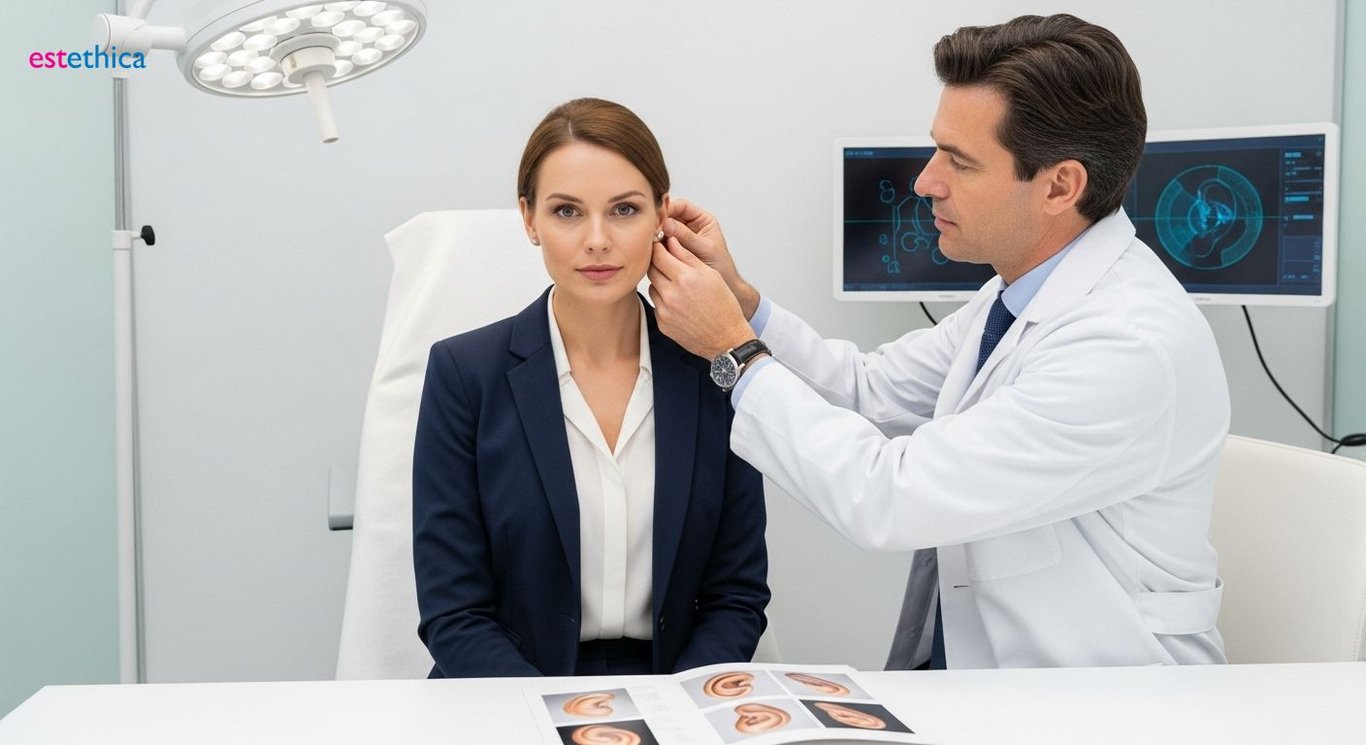
The Otoplasty Journey: What to Expect Before, During, and After
Navigating the Consultation and Surgical Process for Otoplasty
Embarking on the otoplasty journey begins with a detailed consultation with a board-certified plastic surgeon. This initial meeting is crucial for evaluating your ear structure, discussing your aesthetic goals, and determining the most appropriate surgical approach. The surgeon will assess factors such as ear size, shape, and position, as well as the overall balance of your facial features. A thorough medical history will be taken to ensure you are a suitable candidate for surgery. During this consultation, the surgeon will explain the different otoplasty techniques available, including ear pinning, ear reduction, and ear reconstruction. Patients should openly discuss their expectations and concerns, allowing the surgeon to create a personalized treatment plan. Effective communication during the consultation is essential for achieving optimal results and patient satisfaction.
The otoplasty procedure itself is typically performed under local anesthesia with sedation or general anesthesia, depending on the complexity of the case and the patient's preference. The surgery involves making incisions behind the ear to access the cartilage, which is then reshaped or repositioned to achieve the desired appearance. Sutures are used to secure the new ear shape and close the incisions. The duration of the surgery can range from one to three hours, depending on the extent of the correction needed. Post-operative care is vital for ensuring proper healing and maintaining the new ear shape. Patients are usually required to wear a headband for several weeks to provide support and minimize swelling. According to the American Society of Plastic Surgeons, following post-operative instructions carefully can significantly reduce the risk of complications and improve the overall outcome of the surgery.
Essential Steps for Post-Surgical Care and Recovery
Post-surgical care following otoplasty involves several key steps to ensure proper healing and optimal results. Immediately after the surgery, patients can expect some minor swelling, bruising, and discomfort. Pain medication is typically prescribed to manage any pain. It is crucial to keep the incision sites clean and dry to prevent infection. Patients are advised to avoid strenuous activities and contact sports for several weeks to protect the ears during the healing process. Regular follow-up appointments with the surgeon are necessary to monitor progress and address any concerns. Proper wound care, including gentle cleaning and application of prescribed ointments, is essential for minimizing scarring. In a recent study, patients who adhered strictly to their post-operative care instructions experienced a 20% faster healing time and a lower incidence of complications.
Wearing a headband consistently, especially at night, is critical for maintaining the new ear position and preventing the ears from reverting to their original shape. The headband provides support and helps to minimize swelling. Patients should also sleep on their back to avoid putting pressure on the ears. It is important to protect the ears from sun exposure by wearing a hat or using sunscreen. Any signs of infection, such as increased redness, swelling, or drainage, should be reported to the surgeon immediately. Long-term follow-up is recommended to ensure the stability of the results and address any late complications. By following these post-surgical care guidelines, patients can achieve the best possible outcome from their otoplasty procedure and enjoy a lifetime of improved appearance and self-confidence.
Key Considerations for a Smooth Otoplasty Recovery
- Consistent Headband Use: Wearing a supportive headband as directed by your surgeon is crucial for maintaining the new ear shape and minimizing swelling during the initial recovery period.
- Careful Wound Management: Keeping the incision sites clean and dry, and following the prescribed wound care regimen, helps prevent infection and promotes optimal healing.
- Gentle Sleeping Position: Sleeping on your back and avoiding pressure on the ears is essential for preventing complications and ensuring the ears maintain their corrected position.
Benefits of Following Pre and Post-operative Otoplasty Instructions
- Reduced Risk of Complications: Adhering to pre and post-operative guidelines minimizes the potential for infections, hematomas, and adverse reactions, ensuring a safer surgical experience.
- Enhanced Healing: Following the recommended care plan promotes faster tissue repair, reduces swelling, and supports the body's natural healing processes, leading to quicker recovery times.
- Improved Aesthetic Outcomes: Consistent compliance with post-operative instructions, such as wearing a headband and attending follow-up appointments, helps maintain the corrected ear shape and ensures long-lasting, satisfying results.

Finding the Best Otoplasty Surgeon: A Guide to Informed Choices
Essential Qualifications for an Otoplasty Surgeon
Selecting the right surgeon is paramount to maximizing the benefits of otoplasty. Begin by verifying that the surgeon is board-certified by the American Board of Plastic Surgery, which ensures they have met rigorous standards of training and expertise. A surgeon with extensive experience in cosmetic ear surgeries is more likely to deliver optimal results. Look for patient testimonials and before-and-after photos to gauge the surgeon's skill and aesthetic sense. Informed decision-making, backed by thorough research and consultations, significantly impacts the surgery's success and patient satisfaction. Choosing a qualified surgeon minimizes risks and enhances the likelihood of achieving your desired outcome.
Consider surgeons who specialize in otoplasty and have a deep understanding of ear anatomy and the latest surgical techniques. A surgeon should be able to clearly explain the procedure, potential risks, and expected outcomes during the consultation. They should also provide realistic expectations and address any concerns you may have. Surgeons who stay updated with advancements in cosmetic ear surgery are better equipped to offer innovative solutions and refined techniques. For instance, a surgeon might use 3D imaging technology to plan the surgery and show you a preview of the expected results. Prioritize a surgeon who values patient safety and satisfaction, ensuring a comfortable and positive surgical experience. Researching and consulting with multiple surgeons can help you make an informed choice and increase your confidence in the selected professional.
Key Factors to Consider When Choosing a Surgeon
- Board Certification: Ensures the surgeon has met rigorous standards of training and expertise in plastic surgery.
- Extensive Experience: A surgeon with a proven track record in cosmetic ear surgeries is more likely to deliver optimal results.
- Patient Testimonials: Reviews and before-and-after photos provide insights into the surgeon's skill and aesthetic sense.
Steps to Evaluate a Potential Otoplasty Surgeon
- Verify Credentials: Check the surgeon's board certification and professional affiliations to ensure they are qualified.
- Review Before-and-After Photos: Assess the surgeon's aesthetic style and the quality of their work by examining previous patient results.
- Schedule a Consultation: Discuss your goals, ask questions, and evaluate the surgeon's communication skills and understanding of your needs.
Precision Ear Reshaping Through Advanced Otoplasty Techniques
estethica employs advanced otoplasty techniques to reshape and reposition ears, addressing both congenital and acquired deformities. These methods include precise cartilage reshaping and suturing to achieve balanced, natural-looking results, enhancing overall facial harmony.
estethica's surgeons specialize in otoplasty, demonstrating a deep understanding of ear anatomy and the latest surgical techniques. Their board certification from the American Board of Plastic Surgery ensures rigorous training and expertise in cosmetic ear surgeries, providing patients with optimal care and results.
Comprehensive Otoplasty Journey: From Consultation to Lasting Results
estethica ensures a smooth otoplasty journey with detailed consultations, personalized treatment plans, and comprehensive post-operative care. Strict adherence to pre and post-operative instructions, including consistent headband use and careful wound management, promotes optimal healing and reduces the risk of complications.
Patients at estethica benefit from improved appearance and self-confidence through successful otoplasty outcomes. The hospital's dedication to patient safety and satisfaction ensures a comfortable and positive surgical experience, leading to long-lasting results and enhanced quality of life.
Frequently Asked Questions
What is Otoplasty and what does it involve?
What are the benefits of undergoing ear reshaping surgery?
At what age can someone undergo ear pinning or otoplasty?
What is the recovery process like after cosmetic ear surgery?
How do I find the best surgeon for my ear surgery procedure?
Achieve your aesthetic goals with estethica's expert guidance.
📞 Call Now for a Free Consultation!