


Transform your appearance and confidence with otoplasty. Learn about procedures, candidacy, and recovery in our detailed guide.
Explore the transformative journey of otoplasty—an intricate art of cosmetic ear surgery that not only enhances physical aesthetics but also boosts confidence. Otoplasty, often synonymized with ear pinning, entails a broader spectrum of procedures that go beyond repositioning to address various ear deformities. This comprehensive guide is designed to offer insights into understanding otoplasty, discovering candidacy, setting realistic expectations, and following through with personalized recovery tips.
Understanding Otoplasty: More Than Just Ear Pinning
Beyond the Basics: What Otoplasty Can Correct
Otoplasty, or ear surgery, extends beyond simple ear pinning procedures. It's a refined surgical discipline focused on addressing various congenital ear deformities and structural issues. This includes conditions such as Stahl's ear (pointed ear), where an extra cartilage fold causes a pointed shape, and macrotia, characterized by abnormally large ears. Pinnaplasty techniques are employed to sculpt and refine ear cartilage, addressing asymmetry and structural irregularities. This comprehensive approach aims to provide patients with natural-looking ears that harmonize with their facial features, enhancing overall aesthetic balance.
Conditions Corrected by Otoplasty
- Lop Ear: Corrects ears that are folded forward or downward significantly.
- Shell Ear: Addresses the lack of natural curves, making the ear appear smooth and featureless.
- Cupped Ear: Reshapes ears that are excessively small or tightly folded, resembling a cup.
Each condition presents unique challenges, requiring meticulous planning and precise surgical execution to achieve optimal results. Otoplasty is not a one-size-fits-all procedure; rather, it is carefully tailored to meet the individual needs and aesthetic goals of each patient. With careful consideration and expert surgical skill, otoplasty can correct a variety of ear deformities, leading to improved self-esteem and a more balanced facial appearance.

Cosmetic Ear Surgery: Candidacy and Realistic Expectations
Ideal Candidates for Otoplasty: Assessing Suitability
Determining candidacy involves a comprehensive evaluation by a skilled plastic surgeon. The best candidates often have prominent ear deformities or have experienced ear damage from injuries. Those self-conscious about their ear size or placement may also consider otoplasty. Realistic expectations are crucial; patients need to understand that while surgery can significantly enhance appearance, perfect symmetry isn't always achievable.
Aspects of Candidacy for Cosmetic Ear Surgery
- Ear Structure Assessment: Evaluation of the ear's anatomy to determine the feasibility of reshaping.
- Psychological Readiness: Ensuring the patient has realistic expectations and a clear understanding of the procedure.
- Health Evaluation: Assessing overall health to minimize risks associated with surgery.
Suitable candidates should be in good general health to minimize potential complications. Patients should also have specific, achievable aesthetic goals. This includes understanding the limitations of the surgery.
Managing Expectations for Optimal Satisfaction
- Realistic Outcome: Setting achievable goals with the surgeon, understanding that complete symmetry may not be possible.
- Recovery Awareness: Understanding potential swelling, bruising, and discomfort during the healing process.
- Scarring Education: Awareness of potential scarring, although surgeons make efforts to minimize visible marks.
Open communication between the surgeon and patient is key. This ensures shared understanding and satisfaction. estethica specialists prioritize informing patients. Patients are made aware of the expected outcomes, recovery steps, and potential limitations. A collaborative approach increases the likelihood of a satisfying result.
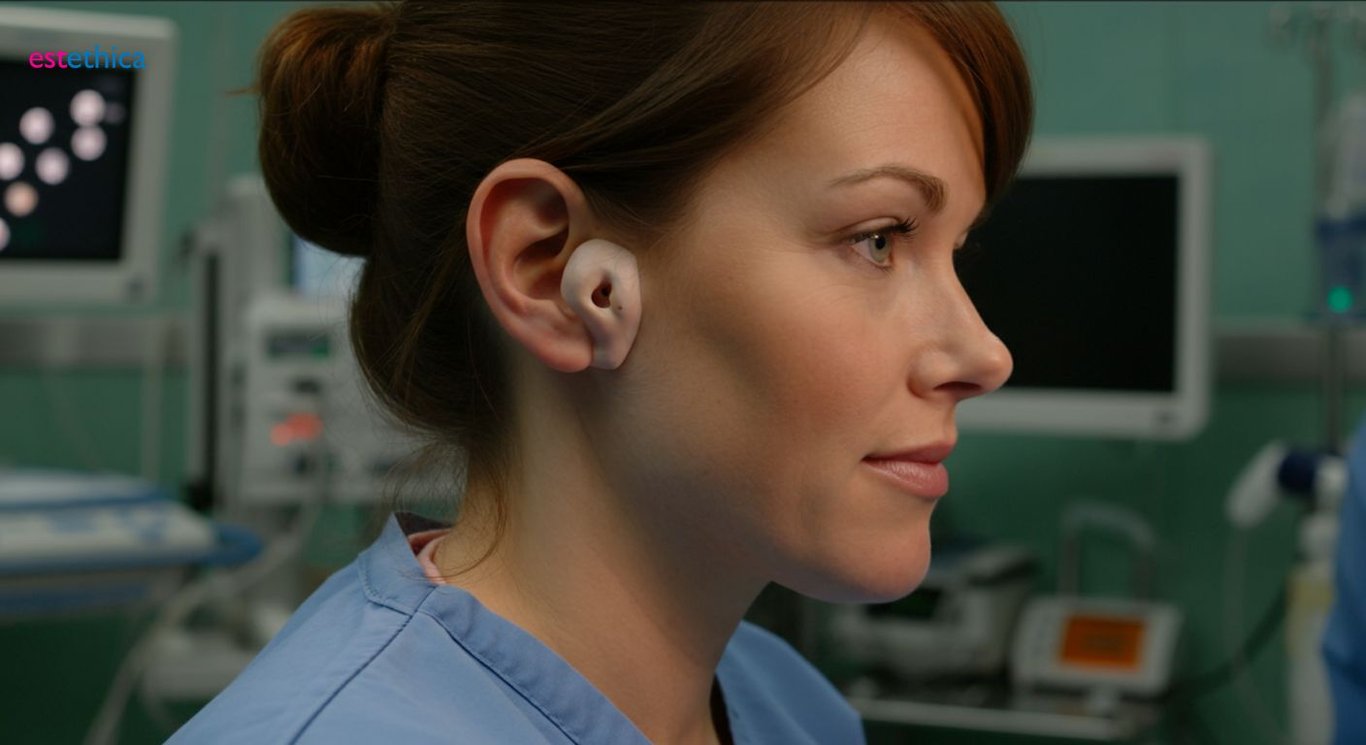
Ear Reshaping Journey: From Consultation to Recovery Tips
Navigating the Otoplasty Process: What to Expect
The journey of otoplasty involves several key stages, beginning with an in-depth initial consultation at estethica. During this phase, patients openly discuss their aesthetic objectives and any specific concerns they have regarding their ear shape or size. Surgeons conduct a thorough examination, detailing procedural steps and outcomes. Post-surgery, mild swelling is common, typically receding within a few days. Adhering to the surgeon's recommendations is essential for optimization, ensuring proper healing and stabilization of the new ear contour.
Essential Post-Operative Care and Recovery Tips
- Headband Use: Wearing a headband helps maintain the newly shaped ears in the correct position during sleep.
- Medication Compliance: Taking all prescribed medications, such as antibiotics and pain relievers, supports healing and reduces discomfort.
- Activity Restriction: Avoiding strenuous activities prevents complications and allows the ears to heal properly.
Following these post-operative guidelines can significantly enhance the recovery process, facilitating the final stabilization of the reshaped ear structure. With proper care and adherence to the surgeon's instructions provided by estethica’s specialists, patients can achieve the desired outcomes and enjoy improved satisfaction with their appearance.

Pinnaplasty & Beyond: Addressing Different Ear Concerns
Exploring Ear Augmentation and Reduction Techniques
Beyond pinnaplasty, advanced techniques address a broader spectrum of ear concerns. Ear augmentation can reconstruct or enlarge small or underdeveloped ears, often using cartilage grafts from other body parts, such as the rib. Conversely, ear reduction surgery aims to reduce the size of overly large ears, known as macrotia, by carefully removing excess cartilage and skin. These procedures often involve intricate reshaping to maintain a natural and balanced appearance. estethica specializes in tailoring these solutions to meet the diverse needs and aesthetic goals of people, including those seeking ear reshaping from congenital disabilities or prior injuries. Achieving symmetry and proportion is a primary goal.
Considerations for Different Ear Reshaping Procedures
- Augmentation: Involves grafting cartilage to build ear structure.
- Reduction: Removes excess cartilage to decrease ear size.
- Pinnaplasty: Focuses on pinning back protruding ears.
Each procedure is customized to the specific needs of the patient. The surgeons at estethica consider various aspects. They analyze pre-existing ear structure, patient expectations, and potential impact on overall facial harmony. This approach ensures the surgery aligns seamlessly with each person’s unique appearance. Whether enhancing or refining ear aesthetics, the focus remains on delivering results that reflect individual beauty.
The Role of Otoplasty in Pediatric Care
- Early Intervention: Corrective ear surgery at a young age prevents psychological distress.
- Cartilage Flexibility: Younger patients benefit from more pliable ear cartilage.
- Lifelong Impact: Addressing ear concerns early can foster self-esteem in children.
Otoplasty in children primarily addresses protruding ears, which can lead to teasing. By opting for an early correction, parents enable their children to grow without the burden of self-consciousness. The pliable cartilage also facilitates more straightforward surgical adjustments. This ensures less invasive procedures and quicker healing times. estethica supports families through clear communication and compassionate care; the goal is always to promote confidence.
Advanced Otoplasty with Cartilage Refinement and Structural Correction
estethica specializes in otoplasty beyond simple ear pinning, focusing on correcting congenital ear deformities like Stahl's ear and macrotia. Pinnaplasty techniques are employed to sculpt and refine ear cartilage, addressing asymmetry and structural irregularities for natural-looking results.
The surgeons at estethica possess comprehensive knowledge of ear anatomy and meticulous surgical skills to address various ear deformities. With careful planning and expert execution, otoplasty is tailored to meet the individual needs and aesthetic goals of each patient, leading to improved self-esteem and a more balanced facial appearance.
Personalized Ear Reshaping Journey with Optimized Post-Operative Care
estethica's otoplasty process includes in-depth consultations, thorough examinations, and detailed procedural explanations, ensuring patients are well-informed. Post-operative care emphasizes proper healing and stabilization of the new ear contour, supported by detailed surgeon recommendations.
Adherence to post-operative guidelines, such as headband use, medication compliance, and activity restriction, enhances recovery and stabilizes the reshaped ear structure. With proper care and consistent attention from estethica’s specialists, patients can achieve desired outcomes and improved satisfaction with their appearance.
Frequently Asked Questions
What is otoplasty and how does it differ from ear pinning?
Who is considered an ideal candidate for cosmetic ear surgery?
What should I expect during the otoplasty recovery process?
Beyond pinnaplasty, what other ear concerns can be addressed with surgery?
Achieve your aesthetic goals with estethica's expert surgeons and personalized treatment plans.
📞 Book Your Free Consultation!