


Unveil the power of rhinoplasty, a procedure that redefines your profile while enhancing your breathing.
Nose surgeries, or rhinoplasties, have transcended their outdated 'nose job' nickname to become nuanced procedures that reshape lives as much as profiles. As we delve into the realm of rhinoplasty, learn not only about the aesthetic transformations but also the functional enhancements that accompany this intricate surgery. Let's explore various aspects of nose surgery, seeking to understand its full impact from aesthetics to health.
Understanding Rhinoplasty: More Than Just a Nose Job
Beyond Aesthetics: Functional Benefits of Rhinoplasty
Modern rhinoplasty extends beyond mere cosmetic enhancements, focusing significantly on reconstructive techniques that enhance nasal functionality. This approach ensures patients not only achieve their desired aesthetic outcomes but also experience tangible improvements in their breathing and overall quality of life. The procedures are meticulously tailored, considering each patient's unique nasal structure and facial harmony, ensuring results that are both beautiful and functional.
- Improved Breathing: Rhinoplasty can correct structural issues like a deviated septum, significantly improving airflow.
- Sinus Relief: Correcting nasal deformities can alleviate chronic sinus issues, reducing infections.
- Enhanced Sleep Quality: By improving nasal airflow, rhinoplasty can reduce snoring and improve sleep apnea symptoms.
Each surgical plan is customized, taking into account the patient's specific needs and aesthetic goals. For instance, a patient with a severely deviated septum might undergo a septoplasty in conjunction with rhinoplasty to straighten the septum and improve breathing. Another patient seeking a more refined nasal tip might benefit from precise cartilage reshaping techniques. Rhinoplasty, or a nose job, is more than just cosmetic; it's about improving overall well-being. Cosmetic nose surgery can be a pathway to a better quality of life.
Tailoring the Approach: Techniques in Rhinoplasty
Rhinoplasty encompasses a variety of techniques, each designed to address specific concerns and achieve personalized results. From reshaping the nasal bridge to refining the nasal tip, every step is carefully planned to harmonize the nose with the patient's overall facial features. These techniques include both surgical and non-surgical options, allowing for a range of solutions tailored to individual needs. According to recent studies, personalized surgical plans lead to higher patient satisfaction and improved long-term outcomes.
- Open Rhinoplasty: Involves a small incision to allow full access to nasal structures for significant reshaping.
- Closed Rhinoplasty: Performed through the nostrils, minimizing external scarring and recovery time.
- Non-Surgical Rhinoplasty: Uses fillers to subtly reshape the nose, ideal for minor corrections without surgery.
For example, ethnic rhinoplasty requires a nuanced approach to preserve cultural identity while achieving aesthetic goals. Similarly, rhinoplasty for breathing problems often involves correcting internal structures to improve airflow. Understanding the various techniques helps patients make informed decisions about their nose surgery journey. Septoplasty is a common procedure performed alongside rhinoplasty to correct a deviated septum and improve breathing. Non surgical rhinoplasty offers a less invasive option for those seeking minor adjustments. Rhinoplasty is a multifaceted procedure with benefits that extend beyond cosmetic appearance.

Breathing Easier: Septoplasty and Rhinoplasty Synergies
Combining Septoplasty with Rhinoplasty: A Comprehensive Approach
When rhinoplasty is combined with septoplasty, it offers a dual benefit by enhancing both the appearance and function of the nose. This synergistic approach is particularly useful for individuals who have a deviated septum along with aesthetic concerns about their nose. By addressing both issues simultaneously, patients can achieve a more balanced and harmonious facial appearance while also experiencing improved breathing. Such integrated procedures are designed to provide complete patient care, focusing on both aesthetic and functional results.
- Corrects Septal Deviation: Straightens the nasal septum to improve airflow.
- Enhances Nasal Aesthetics: Reshapes the nose to achieve desired cosmetic appearance.
- Improves Overall Function: Addresses breathing issues and enhances quality of life.
For instance, a patient with a crooked nose and difficulty breathing might undergo a combined rhinoplasty and septoplasty to straighten the nose and correct the deviated septum. Another patient seeking a more refined nasal profile might also benefit from septoplasty if a deviated septum is contributing to breathing problems. Cosmetic nose surgery in conjunction with septoplasty can significantly enhance a patient's well-being. Rhinoplasty, or a nose job, becomes even more impactful when combined with functional improvements.
The Functional and Aesthetic Balance
The synergy between septoplasty and rhinoplasty highlights the importance of considering both functional and aesthetic aspects in nasal surgery. Septoplasty focuses on correcting internal nasal structures to improve breathing, while rhinoplasty reshapes the external nose to enhance its appearance. Combining these procedures ensures that patients receive a comprehensive solution that addresses all their concerns. This approach not only improves physical health but also boosts self-confidence by achieving a more aesthetically pleasing nasal appearance. According to recent data, patients who undergo combined procedures report higher satisfaction levels.
- Initial Assessment: Comprehensive evaluation to determine the extent of septal deviation and aesthetic goals.
- Surgical Planning: Customized plan to address both functional and cosmetic concerns.
- Post-operative Care: Detailed instructions to ensure optimal healing and results.
For example, rhinoplasty for breathing problems often involves a septoplasty to correct internal obstructions. Similarly, cosmetic nose surgery may include septoplasty to ensure proper nasal function after reshaping. Non surgical rhinoplasty, while effective for minor aesthetic adjustments, does not address functional issues like a deviated septum. Understanding the interplay between these procedures helps patients make informed decisions about their nose surgery journey. Septoplasty is a critical component of rhinoplasty when breathing issues are present. The combination of rhinoplasty and septoplasty offers a balanced approach to nasal surgery. Rhinoplasty is a multifaceted procedure with benefits that extend beyond cosmetic appearance.
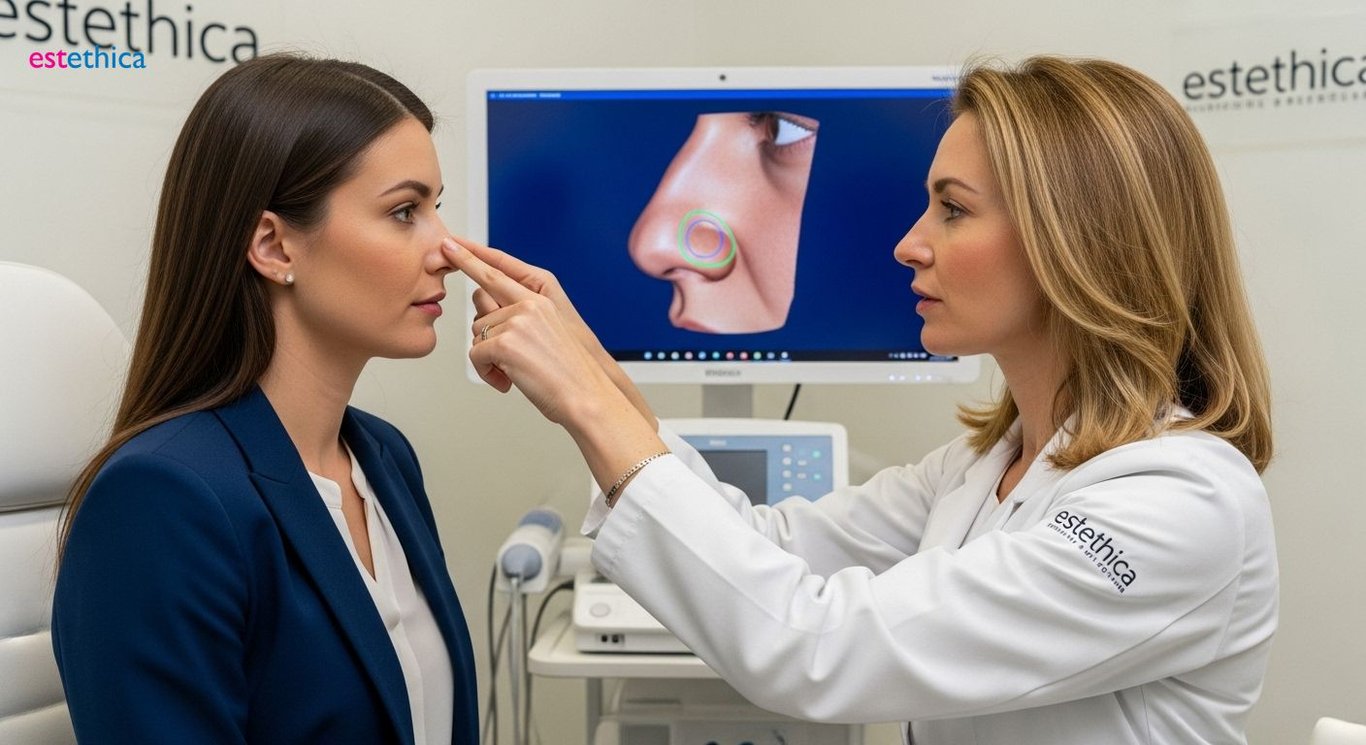
Navigating Rhinoplasty Risks: What You Need to Know
Understanding Potential Complications in Rhinoplasty
Like any surgical procedure, rhinoplasty carries inherent risks that patients must understand. These can range from minor complications to more significant issues that may require additional intervention. While modern surgical techniques and stringent safety protocols minimize these risks, being well-informed is crucial for making confident decisions about undergoing nose surgery. A thorough understanding of potential complications empowers patients to actively participate in their care and recovery process. This knowledge, combined with the expertise of a skilled surgeon, ensures the best possible outcome.
- Infection: Although rare, infections can occur post-surgery, requiring antibiotic treatment.
- Breathing Difficulties: Alterations to nasal structures may temporarily or, in rare cases, permanently affect breathing.
- Aesthetic Dissatisfaction: Results may not fully align with the patient's expectations, sometimes necessitating revision surgery.
For example, a patient with a history of poor wound healing should discuss this with their surgeon to mitigate the risk of infection. Another patient concerned about subtle nasal asymmetry should have realistic expectations and clear communication with their surgeon. Patients should also be aware that non surgical rhinoplasty, while less invasive, does not eliminate all risks. Rhinoplasty, including cosmetic nose surgery, requires careful consideration of potential complications. Septoplasty, often performed with rhinoplasty, can also carry its own set of risks. Open communication with your surgeon is key to navigating these risks effectively.
Mitigating Risks Through Proper Preparation and Care
Minimizing the risks associated with rhinoplasty involves a multi-faceted approach, starting with rigorous pre-surgical consultations. These consultations allow surgeons to thoroughly assess a patient's medical history, evaluate their nasal anatomy, and discuss their aesthetic goals. Post-surgical care is equally vital, requiring strict adherence to the surgeon’s instructions to promote healing and prevent complications. Choosing a board-certified and experienced surgeon is paramount, as their expertise can significantly reduce the likelihood of adverse outcomes. Studies show that patients who follow pre- and post-operative guidelines experience fewer complications and higher satisfaction rates.
- Comprehensive Consultation: Detailed discussion of medical history, expectations, and potential risks.
- Careful Surgeon Selection: Choosing a board-certified surgeon with extensive experience.
- Adherence to Post-op Instructions: Following all guidelines for medication, wound care, and activity restrictions.
For example, patients should avoid blood-thinning medications before surgery to minimize the risk of excessive bleeding. Similarly, smokers should quit smoking well in advance to improve healing and reduce the chance of infection. Patients considering rhinoplasty for breathing problems should ensure their surgeon has expertise in both functional and cosmetic aspects of nose surgery. Septoplasty, when combined with rhinoplasty, requires careful planning to optimize both breathing and appearance. Rhinoplasty is a complex procedure, but with proper preparation and care, risks can be effectively managed. Rhinoplasty can be a safe and rewarding procedure when approached with caution and informed decision-making.

Beyond Aesthetics: Functional Benefits of Nose Surgery
Enhancing Respiratory Health Through Rhinoplasty
Rhinoplasty goes beyond just improving appearance; it significantly boosts breathing by addressing issues such as deviated septums and nasal obstructions. This leads to a better quality of life and improved respiratory health. Corrective nose surgery can open nasal passages, making it easier to breathe and reducing the likelihood of sinus infections. Many individuals seek rhinoplasty to resolve long-standing breathing difficulties, finding that the procedure not only enhances their looks but also their physical well-being. Rhinoplasty addresses both form and function, providing comprehensive benefits.
- Improved Airflow: Corrects structural issues that obstruct nasal passages, enhancing breathing.
- Reduced Sinus Infections: By improving drainage, rhinoplasty can decrease the frequency of sinus issues.
- Better Sleep: Enhanced breathing can lead to more restful sleep by reducing snoring and sleep apnea.
The Role of Rhinoplasty in Correcting Nasal Obstructions
Nasal obstructions can significantly impair quality of life, causing difficulty breathing, chronic congestion, and even sleep disturbances. Rhinoplasty plays a crucial role in correcting these obstructions by reshaping or removing structural elements that block airflow. Septoplasty, a common procedure performed alongside rhinoplasty, straightens the nasal septum to further improve breathing. This comprehensive approach ensures that patients experience both aesthetic improvements and functional relief. Modern rhinoplasty techniques prioritize both form and function, leading to enhanced patient satisfaction. For instance, rhinoplasty for breathing problems is a common request.
- Diagnosis: Thorough examination to identify the cause and extent of nasal obstruction.
- Surgical Correction: Precise reshaping of nasal structures to clear airways.
- Post-operative Care: Careful monitoring and management to ensure optimal breathing and healing.
Advanced Rhinoplasty Techniques: Tailoring Aesthetics with Functional Precision
estethica employs a range of rhinoplasty techniques, including open, closed, and non-surgical methods, to address specific patient needs. Each procedure is meticulously planned to harmonize the nose with the patient's overall facial features, ensuring personalized and natural-looking results.
estethica's plastic surgeons possess extensive experience in both cosmetic and functional rhinoplasty, ensuring comprehensive patient care. With a commitment to staying abreast of the latest advancements, estethica provides patients with cutting-edge surgical and non-surgical options for nasal reshaping and functional improvement.
Comprehensive Rhinoplasty Care: Minimizing Risks and Maximizing Outcomes
estethica prioritizes patient safety through rigorous pre-surgical consultations and detailed post-operative care. The hospital’s comprehensive approach includes thorough medical history assessments, personalized surgical planning, and strict adherence to post-operative guidelines to promote healing and prevent complications.
estethica's commitment to patient satisfaction is evident in its dedication to achieving both aesthetic and functional improvements. Patients benefit from improved airflow, reduced sinus infections, and enhanced sleep quality, leading to a better overall quality of life.
Frequently Asked Questions
What is Rhinoplasty and how is it different from a "Nose Job"?
What are the functional benefits of Rhinoplasty beyond cosmetic improvements?
What is Septoplasty, and how does it relate to Rhinoplasty?
What are the potential risks associated with Rhinoplasty?
Is non-surgical Rhinoplasty a suitable alternative to traditional Nose Surgery?
Ready to discover your healthiest, most beautiful self with estethica's expert guidance?
📞 Call for a Free Consultation!