


Transform your appearance and breathing with expert nose surgery. Explore your options with our comprehensive guide.
Nose Surgery: Reshape Your Look, Restore Your Breathing
Nose surgery, also known as rhinoplasty, is a transformative procedure that can significantly enhance one's appearance and address breathing issues caused by structural problems in the nose. This guide delves into the various aspects of nose surgery, helping you make an informed decision.
Rhinoplasty Unveiled: Understanding Nose Surgery Options
Exploring Surgical and Non-Surgical Rhinoplasty Techniques
Rhinoplasty offers a spectrum of solutions, from traditional surgical methods to less invasive non-surgical options. Surgical rhinoplasty, or a traditional nose surgery, involves reshaping the underlying bone and cartilage to achieve the desired aesthetic and functional outcomes. This approach is ideal for significant alterations, such as correcting a severely deviated septum or dramatically reshape nose. Non-surgical rhinoplasty, on the other hand, uses injectable fillers to refine the nose's shape, addressing minor imperfections without the need for incisions. Each method has its own set of benefits and considerations, making it crucial to consult with a skilled surgeon to determine the most appropriate technique for your specific needs.
- Surgical rhinoplasty provides permanent and dramatic results for complex nasal issues.
- Non-surgical rhinoplasty offers a temporary, less invasive solution for minor cosmetic enhancements.
- The choice between surgical and non-surgical depends on individual goals and anatomical considerations.
For instance, someone seeking a subtle refinement of the nasal tip might opt for a non-surgical approach, while an individual with breathing difficulties due to a deviated septum may require surgical intervention. The selection process should involve a thorough evaluation of your nasal structure and a discussion of your desired outcomes with a qualified specialist.
Understanding the Functional and Aesthetic Benefits of Rhinoplasty
Rhinoplasty can provide both functional and aesthetic improvements. Functionally, it can correct structural issues like a deviated septum, which obstructs airflow and leads to breathing problems. Septoplasty, often performed alongside rhinoplasty, straightens the septum, improving nasal airflow and alleviating symptoms such as chronic congestion and snoring. Aesthetically, rhinoplasty can reshape the nose to achieve facial harmony, addressing concerns such as asymmetry, bumps, or an undesirable size or shape. This dual benefit makes rhinoplasty a comprehensive solution for individuals seeking both improved breathing and enhanced appearance. According to the American Society of Plastic Surgeons, approximately 20% of rhinoplasty procedures are performed to correct breathing problems.
- Improved Breathing: Corrects structural issues like deviated septum.
- Enhanced Appearance: Reshapes the nose for better facial harmony.
- Comprehensive Solution: Addresses both functional and aesthetic concerns.
For example, a patient might undergo rhinoplasty to correct a nasal injury that both obstructs their breathing and distorts their nose's appearance. Another individual might seek rhinoplasty to reduce the size of their nose and refine its shape to better complement their other facial features. In both cases, the procedure offers a combination of functional and aesthetic benefits, improving the patient's overall quality of life.

Breathing Easy: How Nose Surgery Can Correct Septal Issues
Understanding Septoplasty and Its Role in Nasal Function
Septoplasty is a surgical procedure specifically designed to correct a deviated septum, a condition where the wall between the nasal passages is displaced to one side. This displacement can obstruct airflow, leading to difficulty breathing, chronic sinusitis, and other nasal issues. During septoplasty, the nasal septum is straightened and repositioned to the midline of the nose, creating equal airflow in both nasal passages. In many cases, septoplasty is performed in conjunction with rhinoplasty to improve both the function and appearance of the nose. For instance, an individual struggling with persistent nasal congestion due to a deviated septum might find significant relief through septoplasty. Similarly, athletes who require optimal breathing for peak performance may also benefit from this procedure.
- Corrects deviated septum to improve airflow.
- Often combined with rhinoplasty for functional and aesthetic benefits.
- Alleviates symptoms such as chronic congestion and breathing difficulties.
The goal of septoplasty is to restore proper nasal function, allowing for easier breathing and improved quality of life. A study published in the Archives of Facial Plastic Surgery found that 85% of patients who underwent septoplasty reported significant improvement in their nasal breathing.
Combining Septoplasty with Rhinoplasty: A Comprehensive Approach
Combining septoplasty with nose surgery offers a comprehensive solution for individuals seeking both functional and aesthetic improvements to their nose. While septoplasty focuses on correcting internal structural issues like a deviated septum, rhinoplasty addresses the external shape and appearance of the nose. When performed together, these procedures can create a balanced and harmonious result, enhancing both breathing and overall facial aesthetics. For example, someone unhappy with the appearance of their nose and also experiencing breathing difficulties might opt for a combined septoplasty and rhinoplasty. Similarly, individuals who have undergone a previous nose job but still struggle with nasal obstruction may benefit from a combined approach. By addressing both the internal structure and external appearance of the nose, patients can achieve optimal results that improve their quality of life.
- Functional Correction: Septoplasty addresses internal structural issues.
- Aesthetic Enhancement: Rhinoplasty reshapes the external appearance.
- Balanced Results: Combined procedures offer both functional and aesthetic improvements.
The integration of these procedures requires a skilled and experienced surgeon who can assess the patient's specific needs and develop a tailored treatment plan. This approach ensures that both the functional and aesthetic goals are met, providing patients with a nose that looks and functions its best.
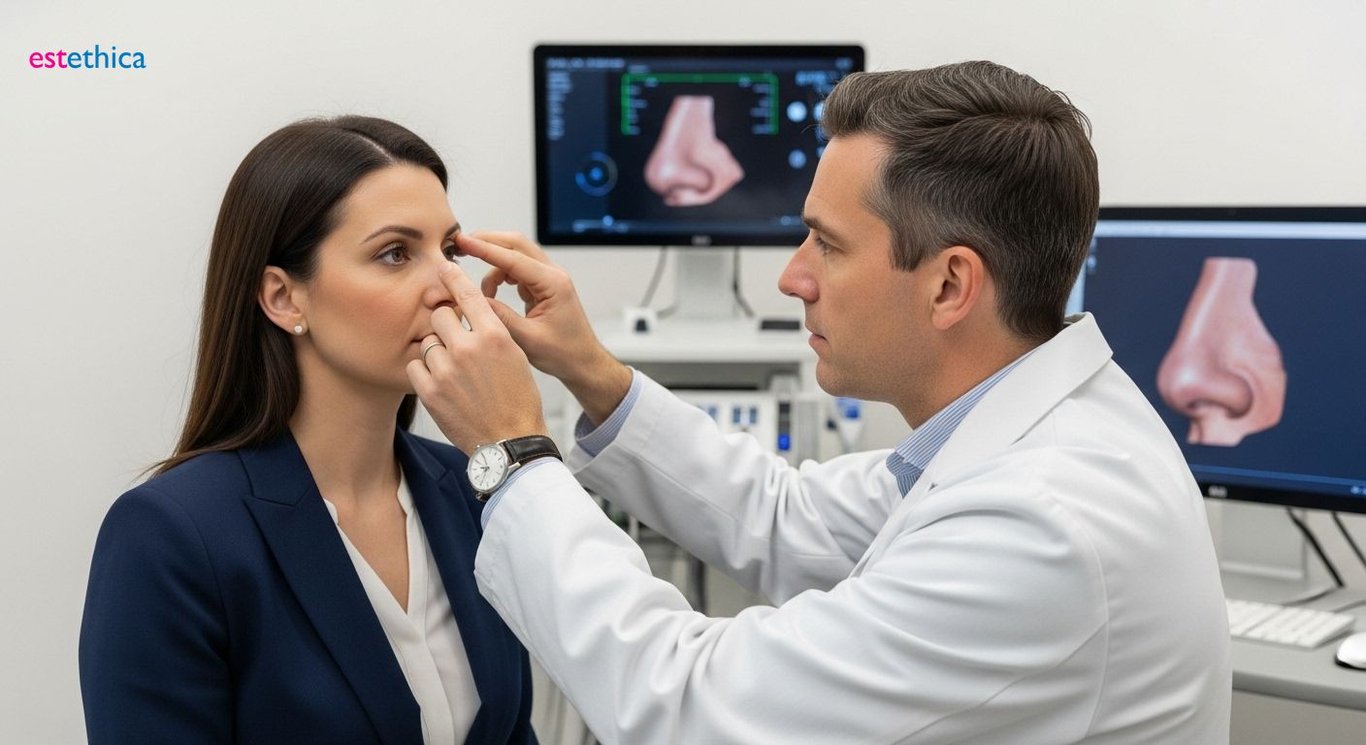
Finding Your Expert: Choosing the Best Nose Surgeon Near You
Essential Qualifications for a Rhinoplasty Surgeon
Selecting a qualified surgeon is paramount for a successful nose surgery. Prioritize board-certified professionals with extensive experience and a proven track record in rhinoplasty. Board certification ensures that the surgeon has met rigorous standards of training and expertise. Beyond certification, seek out surgeons who specialize in rhinoplasty and have performed a high volume of these procedures. A surgeon's experience directly correlates with their ability to handle complex cases and deliver consistent, positive outcomes. For instance, a surgeon with over ten years of experience in rhinoplasty is more likely to have encountered and successfully managed a wide range of nasal anatomies and patient needs. Before making a decision, scrutinize their credentials, experience, and specialization to ensure you are entrusting your care to a capable and skilled expert.
- Verify board certification to ensure standardized training.
- Look for surgeons specializing in rhinoplasty with extensive experience.
- Assess their track record and volume of rhinoplasty procedures performed.
Choosing the right surgeon is not just about qualifications, but also about finding someone who understands your goals and can communicate effectively. A good surgeon will take the time to listen to your concerns, thoroughly evaluate your nasal structure, and develop a personalized treatment plan that aligns with your desired outcomes.
Evaluating Surgeon Expertise Through Before and After Photos and Patient Testimonials
When selecting a best nose surgeon, before and after photos and patient testimonials are invaluable resources for evaluating a surgeon's expertise and aesthetic sensibility. Before and after photos provide visual evidence of the surgeon's skill in achieving desired outcomes, allowing you to assess the quality and consistency of their work. Pay attention to cases that closely resemble your own nasal structure and desired results. Patient testimonials offer insights into the overall patient experience, including the surgeon's communication style, bedside manner, and the level of care provided throughout the surgical process. Positive testimonials often highlight the surgeon's ability to listen to patient concerns, provide clear explanations, and deliver results that meet or exceed expectations. According to a survey by the American Society of Plastic Surgeons, 96% of patients who underwent rhinoplasty reported satisfaction with their results when they chose a board-certified and experienced surgeon.
- Review before and after photos to assess the surgeon's aesthetic skill.
- Read patient testimonials to gain insights into the overall patient experience.
- Look for consistent positive outcomes and patient satisfaction.
For example, a patient seeking nose surgery to improve breathing problems might look for testimonials that specifically mention improvements in nasal airflow and reduced congestion. Similarly, someone interested in reshape nose for cosmetic reasons might focus on before and after photos that showcase subtle yet impactful refinements. By carefully evaluating these resources, you can make a well-informed decision and choose a surgeon who is best suited to meet your individual needs and goals.

Nasal Reconstruction: Restoring Form and Function After Trauma
Advanced Techniques in Nasal Reconstruction
Nasal reconstruction employs a range of advanced surgical techniques to restore both the aesthetic appearance and functional capabilities of the nose following traumatic injury or extensive surgery. These techniques may involve the use of skin grafts, cartilage grafts, and even bone grafts to rebuild the nasal structure. Skin grafts are often harvested from other parts of the body, such as the forehead or ear, to provide a natural-looking covering for the reconstructed nose. Cartilage grafts, typically taken from the rib or ear, provide structural support and help to reshape the nose. In some cases, bone grafts may be necessary to rebuild the nasal bridge or other bony structures. The choice of technique depends on the extent of the damage and the individual patient's needs. According to the National Institutes of Health, successful nasal reconstruction can significantly improve a patient's quality of life and self-esteem.
- Skin grafts restore natural-looking coverage using tissue from other body areas.
- Cartilage grafts provide structural support, reshaping the nose effectively.
- Bone grafts rebuild the nasal bridge and other essential bony structures.
For instance, a patient who has had a portion of their nose removed due to skin cancer may undergo nasal reconstruction using a combination of skin and cartilage grafts. Another individual who has suffered a traumatic nasal injury may require bone grafts to rebuild the nasal bridge and restore its original shape. In each case, the goal is to create a nose that looks and functions as naturally as possible.
The Importance of Functional Restoration in Nasal Reconstruction
While aesthetic outcomes are a significant part of nasal reconstruction, restoring nasal function is equally crucial. Nasal function includes the ability to breathe properly, smell, and filter air. When the nose is damaged, these functions can be impaired, leading to a reduced quality of life. Nasal reconstruction aims to restore these functions by rebuilding the internal nasal structures, such as the nasal passages and turbinates. For example, if the nasal passages are blocked due to scarring or collapse, the surgeon may need to widen them to improve airflow. Similarly, if the turbinates (structures inside the nose that humidify and filter air) are damaged, they may need to be reconstructed to restore their function. In addition to improving breathing and smelling, functional nasal reconstruction can also help to prevent chronic sinus infections and other nasal problems. A study in the journal "Facial Plastic Surgery & Aesthetic Medicine" highlights that patients who undergo functional nasal reconstruction report significant improvements in their breathing and overall nasal health.
- Restoring Airflow: Ensuring clear and unobstructed breathing.
- Rebuilding Internal Structures: Reconstructing nasal passages and turbinates.
- Preventing Complications: Reducing the risk of chronic sinus infections.
Consider a patient who has undergone multiple nose surgery and now has difficulty breathing through their nose. Nasal reconstruction can rebuild the internal structures to improve airflow and alleviate breathing difficulties. Another example is a patient who has lost their sense of smell due to nasal trauma. Reconstruction can focus on restoring the olfactory pathways, potentially improving their sense of smell. In both cases, the procedure is not just about aesthetics but also about restoring essential nasal functions.
Rhinoplasty Enhanced by Septoplasty: Achieving Functional and Aesthetic Harmony
estethica combines rhinoplasty with septoplasty to correct deviated septums and reshape the nose, addressing both breathing difficulties and aesthetic concerns. This comprehensive approach ensures balanced and harmonious results, enhancing both nasal function and overall facial aesthetics.
estethica’s surgeons are board-certified professionals specializing in rhinoplasty, demonstrating extensive experience in managing diverse nasal anatomies and patient needs. Their expertise ensures personalized treatment plans aligned with individual goals, delivering consistent and positive outcomes for each patient.
Comprehensive Care in Nose Surgery for Improved Breathing and Appearance
estethica prioritizes patient safety and satisfaction, offering personalized treatment plans and thorough evaluations of nasal structure. The hospital’s commitment to ethical values and patient-centered care ensures a transparent and accessible healthcare experience, with 24/7 availability.
Patients at estethica experience significant improvements in both nasal function and aesthetics, thanks to the hospital’s skilled surgeons and advanced techniques. Positive testimonials highlight the surgeon's ability to listen to patient concerns, provide clear explanations, and deliver results that meet or exceed expectations, enhancing overall quality of life.
Frequently Asked Questions
What is nose surgery (rhinoplasty) and what are its main benefits?
How does septoplasty help with breathing problems, and is it always combined with rhinoplasty?
What should I look for when choosing the best doctor for nose surgery near me?
What is involved in nasal reconstruction, and when is it necessary?
What are the different options to reshape nose and what factors determine the best approach?
Achieve your aesthetic goals with estethica's expert team and advanced techniques.
📞 Get Your Free Consultation!