


Transform your profile with expert rhinoplasty. Understand its benefits, recovery process, and find your ideal surgeon.
Rhinoplasty, commonly known as a nose job or nose surgery, is a procedure that not only enhances facial aesthetics but also improves nasal function. This comprehensive guide delves into the diverse aspects of rhinoplasty, highlighting its aesthetic and functional benefits, recovery process, and the considerations for selecting the best surgeon.
Understanding Rhinoplasty: What Can Nose Surgery Achieve?
Benefits of Nose Surgery for Appearance and Function
Rhinoplasty is a versatile surgical procedure designed to reshape the nose, improving both its aesthetic appearance and functionality. A successful rhinoplasty can bring the nose into better proportion with the rest of the face, enhancing overall facial harmony. Beyond aesthetics, nose surgery can significantly improve breathing by correcting structural issues within the nasal passages.
- Improved Facial Symmetry: Rhinoplasty can correct asymmetry, making the nose align more harmoniously with other facial features.
- Enhanced Breathing: Correcting a deviated septum or other structural issues can lead to better airflow and easier breathing.
- Increased Confidence: Many patients report a significant boost in self-esteem and confidence after achieving their desired nasal appearance.
For example, someone who has always been self-conscious about a large dorsal hump can have it reduced, leading to a more refined profile. Similarly, individuals with chronic nasal congestion due to a deviated septum can experience significant relief through surgical correction. Cosmetic surgery nose procedures like rhinoplasty offer dual benefits, addressing both form and function.
The Rhinoplasty Procedure: What to Expect
The rhinoplasty procedure involves several key steps, starting with a thorough consultation and assessment by a qualified surgeon. During this consultation, the surgeon evaluates the patient's nasal structure, discusses their goals, and determines the most appropriate surgical approach. The surgery itself can be performed using either an open or closed technique, depending on the extent of the changes needed. Ethnic rhinoplasty techniques are used to achieve the desired results while respecting and maintaining the patient's ethnic identity.
- Initial Consultation: A detailed discussion with the surgeon to assess nasal structure and desired outcomes.
- Surgical Procedure: Reshaping the nose through either an open or closed rhinoplasty technique.
- Recovery Period: Managing swelling and bruising with post-operative care for optimal healing.
For instance, a patient seeking rhinoplasty for breathing problems will undergo a different evaluation than someone primarily concerned with aesthetics. The surgeon will use advanced imaging to identify specific areas of obstruction and plan the surgery accordingly. Rhinoplasty before and after photos can provide a visual representation of potential outcomes, helping patients set realistic expectations. Following the procedure, patients receive detailed instructions for rhinoplasty recovery tips for summer and care, including how to manage swelling and discomfort.

Beyond Aesthetics: Rhinoplasty for Breathing and Functional Improvement
Correcting Breathing Issues Through Rhinoplasty
Rhinoplasty is often associated with cosmetic enhancements, its functional benefits are equally significant. Many individuals seek rhinoplasty to correct structural issues that impair breathing. Deviated septums, enlarged turbinates, and nasal valve collapse can all contribute to obstructive breathing. Integrating techniques like septoplasty during a rhinoplasty procedure can significantly improve airflow and alleviate chronic nasal congestion. Rhinoplasty for breathing problems addresses the underlying anatomical issues, providing long-term relief and enhancing overall quality of life.
- Improved Airflow: Correcting structural abnormalities enhances nasal airflow, reducing congestion.
- Better Sleep Quality: Alleviating breathing obstructions can lead to more restful and uninterrupted sleep.
- Reduced Sinus Infections: Improved nasal drainage can decrease the frequency of sinus infections.
For example, a patient with a severely deviated septum may experience difficulty breathing through one or both nostrils. Correcting this deviation not only improves airflow but also reduces the likelihood of sinus infections. Similarly, individuals with nasal valve collapse, a condition where the nasal passages narrow during inhalation, can benefit from structural support provided during rhinoplasty. Best rhinoplasty surgeon near me who specializes in functional rhinoplasty can assess these issues and develop a tailored surgical plan.
Addressing Congenital Deformities and Injuries
Beyond addressing breathing issues, rhinoplasty plays a crucial role in correcting congenital deformities and repairing nasal damage resulting from injuries. Congenital nasal deformities can range from minor asymmetries to significant structural abnormalities that affect both appearance and function. Nasal reconstruction is often necessary to restore both form and function after trauma, such as fractures or severe lacerations. Rhinoplasty can rebuild the nasal structure, improve breathing, and restore a more natural appearance.
- Assessment: Comprehensive evaluation of the deformity or injury to determine the best surgical approach.
- Reconstruction: Surgical repair and reshaping of the nose using grafts and specialized techniques.
- Functional Restoration: Ensuring proper airflow and nasal function post-surgery.
For instance, a child born with a cleft lip and nose may undergo rhinoplasty as part of a series of reconstructive surgeries to improve nasal symmetry and function. Similarly, an athlete who sustains a nasal fracture can benefit from rhinoplasty to realign the nasal bones and prevent chronic breathing issues. Rhinoplasty before and after photos demonstrate the transformative impact of these procedures, restoring confidence and improving quality of life. Non surgical rhinoplasty can be used to correct minor asymmetries or irregularities without surgery.
Finding Your Best Rhinoplasty Surgeon: Expertise and Considerations
Essential Steps in Selecting a Rhinoplasty Expert
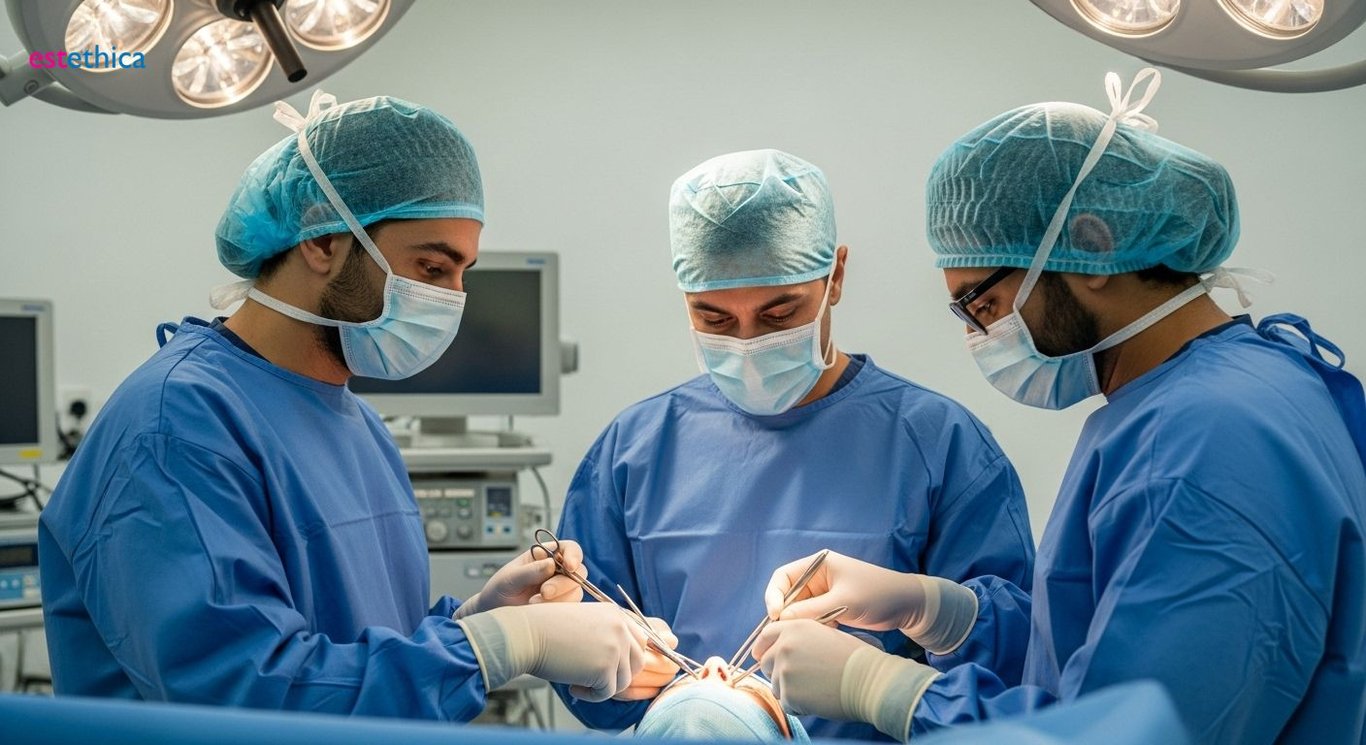
Choosing the right surgeon for your rhinoplasty involves careful research and consideration. Start by investigating the surgeon's credentials, including board certifications and specialized training in facial plastic surgery. Reviewing before-and-after photos of previous patients can provide insight into the surgeon's aesthetic style and skill. Patient reviews and testimonials offer valuable perspectives on the surgeon's bedside manner, communication, and overall patient satisfaction. A thorough consultation is crucial to discuss your goals, assess your nasal anatomy, and understand the proposed surgical plan. Surgeons at estethica prioritize patient education, ensuring you are fully informed and comfortable with every aspect of your nose surgery journey. Consider surgeons experienced in ethnic rhinoplasty to achieve results that harmonize with your unique facial features.
- Verify Credentials: Confirm board certifications and specialized training in facial plastic surgery.
- Review Portfolio: Examine before-and-after photos to assess aesthetic style and surgical skill.
- Read Reviews: Consider patient testimonials for insights into bedside manner and communication.
Advanced Techniques and Personalized Consultation at estethica
estethica surgeons utilize advanced technologies like the Piezo technique for precise and minimally invasive rhinoplasty. The Piezo technique employs ultrasonic vibrations to reshape bone, reducing trauma to surrounding tissues and promoting faster healing. This approach allows for greater precision in sculpting the nasal bones, leading to more predictable and natural-looking results. During your consultation at estethica, the surgeon will conduct a comprehensive nasal analysis, using 3D imaging to visualize the internal structures and plan the surgery with meticulous detail. This personalized approach ensures that your rhinoplasty is tailored to your specific needs and aesthetic goals. Surgeons consider factors such as skin thickness, nasal symmetry, and facial proportions to create a harmonious and balanced outcome. Rhinoplasty for breathing problems can be addressed simultaneously, improving both the appearance and function of the nose.
- Comprehensive Nasal Analysis: Utilizing 3D imaging for detailed surgical planning.
- Piezo Technique: Employing ultrasonic vibrations for precise bone reshaping and reduced trauma.
- Personalized Surgical Plan: Tailoring the procedure to individual needs and aesthetic goals.

Nose Job Recovery: Navigating the Healing Process After Rhinoplasty
What to Expect During Rhinoplasty Recovery
The recovery period following rhinoplasty is crucial for achieving optimal results. Immediately after surgery, patients can expect some swelling, bruising, and discomfort. These initial symptoms typically subside within the first week, with most patients returning to their normal daily routines shortly thereafter. However, complete healing, including the settling of tissues and refinement of the nasal shape, can take several months. Following your surgeon's post-operative instructions diligently is vital for a smooth and successful recovery. Regular follow-up appointments with your surgeon at estethica will ensure that the healing process is progressing as expected.
- Initial Swelling and Bruising: Manageable with prescribed medication and cold compresses.
- Return to Daily Activities: Most patients resume normal routines within one week.
- Complete Healing: Final results visible after several months as tissues settle.
Optimizing Your Rhinoplasty Recovery
To ensure a smooth and successful rhinoplasty recovery, several key steps can be taken. Following your surgeon's instructions regarding medication, wound care, and activity restrictions is paramount. Avoiding strenuous activities, such as heavy lifting or intense exercise, during the initial weeks can prevent complications and promote healing. Maintaining a healthy diet and staying hydrated supports the body's natural healing processes. Attending all scheduled follow-up appointments with your surgeon at estethica allows for monitoring of your progress and addressing any concerns promptly. Proper aftercare significantly influences the final outcome of your nose surgery.
- Follow Post-Operative Instructions: Adhere to medication schedules, wound care, and activity restrictions.
- Maintain a Healthy Lifestyle: Eat nutritious foods and stay hydrated to support healing.
- Attend Follow-Up Appointments: Ensure proper monitoring and address any concerns promptly with your surgeon.
Piezo Technique: Minimally Invasive Rhinoplasty for Precise Bone Reshaping
estethica surgeons employ the Piezo technique, utilizing ultrasonic vibrations to reshape nasal bones with minimal trauma to surrounding tissues. This advanced method allows for greater precision in sculpting, leading to more predictable and natural-looking results.
estethica's surgeons hold board certifications and specialized training in facial plastic surgery, ensuring expertise in rhinoplasty and related procedures. Their proficiency in advanced techniques like the Piezo method underscores their commitment to providing cutting-edge surgical solutions.
Personalized Rhinoplasty: Comprehensive Nasal Analysis and Post-Operative Care
estethica prioritizes patient education and provides detailed pre- and post-operative instructions to ensure a smooth recovery process. The clinic's personalized approach includes comprehensive nasal analysis using 3D imaging for meticulous surgical planning, ensuring tailored treatments and optimal outcomes.
Patients at estethica benefit from a holistic approach that addresses both aesthetic and functional concerns, leading to increased confidence and improved quality of life. The hospital's commitment to excellence is reflected in its state-of-the-art facilities and dedication to patient satisfaction.
Frequently Asked Questions
What is rhinoplasty and what can it achieve?
How does rhinoplasty improve breathing problems?
What should I consider when choosing the best rhinoplasty surgeon near me?
What is the recovery process like after rhinoplasty?
What is the Piezo technique in rhinoplasty and what are its benefits?
Achieve your aesthetic goals with estethica's expert guidance.
📞 Schedule Your Free Consultation!