

Rhinoplasty: The blend of aesthetic enhancement and functional improvement for a more confident you.
Rhinoplasty, commonly known as a nose job, is more than just a procedure—it’s a journey towards enhanced confidence and facial harmony. Whether it's addressing aesthetic concerns or improving nasal functionality, this transformative surgery holds the promise of boosting self-esteem and quality of life. Understanding the procedure, recovery process, and selecting the right surgeon are critical steps in this journey.
Rhinoplasty Unveiled: Understanding the Procedure and Its Goals
Navigating the Initial Consultation for Nose Surgery
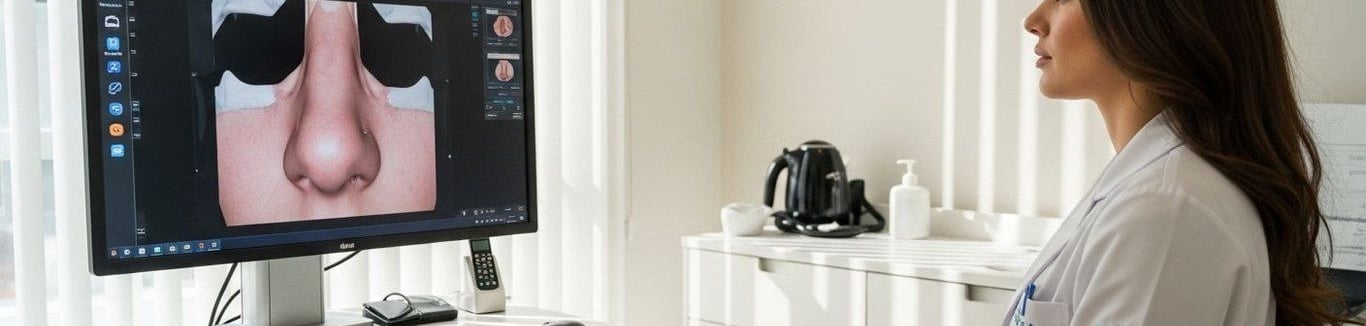
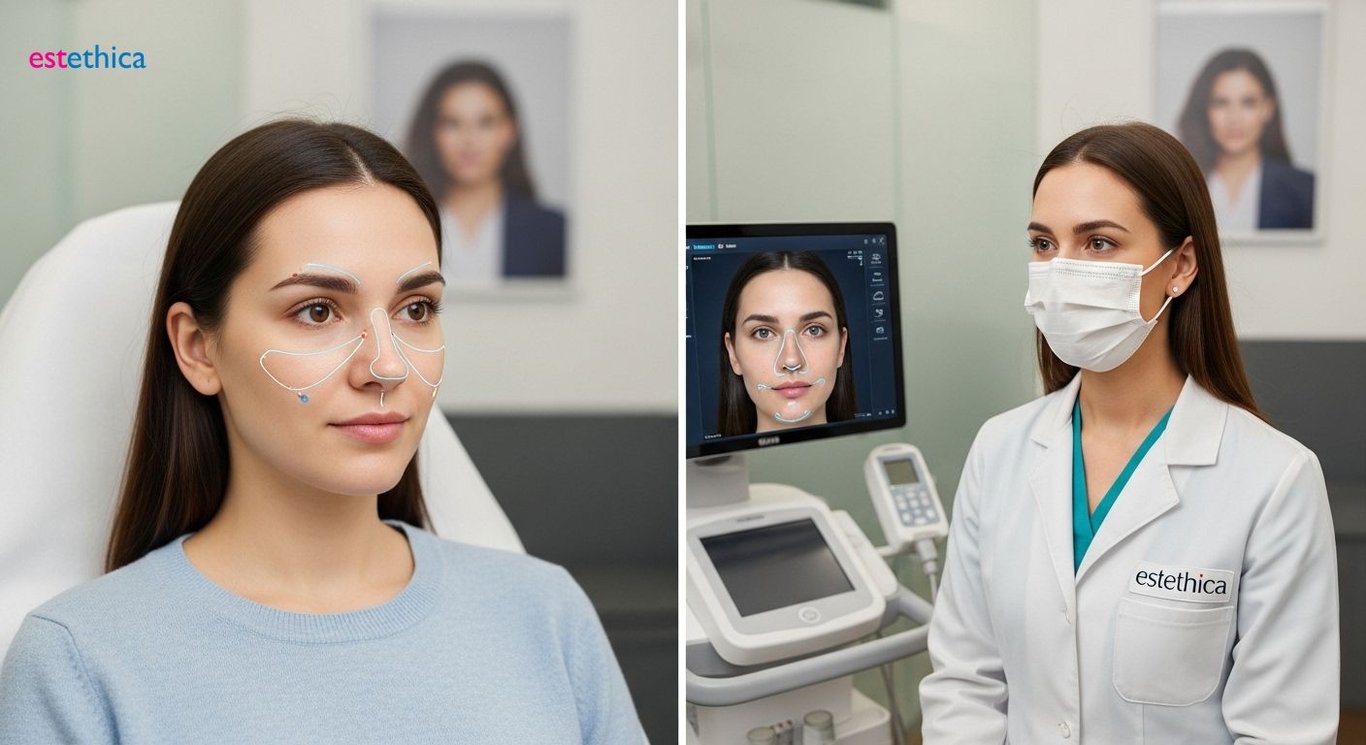
The journey toward a successful Rhinoplasty begins with a comprehensive consultation. This is where patients articulate their aesthetic desires and functional concerns regarding their nose. For instance, a patient might express dissatisfaction with a dorsal hump or breathing difficulties due to a deviated septum. Surgeons, in turn, assess nasal structure, skin quality, and overall facial harmony.
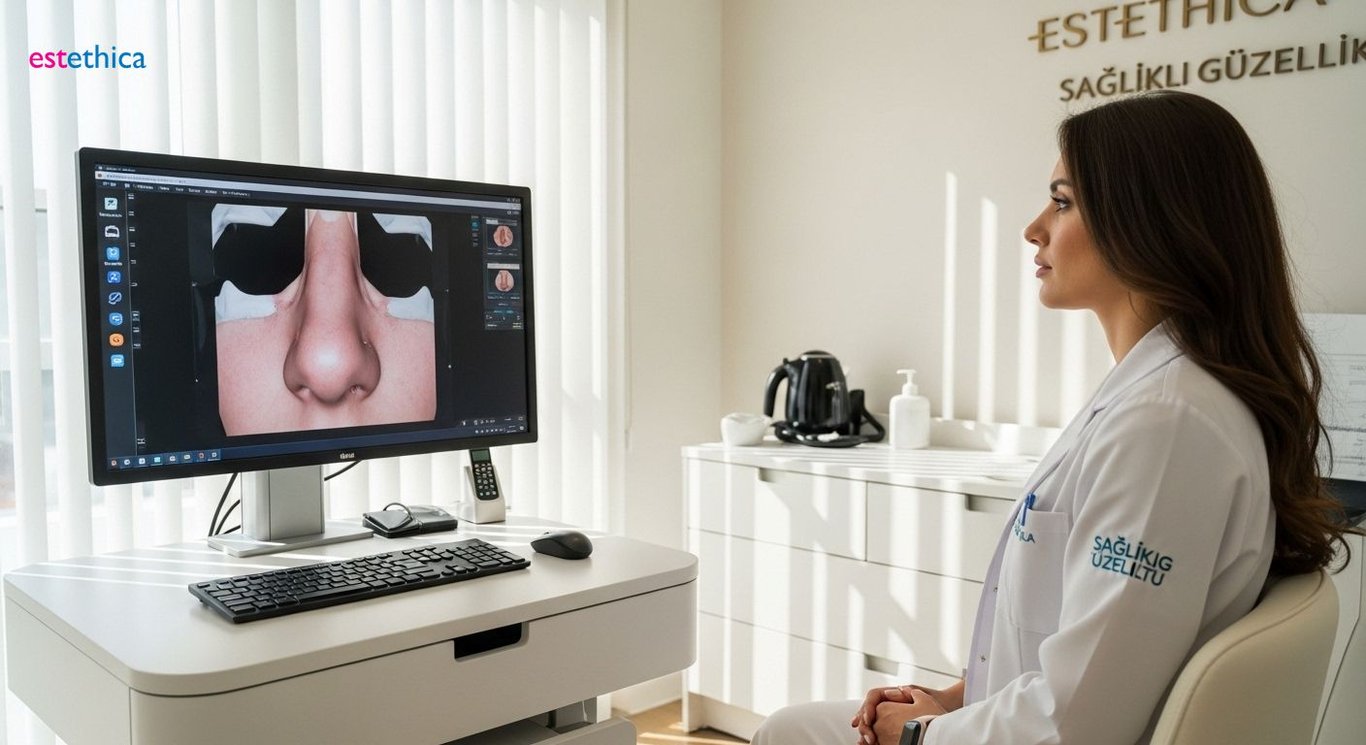
It's essential for patients to understand that ideal results are based on individual anatomy. For example, thin-skinned individuals may experience more visible post-operative changes compared to those with thicker skin. According to the American Society of Plastic Surgeons, patient satisfaction rates are highest when expectations align with realistic surgical outcomes. During this consultation, surgeons use computer imaging to simulate potential results, fostering a shared understanding between the patient and the surgical team. This collaborative approach is crucial to achieving patient satisfaction with their Nose Surgery.
Key Goals of Rhinoplasty Surgery
- Enhancing Facial Harmony: Rhinoplasty aims to create a nose that complements the patient's other facial features, achieving a balanced and natural appearance. For example, reducing the size of a bulbous tip or refining the nasal bridge contributes to overall facial aesthetics.
- Improving Nasal Function: Beyond aesthetics, Rhinoplasty can correct structural issues that impede breathing, such as a deviated septum or nasal valve collapse. A functional Nose Job improves airflow and alleviates respiratory difficulties.
- Boosting Self-Confidence: By addressing aesthetic concerns and functional impairments, Rhinoplasty can positively impact a patient's self-image and overall quality of life. Correcting asymmetry or refining nasal contours can lead to increased self-esteem.
Rhinoplasty is not merely about altering the size or shape of the nose; it’s about enhancing overall facial aesthetics and functionality. The best rhinoplasty outcomes are achieved through detailed planning, expert surgical technique, and a clear understanding of the patient's goals.
Beyond Aesthetics: Can Rhinoplasty Improve Breathing?
The Functional Benefits of Nasal Surgery
While many seek Rhinoplasty for cosmetic reasons, it is important to acknowledge its significant role in improving nasal functionality. A substantial number of individuals opt for Nose Surgery to correct breathing problems caused by structural irregularities within the nasal passages. These issues often include a deviated septum, enlarged turbinates, or nasal valve collapse. Functional Rhinoplasty addresses these concerns, leading to enhanced airflow and easier breathing.
For example, a patient with a severely deviated septum might experience chronic nasal congestion and difficulty breathing, particularly during sleep or exercise. Another instance involves individuals with enlarged turbinates, which can obstruct airflow and cause persistent nasal stuffiness. A study published in the "Archives of Facial Plastic Surgery" indicates that over 70% of patients undergoing Rhinoplasty report significant improvement in nasal breathing post-surgery. By correcting these structural issues through Nasal Surgery, patients can experience lasting relief from breathing difficulties and an enhanced quality of life. This makes Rhinoplasty a dual-purpose procedure addressing both aesthetic and functional needs.
Conditions Corrected with Rhinoplasty
- Deviated Septum Correction: Septoplasty, often performed alongside Rhinoplasty, straightens the nasal septum to improve airflow. For instance, straightening a severely deviated septum can significantly reduce nasal obstruction and improve breathing.
- Nasal Valve Repair: Rhinoplasty can widen or support the nasal valve, a critical area for regulating airflow. For example, using cartilage grafts to reinforce the nasal valve can prevent collapse during inhalation, thereby improving breathing efficiency.
- Turbinate Reduction: Enlarged turbinates can be reduced during Rhinoplasty to clear nasal passages. For instance, partial resection or submucosal reduction of the turbinates can alleviate chronic nasal congestion and improve airflow.
Navigating Rhinoplasty Recovery: A Comprehensive Guide
Immediate Post-Op Care After Nose Surgery
The initial days following Rhinoplasty are critical for ensuring a smooth recovery. Patients typically experience swelling, bruising, and discomfort around the nose and eyes, which can be managed with prescribed pain medication and cold compresses. It's crucial to keep the head elevated, even while sleeping, to minimize swelling. Nasal packing or splints are often used to provide support and maintain the new shape of the nose during this early phase. These are usually removed within a week post-surgery.
For instance, applying cold compresses for 20 minutes every hour can significantly reduce swelling and ease discomfort during the first 48 hours. Another example includes using a humidifier to keep nasal passages moist, preventing crusting and promoting easier breathing. Patients should avoid strenuous activities, nose blowing, and any actions that could disrupt the healing tissues. According to a study in the "Aesthetic Surgery Journal," meticulous adherence to post-operative instructions significantly reduces complication rates and improves overall patient satisfaction following Nose Surgery. Proper care during this period sets the stage for a successful Rhinoplasty outcome and minimizes potential setbacks.
Essential Do's and Don'ts for Rhinoplasty Recovery
- Do: Maintain a soft food diet to minimize chewing and facial movements, reducing strain on the healing nose. For example, opt for soups, smoothies, and mashed foods during the first few days.
- Don't: Engage in strenuous exercise or heavy lifting for at least four to six weeks to prevent increased swelling and potential complications. For instance, avoid activities like running, weightlifting, or even bending over excessively.
- Do: Gently clean the incision areas as instructed by your surgeon to prevent infection and promote optimal healing. Use saline spray to keep the nasal passages moist and prevent crusting.
Finding Your Best Rhinoplasty Surgeon: Expertise and Considerations
Essential Qualifications for a Rhinoplasty Surgeon
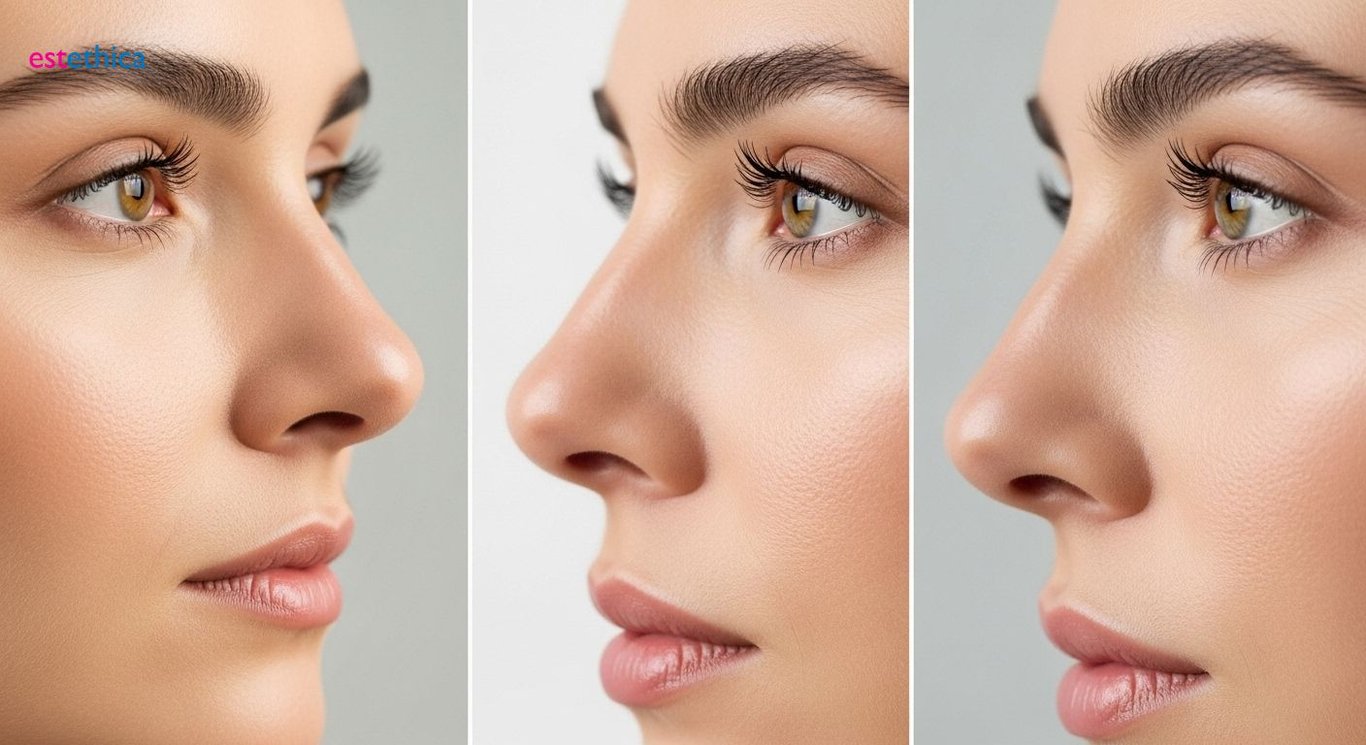
Selecting the right surgeon is paramount for achieving successful Rhinoplasty outcomes. Experience is a critical factor: a surgeon with years of specialized practice is more likely to handle diverse nasal anatomies and challenges effectively. Board certification ensures that the surgeon has met rigorous standards of training and expertise, providing patients with added confidence. Patient testimonials and before-and-after photos offer valuable insights into the surgeon's aesthetic sensibility and surgical skill. For instance, a surgeon may have extensive experience with ethnic Rhinoplasty, showcasing their ability to respect and enhance unique nasal features. Ultimately, choosing a board-certified surgeon with a proven track record and positive patient feedback significantly increases the likelihood of a satisfactory result following Nose Surgery.
It's equally important to be aware of potential red flags when evaluating a surgeon. These include a lack of board certification, reluctance to provide before-and-after photos, or a history of negative patient reviews. A surgeon who dismisses your concerns or pressures you into unnecessary procedures should also raise concerns. For instance, a surgeon who insists on an overly aggressive Rhinoplasty without considering your facial proportions or desired outcome should be avoided. A surgeon committed to ethical practice and patient satisfaction will prioritize open communication, realistic expectations, and a personalized surgical plan. By carefully evaluating qualifications, reviewing testimonials, and remaining vigilant for red flags, patients can make informed decisions and secure a surgeon who aligns with their aesthetic goals and values.
Key Attributes of an Expert Rhinoplasty Surgeon
- Extensive Experience: A surgeon with a long history of performing Rhinoplasty procedures is better equipped to handle complex cases. For example, a surgeon with over ten years of experience may have encountered a wider range of nasal anatomies and challenges.
- Board Certification: Ensures the surgeon has met rigorous training and expertise standards, indicating a high level of competence. Board certification from the American Board of Plastic Surgery or the American Board of Otolaryngology signifies a commitment to excellence.
- Positive Patient Testimonials: Provides insights into patient satisfaction and the surgeon's interpersonal skills. For instance, consistently positive reviews highlight the surgeon's ability to deliver desired results and provide a supportive patient experience.
Warning Signs When Choosing a Surgeon
- Lack of Certification: Not being board-certified can indicate a lack of sufficient training and expertise. This is an example of failing to meet industry standards.
- Reluctance to Communicate: Avoiding discussion around risks or realistic outcomes. A reluctance to share such information openly can highlight a lack of commitment to the well-being and clarity that the patient is entitled to.
- Promises of Perfection: Guaranteeing flawless results sets unrealistic expectations. No surgery is without risk.
Understanding Rhinoplasty: A Comprehensive Guide
Safir Uçlu iğne ile Ağrısız Saç Ekimi ve JetPeel ile Cilt Yenileme Uzmanlığı
Hasta Güvenliği ve İyileştirilmiş Deneyim ile Şeffaf Hizmet
Frequently Asked Questions
What is Rhinoplasty and what are its primary goals?
Can Rhinoplasty improve breathing problems?
What does Rhinoplasty Recovery involve?
What qualifications should I look for in a Rhinoplasty Surgeon?
Transform your look and boost your confidence with personalized esthetic solutions.
📞 Book Your Free Consultation!