


Transform your appearance and breathing with rhinoplasty, a surgery offering aesthetic and health benefits.
Discover the transformative power of nose surgery, a procedure that not only refines your physical appearance but significantly enhances your life quality. From aesthetic improvements to functional benefits, nose surgery, commonly known as rhinoplasty, offers a versatile solution to various nasal concerns.
Rhinoplasty Unveiled: Understanding the Procedure & Its Possibilities
Understanding the Essentials of Rhinoplasty
Rhinoplasty, commonly referred to as a nose job or nose surgery, is a nuanced surgical intervention crafted to refine the nose's form and enhance its functionality. The term "versatile" is often associated with the procedure because it meets a broad range of aesthetic and therapeutic needs. For instance, it can correct a crooked nose resulting from an injury, smooth out dorsal humps that cause aesthetic imbalance, and even resolve structural issues that impair free nasal breathing. The decision between an open or closed rhinoplasty depends primarily on the extent and type of correction necessary, illustrating the personalized approach vital for successful outcomes. Ethnic Rhinoplasty requires special knowledge of the surgeons.
Elements Addressed During Rhinoplasty
- Nasal Asymmetry Correction: Corrects deviations to improve facial balance and harmony. For example, surgeons might reshape cartilage to align a nose that leans noticeably to one side, creating symmetry.
- Bridge Reshaping: Smooths out bumps or depressions to achieve a more aesthetically pleasing nasal profile. For example, in cases where a prominent dorsal hump exists, the surgeon will meticulously reduce the bone and cartilage to create a smoother contour.
- Breathing Improvement: Corrects structural issues such as a deviated septum to facilitate better airflow. For example, straightening a severely deviated septum can significantly relieve breathing obstructions.

From Breathing Problems to Beauty: The Functional Benefits of Nose Surgery
Correcting Breathing Issues Through Rhinoplasty
Beyond the cosmetic enhancements that rhinoplasty offers, its ability to address and correct breathing difficulties is a significant advantage. Many individuals seek nose surgery, or nose surgery, specifically to resolve functional nasal obstructions. These obstructions often result from structural problems within the nose, such as a deviated septum, which can severely restrict airflow and cause chronic breathing problems Ethnic Rhinoplasty also contributes to these improvements. By undergoing a corrective procedure, patients can experience a notable improvement in their respiratory function, leading to a better quality of life. This dual benefit—aesthetic enhancement and functional improvement—makes rhinoplasty a compelling option for those seeking comprehensive nasal correction. Rhinoplasty recovery time is also important for the patients.
Benefits of Functional Nose Surgery
- Improved Airflow: Correcting structural issues allows for better airflow through the nasal passages. For instance, straightening a deviated septum ensures air can flow freely, reducing the feeling of stuffiness or congestion.
- Reduced Sinus Infections: By opening nasal passages, surgery can decrease the frequency of sinus infections. For example, patients with narrow sinus openings may experience fewer blockages and infections post-surgery.
- Enhanced Sleep Quality: Easing nighttime breathing difficulties results in more restful sleep. For example, individuals who previously struggled with snoring or sleep apnea due to nasal obstructions often find significant relief.
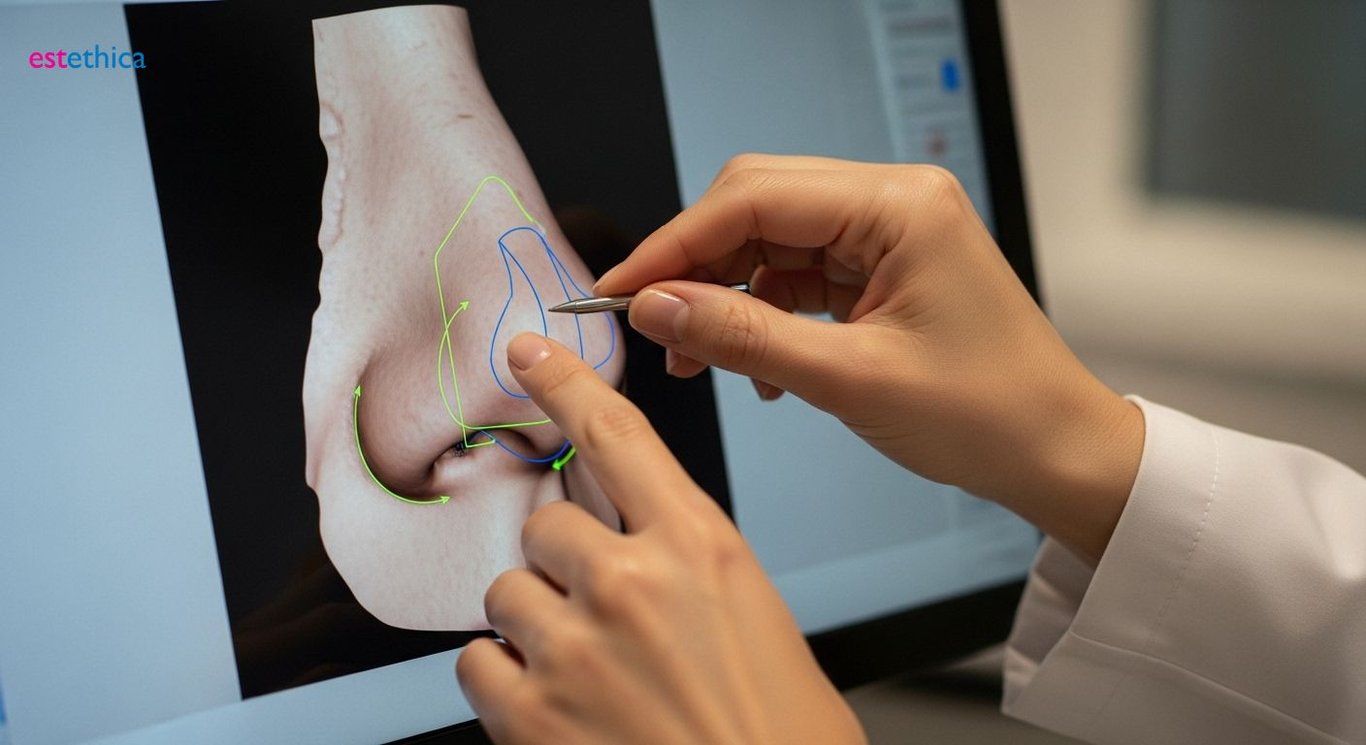
Ethnic Rhinoplasty: Tailoring the Approach for Natural-Looking Results
Understanding Cultural Nuances in Rhinoplasty
Ethnic rhinoplasty acknowledges the unique nasal structures inherent to different ethnic groups. Customized approaches ensure that the modifications harmonize with cultural and personal facets, providing natural-looking enhancements while preserving ethnic identity. This specialized approach respects the diverse anatomical variations and cultural values associated with different ethnicities. The primary goal is to enhance the nose's appearance and function while maintaining a person's unique heritage.
Key Considerations in Ethnic Rhinoplasty
- Preservation of Ethnic Identity: Maintaining unique nasal features to avoid homogenization. For example, some patients may wish to refine the bridge without completely altering its original shape.
- Structural Support: Reinforcing nasal structures to ensure long-term aesthetic and functional stability. For instance, cartilage grafts may be used to strengthen a weakened nasal tip.
- Balancing Aesthetics with Function: Addressing both cosmetic concerns and potential breathing issues. For example, correcting a deviated septum while reshaping the nose improves both appearance and airflow.

Rhinoplasty Recovery Time: What to Expect After Your Nose Job
Navigating the Stages of Rhinoplasty Recovery
The period following rhinoplasty is crucial for achieving the best possible results. Initially, patients can expect some swelling and discomfort, which is effectively managed with medication prescribed by their surgeon. While individual experiences vary, most individuals find they can return to light daily activities within a week post-surgery. It's important to remember that the final aesthetic outcome of the nose job becomes more apparent as swelling subsides, gradually revealing the refined nasal contours. The commitment to proper aftercare is as vital to the success of the procedure as the surgical skill involved. Rhinoplasty recovery time requires persistance.
Guidance for a Smooth Rhinoplasty Recovery
- Follow Post-Op Instructions: Strict adherence to the surgeon’s guidelines is essential for optimal healing. For example, regularly cleaning the incision sites as directed helps prevent infection and promotes faster recovery.
- Manage Swelling: Using cold compresses as advised reduces swelling and discomfort. Applying these compresses gently for 15-20 minutes several times a day helps minimize inflammation.
- Avoid Strenuous Activities: Refraining from intense physical activities prevents complications during the initial healing phase. Light activities can typically be resumed after a week, but more strenuous exercise should be avoided for at least a month.
Understanding Rhinoplasty: A Comprehensive Guide
Rhinoplasty: Combining Functional Correction with Personalized Aesthetic Enhancement
Patient-Centric Rhinoplasty with Comprehensive Post-Operative Support
Frequently Asked Questions
What are the functional benefits of rhinoplasty beyond aesthetic improvements?
What is ethnic rhinoplasty, and how does it differ from traditional rhinoplasty?
What is the typical rhinoplasty recovery time, and what can I expect during the healing process?
How does rhinoplasty correct breathing problems?
Achieve your aesthetic goals with estethica's expert team and advanced techniques.
📞 Call Us Now for a Free Consultation!