

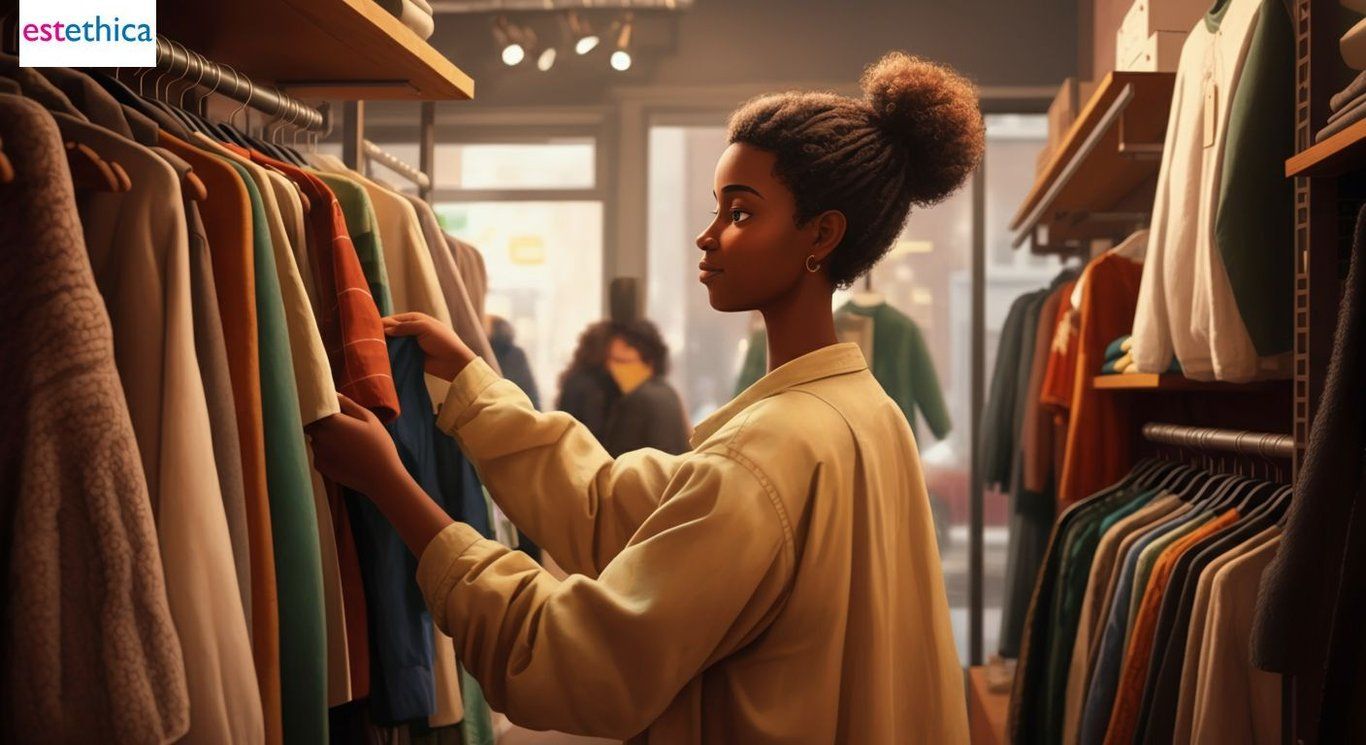
Dive into eco-friendly fashion with our sustainable guide. Discover materials, brands, and practices for a stylishly sustainable future.
The world is experiencing a pivotal shift towards sustainable practices across various industries, and fashion is no exception. As climate change and environmental concerns increasingly permeate public consciousness, the demand for eco-friendly clothing has skyrocketed. This sustainable guide explores the vibrant world of eco-friendly fashion, offering insights on understanding sustainable practices, choosing the right materials, and identifying brands committed to ethical fashion. Join us as we navigate this transformative journey towards a more sustainable and stylish future.
Understanding the Essence of Sustainable Fashion
Key Principles of Sustainable Fashion
Sustainable fashion is a transformative movement that prioritizes the environment and ethical practices over traditional profit-driven models. It emphasizes the use of eco-friendly clothing materials, such as organic cotton and recycled fibers, to reduce environmental impact. Ethical fashion brands are committed to fair trade practices, ensuring that workers receive fair wages and work in safe conditions. This approach not only benefits the planet but also supports the well-being of people involved in the fashion supply chain.
Core Elements of Sustainable Fashion
- Eco-friendly materials: Organic cotton, hemp, and recycled polyester are popular choices.
- Ethical production: Fair wages and safe working conditions are prioritized.
- Reduced waste: Upcycling and circular fashion help minimize waste.
These elements collectively contribute to a more sustainable and ethical fashion industry, encouraging consumers to make informed choices.
Steps to Embrace Sustainable Fashion
- Research ethical fashion brands that align with your values.
- Choose eco-friendly clothing materials for your wardrobe.
- Support local sustainable fashion stores to reduce carbon footprint.
By following these steps, consumers can actively participate in the sustainable fashion movement, making a positive impact on both the environment and society.
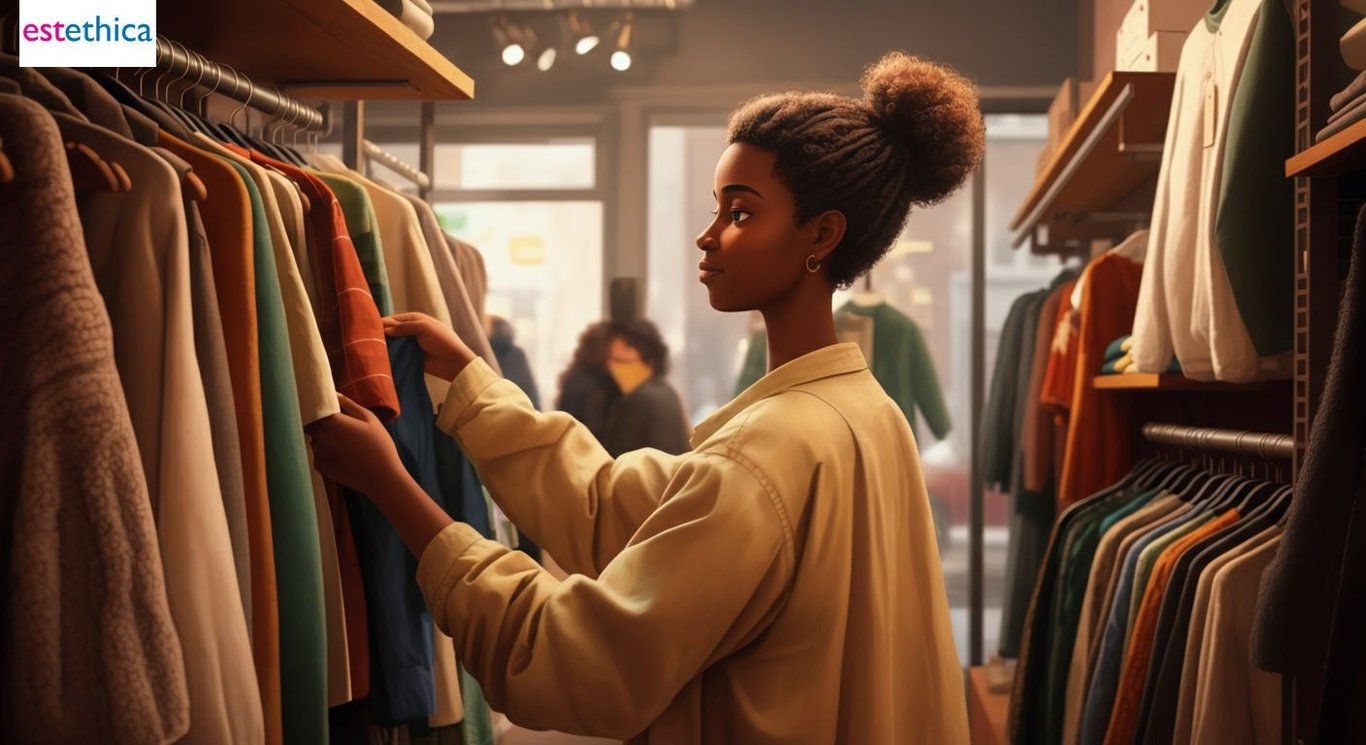
Choosing the Best Eco-Friendly Clothing Materials
Attributes and Benefits of Eco-Friendly Fabrics
Eco-friendly fabrics are pivotal in sustainable fashion, offering both environmental and economic benefits. Organic cotton, for example, is cultivated without harmful pesticides, enhancing biodiversity and soil health. Hemp, renowned for its durability, is both renewable and biodegradable, making it a top choice for sustainable fashion enthusiasts. Bamboo, another eco-friendly option, grows rapidly and requires minimal water, making it a sustainable resource. Recycled polyester, derived from plastic waste, reduces landfill contributions and conserves resources.
Key Features of Eco-Friendly Fabrics
- Organic cotton: Promotes biodiversity and soil health.
- Hemp: Durable, renewable, and biodegradable.
- Bamboo: Rapid growth and low water requirement.
These materials not only reduce the environmental footprint of clothing but also offer unique advantages in terms of durability and resource conservation.
Steps to Select Sustainable Clothing Materials
- Identify eco-friendly fabrics that align with your values.
- Research the environmental impact of different materials.
- Choose materials that offer both sustainability and durability.
By following these steps, consumers can make informed decisions, contributing to a more sustainable wardrobe and supporting the broader movement of green fashion.

Discovering Affordable Ethical Fashion Brands
Breaking the Myth of Expensive Sustainable Fashion
Many consumers believe that sustainable fashion is synonymous with high costs, but this is a misconception. Brands like Pact, Everlane, and People Tree are proving that eco-friendly clothing can be both stylish and affordable. These brands focus on transparency and fair labor practices, ensuring that their production methods are sustainable and ethical. By prioritizing these values, they make it possible for consumers to access fashionable, eco-conscious clothing without straining their budgets.
Recognizing True Sustainability in Fashion
- Transparency: Look for brands that openly share their production processes and labor practices.
- Certifications: Seek out certifications like Fair Trade and GOTS for assurance of ethical standards.
- Material Choices: Opt for brands using organic clothing materials like organic cotton and recycled fibers.
These elements help consumers identify genuine sustainable fashion brands, avoiding those that engage in greenwashing tactics. By understanding these key features, consumers can make informed choices that align with their values.
Steps to Identify Affordable Ethical Fashion Brands
- Research brands that emphasize transparency and ethical practices.
- Check for certifications that validate sustainable and fair labor practices.
- Explore brands that offer eco-friendly clothing at accessible price points.
By following these steps, consumers can discover affordable ethical fashion brands that align with their values, supporting a more sustainable and equitable fashion industry.

Navigating the World of Slow and Circular Fashion
Embracing Slow Fashion for a Sustainable Wardrobe
Slow fashion emphasizes quality over quantity, encouraging consumers to invest in timeless pieces that last. By choosing garments made from durable materials like organic cotton and hemp, individuals can reduce their environmental footprint. For example, a well-crafted organic cotton shirt can outlast several fast fashion alternatives, reducing waste and promoting sustainability. Additionally, slow fashion supports ethical fashion brands that prioritize fair labor practices, ensuring that workers are treated with dignity and respect.
Benefits of Circular Fashion
- Extended garment lifecycle: Recycling and reusing materials reduce waste.
- Resource conservation: Circular fashion minimizes the need for new raw materials.
- Environmental impact reduction: Less waste leads to a smaller carbon footprint.
These benefits highlight the importance of circular fashion in creating a sustainable fashion ecosystem. By embracing these practices, consumers contribute to a more eco-friendly clothing industry.
Steps to Adopt Slow and Circular Fashion
- Choose quality over quantity when purchasing clothing.
- Support brands that prioritize recycling and upcycling.
- Participate in clothing swaps or donate unwanted garments.
By following these steps, individuals can actively participate in the slow and circular fashion movement, fostering a more sustainable future. This approach not only benefits the environment but also supports ethical practices within the fashion industry.
Eco-Friendly Fabrics: The Backbone of Sustainable Fashion
Slow and Circular Fashion: Paving the Way for Sustainability
Frequently Asked Questions
What is sustainable fashion and why is it important?
How can I choose the best eco-friendly clothing materials?
Are there affordable ethical fashion brands available?
What are the benefits of slow and circular fashion?
How can I find ethical fashion brands that align with my values?
Discover the Path to 'Healthy Beauty' with estethica's Expert Care! Call Now for Your Free Consultation and Start Your Journey to Confidence.
📞 Speak with Our Specialists Today!