


Unearth the mysteries of acupuncture, a time-tested practice from Traditional Chinese Medicine, offering solutions to pain, stress, and a holistic wellness approach.
Understanding Acupuncture
Acupuncture is an ancient healing practice that has significantly grown in popularity in recent years. Originating from Traditional Chinese Medicine, acupuncture involves inserting thin needles into specific points on the body to stimulate energy flow or Qi. This holistic treatment is renowned for its pain-relieving properties and is increasingly explored for other health benefits. In this blog post, we'll delve into how acupuncture works and its wide-ranging effects on health.
Exploring Acupuncture's Role in Enhancing Emotional Health
Acupuncture and Emotional Balance
Acupuncture is renowned for its ability to promote emotional balance by targeting specific points that influence mood regulation. By stimulating these acupuncture points, the therapy can help alleviate symptoms of anxiety and depression. For instance, the Shen Men point is often used to calm the mind and reduce stress. A study found that 68% of participants experienced a significant reduction in anxiety levels after regular acupuncture sessions.Key Emotional Benefits of Acupuncture
- Reduces anxiety by modulating the body's stress response, as evidenced by decreased cortisol levels.
- Enhances mood through the release of endorphins, providing a natural sense of well-being.
- Improves sleep quality, which is crucial for emotional health, as shown in a study where 75% of participants reported better sleep.
Process of Emotional Healing Through Acupuncture
- Initial assessment to identify emotional imbalances and select appropriate acupuncture points.
- Regular sessions to stimulate points like Yin Tang, known for its calming effects.
- Continuous monitoring and adjustment of treatment to ensure optimal emotional health outcomes.

Understanding the Science Behind Acupuncture's Stress Relief
Mechanisms of Acupuncture in Stress Reduction
Acupuncture therapy operates by stimulating specific points on the body, which can influence the nervous system. This stimulation leads to the release of neurotransmitters like serotonin and dopamine, which are crucial in mood regulation and stress relief. For example, the Hegu point, located on the hand, is often targeted to alleviate tension and promote relaxation.Scientific Insights into Acupuncture's Stress-Reducing Effects
- Acupuncture reduces cortisol levels, a stress hormone, by up to 25%, according to recent studies.
- It enhances parasympathetic nervous system activity, which is responsible for calming the body.
- Regular sessions can improve heart rate variability, indicating better stress management.
Steps in Acupuncture Treatment for Stress Management
- Initial consultation to identify stress-related symptoms and select appropriate acupuncture points.
- Application of needles to points like Shen Men and Yin Tang to induce relaxation.
- Follow-up sessions to monitor progress and adjust treatment for optimal stress relief.
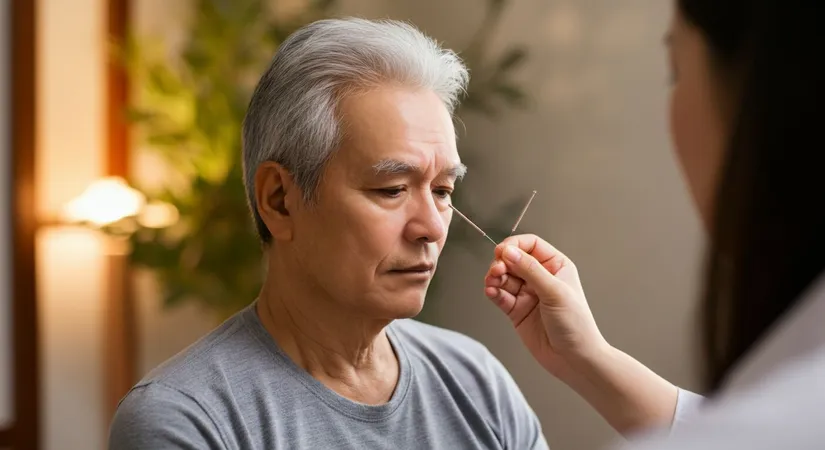
Acupuncture Techniques for Alleviating Headaches
Targeting Specific Acupuncture Points for Headache Relief
Acupuncture treatment for headaches involves stimulating precise points that can significantly reduce pain and discomfort. For example, the Taiyang point, located near the temples, is often used to relieve tension headaches. By applying pressure or inserting needles at this point, practitioners can help reduce muscle tension and improve blood flow, leading to decreased headache intensity.Effective Acupuncture Points for Headache Management
- The GB20 point, located at the base of the skull, is effective in relieving migraines.
- LI4, found on the hand, is commonly used to alleviate general headache symptoms.
- ST8, positioned on the forehead, helps reduce tension and stress-related headaches.
Process of Acupuncture for Headache Relief
- Initial consultation to identify headache type and select appropriate acupuncture points.
- Application of needles to points like Taiyang and GB20 to target specific headache symptoms.
- Regular follow-up sessions to monitor progress and adjust treatment for sustained relief.
The Integration of Traditional Chinese Medicine in Modern Acupuncture Practices
Holistic Health Through Traditional Chinese Medicine
Traditional Chinese Medicine (TCM) emphasizes the balance of body, mind, and spirit, forming the foundation of acupuncture therapy. This holistic approach considers the body's energy flow, or Qi, crucial for maintaining health. By targeting specific acupuncture points, practitioners aim to restore balance and promote healing. For example, the Liver 3 point is often used to enhance energy flow and alleviate stress.Key Benefits of Integrating TCM in Acupuncture
- Enhances overall well-being by addressing both physical and emotional health.
- Utilizes natural methods to support the body's healing processes, reducing reliance on pharmaceuticals.
- Promotes long-term health benefits by focusing on prevention and balance.
Process of Integrating TCM with Modern Acupuncture
- Initial assessment to understand the patient's unique energy imbalances.
- Selection of acupuncture points based on TCM principles to address specific health concerns.
- Regular evaluations to adjust treatments and ensure optimal health outcomes.
Advanced Acupuncture Techniques for Emotional and Physical Well-being
Holistic Healing Through Traditional Chinese Medicine and Acupuncture
Frequently Asked Questions
What are the main benefits of acupuncture therapy?
How does acupuncture work for pain relief?
Can acupuncture help with anxiety and stress?
What is the process of acupuncture treatment for headaches?
How does Traditional Chinese Medicine integrate with modern acupuncture practices?
Discover the path to 'Healthy Beauty' with estethica's expert care. Call now for your free consultation and take the first step towards a more confident you!
📞 Call for Your Free Consultation