


Discover how modern dental implants revolutionize oral health with innovative solutions and long-lasting results.
Understanding Dental Implants and Their Impact on Oral Health
Dental implants have revolutionized the way we approach tooth restoration, offering a permanent and durable solution. Unlike traditional dentures, implants provide a secure anchor for artificial teeth, ensuring both aesthetic appeal and functional capability. This comprehensive guide will explore the fundamental aspects of dental implants, their safety, effectiveness, and the latest innovations enhancing patient outcomes.
Understanding the Basics of Dental Implants
How Dental Implants Mimic Natural Teeth
Dental implants are a revolutionary solution for missing teeth, offering a natural look and feel. These titanium posts are surgically inserted into the jawbone, acting as a sturdy foundation for replacement teeth. This process effectively mimics the natural tooth root, providing stability and durability. Unlike dentures, dental implants do not slip or make noise, making them a preferred choice for many seeking tooth replacement options.
Key Benefits of Dental Implants
- Improved oral health solutions by preserving jawbone structure.
- Enhanced comfort and convenience compared to removable dentures.
- Long-lasting results with proper care and maintenance.
Dental implants integrate with the bone, preventing bone loss and maintaining facial structure. This integration is crucial for oral health, as it helps preserve the jawbone and prevents the shifting of adjacent teeth. For those considering dental implants, it's essential to consult with a qualified dental professional to understand the procedure and its benefits fully.
Stages of the Dental Implant Procedure
- Initial consultation to assess oral health and suitability for implants.
- Surgical placement of the implant into the jawbone.
- Recovery period allowing for osseointegration, where the implant fuses with the bone.
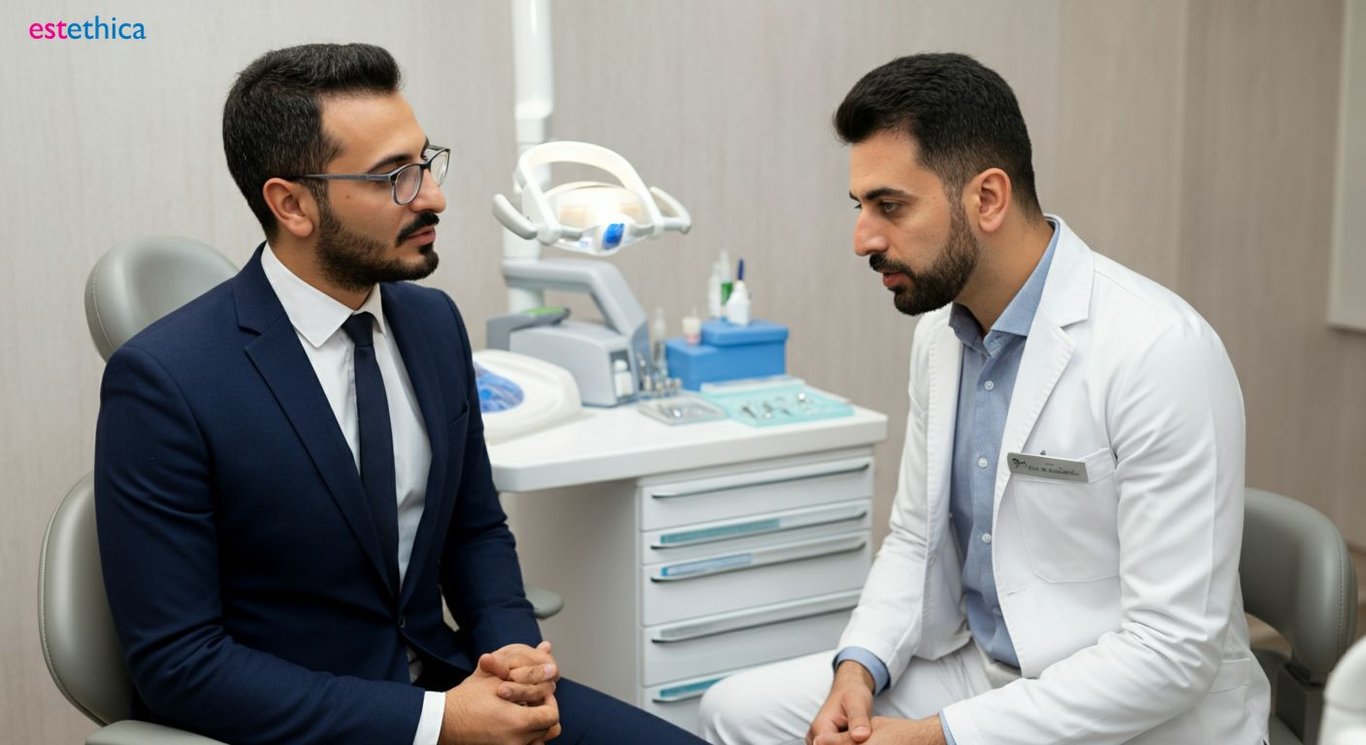
Each stage of the dental implant process is crucial for ensuring the implant's success and longevity. The initial consultation helps determine if the patient is a suitable candidate, while the surgical phase involves precise placement of the implant. Recovery is vital for the implant to integrate with the bone, providing a stable base for the replacement tooth. For more insights into the latest advancements in dental implants, you can discover the future of dental implants today.
Exploring Tooth Replacement Options
Comparing Tooth Replacement Methods
When considering tooth replacement options, it's essential to weigh the benefits and drawbacks of each method. Dental implants are renowned for their durability and natural appearance, making them a popular choice. Unlike bridges, which rely on adjacent teeth for support, implants are independent and do not affect surrounding teeth. Dentures, while more affordable, often lack the stability and comfort that implants provide.
- Dental implants integrate with the jawbone, preventing bone loss.
- Bridges require alteration of healthy teeth for support.
- Dentures may cause discomfort and require frequent adjustments.
Each option has its unique advantages, but dental implants stand out for their ability to preserve oral health by maintaining the jawbone's integrity. This feature is crucial for preventing the shifting of teeth and maintaining facial structure.
Understanding the Cost Factors of Dental Implants
- Initial consultation and assessment of oral health.
- Surgical procedure and materials used for implants.
- Post-surgery care and follow-up appointments.
The cost of dental implants can vary based on several factors, including the complexity of the procedure and the materials used. It's important to consult with a dental professional to understand the specific requirements and potential costs involved. While implants may have a higher upfront cost compared to other options, their longevity and benefits often make them a worthwhile investment for those seeking a permanent solution for missing teeth.

Are Dental Implants Safe and Effective?
Ensuring the Safety of Dental Implants
Dental implants are considered a safe option for tooth replacement when performed by qualified professionals. The procedure involves precise placement of titanium posts into the jawbone, which requires expertise to avoid complications. Regular follow-ups and proper oral hygiene are essential to prevent infections and ensure the implant's longevity. For example, a patient who maintains good oral hygiene and attends regular dental check-ups is less likely to experience implant failure.
Factors Influencing the Success of Dental Implants
- Quality of the bone where the implant is placed.
- Patient's overall health and lifestyle habits.
- Experience and skill of the dental surgeon.
Success rates for dental implants exceed 95% when these factors are favorable. For instance, a patient with healthy bone density and a non-smoking lifestyle is more likely to experience successful osseointegration, where the implant fuses with the bone.
- Initial assessment of oral health and bone quality.
- Meticulous surgical placement of the implant.
- Consistent post-operative care and monitoring.
These steps are crucial in ensuring the long-term success of dental implants. Patients who adhere to post-operative care instructions and maintain regular dental visits often enjoy the benefits of their implants for many years. This highlights the importance of choosing the best dental implants near you, ensuring both safety and effectiveness.
Latest Innovations in Dental Implant Technology
Advancements in Dental Implant Materials
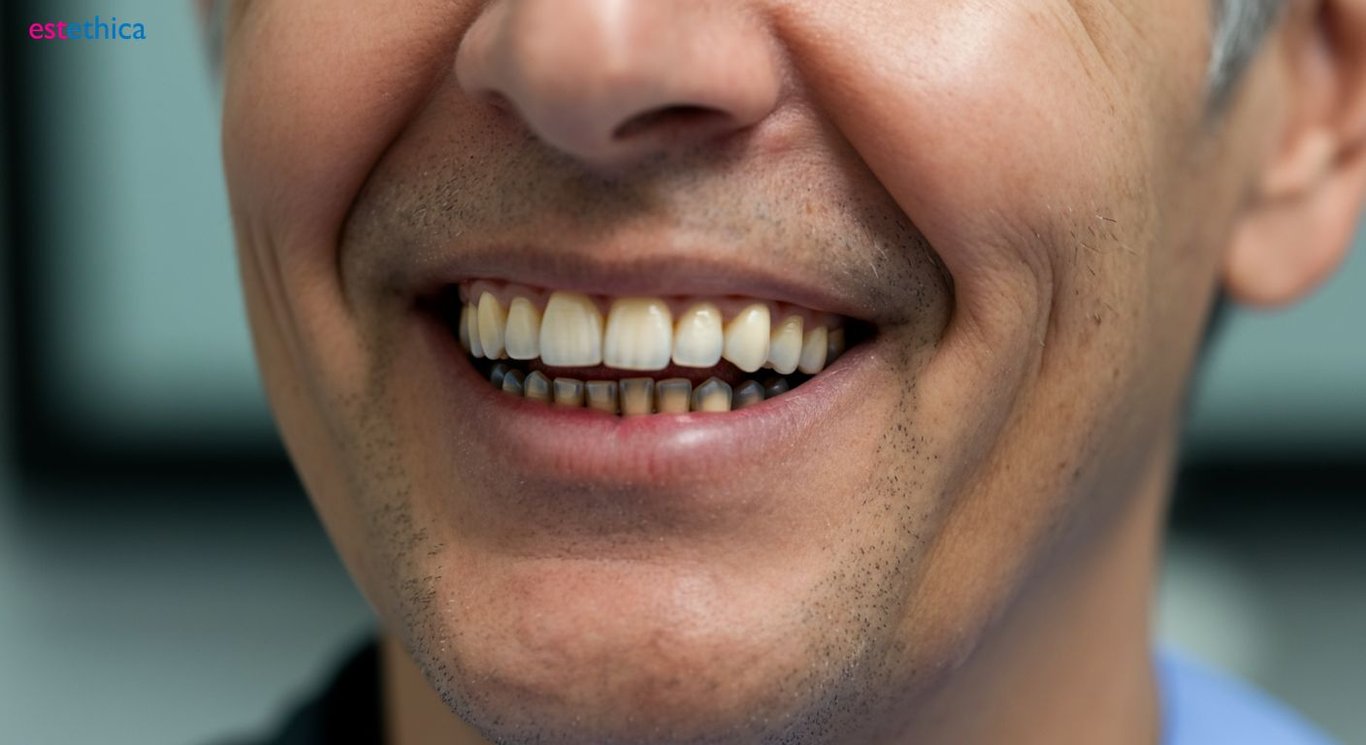
Recent advancements in dental implant technology have focused on enhancing the materials used. Modern implants are crafted from high-grade titanium alloys and zirconia, which offer superior strength and biocompatibility. These materials not only improve the durability of the implants but also reduce the risk of allergic reactions, making them a safer choice for patients. For instance, zirconia implants are particularly beneficial for those with metal sensitivities, providing a metal-free alternative that integrates seamlessly with the jawbone.
- High-grade titanium alloys enhance implant strength and longevity.
- Zirconia offers a metal-free option for patients with sensitivities.
- Improved biocompatibility reduces the risk of allergic reactions.
These innovations in materials are crucial for ensuring the long-term success of dental implants, providing patients with reliable and safe tooth replacement options.
Precision Techniques in Dental Implant Procedures
- Utilization of 3D imaging for accurate assessment and planning.
- Computer-aided design (CAD) for precise implant placement.
- Integration of robotic assistance for enhanced surgical accuracy.
Technological advancements have revolutionized the precision of dental implant procedures. The use of 3D imaging allows for detailed visualization of the patient's oral structure, facilitating accurate planning. Computer-aided design (CAD) ensures precise placement of the implants, minimizing the risk of complications. Additionally, robotic assistance in surgery enhances accuracy, leading to improved outcomes and faster recovery times. These innovations are pivotal in providing patients with the best dental implants near them, ensuring optimal results and satisfaction.
Revolutionary Dental Implant Techniques with Advanced Materials
Comprehensive Implant Process Ensuring Long-Term Success
Frequently Asked Questions
How do dental implants work?
What are the stages of the dental implant procedure?
Are dental implants safe and effective?
What are the latest innovations in dental implant technology?
How do dental implants compare to other tooth replacement options?
Discover the Art of Healthy Beauty with estethica! Call now for your free consultation and take the first step towards a more confident you.
📞 Call Us Today for Expert Advice