


Greetings go beyond words -- they are the doorway to connection. Discover how to master the art of greetings for meaningful interactions.
Greetings are a fundamental part of human interaction, serving as the opening lines to any social dialogue. But saying 'hello' is more than just a formality; it is the gateway to deeper connections. In this article, we will delve into the rich history of greetings, explore diverse cultural practices, and uncover the nuances between formal and informal salutations. Whether you're saying hi to a friend or meeting someone for the first time, mastering the art of greeting can make all the difference.
The Evolution of 'Hello': From Ancient Roots to Modern Usage
The Historical Journey of "Hello"
The pervasive greeting "hello" has roots stretching back to the 19th century. It emerged in the English language as a way to hail or attract attention, finding its initial claim to fame with the invention of the telephone. Alexander Graham Bell is often credited with popularizing its use in phone conversations, seeking an efficient call-answering protocol. The term quickly spread beyond its original context, securing its place as a universal conversational starter. Today, "hello" transcends linguistic borders, adapted in countless languages and contexts, symbolizing simplicity and openness.
Variations of Greetings Worldwide
While "hello" serves as a friendly opener in English-speaking countries, diverse cultures exhibit their warmth through unique greetings. The Italian "ciao" carries a casual, convivial spirit, while the Japanese bow reflects formality and respect. Aesthetic nuances embedded in these greetings reveal deep cultural values. For example, instead of a simple "hello," Maori people in New Zealand greet each other with "Kia Ora," which means "have life" or "be well." This greeting shows an aesthetic depth and care for the other person, going beyond a basic salutation. Similarly, consider exploring aesthetics of Essex or focusing on aesthetics for nurses, where specific greetings can enhance engagement and understanding within those communities.
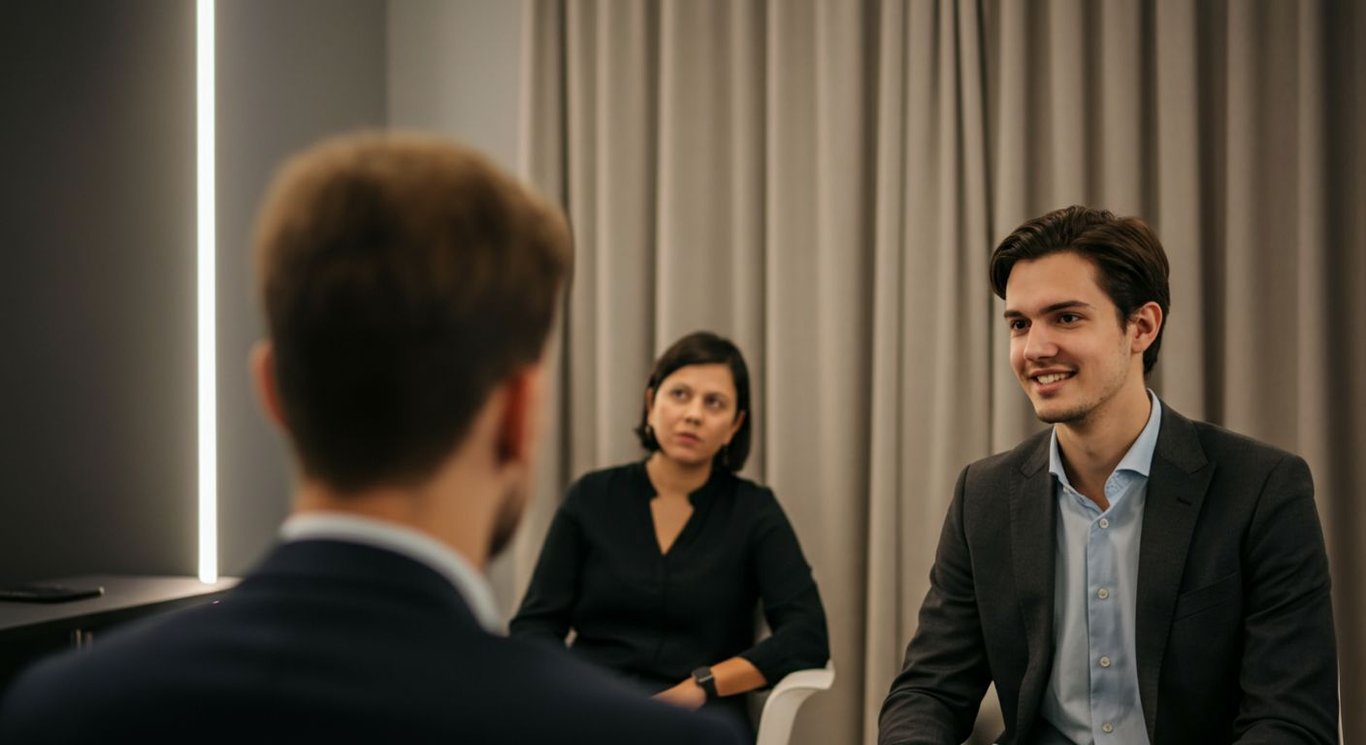
Greeting Styles Around the World: A Cultural 'Hello' Tour
The Art of Salutations Across Cultures
Greetings vary significantly around the globe, each carrying unique cultural significances. For instance, in France, one might expect a 'bonjour' along with a double cheek kiss, while in India, a traditional 'Namaste' comes with folded hands and a slight bow. These customs not only reflect cultural etiquette but also embody the emotions and traditions of the people. While phrases like 'hi' and 'hey' serve as informal greetings in English, understanding the cultural weight behind various salutations enhances communication and relationships.
Social contexts and relationships dictate the type of greeting used. In business scenarios, a firm handshake may suffice, while close friends might resort to a more relaxed or intimate form of address. The aesthetics of Essex, for example, might lean towards a more informal greeting among its residents than a formal event in London, showing how local culture influences greetings. Considering how to greet someone formally can significantly impact professional interactions.
Cultural Nuances in Greetings
Exploring the cultural nuances in greetings reveals much about a society's values and customs. In some cultures, greetings are elaborate and involve specific rituals or phrases that have deep historical roots. The simple act of saying "hello" transcends mere verbal exchange; it encompasses respect, tradition, and interpersonal connection. In Japan, a bow is essential, but the depth and duration vary based on social standing and occasion.
- Formality: Formal greetings often involve gestures or phrases that denote respect for elders or superiors.
- Intimacy: Informal greetings are typically more relaxed and can include physical contact like hugs or handshakes.
- Context: The setting (business meeting, casual gathering) dictates the appropriate greeting style.
Learning different ways to say hello in English and other languages enhances cross-cultural communication and demonstrates respect for others' heritage.
- Research the cultural norms of the region to tailor your greeting.
- Observe local customs and adapt your approach accordingly.
- Practice polite and respectful communication at all times.

Formal vs. Informal Salutations: When to Say 'Hi' vs. 'Good Day'
Navigating the Formality of Greetings
Choosing the right greeting, whether formal or informal, depends heavily on the context. Formal salutations like "good day" convey respect and are appropriate in professional environments or when addressing elders. Conversely, informal greetings such as "hi" or "hey" are more suitable for casual settings among friends or acquaintances. Consider the power dynamics and social cues to ensure your greeting resonates well.
- Professional Settings: Opt for "hello" or "good morning/afternoon/evening" to maintain decorum.
- Casual Encounters: "Hi" or "hey" works well among friends.
- Elderly Individuals: Show respect by using formal greetings like "good day" or addressing them.
About 65% of individuals believe that using the correct form of greeting significantly impacts the first impression. This highlights the importance of understanding when to use "hi" versus "good day," showing awareness of social aesthetics.
Adding Personal Touch to Your Greetings
While understanding formal and informal salutations is critical, adding a personal touch can enhance the warmth and sincerity of your communication. Instead of a generic "hello," consider a location-specific greeting like "Hello Paris" when in Paris. Likewise, during specific holidays you can add "Festive greetings". These slight customisations show you are present and thoughtful. In virtual interactions, a "Virtual hello" can acknowledge the unique setting, making your online presence more engaging and friendly.
- Observe the recipient's communication style to adapt your approach.
- Use their name to make the greeting more personal and welcoming.
- Incorporate a gentle smile or friendly non-verbal cue when possible to convey warmth.

Crafting Memorable Greetings: Making a Lasting First Impression
The Psychology Behind a Great "Hello"
A well-delivered greeting isn't just about etiquette; it's rooted in psychology. When approached with warmth and sincerity, people naturally reciprocate positively, creating a foundation for trust and rapport. A genuine greeting involves paying attention to non-verbal cues, like maintaining eye contact and mirroring body language. This shows respect and indicates that you are actively engaged in the interaction, enhancing the initial impression. To master the art of salutations, understand the emotional impact of your greeting and adjust it to fit the context.
- Adjusting the hello tone depending on whether it is a Summer hello or Autumn greetings.
- Showing genuine interest in the other person.
- Adapting your approach to match aesthetics wallpapers depending on the person.
Making Your "Hello" Stand Out
In a world saturated with interactions, personalizing your greetings can make you more memorable. For instance, if you are in Greetings London, incorporating a British slang term can add charm. Addressing someone by name always makes a greeting more personal and shows you value them as an individual. In professional environments, acknowledging a recent achievement or contribution can break the ice and establish a positive tone. A creative greeting sets you apart and creates lasting positive impression.
- Initiate with a personalized touch.
- Use open and inviting body language.
- Show appreciation for the other person.
Mastering Global Greetings: From Ancient Origins to Cultural Nuances
Creating Lasting Connections: Psychological Factors in Effective Greetings for Improved Rapport
Frequently Asked Questions
What is the meaning of 'hello' and how has it evolved?
When should I use formal salutations like "good day" instead of informal greetings like "hi" or "hey"?
How can I craft memorable greetings that make a lasting first impression?
Ready to discover your healthiest, most beautiful self with estethica's expert guidance?
📞 Get Your Personalized Consultation Now!