


Discover the significance and psychology of greetings in shaping first impressions globally and digitally.
In a world where first impressions are crucial, mastering the art of greeting is essential. From the casual "Hello" on the street to the formal "Salutations" in emails, greetings are more than just words; they are powerful tools that can open doors, build relationships, and set the tone for communication. Greetings adapt with culture, context, and mode of interaction, reflecting the dynamic interplay between individuals. This blog will explore the significance and evolution of greetings, their psychological impact, and how to navigate modern and virtual salutations effectively. By understanding these nuances, we can improve our communication skills in both personal and professional settings.
Beyond 'Hello': Understanding the Nuances of Greetings
Cultural Significance and Global Salutation Styles
Greetings serve as the initial bridge in human interaction, reflecting not only politeness but also deep-rooted cultural values. The act of saying "Hello" extends beyond mere words; it's a social ritual shaped by tradition, history, and societal norms. For instance, the Maori Hongi involves pressing noses as a sign of unity, symbolizing the sharing of life's breath. This emphasizes respect and kinship. Understanding these diverse cultural greetings greatly enhances cross-cultural communication.
Navigating global contexts requires sensitivity to unique greeting styles. The Japanese bow, varying in depth and duration, signals social status and respect. In contrast, a cheek kiss, common in many European and Latin American countries, can vary from one to four times, depending on local customs of Prime aesthetics. A firm handshake in Western cultures projects confidence, while direct eye contact conveys sincerity and engagement. It's important to note that misinterpreting these nuances can lead to unintended offense. By learning and respecting these differences, individuals and businesses can foster stronger international relationships.
Importance of Non-Verbal Cues in Greetings
Greetings are not solely about verbal exchanges; non-verbal cues significantly influence their effectiveness and interpretation. Eye contact, for example, plays a crucial role. Too little can be perceived as shifty or disinterested, while too much might be seen as aggressive. Tone of voice also carries significant weight. A warm, welcoming tone can immediately put someone at ease, while a flat or monotone delivery can convey indifference. Similarly, posture communicates a great deal - standing tall and open conveys confidence and approachability.
- Body Language: Subtle gestures provide additional information.
- Facial Expressions: A genuine smile greatly improves greeting outcomes.
- Proximity: Comfortable distances vary across cultures, with some societies preferring closer interactions than others.
Combining these verbal and non-verbal aspects effectively creates a positive first impression, influencing long-term relationships and contributing to personal and professional success. This holistic approach enriches interactions, fostering deeper connections in our interconnected world.
Global Greetings: How to Say 'Hello' Around the World
Exploring the Aesthetics Wallpapers of International Salutation Styles
One of the most fascinating aspects of greetings is their variation across different cultures and languages. Learning to say "Hello" in multiple languages is not only a fun exercise but also a display of cultural appreciation and respect. In France, a simple "Bonjour" opens doors to warm interactions, whereas in India, "Namaste" incorporates a graceful gesture of bringing hands together, embodying spiritual and cultural identity. In Japan, "Konnichiwa" is accompanied by a bow, showcasing respect in social settings. Appreciating these diverse greetings offers insights into the unique jessica rose aesthetics found in each culture.
This section explores various greetings across continents, encouraging deeper cultural understanding and enhancing global communication. By familiarizing oneself with international salutations, individuals can break barriers, promote inclusiveness, and enrich their interpersonal engagements. For example, in Thailand, the "Wai" involves a slight bow with hands pressed together, symbolizing humility and respect towards elders. Similarly, in New Zealand, the "Kia Ora" is a warm and friendly greeting conveying goodwill. Such gestures of prime aesthetics highlight the significance of local customs.
The Practicality of Virtual Greetings
In an increasingly digital world, virtual greetings have become essential for maintaining connections across distances. These greetings include emails, video calls, and social media messages. Adapting traditional greetings for digital platforms, such as using emojis or GIFs to convey emotions, helps personalize interactions. During the pandemic, contactless greetings like virtual waves or nods replaced handshakes to ensure safety. These adaptations signify a shift towards modern greetings suitable for a digital age.
- Email Greetings: Begin with a personalized salutation and message.
- Video Call Gestures: Use visual cues like waves and smiles during online meetings.
- Social Media Messages: Share uplifting messages to foster positivity and connection.
Mastering virtual greetings is crucial for estethica in maintaining relationships and ensuring that messages appropriately reflect both Prime aesthetics and their cultural background, enhancing global communication. This adaptation ensures that the essence of human connection is preserved even in digital interactions, where aesthetics near.me become secondary.

The Psychology of 'Welcome': Why First Impressions Matter
The Neurological Impact of a Heartfelt Hello
The initial moments of an interaction wield significant influence, shaping the trajectory of relationships. These early impressions activate specific neurological pathways, impacting emotional responses and cognitive assessments. Welcoming greetings trigger the release of oxytocin, often referred to as the "love hormone," fostering trust and social bonding. A study revealed that individuals receiving a warm welcome exhibit increased activity in the brain's reward centers. This makes them feel valued and appreciated. This suggests that a simple greeting can profoundly affect our neurochemistry, setting the stage for positive interactions. The power of first impressions is thus deeply rooted in our biology, influencing our perceptions and behaviors.
Conversely, a cold or indifferent greeting can trigger a stress response, activating the amygdala, the brain's fear center. This can lead to heightened anxiety and decreased willingness to engage. For example, a rushed "hello" during a job interview might create a sense of unease. Meanwhile a dismissive nod from a colleague could foster feelings of alienation. However, a genuine smile and a warm handshake can signal safety and trustworthiness. Understanding the neurological basis of greetings underscores their importance. Prioritizing this enhances our interpersonal competence and ability to foster meaningful relationships.
Techniques for Mastering Authentic Acknowledgement
Creating a genuine welcome involves several key techniques. Mastering these techniques ensures that greetings are both impactful and sincere. The first vital aspect is active listening. For example, actively listening to the other person helps foster a more engaging conversation. It will also make them feel valued.
- Eye Contact: Sustaining appropriate eye contact conveys sincerity and attention.
- Mirroring: Subtly mimicking the other person’s body language builds rapport.
- Personalization: Remembering and using the person's name adds a personal touch and conveys respect.
By integrating these techniques, individuals can transcend mere formality. You will create a more inviting atmosphere wherever they go. You also can create unique aesthetics wallpapers that leave others feeling genuinely welcomed. In both professional and personal settings, mastering the art of authentic greetings fosters stronger, more meaningful bonds, supporting positive aesthetics near.me and improved interpersonal experiences.

Modern Salutations: Navigating Virtual and Contactless Greetings
Evolution of Digital Salutations in Modern Communication
Technology has significantly reshaped our greeting methods. The rise of virtual communication sees emails, texts, and social media replacing traditional formalities. Clarity and brevity are key in these digital interactions. Virtual greetings are evolving, with emojis and informal words like "Hey" or "Cheers" becoming common. These trends reflect the changing landscape of communication.
Interestingly, 60% of digital communicators report using emojis in their daily interactions for emotional expressions. Understanding this etiquette is crucial. People must adapt to these contexts while upholding politeness. Clear guidelines are necessary for effective virtual interactions. This evolution necessitates a balance between personal touch and technological efficiency, especially when considering aesthetics near.me for visual digital communication.
Adapting to Contactless Greetings and Interactions
The post-pandemic era has seen a rise in contactless greetings. Waves and elbow bumps have replaced handshakes and hugs. To navigate this shift effectively, here's how:
- Maintain Eye Contact: Ensure eye contact with a smile to convey warmth and openness.
- Elbow Bumps: Coordinate the bump gently and respectfully.
- Verbal Confirmation: Pair contactless gestures with a friendly "Hello" or "Nice to see you!"
These adaptations ensure politeness and respect in any interaction. Consider a scenario where a business professional switches from handshakes to a courteous nod during a virtual meeting. Maintaining these adaptations is crucial, especially when considering how each culture has jessica rose aesthetics. These adjustments also highlight a need for clear, concise, and empathetic greetings in a changed social landscape.
- Video Conferencing: Backgrounds should be professional and free of distractions.
- Social Media Etiquette: Thoughtful responses for a positive online experience.
- Email Communications: Clear subject lines and concise messages for clarity.
Navigating digital salutations requires understanding aesthetics wallpapers. These considerations support effective communication in a rapidly changing world. For estethica, this includes demonstrating both modern awareness and traditional respect. These considerations support effective communication in a rapidly changing world, enhancing the quality of digital prime aesthetics.
Mastering First Impressions: The Neurological Impact of Authentic Greetings
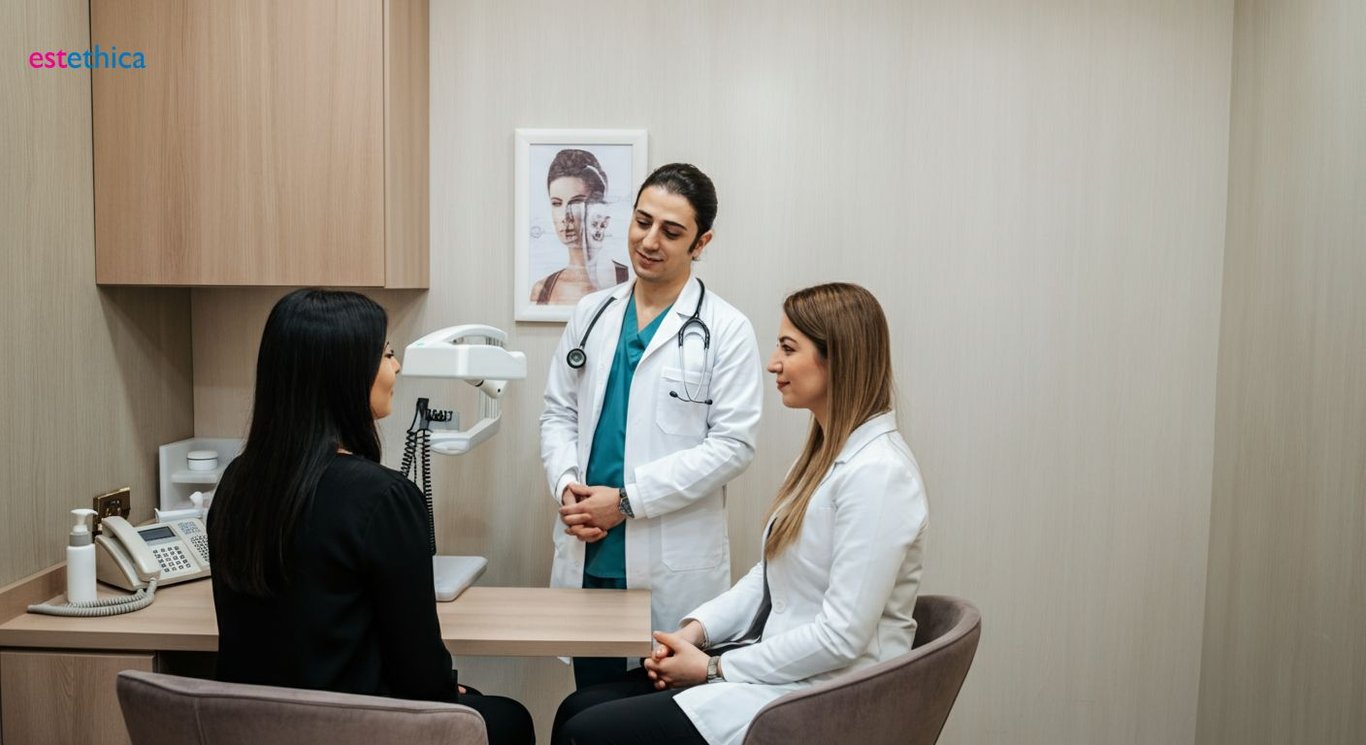
Ensuring Positive Patient Experiences: Combining Authentic Acknowledgement with Prime Aesthetics
Frequently Asked Questions
Why are proper Greetings important in making a good first impression?
How can understanding Global Salutation Styles benefit cross-cultural communication?
What is the etiquette for Modern Virtual Greetings in digital communication?
How have contactless Greetings changed the way we interact, and how can we adapt?
Achieve your aesthetic aspirations with personalized solutions from estethica's expert surgeons.
📞 Discuss Your Options Now!