


Reclaim your hair and confidence with our expert guide on modern hair transplant secrets. Explore cutting-edge techniques designed for lasting natural results.
Discover the art of hair transplantation where science meets beauty. This comprehensive guide navigates through the intriguing world of hair surgery, helping you unveil the secrets of restoring your crowning glory. Whether you're combating hereditary hair loss or addressing a receding hairline, modern techniques offer promising permanent solutions. Join us as we explore the cutting-edge methods and expectations surrounding hair transplants.
Decoding Hair Loss: Is a Hair Transplant Right for You?
Understanding the Root Causes of Hair Loss
Hair loss is a widespread problem, affecting countless individuals across the globe. It stems from a mix of genetic predispositions, lifestyle habits, and environmental influences. Individuals experiencing hair loss often seek solutions to restore their hair and confidence in their appearance. Consulting with experts at clinics like estethica can offer personalized advice on the best course of action.
The primary step in addressing hair loss is identifying its specific type and extent. Only then can one make an informed decision about whether a hair transplant is appropriate. A consultation at estethica can reveal whether your hair density and scalp health are suitable for a hair transplant procedure.
Hair transplants yield the best outcomes for those with pattern baldness, which is typified by a hairline that's gradually receding or thinning at the crown. As highlighted by an essential part of the process involves evaluating the quality of the donor hair and the overall health of the scalp; this helps ensure the most effective treatment strategy is selected. One must also consider painless unshaven hair transplant options for convenience and aesthetics at https://estethica.com.tr.
- Genetic Factors: Inherited genes play a significant role in determining susceptibility to hair loss, particularly androgenetic alopecia.
- Lifestyle Choices: Factors like diet, stress levels, and smoking habits can exacerbate hair loss.
- Environmental Influences: Exposure to pollutants and harsh weather conditions can impact scalp health and hair growth.
Key Considerations for a Hair Transplant
Before proceeding with a hair transplant, it's important to clarify your expectations to ensure satisfaction with the results. It is equally important to evaluate whether you are an ideal candidate; typically, viable candidates have stable hair loss and adequate donor hair. Elon Musk's hair transformation has sparked interest in baldness cure options, with procedures like FUE hair transplant receiving attention for their effectiveness in restoring a youthful hairline.
Modern hair transplant techniques, particularly Follicular Unit Extraction (FUE) and Follicular Unit Transplantation (FUT), have made hair restoration more accessible than ever. Hair grafting is also a popular option, especially for those with a specific type of hair loss. These methods involve transplanting hair follicles from denser areas of the scalp to thinning or bald spots.
- Initial Assessment: A thorough examination of the scalp to determine the cause and pattern of hair loss.
- Donor Hair Evaluation: Assessing the density and quality of hair in the donor area, typically the back of the head, to ensure sufficient grafts are available.
- Transplant Technique Selection: Choosing between FUE, FUT, or other methods based on individual needs and the surgeon's recommendation for optimal results.

FUE vs. FUT: Navigating Hair Transplant Techniques
Comparing FUE and FUT Methods
Follicular Unit Extraction (FUE) and Follicular Unit Transplantation (FUT) stand out as the primary methods in hair transplantation. FUE involves extracting individual hair follicles from the scalp, which is favored for its minimally invasive nature that results in tiny, almost imperceptible scars. This technique is especially appealing for individuals seeking a hair loss treatment with a shorter recovery time. Matthew McConaughey's natural-looking hairline is frequently cited as an example of what can be achieved with modern hair restoration techniques.
FUT, conversely, involves the removal of a strip of scalp from which hair follicles are then extracted. While it allows for a greater number of follicles to be harvested, it leaves a linear scar. The choice between FUE and FUT often depends on a patient’s specific hair loss pattern, the desired density, and tolerance for scarring. It’s vital to consult with a specialist to determine which method aligns best with one's expectations.
- Scarring: FUE results in minimal, dot-like scars, whereas FUT leaves a linear scar.
- Recovery Time: FUE generally has a shorter recovery period compared to FUT.
- Follicle Yield: FUT typically allows for a higher yield of hair follicles in a single session.
Ideal Candidates for Each Technique
Determining the right candidate for each hair transplant technique involves considering several factors. FUE is often recommended for those who prefer to wear their hair short, as the tiny scars are less noticeable. It's also suitable for patients needing smaller areas covered or those who have had previous FUT procedures and require scar revision. Many seeking turkish hair implants opt for FUE due to its precision and reduced scarring.
On the other hand, FUT may be more appropriate for individuals requiring a larger number of grafts to cover extensive baldness or for those with thicker hair, which can provide better coverage. FUT is advantageous when maximum coverage is needed in a single session. Candidates need to evaluate their lifestyle and consider the potential impact of the linear scar.
- Consultation: A thorough assessment by a hair transplant specialist to evaluate scalp condition and hair loss pattern.
- Technique Selection: Choosing between FUE and FUT based on individual needs and preferences.
- Post-operative Care: Following specific guidelines to ensure proper healing and optimal hair growth.
Beyond the Procedure: Post-Hair Transplant Expectations
Navigating the Hair Growth Cycle After Your Transplant
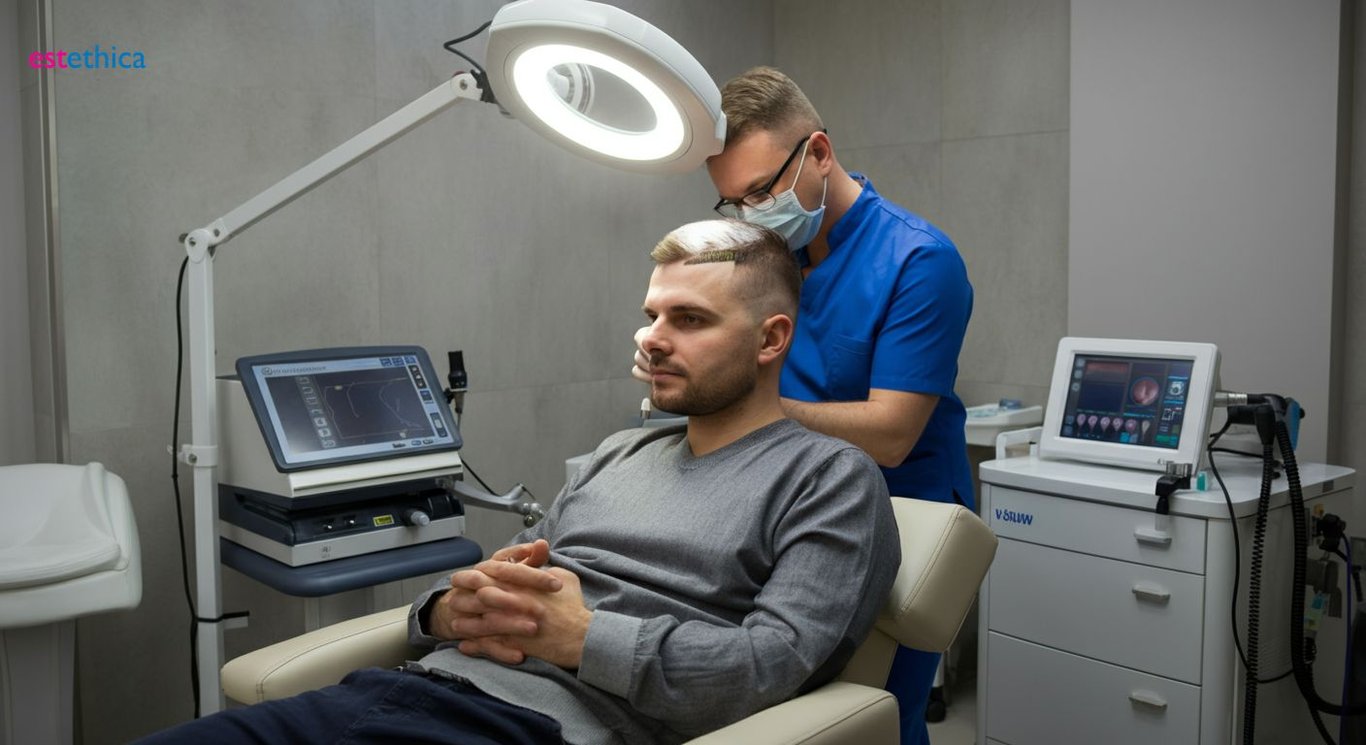
Post-surgery care is crucial after a hair transplant to ensure optimal results. Expect mild scabbing and discomfort, often manageable with over-the-counter solutions. The initial weeks require gentle hair washing techniques and avoidance of strenuous activities. Clinics like estethica provide detailed guidelines on how to care for your newly implanted hair, protecting your investment and promoting healthy growth.
One should have realistic expectations about the hair growth timeline. Immediate results are not typical; instead, new hair growth gradually appears over several months. The full aesthetic outcome usually becomes evident between 8 to 12 months post-procedure. Continuous care and patience are essential for successful long-term results.
For individuals considering turkish hair implants, understanding the recovery and hair growth process is particularly important. Proper aftercare, as advised by your transplant team, helps in achieving the desired density and appearance. Factors such as individual healing rates and adherence to post-operative guidelines influence this timeline.
- Gentle Washing: Use mild shampoo and lukewarm water to avoid dislodging grafts.
- Activity Restriction: Avoid heavy lifting and strenuous exercise for several weeks to minimize swelling and bleeding.
- Sun Protection: Protect the scalp from direct sunlight by wearing a hat or using sunscreen to prevent damage to new hair follicles.
Strategies for Ensuring a Successful Hair Transplant Recovery
To help ensure a successful recovery, consider several key factors. Firstly, adhere strictly to the post-operative care plan provided by your surgical team. Secondly, optimize your health through proper nutrition and hydration to promote healing and hair growth. Lastly, regularly monitor your scalp for any signs of infection and promptly address any issues with your clinic.
Proper nurturing of the transplanted area is critical for hair restoration success. Maintain regular communication with your transplant team at estethica, who can provide support and guidance throughout your recovery. Positive outcomes following hair transplants, such as those seen with celebrity hair transplant transformations, often underscore the importance of meticulous aftercare.
Individuals curious about achieving a more youthful appearance, similar to the transformations seen with figures like Elon Musk hair implant rumors, must remember that a hair transplant is a process. Clinics such as estethica offer thorough consultations to manage expectations and provide realistic timelines. This ensures patients are well-prepared for the journey to a fuller head of hair.
- Follow-Up Appointments: Attend all scheduled post-operative appointments to allow your surgeon to monitor your progress and address any concerns.
- Medication Adherence: Take prescribed medications, such as antibiotics or anti-inflammatory drugs, as directed to prevent infection and reduce swelling.
- Scalp Massage: Gently massage the scalp to improve blood circulation and stimulate hair growth, following the specific techniques recommended by your doctor.
Achieving Lasting Results: The Permanent Nature of Hair Transplants
Enhancing Longevity of Hair Transplants
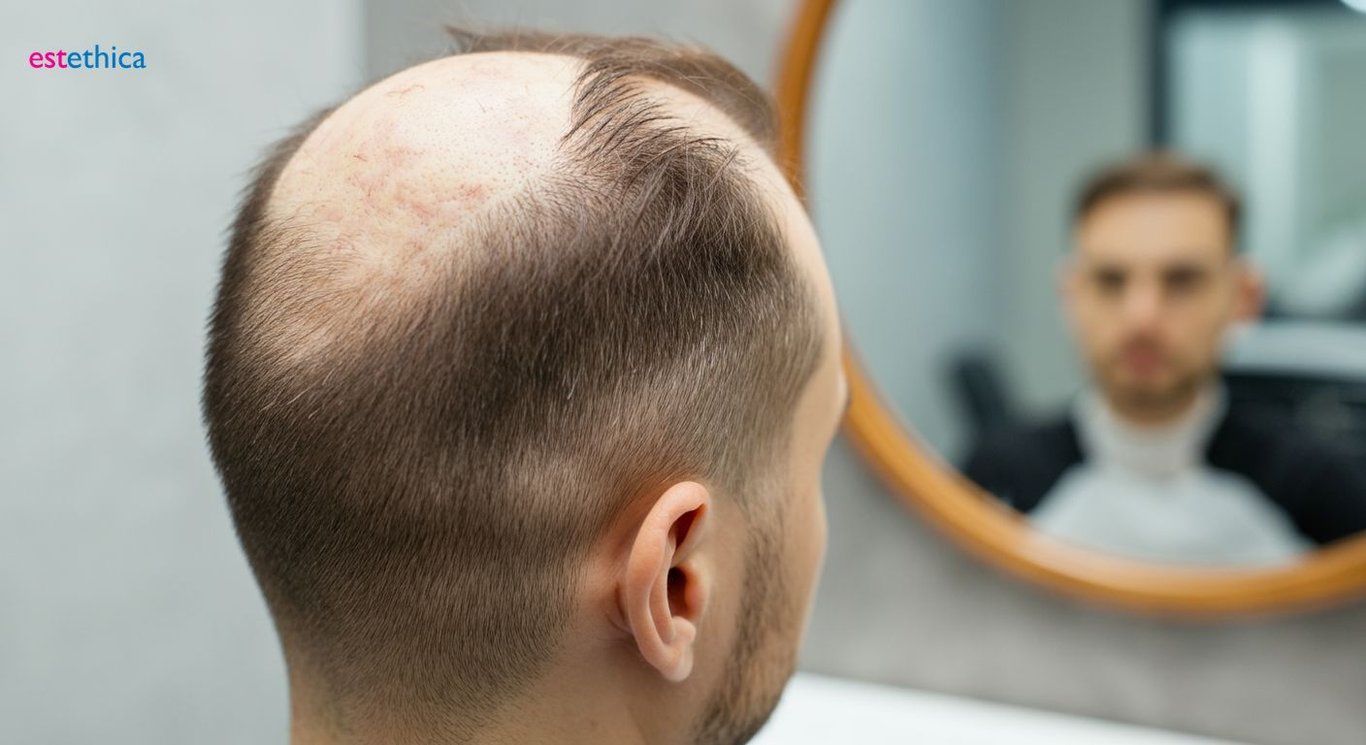
Hair transplants provide a lasting remedy for hair loss by relocating follicles resistant to DHT, the hormone responsible for pattern baldness. However, their long-term success depends greatly on proper aftercare and lifestyle adjustments. Choosing a skilled surgeon and using advanced techniques like FUE hair transplant and FUT hair transplant can significantly impact the durability of the results. Regular follow-up appointments with your surgeon are crucial to ensure the transplanted hair remains healthy and adapts well over time.
To preserve transplant quality, protect your scalp from excessive sun exposure, maintain a balanced diet rich in essential vitamins, and avoid harsh chemicals that could damage hair follicles. Using gentle hair products and avoiding tight hairstyles can minimize stress on transplanted hairs. These steps ensure the hair transplant continues to look natural and vibrant for many years. This is especially relevant for individuals who chose to get turkish hair implants.
- Scalp Protection: Shield the scalp from UV rays to prevent damage to hair follicles
- Nutrient-Rich Diet: Consume a balanced diet to provide essential vitamins and minerals for hair health
- Gentle Hair Care: Use mild hair products and avoid practices that could stress transplanted hairs
Adapting Lifestyle for Sustained Results
Lifestyle adaptations are crucial for maintaining the density and vitality achieved through a hair transplant. Managing stress, ensuring adequate sleep, and refraining from smoking can significantly enhance the overall health of transplanted hair. Stress reduction techniques, such as yoga or meditation, can help minimize hair shedding associated with high-stress levels.
Regular exercise improves circulation to the scalp, promoting healthier hair growth. However, it is important to avoid activities that put direct pressure on the scalp, especially in the initial months post-transplant. Monitoring your hair's condition and promptly addressing any concerns with your hair transplant clinic ensures the longevity of your hair restoration investment, just like Matthew McConaughey hair transformation. Hair grafting is often seen as an investment in one's future.
- Stress Management: Reduce stress through relaxation techniques to minimize hair shedding.
- Regular Exercise: Improve scalp circulation with exercise, avoiding direct pressure on the scalp.
- Consistent Monitoring: Check your hair and scalp regularly, addressing issues with your clinic promptly.
Advanced FUE and FUT Hair Transplant Techniques for Natural-Looking Results
estethica specializes in both Follicular Unit Extraction (FUE) and Follicular Unit Transplantation (FUT) hair transplant techniques, offering tailored solutions based on individual hair loss patterns and desired outcomes. FUE provides minimally invasive, dot-like scarring, while FUT allows harvesting a greater number of follicles in a single session for extensive coverage.
estethica’s hair transplant specialists conduct thorough scalp assessments to determine the most appropriate technique, considering factors like hair density, scalp health, and patient preferences. The clinic's expertise ensures optimal graft survival and natural-looking results, catering to both aesthetic preferences and medical necessity.
Patient-Centric Approach to Hair Transplant Excellence
estethica prioritizes patient education and transparency throughout the hair transplant journey, from initial consultation to post-operative care. Detailed, personalized care plans are provided, including gentle hair washing techniques, sun protection advice, and post-operative medication adherence to ensure optimal healing.
estethica emphasizes the importance of realistic expectations and continuous monitoring. Regular follow-up appointments and open communication channels are maintained. This comprehensive support, coupled with adherence to post-operative guidelines, contributes to consistently high success rates and patient satisfaction.
Frequently Asked Questions
What is a hair transplant and how does it address hair loss?
What are the main differences between FUE and FUT hair transplant techniques?
What can I expect during the recovery period after a hair transplant?
How can I ensure the longevity and success of my hair transplant?
Who is an ideal candidate for a FUE hair transplant procedure?
Ready to discover your healthy beauty with estethica's expert care?
📞 Call Now for a Free Consultation!