

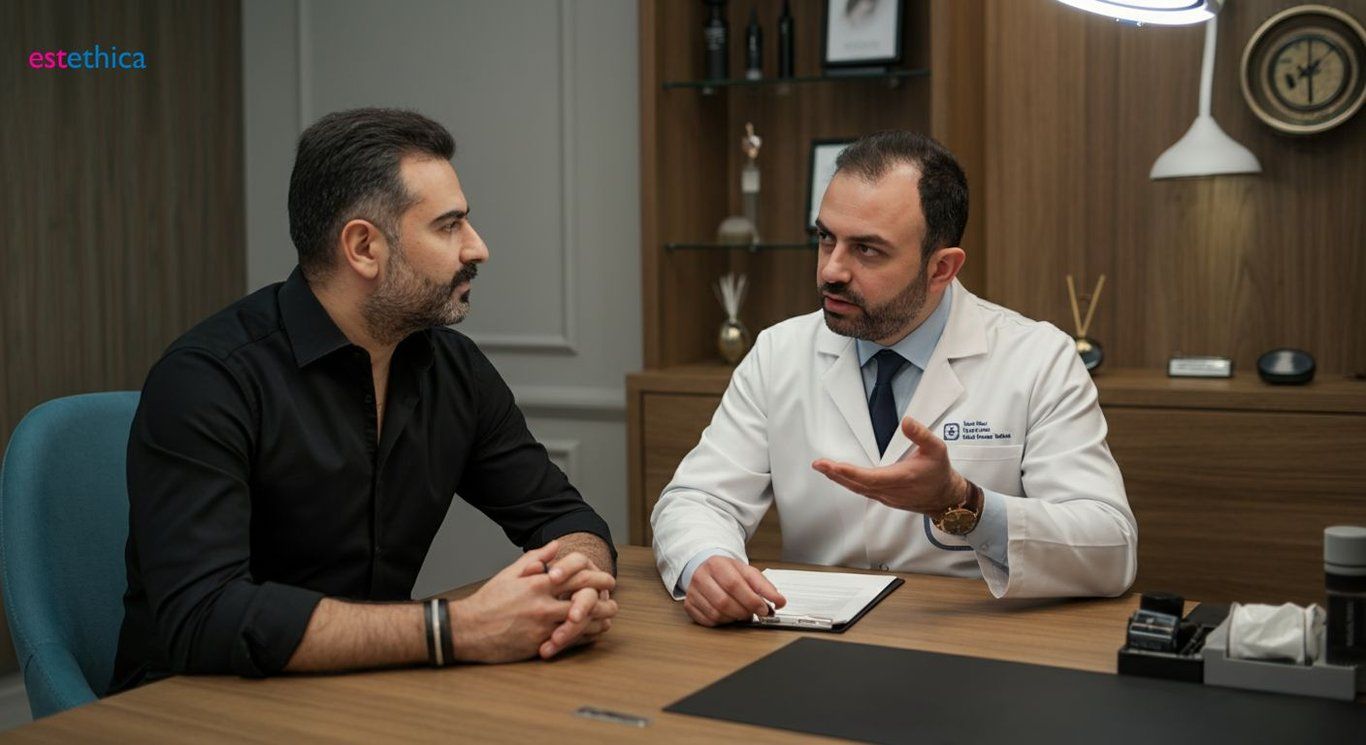
Discover modern solutions for hair restoration and regain your confidence today with insights into both surgical and non-surgical hair treatments.
In a world where personal appearance and confidence often intertwine, hair plays a pivotal role in how one feels about themselves. Hair loss can significantly impact self-esteem, leading individuals to seek solutions that restore both their hair and their confidence. The journey toward hair restoration is not just about aesthetics; it involves understanding complex scientific methods, exploring various treatment options, and setting realistic expectations about outcomes. This article delves into the causes of hair loss, modern restoration techniques, and explores both surgical and non-surgical solutions to offer hope and clarity for those looking to reclaim their crowning glory.
Understanding Hair Loss: What's Causing Your Thinning Hair?
Genetic and Lifestyle Factors in Hair Thinning
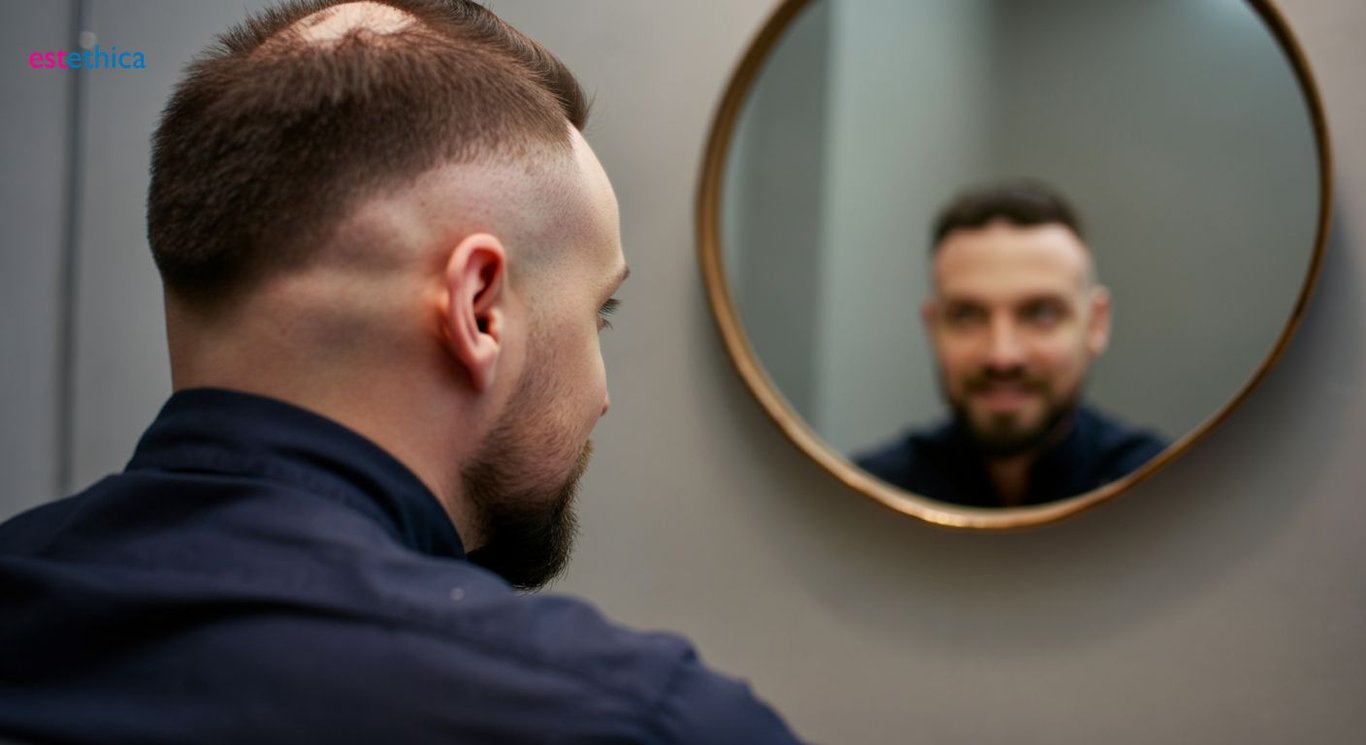
Hair loss, known as alopecia, is influenced by genetics, hormones, health, and stress. Androgenetic alopecia, or pattern baldness, is widespread, causing hair follicle shrinkage and reduced density. Studies reveal that over 50% of men experience noticeable hair loss by age 50, often due to these genetic predispositions. For individuals seeking to address this concern, exploring options like hair transplants becomes increasingly relevant.
Lifestyle and diet play crucial roles in hair health. Nutrient deficiencies, such as iron and vitamin D, can worsen hair loss. Stress, both physical and emotional, can cause a significant number of hair follicles to enter the shedding phase, resulting in noticeable thinning. This can lead many to consider non surgical hair loss solutions. Matthew McConaughey hair is also known to have recovered with good treatment. About 30% of women experience hair loss at some point, highlighting the need for proactive measures.
Exploring Solutions
- Topical Treatments: Minoxidil is a common over-the-counter treatment that can stimulate hair growth.
- Medications: Prescription drugs like finasteride can help slow hair loss in men.
- Lifestyle Changes: A balanced diet, stress management, and proper hair care can support hair health.
Understanding Hair Restoration Techniques
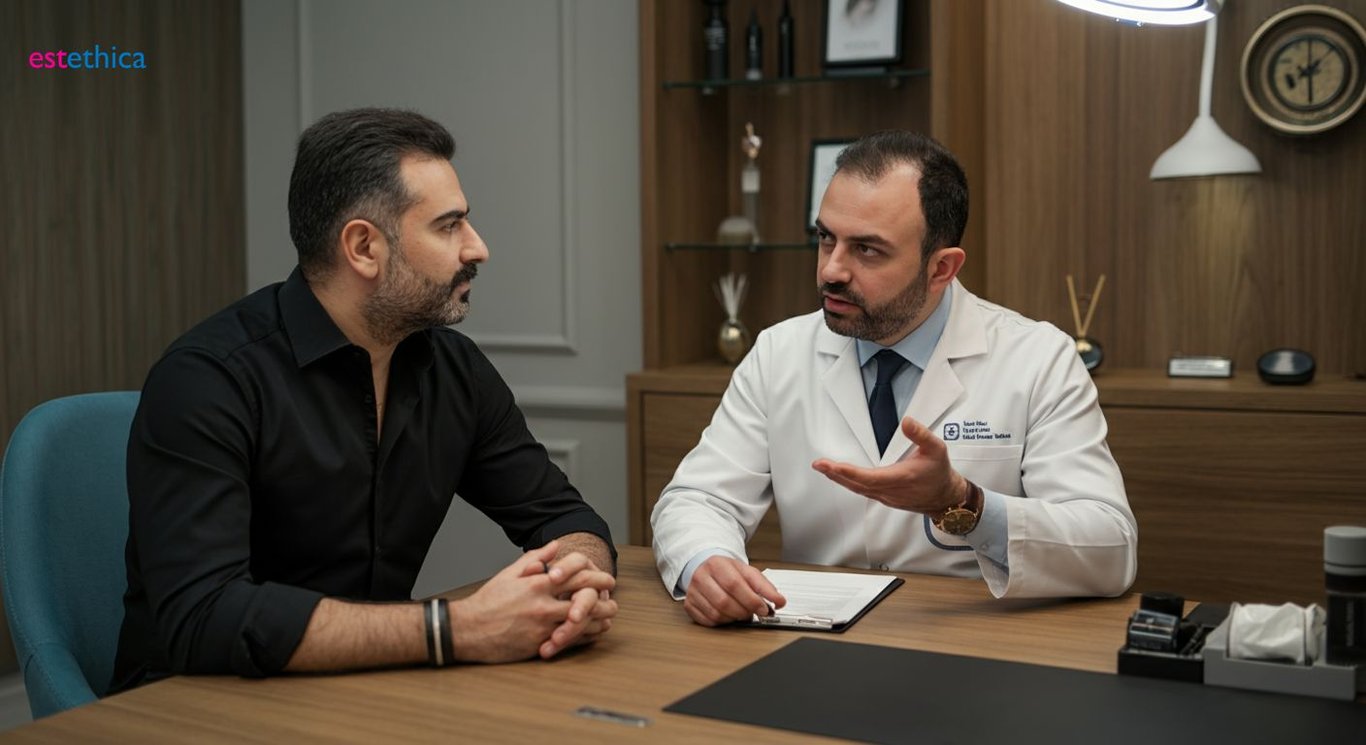
- Initial Consultation: Assessment of hair loss and determination of candidacy for a hair transplant.
- Follicular Unit Extraction (FUE): Extraction of individual hair follicles from the donor area.
- Implantation: Precise placement of grafts into the recipient area for natural-looking results.
Hair restoration, especially with techniques like Follicular Unit Extraction (FUE), involves extracting hair follicles and implanting them in thinning areas. The success of hair restoration often depends on individual factors and the clinic's expertise. Many individuals look to places like hair transplant Istanbul for affordable options, while others might seek a best hair transplant clinic near me for convenience. Even a quick search can lead to discovering if that hair loss treatment is the right solution for them and explore the possibility of procedures similar to what one might speculate regarding elon musk hair replacement.
The Science of Hair Restoration: Exploring Modern Techniques
Innovations in Follicular Extraction
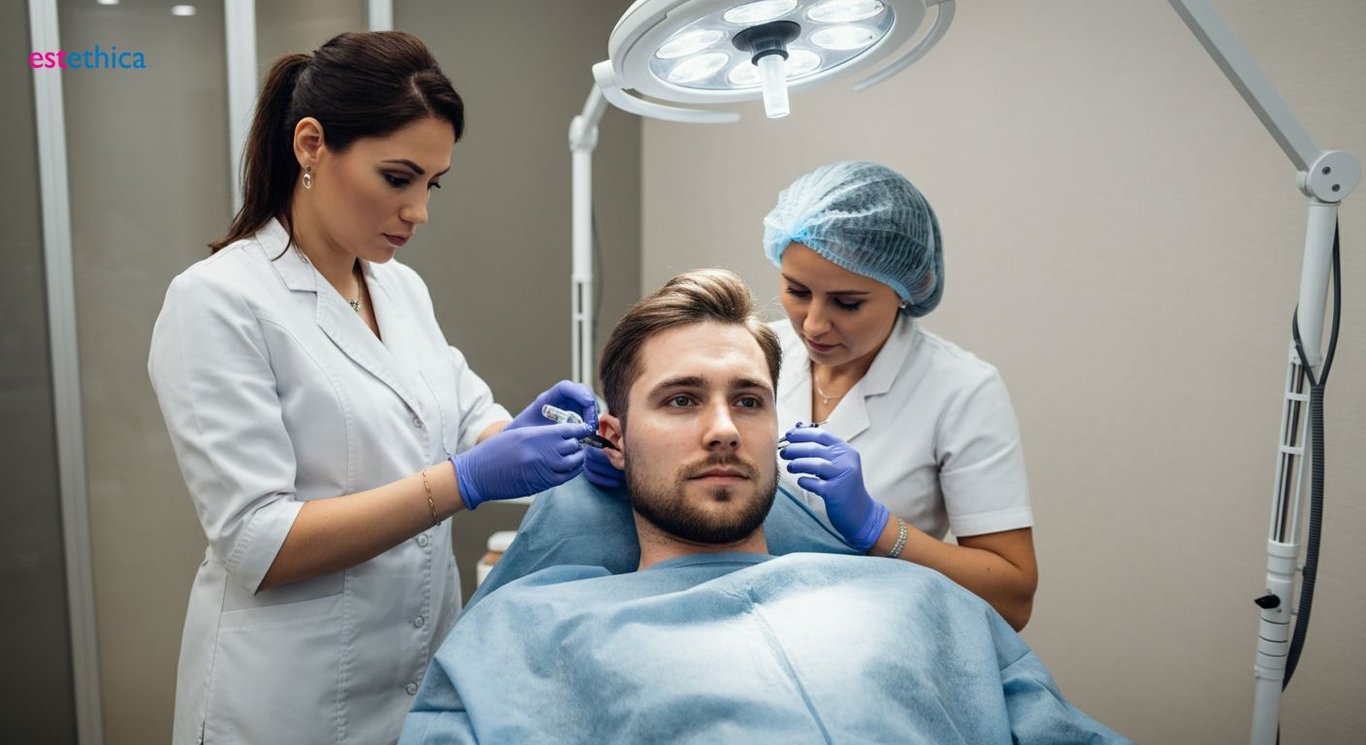
The field of hair restoration has seen significant advancements, especially in follicular extraction techniques. Follicular Unit Extraction (FUE) has become a popular method because of its minimally invasive nature and natural-looking results. FUE involves extracting individual hair follicles from the donor area, typically the back or sides of the head, and transplanting them to areas with thinning hair. This technique contrasts with older methods that removed a strip of scalp, resulting in a linear scar. As many seek advanced hair transplant options, the demand for less invasive procedures continues to grow.
Direct Hair Implantation (DHI) is another innovative technique that enhances the precision and efficiency of hair transplants. DHI uses a specialized pen-like tool to implant hair follicles directly into the scalp without the need for creating receptor sites. This method ensures a higher survival rate of the transplanted follicles and reduces the healing time. Individuals researching hair loss treatment often come across DHI as a cutting-edge solution. Those inspired by celebrity hair transplant transformations may also consider the benefits of DHI for achieving similar natural-looking results. To determine hair transplant , consulting with a specialist is essential.
Advancements in Hair Regrowth
- Robotic Hair Restoration: Enhances precision in extraction and implantation.
- Platelet-Rich Plasma (PRP) Therapy: Stimulates hair follicles and improves transplant results.
- Advanced Imaging Technology: Allows for detailed scalp analysis and customized treatment plans.
Understanding the Cost Factors
- Initial Consultation Discuss individual needs and goals with a hair transplant specialist.
- Extraction and Preparation Select the most suitable hair transplant method with your doctor.
- Post-operative Care Learn more about the recovery process and the result.
Is a Hair Transplant Permanent? Longevity and Expectations
The Lifespan of Transplanted Hair
Hair transplant procedures, notably FUE and DHI, aim for permanent outcomes. Transplanted hairs come from DHT-resistant scalp areas, ensuring longevity. While these hairs endure, surrounding natural hair may thin, potentially requiring additional interventions. Many individuals, influenced by examples like matthew mcconaughey hair transformation, seek lasting solutions to maintain a full head of hair.
Setting realistic expectations is vital. Transplanted hair grows gradually, with full results visible in 12 to 18 months. Consulting skilled professionals is crucial for aligning the procedure with long-term goals. Others explore alternatives such as turkish hair implants, impressed by anecdotal evidence and celebrity transformations. Additionally, advancements in non surgical hair loss solutions provide options for those not ready for a transplant.
Factors Influencing Long-Term Results
- DHT Resistance: Transplanted follicles withstand DHT's effects, promoting lasting growth.
- Surgical Technique: Precise FUE or DHI ensures minimal trauma and optimal follicle survival.
- Post-operative Care: Proper care enhances healing and secures the transplanted hair's vitality.
Maintaining Hair Density Over Time
- Regular Check-ups: Monitor native and transplanted hair health.
- Follow-up Treatments: Consider PRP therapy to stimulate existing hair and boost transplanted follicles.
- Lifestyle Adjustments: Maintain a balanced diet and manage stress to support hair health.
Beyond the Scalpel: Non-Surgical Hair Loss Solutions to Consider
Exploring Topical and Medical Treatments
Not every individual experiencing hair loss opts for surgical intervention. Non-surgical solutions provide alternatives that may suit those looking for less invasive methods. These include topical treatments such as minoxidil, a widely used medicated solution that can slow hair loss and promote regrowth. Topical treatments can play an elemental role for individuals who are experiencing hair thinning on early stages. Individuals who want to avoid invasive methods, may prefer topical treatments, such as medication. Also people want to reach matthew mcconaughey hair may prefer topical treatments, medical treatments.
Moreover, advanced medical treatments like low-level laser therapy (LLLT) and PRP therapy are gaining popularity. LLLT is non-invasive and uses laser light to stimulate hair follicles, while PRP involves using a concentration of one’s own platelets injected into the scalp to rejuvenate follicular health. LLLT and PRP treatments are good options for people who are looking for non surgical hair loss solutions. As the technology developing, new hair loss treatment options are improving. Furthermore, Turkish hair implants draw attention with its success.
Evaluating the potential benefits
- Minoxidil: A topical solution that enhances blood flow to hair follicles, promoting regrowth, and is easily accessible.
- Low-Level Laser Therapy (LLLT): Uses laser light to stimulate hair follicles, enhancing cellular activity.
- PRP Therapy: Involves injecting concentrated platelets into the scalp for follicular rejuvenation and hair thickness.
Lifestyle and diet adjustments
- Dietary Changes: Consuming vitamins and minerals like iron and zinc to give support to hair health.
- Stress Management: Implementing strategies such as meditation or yoga, to reduce stress and promote hair growth.
- Avoid Harmful Products: Choosing mild hair care products to minimize irritation and promote a healthy scalp.
Advanced FUE and DHI Techniques: Minimally Invasive Hair Restoration for Natural Results
estethica specializes in advanced hair restoration techniques, including Follicular Unit Extraction (FUE) and Direct Hair Implantation (DHI). These minimally invasive methods extract individual hair follicles and implant them with precision, ensuring natural-looking results and minimizing scarring.
estethica’s hair transplant surgeons possess extensive experience in performing FUE and DHI procedures. Our clinic uses the latest technologies to accurately assess hair loss and customize treatment plans for each patient, assuring optimal outcomes and patient satisfaction.
Comprehensive Care for Hair Restoration: From Consultation to Post-Operative Support
estethica provides comprehensive care throughout the hair restoration journey, from initial consultation to post-operative support. Our services include detailed scalp analysis, personalized treatment plans, and thorough post-operative care to ensure successful graft survival and optimal healing. Patient safety and comfort are prioritized at every stage.
Patients consistently praise estethica for its exceptional results, compassionate care, and dedicated follow-up. Many have expressed gratitude for the renewed confidence and improved quality of life after undergoing hair restoration at our clinic, attesting to our commitment to excellence and patient satisfaction.
Frequently Asked Questions
What are the primary causes of hair loss that might necessitate a hair transplant?
How do modern hair restoration techniques like FUE and DHI improve the outcomes of a hair transplant?
Is a hair transplant a permanent solution for hair loss, and what factors influence its longevity?
What non-surgical hair loss solutions are available for individuals not ready for a hair transplant?
Discover your path to healthy beauty with estethica's expert guidance and personalized solutions.
📞 Call Now for a Free Consultation!