

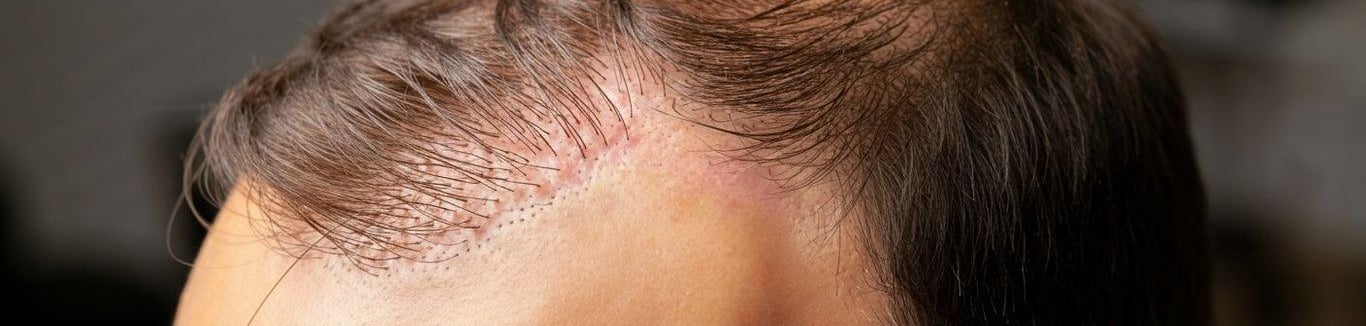
Discover top hair restoration practices and regain your confidence with our detailed guide on effective hair loss solutions.
Hair loss is a common concern affecting both men and women, prompting a significant interest in effective restoration solutions. Embracing advancements in modern medicine, various surgical and non-surgical methods have been developed to combat this issue. This comprehensive guide explores these methods, providing insights into the most effective treatments available today. From understanding the underlying causes of hair loss to selecting the appropriate surgical techniques and top practitioners, our article seeks to inform and assist you on your journey to rediscovering full, lush hair.
Understanding Hair Loss: Identifying the Root Causes
Genetic Factors in Hair Loss
Genetic predispositions significantly influence hair loss, particularly in conditions like androgenetic alopecia, commonly known as male or female pattern baldness. This condition affects millions globally and is characterized by a gradual thinning of hair. The genes inherited from both parents play a crucial role in determining an individual's susceptibility to this type of hair loss. Research indicates that specific genes control the sensitivity of hair follicles to dihydrotestosterone (DHT), a hormone that can shrink hair follicles, leading to thinner hair and eventual cessation of growth. Understanding your genetic background can offer insights into potential hair loss patterns and inform decisions about early intervention and preventative strategies.
Environmental and Lifestyle Contributors to Hair Loss
Beyond genetics and hormones, environmental and lifestyle factors are significant contributors to hair loss. Exposure to pollutants, such as heavy metals and particulate matter, can damage hair follicles and disrupt hair growth cycles. Stress, both physical and emotional, can also trigger hair loss through conditions like telogen effluvium, where a large number of hair follicles enter the resting phase prematurely. Furthermore, poor dietary habits, particularly deficiencies in essential nutrients like iron, zinc, and biotin, can weaken hair structure and promote hair thinning. Adopting a balanced diet, managing stress, and minimizing exposure to environmental toxins are crucial steps in maintaining healthy hair and preventing hair loss. Many individuals seek non surgical hair loss solutions to combat these issues.
- Environmental Pollutants: Exposure to toxins damages hair follicles.
- Nutritional Deficiencies: Lack of essential nutrients weakens hair.
- High Stress Levels: Stress triggers conditions like telogen effluvium.
Considering these factors can help individuals make informed choices about their hair care and overall health.
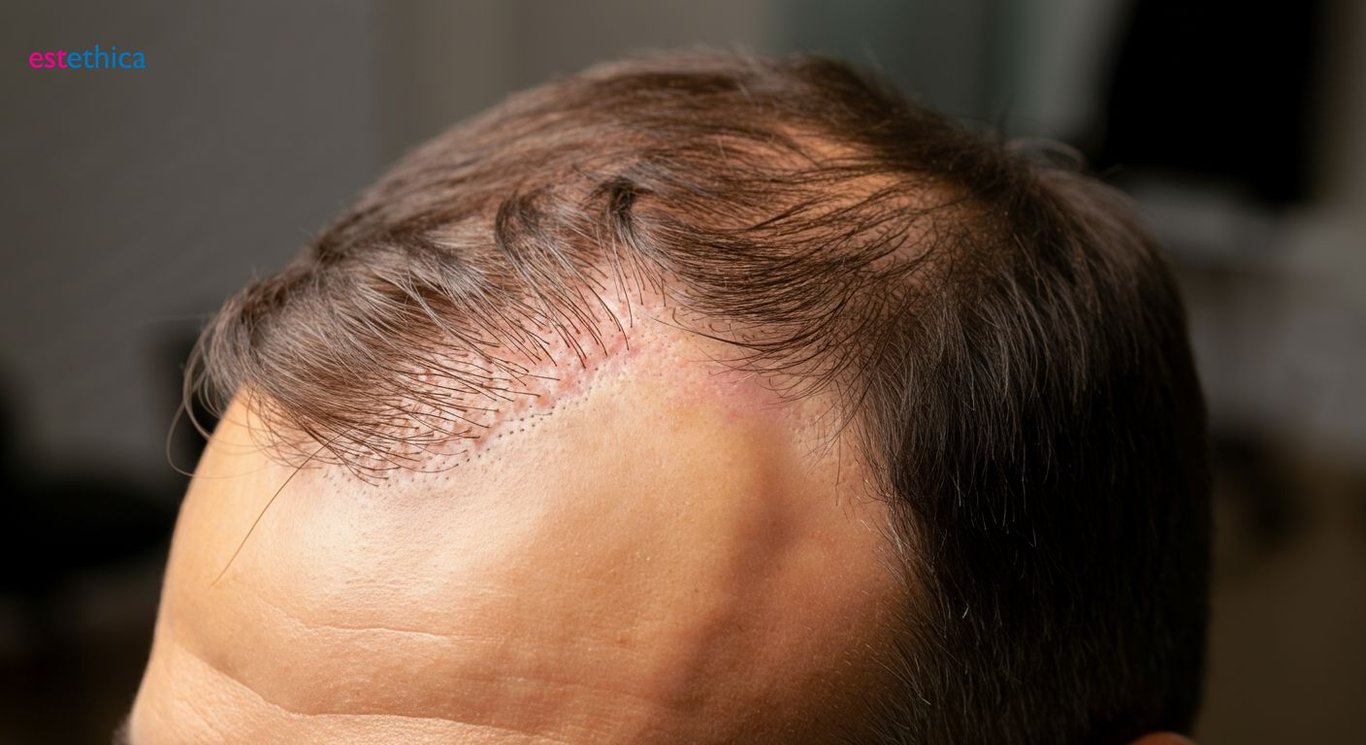
Hair Transplant Techniques: FUE vs. FUT - Which is Right for You?
Understanding FUE and FUT Techniques
When exploring options for a hair transplant, Follicular Unit Extraction (FUE) and Follicular Unit Transplantation (FUT) stand out as the primary surgical methods. FUE involves extracting individual hair follicles directly from the scalp, which is particularly beneficial for those seeking to minimize visible scarring. This method is often favored by individuals looking for a hair transplant that provides a natural-looking hairline and offers a quicker recovery period. FUT, on the other hand, involves removing a strip of scalp from which hair follicles are then extracted. FUT allows for a larger number of grafts to be transplanted in a single session, potentially making it a more efficient option for extensive hair restoration. However, it does result in a linear scar and typically requires a longer recovery time. The choice between FUE and FUT depends on individual needs, the extent of hair loss treatment required, and personal preferences regarding scarring and recovery.
Factors to Consider When Choosing a Technique
Deciding between FUE and FUT involves several critical considerations to ensure the best possible outcome for your hair restoration journey. One significant factor is the extent of hair loss treatment needed; FUT may be more suitable for those requiring a large number of grafts, while FUE is excellent for smaller areas or when minimal scarring is a priority. Another aspect is the patient's lifestyle; those with active lifestyles might prefer FUE due to its faster recovery. Furthermore, the texture and density of your hair can influence the suitability of each technique. Consulting with a skilled best hair transplant surgeon near me is essential to evaluate these factors and determine which method aligns best with your specific situation. Remember, the goal is to achieve natural-looking results that meet your expectations and enhance your confidence.
- Assess Hair Loss Extent: Determine the degree of hair loss to gauge graft needs.
- Evaluate Lifestyle: Consider recovery time and activity level preferences.
- Consult a Specialist: Seek expert advice to match technique with hair type.
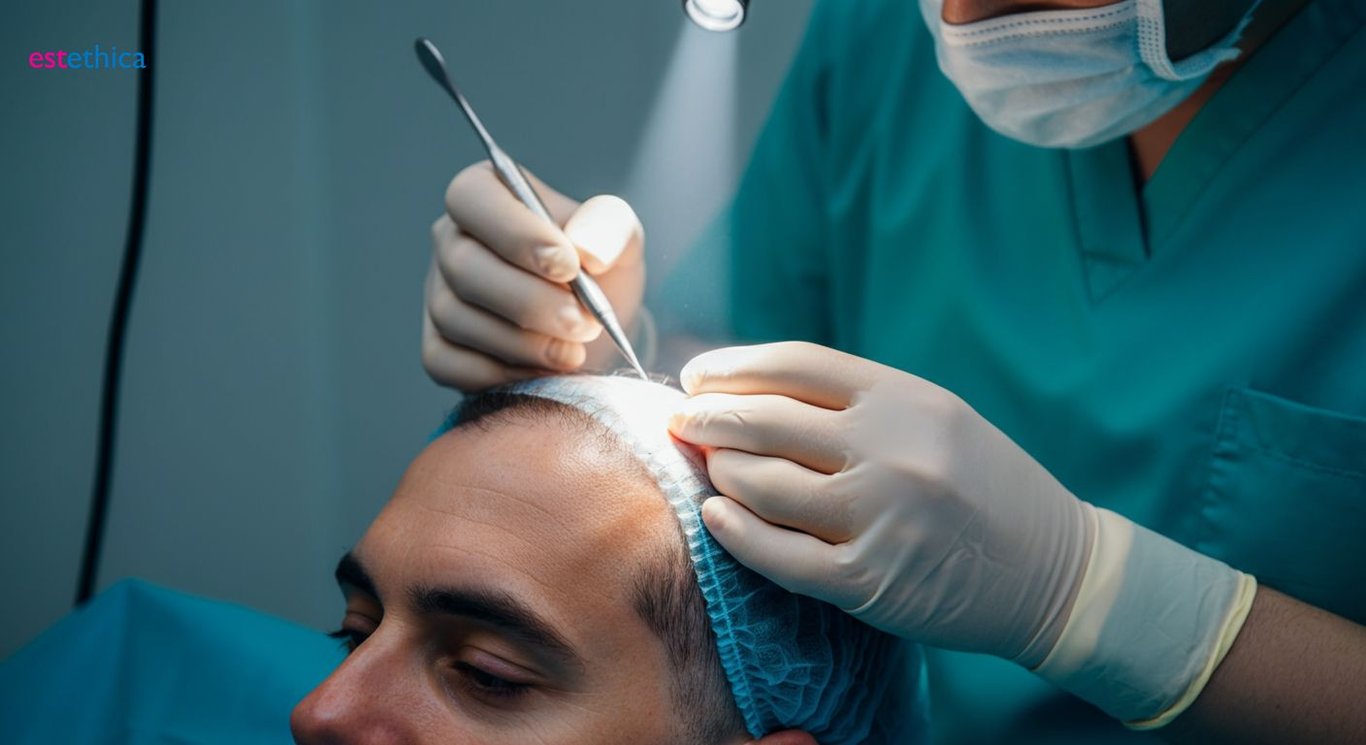
Non-Surgical Hair Loss Solutions: Exploring Your Options
Topical Treatments for Hair Regrowth
For individuals seeking alternatives to surgery, topical treatments offer a convenient and accessible option for combating hair loss. Minoxidil, a widely recognized medication, works by prolonging the growth phase of hair follicles and increasing blood flow to the scalp. Finasteride, available in topical formulations, helps to reduce the production of dihydrotestosterone (DHT), a hormone known to shrink hair follicles. These treatments are particularly effective for early-stage hair loss and can be easily integrated into a daily hair care routine. However, it's important to consult with a healthcare professional to determine the most suitable treatment and manage any potential side effects. Consistent and proper application is key to achieving optimal results and maintaining hair density.
Advanced Non-Invasive Hair Restoration Methods
Beyond traditional topical treatments, advanced non-invasive methods provide innovative solutions for hair restoration. Scalp micropigmentation (SMP) is a cosmetic procedure that uses fine needles to deposit pigment into the scalp, creating the illusion of fuller hair. This technique is ideal for those with thinning hair or bald spots, offering immediate and long-lasting results. Laser therapy, another cutting-edge approach, stimulates hair follicles with low-level light, promoting increased blood flow and encouraging hair growth. These methods are particularly appealing for individuals seeking immediate cosmetic improvements or those who are not candidates for surgical procedures. Consulting with a hair clinic that specializes in these advanced techniques can help determine the best approach for achieving your desired hair density and aesthetic goals.
- Scalp Micropigmentation: Creates the illusion of fuller hair.
- Laser Therapy: Stimulates hair follicles for growth.
- Topical Finasteride: Reduces DHT production in the scalp.
These innovative solutions offer effective alternatives for those hesitant about surgery.
Understanding the Cost of Non-Surgical Hair Loss Solutions
Exploring non surgical hair loss solutions involves understanding the financial commitment associated with each treatment. While surgical options like a hair transplant may present a significant upfront investment, non-surgical methods often entail ongoing expenses. Treatments such as topical minoxidil and finasteride require consistent use to maintain results, leading to continuous purchasing costs. Scalp micropigmentation, although a longer-lasting solution, involves an initial investment for the procedure, with potential touch-ups needed over time. Laser therapy sessions also add up, depending on the frequency and duration of treatments. Researching and comparing the long-term costs of each option will help you make an informed decision that aligns with your budget and hair restoration goals. Consider the overall value and sustainability of each treatment to ensure a satisfactory and cost-effective outcome.
- Research Treatment Costs: Compare prices of different non-surgical options.
- Consider Long-Term Expenses: Factor in ongoing costs for maintenance and touch-ups.
- Evaluate Value and Sustainability: Assess the overall effectiveness and cost-efficiency.
A thorough understanding of costs ensures a financially sound decision.

Finding the Best Hair Transplant Surgeon: Key Considerations
Essential Credentials and Experience for Hair Transplant Surgeons
Selecting a qualified hair transplant surgeon is paramount for achieving successful and natural-looking results. Start by verifying the surgeon's credentials, including board certifications and memberships in reputable medical organizations. A surgeon's experience is equally crucial; inquire about the number of hair restoration procedures they have performed and their success rates. Look for surgeons who specialize in hair loss treatment and have extensive experience with various techniques, such as FUE and DHI. Reviewing before-and-after photos of previous patients can provide valuable insights into the surgeon's aesthetic skills and the quality of their work. Ensure the surgeon has a strong track record and a commitment to staying updated with the latest advancements in hair restoration.
The Role of Technology and Personalized Care in Hair Transplants
The best hair clinics utilize cutting-edge technology to enhance the precision and effectiveness of hair transplant procedures. Advanced tools, such as robotic hair transplant systems and high-magnification microscopes, enable surgeons to achieve finer details and more natural-looking results. Personalized care is another hallmark of a top-tier surgeon. A thorough consultation, where the surgeon assesses your specific hair loss pattern, discusses your goals, and develops a customized treatment plan, is essential. Clinics like estethica prioritize personalized care, ensuring that each patient receives a tailored approach that addresses their unique needs and expectations. This combination of advanced technology and individualized attention can significantly impact the overall success and satisfaction of your hair transplant.
- Verify Credentials: Check board certifications and memberships.
- Review Experience: Inquire about the number of procedures performed.
- Assess Technology: Look for clinics using advanced tools.
These factors are crucial for a successful hair transplant.
Understanding the Cost Factors of Hair Transplant Procedures
Understanding hair transplant cost is crucial when planning your hair restoration. The overall expense can vary significantly based on several factors. The extent of your hair loss treatment, measured by the number of grafts needed, is a primary cost driver. The technique used, whether FUE or FUT, also impacts the price, with FUE often being more expensive due to its labor-intensive nature. The surgeon's experience and reputation, as well as the geographic location of the clinic, can further influence the total cost. Additional expenses may include pre-operative consultations, post-operative medications, and follow-up appointments. Obtaining detailed quotes from multiple clinics and understanding what is included in the price will help you make an informed decision. While affordability is important, prioritizing the surgeon's expertise and the clinic's reputation is essential for achieving optimal results.
- Graft Quantity: The number of grafts needed affects the cost.
- Surgical Technique: FUE and FUT have different price points.
- Surgeon's Expertise: Experienced surgeons may charge more.
These factors influence the final hair transplant cost.
Advanced FUE and DHI Techniques for Natural-Looking Hair Restoration
estethica employs cutting-edge FUE (Follicular Unit Extraction) and DHI (Direct Hair Implantation) techniques for hair transplants. These methods ensure minimal scarring and natural-looking results, catering to individual hair loss patterns and aesthetic goals.
estethica's surgeons are highly skilled in hair restoration, specializing in various techniques including FUE and DHI. Their expertise ensures patients receive tailored treatment plans that address their unique needs, leveraging the latest advancements in hair restoration.
Personalized Treatment Plans for Optimal Hair Restoration Outcomes
estethica prioritizes patient safety and satisfaction, offering thorough consultations and customized treatment plans. The hospital uses state-of-the-art technology and a dedicated team to ensure the best possible results.
estethica focuses on delivering exceptional patient experiences, from initial consultation to post-operative care. The hospital’s commitment to quality and patient comfort is evident in its comprehensive service offerings.
Frequently Asked Questions
What are the primary methods for hair restoration?
How do FUE and FUT hair transplant techniques differ?
What are some effective non surgical hair loss solutions?
What should I look for in a best hair transplant surgeon near me?
What factors influence the affordable hair transplant options available?
Ready to discover your path to a healthier, more beautiful you with estethica?
📞 Call Us Now for Expert Advice!