


Unveil the myths of gynecomastia and explore diverse treatment options for a confident chest.
Gynecomastia, often colloquially referred to as "man boobs," is a condition characterized by the enlargement of breast tissue in males. While often a source of embarrassment, understanding this condition can lead to effective treatment options. This article aims to demystify gynecomastia, exploring its causes, treatment options, and how to find the best care for a confident chest.
Decoding Gynecomastia: What Causes Enlarged Male Breasts?
Hormonal Imbalance and Gynecomastia
Gynecomastia, characterized by enlarged male breasts, often stems from a hormonal imbalance, specifically an elevated estrogen to testosterone ratio. This imbalance can trigger the development of glandular breast tissue in men. For instance, during puberty, hormonal fluctuations are common. In approximately 60% of adolescent males, temporary gynecomastia may develop, typically resolving as hormone levels stabilize. Understanding this balance is key to addressing gynecomastia effectively.
Several factors contribute to hormonal shifts. Aging can lead to a natural decline in testosterone production alongside an increase in body fat, which can elevate estrogen levels due to aromatization. Certain medications, such as anti-androgens, anabolic steroids, and some antidepressants, can disrupt the hormonal equilibrium. Health conditions like hyperthyroidism can also indirectly impact hormone production, further influencing the development of gynecomastia. Determining the precise cause is essential for targeted treatment strategies.
Factors Contributing to Enlarged Male Breasts
Gynecomastia is influenced by a combination of physiological stages, lifestyle choices, and medical conditions. Puberty creates hormonal fluctuations. As it was noted, 60% of adolescent males experience temporary enlargement of breast tissue due to hormonal changes during this developmental stage. Similarly, aging men may experience a decline in testosterone. It leads to a relative increase in estrogen, promoting breast tissue growth. Drug use, particularly anabolic steroids, can severely disrupt hormonal balance. These substances can lead to gynecomastia.
- Hormonal Shifts: Fluctuations during puberty need proper management.
- Medication Usage: Awareness about the impact of drugs on hormonal balance.
- Underlying Conditions: Regular monitoring for conditions that impact hormone production.
In addition to these factors, certain medical conditions can play a significant role in the development of gynecomastia. Hyperthyroidism, for example, can increase estrogen levels. It promotes breast tissue development. Kidney failure can impair hormone clearance, causing hormonal imbalances that contribute to gynecomastia. Understanding all potential causes is critical for effective diagnosis and treatment.
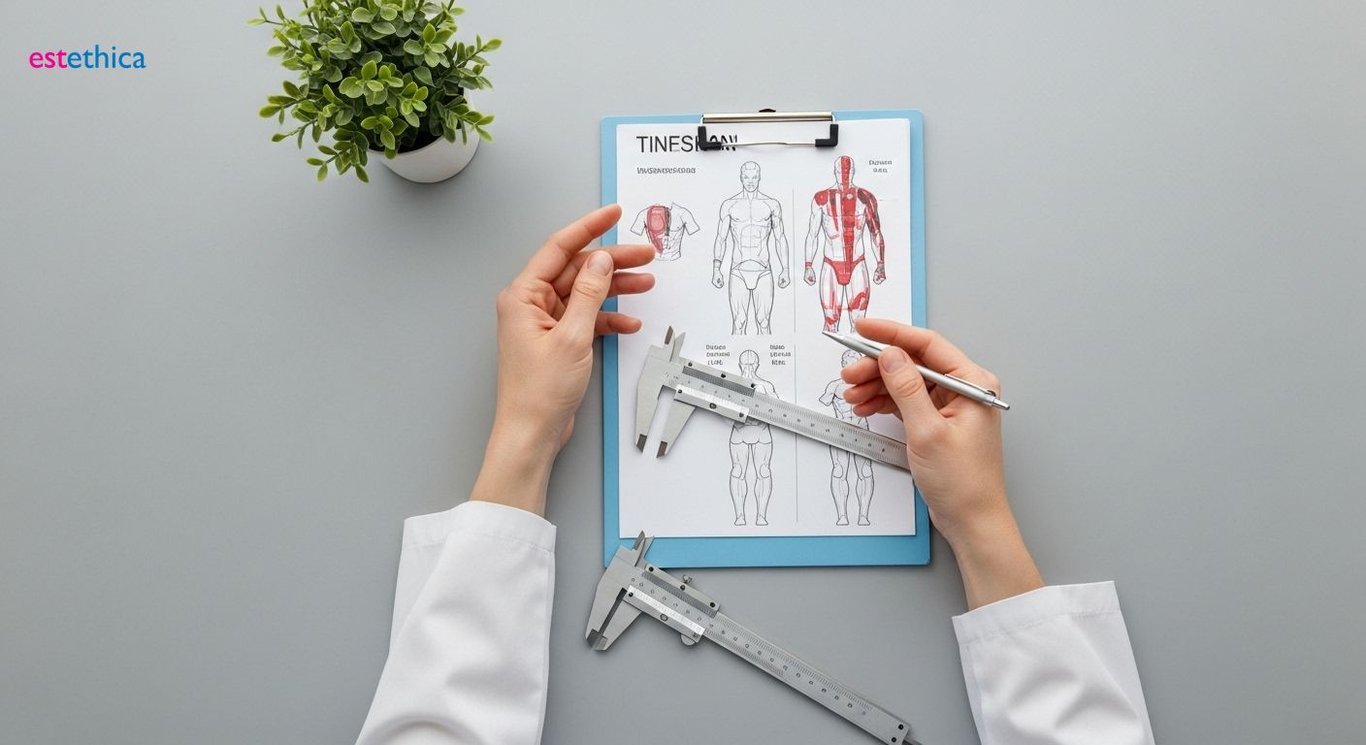
Male Breast Reduction: Exploring Surgical and Non-Surgical Options
Non-Surgical Approaches to Reduce Gynecomastia
For individuals exploring options to reduce male breast size without surgery, several non-invasive approaches may offer noticeable improvements. Hormonal therapies, for example, can be effective for those whose gynecomastia is due to a hormonal imbalance. These treatments, often prescribed and monitored by endocrinologists, aim to restore a more balanced hormone profile, potentially reducing breast tissue growth. Lifestyle adjustments, such as incorporating a balanced diet and regular exercise, can support overall hormonal health and reduce chest fat, indirectly diminishing the appearance of man boobs. It is important to note that not everyone is a good candidate for non-surgical treatments. Consulting with a specialist is crucial to determine the best course of action.
Targeted exercises that focus on chest muscle development can also play a role in improving the chest's contour. For example, incorporating exercises like push-ups, dumbbell presses, and cable crossovers can enhance muscle definition, making the chest appear firmer and more toned. It is worth noting that results from these exercises can vary significantly depending on individual body composition and adherence to a consistent workout routine. Additionally, some individuals might explore alternative therapies like herbal supplements, although scientific evidence supporting their effectiveness in treating gynecomastia is limited. Any alternative treatment should be discussed with a healthcare provider to ensure safety and avoid potential interactions with other medications.
Surgical Options for Gynecomastia Correction
When non-surgical methods do not provide the desired results, surgical interventions offer more direct and effective solutions for male breast reduction. Liposuction is a common surgical technique used to remove excess fat from the chest area. It involves making small incisions through which a cannula is inserted to suction out the fat. In cases where gynecomastia involves significant glandular tissue, a mastectomy, or surgical excision of this tissue, may be necessary.
- Liposuction: Ideal for removing excess fat, resulting in a flatter chest.
- Mastectomy: Recommended when glandular tissue is the primary cause.
- Combination: Addresses both fat and glandular tissue for comprehensive correction.
The choice between liposuction and mastectomy depends on the specific characteristics of the gynecomastia. Some patients may require a combination of both procedures to achieve optimal results. For example, patients with both excess fat and dense glandular tissue might undergo liposuction to remove the fat, followed by a mastectomy to excise the remaining glandular tissue. Ultimately, the decision is made in consultation with a gynecomastia surgeon, who will assess the individual's condition and recommend the most appropriate surgical approach ensuring the best possible outcome.
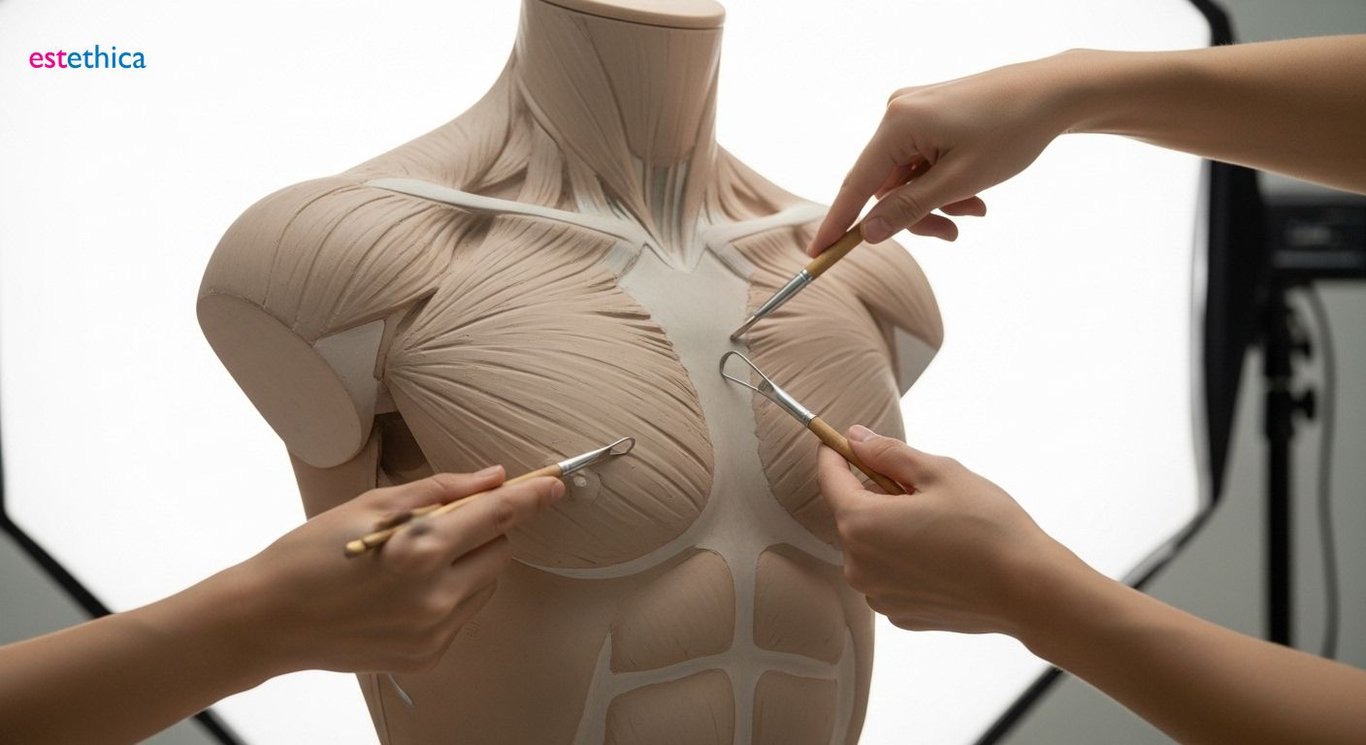
Gynecomastia Surgery Recovery: Tips for a Smooth Winter Healing
Optimizing Post-Operative Care for Winter Recovery
Recovering from gynecomastia surgery requires adherence to specific post-operative care to ensure a smooth healing process, especially in colder months. Patients are advised to follow prescribed medications, maintain a healthy diet, and avoid strenuous activities to reduce swelling and promote recovery. Winter recovery can be optimized by staying warm, hydrated, and by attending follow-up appointments to monitor healing progress under medical guidance.
Proper wound care is crucial to prevent complications during the winter months. Patients should keep incision sites clean and dry to avoid infection, which can be exacerbated by winter dryness and indoor heating. Nutritional support plays a pivotal role. Consuming a diet rich in vitamins and proteins aids in tissue repair and strengthens the immune system, helping the body combat potential infections. Additionally, maintaining optimal hydration levels ensures skin elasticity and supports overall healing. The body's natural repair processes are more efficient with adequate fluid intake.
Key Steps for a Comfortable Recovery
Post-operative care following male breast reduction involves several key steps to enhance comfort and promote effective healing. Wearing compression garments as directed by the surgeon can help minimize swelling and provide support to the chest area. These garments aid in the skin's adjustment to the new body contour and reduce the risk of fluid accumulation. Furthermore, gentle exercises, as approved by the surgeon, can improve circulation and prevent stiffness, contributing to a more comfortable recovery experience.
- Medication Adherence: Following prescribed medications to boost recovery process.
- Healthy Diet: Proper nutrition for tissue repair and immune system.
- Follow-Up Care: Keep up with medical appointments to track progression.
Creating a conducive environment is essential for a smooth recovery. Maintaining a comfortable and warm indoor temperature can alleviate discomfort and promote relaxation, which is vital for healing. Avoiding exposure to extreme cold helps prevent complications. Mental well-being is equally important. Engaging in relaxing activities, such as reading or light hobbies, can reduce stress and support emotional recovery during the healing period. For instance, practicing mindfulness or meditation can help manage discomfort and promote a positive outlook. This holistic approach ensures both physical and mental well-being during recovery from gynecomastia surgery, especially during the winter months.

Finding the Best Gynecomastia Doctor: Your Guide to a Confident Chest
Essential Qualifications for a Gynecomastia Surgeon
Selecting the right specialist is paramount for the successful management of gynecomastia. The ideal doctor should be a board-certified plastic surgeon with extensive experience in male breast reduction. Board certification ensures that the surgeon has met rigorous standards of training and expertise in plastic surgery. Specialized experience in gynecomastia surgery means they are proficient in the specific techniques and considerations required for this procedure. Such expertise ensures that the doctor is up-to-date with the latest surgical advancements.
Verifying credentials and reading online reviews are crucial steps in the selection process. By checking the surgeon's qualifications and certifications, patients can confirm their expertise. Online reviews and testimonials from previous patients provide insights into the surgeon's bedside manner, surgical outcomes, and overall patient satisfaction. Scheduling consultations with multiple surgeons is advisable to assess their communication style, evaluate their approach to treatment, and determine whether they align with the patient's aesthetic goals. A skilled doctor not only offers the best treatment for gynecomastia options but also provides reassurance and support throughout the process, fostering a trusting doctor-patient relationship. For instance, a surgeon who takes the time to thoroughly explain the procedure, address concerns, and set realistic expectations can significantly enhance the patient's experience and confidence.
Key Considerations for Finding the Best Doctor
- Verify Board Certification: Ensures the surgeon meets high standards.
- Read Online Reviews: Offers insights into patient experiences and outcomes.
- Schedule Consultations: Assesses communication and alignment with goals.
Finding the best gynecomastia doctor is a process that requires careful consideration and thorough research. Beyond the surgeon's qualifications and experience, it's essential to evaluate their approach to patient care and the overall environment of their practice. For example, a clinic that prioritizes patient education, offering detailed pre-operative and post-operative instructions, can contribute to a smoother and more successful treatment journey. Ultimately, choosing a doctor who combines expertise with compassionate care is key to achieving satisfying results and improved confidence.
Understanding Gynecomastia: Causes, Symptoms, and Treatments
Advanced Liposuction and Mastectomy Techniques for Comprehensive Gynecomastia Correction
Personalized Patient Care and Winter Recovery Optimization
Frequently Asked Questions
What causes gynecomastia, or the development of enlarged male breasts?
What are the surgical options available for male breast reduction?
What are some key tips for gynecomastia surgery recovery, especially during winter?
How can I find the best gynecomastia doctor for my needs?
Achieve your aesthetic goals with estethica's expert consultations.
📞 Call Now for Your Free Consultation!