


Comprehensive guide to gynecomastia treatment options, covering surgical and non-surgical methods for male breast reduction and enlarged male breast tissue.
Understanding and addressing enlarged male breast tissue, commonly known as gynecomastia or gyno, is a significant concern for many individuals. This guide explores the various gynecomastia treatment options available, from surgical gynecomastia treatment to non-surgical gynecomastia treatment approaches. We delve into what causes gynecomastia and how to treat gynecomastia effectively, offering insights into male breast reduction and cosmetic surgery for gynecomastia. Whether you're seeking information on the latest developments or considering your first steps towards treatment, this content provides a comprehensive overview.Understanding Enlarged Male Breast Tissue
Enlarged male breast tissue, a condition often referred to as gynecomastia, is a common concern for many men. It’s important to understand that this is not simply an issue of being overweight, although excess fat can contribute to the appearance of larger breasts. True gynecomastia involves the actual enlargement of the glandular breast tissue in males. This development can stem from a variety of underlying factors, making it crucial to identify the root cause to determine the most effective approach.
Hormonal imbalances are frequently implicated in the development of this condition. Fluctuations in estrogen and testosterone levels, which can occur naturally during puberty, aging, or due to certain medical conditions, can stimulate breast tissue growth. Additionally, some medications, including certain heart drugs, anti-androgens, and even some psychiatric medications, have been known to cause male breast enlargement as a side effect. Lifestyle factors, such as the use of anabolic steroids or excessive alcohol consumption, can also play a role. Understanding these potential triggers is the first step in addressing the issue effectively.
Distinguishing True Gynecomastia from Pseudogynecomastia
A critical distinction must be made between true gynecomastia and pseudogynecomastia. Pseudogynecomastia, sometimes called fatty gynecomastia, is essentially the accumulation of excess fatty tissue in the chest area, often due to overall weight gain. It lacks the glandular tissue enlargement characteristic of true gyno. This difference is significant because the treatment strategies for each can vary considerably. While weight loss may help reduce pseudogynecomastia, true gyno often requires more targeted interventions. For men seeking to understand their condition further and explore potential solutions, resources like Gynecomastia: Understanding Male Breast Reduction Today offer valuable insights into the physiological aspects and available procedures.
The physical and emotional impact of enlarged male breast tissue can be profound. Many men experience self-consciousness and a reluctance to engage in activities that might expose their chest, such as swimming or going to the gym. This can affect their confidence and overall quality of life. Recognizing the varied causes and differentiating between glandular enlargement and fatty deposits are the foundational steps in seeking appropriate management and relief from this condition. Addressing gyno can lead to significant improvements in both physical appearance and psychological well-being.

Surgical Gynecomastia Treatment Techniques
For individuals seeking a definitive solution to enlarged male breast tissue, surgical gynecomastia treatment remains a highly effective and popular choice. These procedures are designed to reshape the chest, providing a more masculine contour and boosting self-confidence. The specific surgical approach is tailored to the patient's unique anatomy and the extent of the condition, often involving either the removal of excess fatty tissue or the excision of glandular tissue, or a combination of both techniques.
Liposuction for Fat Removal
When gynecomastia is primarily caused by excess fatty deposits, liposuction is often the preferred method. This technique involves making small incisions through which a thin cannula is inserted to suction out the unwanted fat. Liposuction is minimally invasive and can effectively reduce the volume of the chest, leading to a flatter, firmer appearance. It is particularly useful for cases where glandular tissue is not significantly enlarged. The precision of modern liposuction technology allows for targeted fat removal, minimizing trauma to surrounding tissues and promoting a smoother final contour.
Gland Excision for Glandular Tissue
In cases where the enlargement is due to an overgrowth of glandular tissue, direct excision is necessary. This surgical gynecomastia treatment typically involves a small incision, often made around the areola, to allow the surgeon to directly remove the hypertrophied breast gland. This method ensures the complete removal of the glandular component responsible for the protrusion. While it may leave a slightly more noticeable scar than liposuction, gland excision is crucial for achieving optimal results when glandular overgrowth is the main issue. A thorough consultation is essential to determine the most appropriate surgical gynecomastia treatment options for your specific situation.
Often, a combination of liposuction and gland excision yields the best outcome, addressing both fatty tissue and glandular enlargement simultaneously. This comprehensive approach ensures a significant and lasting improvement in chest aesthetics. The recovery period following these procedures is generally manageable, with most patients able to return to their normal daily activities within a couple of weeks. Detailed post-operative care instructions are provided to ensure optimal healing and minimize any potential complications. For those considering surgical intervention, exploring various Gynecomastia Treatment: Gyno Solutions & Options can provide a broader understanding of the available pathways to address this concern.
Non-Surgical Gynecomastia Treatment Methods
For individuals experiencing milder cases of male breast enlargement or those who wish to explore alternatives to surgery, a range of non-surgical approaches can be highly effective. These methods focus on addressing the underlying hormonal imbalances or physiological factors contributing to the condition. While typically less invasive, it's important to note that these strategies may require a longer timeframe to yield noticeable results when compared to surgical interventions. Consulting with a qualified medical professional is paramount to ascertain if these non-surgical gynecomastia treatment options are suitable for your specific circumstances and to understand the most appropriate path forward for managing your condition.
Lifestyle Adjustments and Medical Interventions
Significant lifestyle changes can play a crucial role in managing certain types of male breast enlargement. This often includes focusing on a balanced diet and incorporating regular physical activity. Weight management is particularly key, as excess body fat can sometimes contribute to or exacerbate the appearance of enlarged male breast tissue. In some instances, a healthcare provider might recommend certain medications to help rebalance hormone levels. For example, if the enlargement is linked to specific hormonal fluctuations or medications, adjusting these under medical supervision could lead to improvement. Understanding the root cause, as detailed in Gynecomastia: Understanding and Treating Enlarged Male Breasts, is the first step in determining the efficacy of these less invasive methods.
Hormone Therapy and Medications
Hormone therapy is another avenue explored for addressing the condition. This can involve medications designed to counteract the effects of estrogen or stimulate testosterone production, depending on the identified hormonal imbalance. Such treatments are carefully prescribed and monitored by specialists to ensure safety and effectiveness. While hormone therapy can be a powerful tool for certain types of gynecomastia treatment options, it requires a thorough diagnostic evaluation to pinpoint the exact hormonal issues at play. The goal is to restore a more balanced hormonal profile, which can, in turn, reduce glandular tissue growth and alleviate symptoms associated with gyno.
Choosing the Right Male Breast Reduction for You
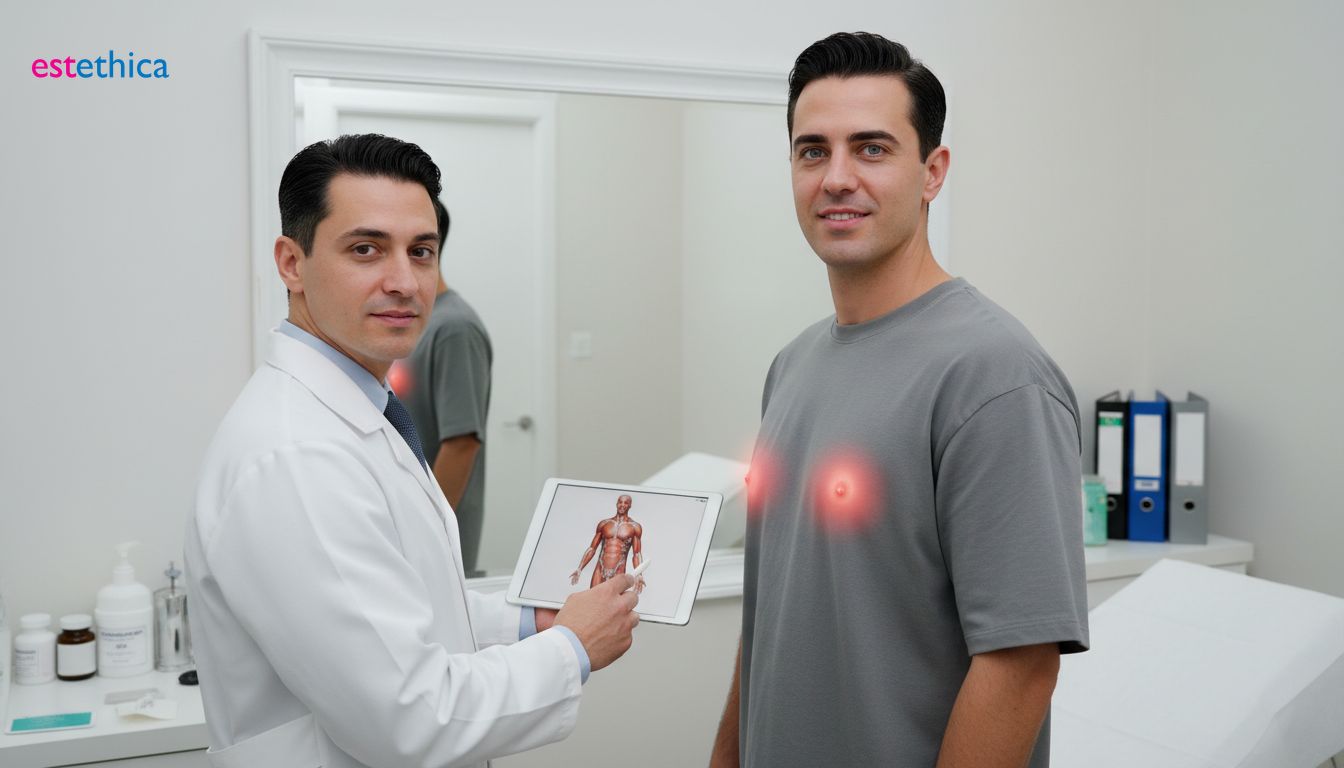
Selecting the most suitable approach for addressing enlarged male breast tissue is a significant decision that hinges on a thorough evaluation of your personal aesthetic aspirations, the specific characteristics of your condition, and your overall health status. It is crucial to partner with highly skilled surgeons who possess extensive experience in performing procedures for gynecomastia. These specialists are equipped to meticulously assess your individual circumstances, offering comprehensive insights into the advantages and potential drawbacks associated with various intervention strategies. Their expert guidance is invaluable in navigating the path toward achieving desirable and lasting results.
The journey to effective male breast reduction begins with informed decision-making. Understanding the nuances of each available method ensures that you are well-prepared to make choices that align with your goals. Whether your path leads you towards a surgical intervention or an exploration of less invasive techniques, a clear comprehension of the process is paramount. Remember, this is not just about physical transformation; it's about regaining confidence and comfort in your own skin.
Assessing Your Personal Needs and Goals
Before embarking on any treatment, a candid discussion with a qualified professional is essential. They will help you understand the underlying causes of your condition, which can vary significantly from person to person. Factors such as hormonal imbalances, certain medications, or lifestyle choices can contribute to the development of gyno. A thorough consultation allows the surgeon to determine the extent of the glandular tissue and fat contributing to the enlargement. This assessment is the foundation upon which the most appropriate treatment plan is built. For a deeper dive into the causes and general options, consulting resources like Gynecomastia Explained: Male Breast Reduction Options can provide valuable background information. This understanding empowers you to ask the right questions and actively participate in the decision-making process.
Consultation and Treatment Planning
The cornerstone of a successful outcome lies in the initial consultation. During this meeting, your surgeon will review your medical history, discuss your expectations, and perform a physical examination to evaluate the degree of tissue excess. They will then present the spectrum of available solutions, detailing what each entails, the expected recovery period, and the potential results. Whether your gyno requires a more direct surgical approach or can be managed with other methods, the goal is to tailor the plan specifically for you. Making an educated choice ensures that your journey towards a more confident self is both safe and effective, addressing the specific concerns related to your gynecomastia.

Advanced Surgical and Non-Surgical Gynecomastia Treatment in Istanbul
Expertise in addressing enlarged male breast tissue (gynecomastia or gyno) is demonstrated through a comprehensive range of treatment options. We detail advanced surgical techniques like targeted liposuction for fat removal and precise gland excision for glandular tissue. These methods are tailored to effectively manage both true gynecomastia and pseudogynecomastia, ensuring personalized care.
Our approach encompasses innovative non-surgical methods, including crucial lifestyle adjustments and evidence-based medical interventions. We provide insights into hormone therapy and medications that can be highly effective for milder cases or as complementary treatments, offering a holistic strategy for male breast reduction.
The content showcases deep knowledge of the underlying causes of gynecomastia, emphasizing the importance of hormonal imbalances. By distinguishing between true gynecomastia and pseudogynecomastia, we highlight our diagnostic and treatment precision. Our commitment is to deliver solutions that address the physical and emotional impact of enlarged male breast tissue.
Comprehensive Gynecomastia Treatment Planning for Optimal Results
Our commitment to trustworthiness is evident in our detailed exploration of how to treat gynecomastia effectively. We provide clarity on the various gynecomastia treatment options, ensuring patients are well-informed about their choices, from surgical gynecomastia treatment to non-surgical gynecomastia treatment.
The focus on Istanbul for gynecomastia treatment highlights accessible and quality care. We strive to offer options that are not only effective but also considered affordable, building trust through transparency and comprehensive information. Our aim is to empower individuals to make confident decisions about their male breast reduction journey.
The profound positive impact, both physical and emotional, that addressing enlarged male breast tissue can have is a core focus. We guide individuals through the process of selecting the most suitable male breast reduction method, ensuring satisfaction and improved self-esteem. Our approach prioritizes achieving the best possible cosmetic surgery for gynecomastia results.