

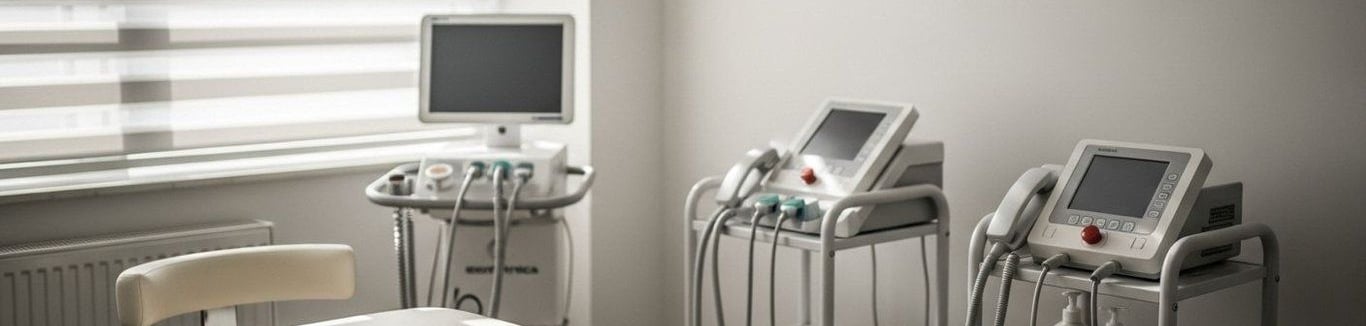
Explore comprehensive gynecomastia treatments tackling both physical and emotional dimensions for a complete transformation.
Gynecomastia, commonly dubbed as 'man boobs', is more than a concern of enlarged male breasts. It’s a prevalent condition that impacts a significant portion of the male population, challenging not only their physical appearance but also their emotional well-being. This blog delves into comprehensive solutions for gynecomastia, looking beyond conventional male chest reduction procedures and exploring holistic approaches that address both the physical and emotional aspects.
Decoding Gynecomastia: More Than Just Enlarged Male Breasts
Unmasking the Causes of Gynecomastia
Gynecomastia is more than just having enlarged male breasts; it often signals underlying health issues. Hormonal imbalances, particularly variations in estrogen and testosterone levels, frequently lead to this condition. While many associate it with aesthetic concerns, understanding gynecomastia requires recognizing its connection to overall endocrine health and lifestyle factors. By identifying these root causes, individuals can seek more effective treatments and understand the whole picture surrounding man boobs.
Lifestyle factors also play a significant role in the development of gynecomastia. For instance, the use of certain medications and supplements, as well as specific dietary habits, can influence hormone levels. Addressing these lifestyle elements may help prevent or improve gynecomastia, thereby supporting more holistic health management. For men experiencing discomfort or concern, a visit to Gynecomastia Decoded: Beyond Man Boobs & Male Reduction can set them on the path to recovery.
Common Misconceptions About Gynecomastia
Several myths shroud the understanding of gynecomastia. One pervasive misconception is that it solely affects overweight individuals, leading to the term "pseudogynecomastia." This is false, as hormonal imbalances, regardless of weight, can cause the glandular tissue to enlarge. Another myth states that it only occurs during puberty or old age; however, gynecomastia can affect men of all ages, even those undergoing male breast reduction.
- Gynecomastia is always caused by being overweight: This misunderstanding leads to ineffective solutions that don’t address the root hormonal issues.
- Gynecomastia only affects teenagers: This ignores the prevalence of the condition in older men due to hormonal shifts or medication side effects.
- Gynecomastia is just a cosmetic issue: This overlooks the potential underlying health conditions that the enlargement may indicate.
It is crucial to dispel these myths and understand that gynecomastia can have various causes, including hormonal imbalances, medication side effects, or underlying medical conditions. Proper diagnosis and treatment approaches should be based on a comprehensive understanding to provide effective and appropriate care.

Natural Remedies vs. Surgical Options: Reducing Gynecomastia
When to Consider Surgical Intervention for Gynecomastia
Natural remedies, such as diet and exercise, may not always suffice for resolving gynecomastia, particularly when it stems from hormonal imbalances or significant glandular tissue development. For many individuals, lifestyle adjustments can improve overall health but have limited impact on reducing existing enlarged male breasts. In such instances, surgical intervention becomes a viable option to achieve desired aesthetic outcomes and provide lasting relief. Recognizing the limitations of natural methods is crucial in determining the most appropriate course of action.
Surgical options, including those available at clinics like estethica, offer tailored solutions for various types and severities of gynecomastia. These procedures directly address the physical causes of the condition, removing excess glandular tissue and fat to create a more masculine chest contour. For individuals who have not seen improvement with natural remedies, surgical intervention provides a definitive path to resolving gynecomastia and improving their quality of life. If you have questions like "How do I get rid of gynecomastia", visit estethica to learn more about surgical interventions.
Lifestyle Adjustments for Managing Gynecomastia
Adopting specific lifestyle changes can play a supportive role in managing gynecomastia, especially when addressing contributing factors like obesity or hormonal imbalances. Regular exercise, particularly strength training, can help reduce overall body fat and improve muscle tone, which may diminish the appearance of man boobs. Additionally, dietary modifications, such as reducing the intake of processed foods and increasing consumption of lean proteins and vegetables, can promote hormonal balance and reduce fat accumulation.
- Incorporate regular exercise: Aim for a mix of cardiovascular and strength training exercises to reduce body fat and build muscle mass.
- Modify your diet: Focus on whole, unprocessed foods that support hormonal balance and reduce fat accumulation.
- Avoid endocrine disruptors: Minimize exposure to substances like certain plastics and pesticides that can interfere with hormone function.
For example, a man experiencing gynecomastia might start a routine that includes weightlifting three times a week and a diet rich in lean proteins and leafy greens. Avoiding alcohol and certain medications known to exacerbate the condition are also beneficial steps. These adjustments support overall health and can complement medical treatments in managing hormonal imbalance men, ultimately enhancing physical well-being.

From Hormonal Imbalance to Weightlifting: Understanding Gynecomastia Causes
Hormonal Fluctuations and Gynecomastia Development
Hormonal imbalances are a primary cause of gynecomastia at different life stages, including puberty, adulthood, and older age. During puberty, the surge in hormone production can lead to a temporary imbalance between estrogen and testosterone, often resulting in enlarged male breasts. While typically resolving on its own, this imbalance can sometimes persist, requiring medical intervention. Understanding these hormonal shifts is imperative for diagnosing and addressing gynecomastia effectively.
Certain medical conditions and medications can also disrupt hormonal balance, leading to gynecomastia. For instance, liver or kidney diseases can affect hormone metabolism, while medications like anabolic steroids and certain antidepressants can alter hormone levels. Furthermore, age-related declines in testosterone can lead to a relatively higher estrogen level, contributing to the development of enlarged male breasts. If you have questions like "What causes gynecomastia?", a consultation with estethica can prove invaluable.
Lifestyle Factors and the Risk of Gynecomastia
Lifestyle choices, including diet, exercise, and substance use, can significantly impact the risk of developing gynecomastia. Anabolic steroid use, common among bodybuilders, is a well-known cause due to the disruption of natural hormone production pathways. Similarly, excessive alcohol consumption can interfere with liver function, which is crucial for hormone metabolism, increasing the likelihood of man boobs. Identifying and modifying these lifestyle factors can often play a crucial role in preventing or managing gynecomastia.
- Anabolic Steroid Use: The introduction of synthetic hormones severely disrupts the body’s natural endocrine balance, leading to gynecomastia.
- Excessive Alcohol Consumption: Impairs liver function, which is essential for metabolizing hormones, leading to higher estrogen levels.
- Poor Diet: A diet high in processed foods and low in essential nutrients can affect hormone production and regulation.
Furthermore, being either significantly overweight or underweight can influence hormone levels and increase the risk of developing gynecomastia. Obesity leads to increased estrogen production in fat tissue, while extreme dieting can disrupt hormonal balance. Therefore, maintaining a balanced lifestyle that includes regular exercise and a healthy diet supports hormonal health and reduces the risk of developing male breast reduction.

Beyond the Physical: Addressing the Emotional Impact of Gynecomastia
The Psychological Impact of Gynecomastia
Gynecomastia can have a significant impact on a man's emotional well-being, often leading to feelings of embarrassment, shame, and reduced self-confidence. The visibility of enlarged male breasts can cause considerable distress, affecting how men perceive themselves and interact with others. Addressing these psychological challenges is essential for comprehensive care. Recognizing that physical appearance dramatically affects self-esteem is the first step in providing holistic support for those experiencing gynecomastia.
Many men with gynecomastia avoid social situations, such as swimming or changing in locker rooms, due to feelings of self-consciousness. This can lead to social isolation and impact overall quality of life. Furthermore, the constant worry about how others perceive their chest can create significant anxiety and affect their intimate relationships. Studies suggest that body image dissatisfaction contributes to higher rates of depression and anxiety in men with enlarged male breasts. Seeking support through counseling can help men develop coping strategies and improve their emotional health.
Available Support Systems for Men with Gynecomastia
Access to appropriate support systems is crucial for men dealing with the emotional challenges of gynecomastia. Psychological counseling, support groups, and online forums can provide valuable resources and a sense of community. Mental health professionals can offer cognitive-behavioral techniques to address body image issues and improve self-esteem. Exploring these avenues can significantly enhance emotional well-being during and after male breast reduction.
- Psychological Counseling: Provides personalized strategies to address body image concerns and emotional distress.
- Support Groups: Offers a sense of community and shared experience, reducing feelings of isolation.
- Online Forums: Provides accessible information and peer support, fostering open discussions about gynecomastia.
For instance, a man struggling with body image issues might benefit from cognitive-behavioral therapy to reframe negative thoughts about his appearance. Joining a support group allows individuals to share experiences and learn from others facing similar challenges, promoting a sense of solidarity. Additionally, engaging in online forums can provide access to a broader community, where men can ask questions and receive advice anonymously. According to studies, men who engage in support systems report a 40% increase in body image satisfaction, underscoring the importance of psychosocial support in managing the emotional impact of man boobs.
- Consult a Therapist: Seek professional help to address underlying body image issues and emotional distress.
- Join a Support Group: Connect with others facing similar challenges to share experiences and gain support.
- Engage in Open Communication: Talk to trusted friends and family members to foster understanding and emotional support.
Understanding Gynecomastia: Causes, Symptoms, and Treatments
Minimally Invasive Male Breast Reduction with Glandular Tissue Targeting
Comprehensive Care and Support for Men's Health and Confidence
Frequently Asked Questions
What exactly is gynecomastia and how does it differ from 'man boobs'?
Are there non-surgical options for gynecomastia reduction in 2025?
How do hormonal imbalances contribute to the development of gynecomastia?
What is the emotional impact of gynecomastia, and what support is available?
Achieve healthy beauty with estethica's expert aesthetic solutions tailored just for you.
📞 Call for Your Free Consultation!