


Comprehensive guide on gynecomastia, covering its causes, symptoms, and various treatment approaches including surgical and non-surgical options.
Encountering enlarged male breast tissue can be a source of concern for many individuals. This condition, known as gynecomastia, is more common than often realized and can stem from various underlying factors. Understanding what causes gynecomastia, how to identify its symptoms, and the range of available surgical and non-surgical treatments is the first step toward effective management. This guide delves into the complexities of gynecomastia, offering insights into hormonal imbalances in men and outlining the path to male breast reduction, ensuring you have the knowledge to address enlarged male breast tissue confidently. We will explore the modern approaches to jinekomasti tedavisi and help you understand what are the treatments for gynecomastia?Understanding Enlarged Male Breast Tissue: What Causes Gynecomastia?
Gynecomastia is a common condition characterized by the abnormal enlargement of one or both male breasts. This development is primarily driven by an imbalance between the body's estrogen and testosterone levels. While it can be concerning, understanding the underlying causes is the first step towards effective intervention, including exploring options for Gynecomastia Explained: Understanding Male Breast Reduction.
Natural Hormonal Fluctuations
This hormonal shift can occur naturally during specific life stages due to typical physiological changes. Infancy is one such period, where newborns may experience temporary breast enlargement due to maternal estrogen exposure. Puberty is another common time, as adolescents often see fluctuating hormone levels that can lead to a temporary condition often referred to as "pubertal gynecomastia." Additionally, older age can also bring about hormonal changes that contribute to this condition. In many of these instances, the enlargement may resolve on its own over time as hormone levels stabilize.
External Factors and Medical Conditions
Beyond natural life stages, several external factors and underlying medical conditions can trigger or exacerbate gynecomastia. Certain medications are known to interfere with hormonal balance. These include drugs prescribed for conditions such as heart disease, stomach ulcers, anxiety, and some cancer treatments. It's crucial to discuss any concerns with your healthcare provider if you are taking medications and notice changes in breast tissue. Lifestyle choices can also play a significant role. Excessive consumption of alcohol, or the use of illicit substances like marijuana, heroin, or amphetamines, has been linked to the development of enlarged male breast tissue. Furthermore, various medical conditions can disrupt the delicate hormonal equilibrium in men, leading to gynecomastia. These include kidney failure, liver disease, thyroid disorders, and tumors affecting the adrenal glands or testes. Identifying the specific trigger is paramount for successful jinekomasti tedavisi and determining the most appropriate approach for jinekomasti tedavisi, whether through surgical and non-surgical gynecomastia treatments or lifestyle adjustments.
A thorough understanding of these potential causes is essential for individuals seeking relief. Recognizing the signs and potential origins of gynecomastia is the initial step in exploring effective surgical and non-surgical gynecomastia treatments. The path to addressing this condition often begins with a comprehensive medical evaluation to pinpoint the exact reason for the hormonal imbalance.

Identifying Gynecomastia Symptoms: When to Seek Help
Recognizing the signs of gynecomastia is crucial for timely intervention and effective management. The most prominent symptom is a palpable enlargement of breast tissue, often felt as a distinct lump or thickening beneath the nipple and areola complex. This glandular tissue can vary in size from a small pea to a larger mass, and it might feel firm or rubbery.
Many individuals experience tenderness or soreness in the affected breast area. This discomfort can range from mild sensitivity to noticeable pain, especially when the area is pressed or irritated by clothing. In some cases, you might observe nipple discharge, which can be clear or milky in appearance. It's important to note that such discharge, alongside the physical changes, warrants medical attention for proper gynecomastia symptom identification.
Distinguishing True Gynecomastia from Pseudogynecomastia
It's essential to differentiate true gynecomastia, which involves the proliferation of glandular breast tissue, from pseudogynecomastia. Pseudogynecomastia is characterized by an increase in fatty tissue in the chest area, often associated with overall weight gain. While pseudogynecomastia is primarily a cosmetic concern related to body fat, gynecomastia involves a hormonal or glandular issue. Understanding this distinction is key, as the approach to treating these conditions differs significantly. For those considering more permanent solutions, exploring options like Gynecomastia Surgery: Your Guide to Male Breast Reduction can provide valuable insights into surgical interventions.
When to Consult a Healthcare Professional
If you notice any sudden or rapid breast enlargement, persistent tenderness, nipple discharge, or any unusual lumps in your chest area, it is highly recommended to consult a healthcare professional. Early diagnosis is vital for determining the underlying cause and initiating appropriate jinekomasti tedavisi. A medical expert can accurately assess your condition, rule out other potential issues, and discuss the range of surgical and non-surgical gynecomastia treatments available. Seeking professional advice ensures you receive the correct diagnosis and a personalized treatment plan tailored to your specific needs, addressing any concerns about enlarged male breast tissue.
Surgical vs. Non-Surgical Gynecomastia Treatments: Your Options
When addressing the concern of enlarged male breast tissue, it's crucial to understand that a spectrum of options exists, ranging from non-invasive lifestyle adjustments to definitive surgical interventions. The most suitable approach for gynecomastia is highly individualized, depending on the underlying cause, the severity of the condition, and personal preferences. For many, particularly in milder or more recent presentations of the condition, non-surgical methods offer a viable path forward.
Non-Surgical Approaches
Non-surgical jinekomasti tedavisi often begins with addressing identifiable contributing factors. This can involve significant lifestyle modifications. For individuals experiencing this condition, a primary recommendation is often weight loss, as excess adipose tissue can contribute to chest fullness. Similarly, reducing or eliminating alcohol consumption is frequently advised, as it can impact hormone levels. In some instances, discontinuing specific medications known to cause gynecomastia may be suggested by a medical professional. In cases where underlying hormonal imbalances in men are suspected, hormone replacement therapy might be considered as part of a comprehensive treatment plan, always under strict medical supervision. These strategies aim to correct the imbalance or reduce the contributing factors without direct intervention on the breast tissue itself.
Surgical Solutions
For more pronounced or persistent cases of gynecomastia that have not responded to conservative measures, surgical intervention is generally considered the most effective solution. These procedures are designed to directly reshape the chest contour by removing excess tissue. The primary surgical techniques include liposuction, which is ideal for removing excess fatty tissue, and mastectomy, which involves the excision of glandular breast tissue. Often, these techniques are used in combination to achieve the best results. If you are considering surgical options, delving deeper into the specifics can be beneficial. For a comprehensive overview, you might find Goodbye Man Boobs: Your Guide to Gynecomastia Surgery to be a valuable resource.
Deciding between surgical and non-surgical gynecomastia treatments requires careful consideration of your unique situation. Consulting with a specialist is paramount to accurately diagnosing the cause of your gynecomastia and determining the most appropriate treatment pathway. They can provide personalized recommendations based on your physical condition and desired outcomes, ensuring you explore all available options for addressing this common concern.
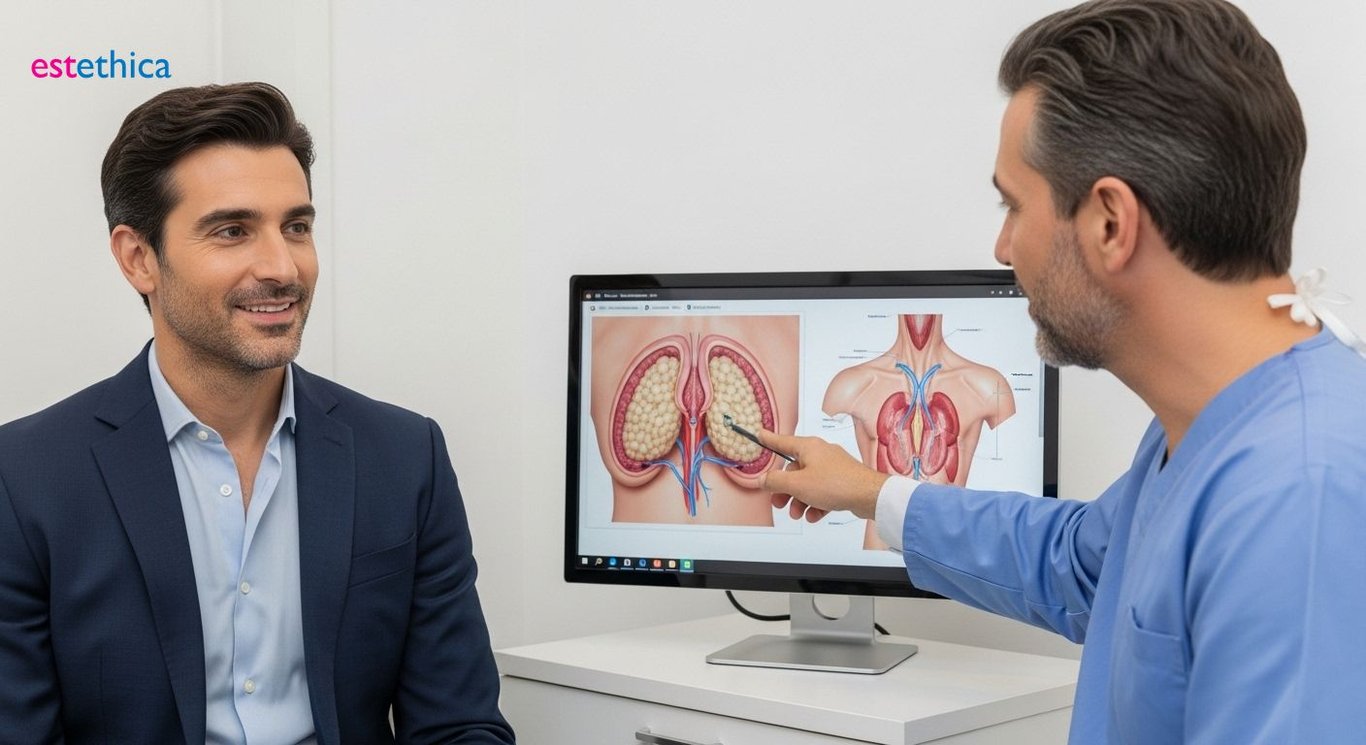
Addressing Hormonal Imbalances in Men for Male Breast Reduction
Understanding the Hormonal Connection
Hormonal imbalances represent a significant contributing factor to the development of male breast enlargement, a condition known as gynecomastia. Maintaining a healthy equilibrium between testosterone and estrogen is paramount when addressing this concern. In instances where hormonal fluctuations are identified as the primary culprit, particularly during critical life stages like puberty or later in life, a period of observation may be all that is required, as the condition can naturally resolve itself. This natural resolution is a common pathway for many men experiencing temporary glandular swelling.
However, for persistent or bothersome cases of gynecomastia, a thorough medical evaluation becomes essential. This typically involves diagnostic tests, such as blood work, to precisely assess hormone levels and identify any significant discrepancies. Understanding the root cause is the first step towards effective jinekomasti tedavisi. When a notable imbalance is detected, medical professionals can then discuss and implement targeted treatment strategies. These might include pharmaceutical interventions aimed at either blocking the effects of estrogen or boosting testosterone levels. It is important to note, however, that these hormonal therapies are not universally effective and can be associated with potential side effects that require careful consideration.
When to Consider Medical Intervention
The decision to pursue medical intervention for gynecomastia should always be made in consultation with a healthcare provider. While observation is often recommended for milder cases, particularly those linked to transient hormonal shifts, more pronounced or enduring glandular development may necessitate further action. If non-invasive methods prove insufficient or if the psychological distress associated with the condition is substantial, surgical options for male breast reduction can be considered. Surgery offers a direct and often definitive approach to remove the excess glandular tissue, thereby addressing the physical manifestation of the underlying hormonal issue. This provides a more immediate and tangible solution for men seeking to reduce the appearance of enlarged male chest tissue. The goal of any jinekomasti tedavisi is to restore a more masculine chest contour and improve overall self-confidence.

Comprehensive Gynecomastia Solutions: Causes, Symptoms, and Advanced Treatment Options
This content offers in-depth explanations of gynecomastia, including detailed insights into its various causes. It thoroughly explores how to identify the symptoms of enlarged male breast tissue, providing clear guidance on when to seek professional medical advice.
Expertise extends to differentiating true gynecomastia from pseudogynecomastia, ensuring accurate understanding and diagnosis. The information presented facilitates informed decision-making regarding effective management strategies for male breast reduction.
The detailed breakdown of hormonal imbalances in men highlights a specialized understanding of the physiological factors contributing to gynecomastia. This medical knowledge underpins the authority with which treatment options are discussed.
Coverage of both surgical and non-surgical jinekomasti tedavisi demonstrates a comprehensive approach to addressing this condition, showcasing a breadth of knowledge in available interventions.
Your Guide to Understanding and Treating Gynecomastia: From Causes to Consultations
The content provides a clear pathway for individuals experiencing enlarged male breast tissue, starting with understanding the causes of gynecomastia and progressing to identifying gynecomastia symptoms.
It emphasizes the importance of a consultation for gynecomastia, guiding patients toward appropriate next steps for their care.
The discussion on estrogen testosterone balance and its role in hormonal gynecomastia builds trust by explaining complex biological processes in an accessible manner.
By detailing both surgical and non-surgical methods, and emphasizing the need for professional consultation, the content ensures readers are well-informed and empowered to make trusted decisions about their health.