


Master the art of greetings across cultures for enriching personal and business interactions.
Global Greetings: Mastering Hellos & Introductions Worldwide
Greeting someone might seem like a mundane act, but it carries an array of cultural significance and subtle nuances across the globe. This guide will take you through the diverse ways of saying 'hello', exploring the rich tapestry of salutations that connect societies and cultures.
The Art of the Hello: A Cultural Etiquette Guide
Decoding Cultural Salutations: More Than Just Words
Greetings extend beyond mere words; they embody a complex interplay of cultural values and social norms. From the respectful bows in Japan, demonstrating hierarchy and deference, to the handshakes in Western societies symbolizing equality and accord, the manner of introduction varies significantly. Understanding these subtle yet significant differences is crucial for anyone engaging with different cultures. For example, offering a "hello" or a "welcome" in the native language, where appropriate, can immediately create a sense of connection and respect. Approximately 85% of effective cross-cultural communication relies on understanding and respecting these initial greetings, setting the tone for all subsequent interactions. Learning the art of making a memorable first impression is invaluable both personally and professionally.
Key Elements of Cross-Cultural Introductions
- Respect for Hierarchy: In many cultures, the younger person greets the elder first as a sign of respect. For example, in South Korea, this is considered basic etiquette.
- Physical Contact: The level of physical contact, such as hugging or kissing on the cheek, varies across cultures, with some practicing avoidance to maintain personal space.
- Eye Contact: Direct eye contact is seen as a sign of honesty in Western cultures but can be disrespectful in others.
Being mindful of these elements enhances cultural sensitivity and fosters positive relationships.
Mastering the Art of the Global Greeting
- Research Local Customs: Before traveling, learn about the local customs regarding introductions, including appropriate greetings and gestures.
- Observe and Adapt: Pay attention to how locals greet each other and adapt your behavior accordingly.
- Use Language Appropriately: Make an effort to learn basic greetings in the local language, such as understanding what "merhaba" means and how to respond, to show respect and interest in the culture.
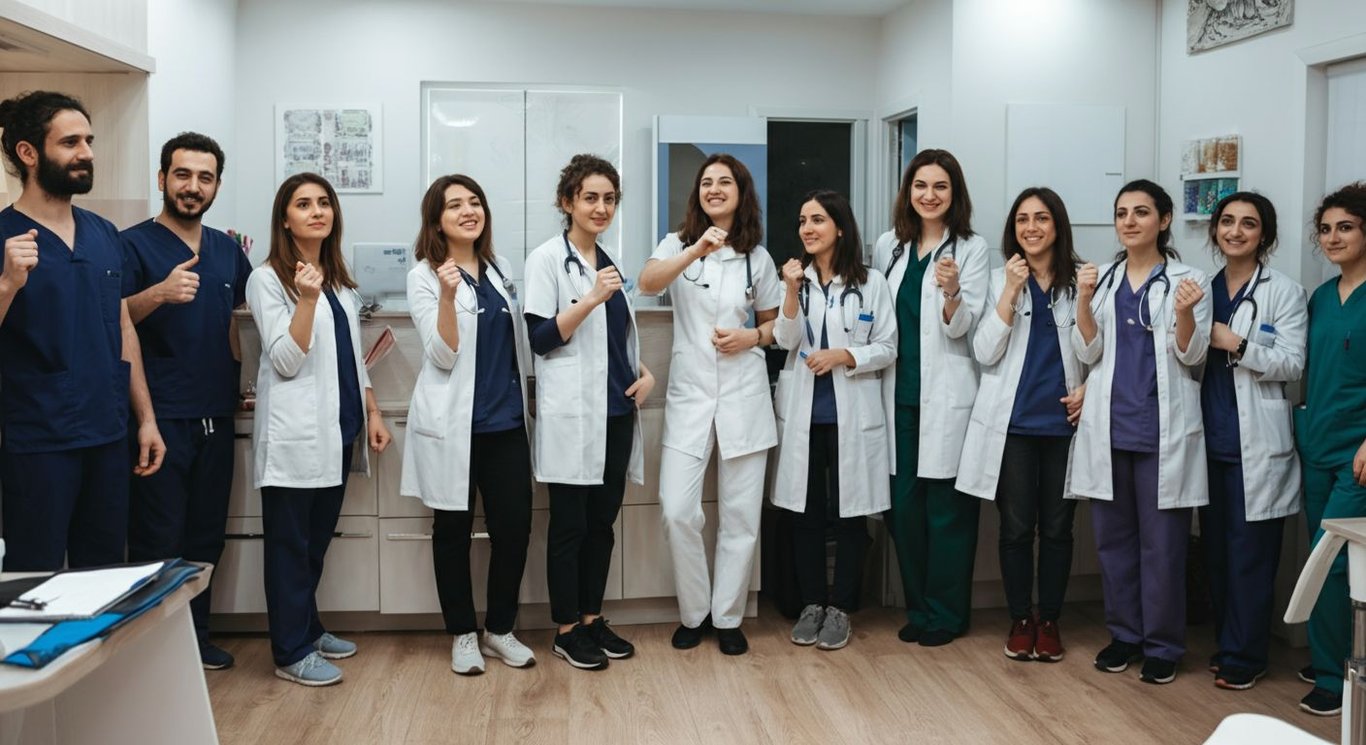
Adopting these strategies will enrich cultural exchanges and demonstrate genuine respect. Companies like estethica exemplify this by ensuring their staff are well-versed in culturally sensitive communication, enhancing the experience for international clients and fostering a welcoming atmosphere.
Beyond 'Hello': Exploring Diverse Salutations Around the Globe
The Cultural Significance Behind Global Greetings
The world presents a rich variety of greetings, far beyond the simple "hello." In French-speaking regions, "Bonjour" conveys warmth, while "Aloha" in Hawaiian embodies affection. These greetings offer valuable insight into societal values. Exploring the Spanish "Hola" reveals its role in initiating friendly exchanges, while the Zulu's "Sawubona" emphasizes recognition and connection. Each expression serves not just as a greeting, but as a cultural touchstone reflecting traditions and shared values. Understanding greetings provides a window into a community’s soul. Almost 70% of initial impressions are shaped by the greeting used, highlighting its importance in forming relationships and respecting cultural nuances. This initial exchange is crucial in both personal and professional contexts.
Examples of Salutations Reflecting Cultural Values
- "Bonjour" in France: Much more than just "hello," it implies a wish for a good day and reflects French etiquette.
- "Aloha" in Hawaii: Embraces love, peace, and affection, shaping interactions with warmth and openness.
- "Sawubona" in Zulu: Acknowledges the individual and their importance, fostering deep connections.
Navigating Global Introductions: A Practical Guide
- Learn Basic Phrases: Knowing "hello" in different languages breaks barriers and shows respect. For example, understanding that "merhaba" is a friendly greeting in Turkish culture can significantly improve interactions.
- Observe Body Language: Cultural norms dictate posture, eye contact, and gestures during greetings. Adapting these norms shows cultural intelligence.
- Use Titles Respectfully: Addressing people by appropriate titles displays respect and understanding of social hierarchies.

Greetings for Success: Formal Introductions in Business Settings
Mastering First Impressions in International Business
In the global business arena, initial greetings are pivotal for establishing trust and fostering lasting relationships. For instance, in Germany, a firm handshake is more than a formality; it indicates respect and sincerity. Moreover, titles are commonly used to address individuals, underscoring the importance of protocol. In contrast, when offering a "welcome" in China, a gentle handshake accompanied by a slight bow shows regard for hierarchy and relationship value. Using titles and last names in communications reflects respect and aids in building a strong professional connection. Cultural awareness in business greetings can increase success rates by up to 60%, emphasizing the worth of adapting to local customs. Recognizing and respecting cultural nuances is key to a successful international partnership.
Key Elements of Professional Greetings
- Respect for Hierarchy: Understanding the relative importance of individuals and reflecting that in greetings.
- Physical Contact: Being aware of differing norms for physical contact, adapting to cultural protocols.
- Formal Language: Using formal language to show respect, especially in initial interactions.
Strategies for Effective Business Introductions
- Research: Research cultures, including greetings and physical contact, before engagement.
- Observe: Carefully watch how locals interact and adapt the greeting style.
- Title Usage: Always use titles appropriately; for instance, understand that "merhaba" is a friendly greeting that initiates conversation.

From Merhaba to AI Greetings: The Evolution of Saying 'Welcome'
The Transformation of Greetings in the Digital Era
The transition from traditional greetings like 'merhaba', which signifies warmth in Turkish culture, to AI-driven interactions shows how technology influences human connection. Today's AI systems personalize greetings and adapt them to different cultural contexts, enhancing user experience. Automated communications now commonly use virtual assistants to offer customized "hello" messages, creating relevant and user-focused dialogues. Innovations are bridging the gap between digital interactions and authentic human warmth. As cultures increasingly engage online, the role of AI in crafting culturally relevant and friendly introductions becomes more pivotal. Approximately 65% of customers prefer personalized greetings, illustrating the value of AI in adapting to user needs and cultural preferences. This shift supports wider acceptance and satisfaction in digital environments.
Benefits of AI-Enhanced Greetings
- Personalization: Tailoring "welcome" messages based on data analytics to meet the expectations of diverse audiences.
- Efficiency: Automating greetings across channels ensures instant and consistent brand interactions.
- Global Reach: Adapting "salutations" to resonate effectively with different cultures, thereby enhancing overall engagement.
Strategies for Integrating AI in Modern Greetings
- Customization Algorithms: Implement AI tools to enhance "introductions" based on individual preferences, making interactions more personal and relevant.
- Multilingual Support: Use machine learning models for accurate translations that honor the linguistic diversity of your audience, thereby enhancing the welcoming experience.
- Cultural Sensitivity Training: Educate AI on cultural nuances to ensure "etiquette" and respect in automated communications.
AI-Driven Cultural Adaptation: Enhancing Global Greetings
Commitment to Personalized and Respectful Engagement Worldwide
Frequently Asked Questions
Why is understanding different greetings important?
How do formal greetings differ in international business settings?
What role does AI play in the evolution of greetings?
What are some key elements to consider in cross-cultural introductions?
Ready to discover your healthy beauty potential with estethica's expert team?
📞 Book Your Free Consultation!