


Explore the facelift revolution and find out how you can achieve a naturally youthful appearance with advanced treatments in facial rejuvenation.
Discover the latest innovations in facelift procedures, empowering you to embrace a more youthful and vibrant appearance. This guide explores the key aspects of facial rejuvenation, offering both surgical and non-surgical options tailored to your needs.
Decoding Facial Rejuvenation: Beyond the Years
Understanding the Facelift Procedure
Facial rejuvenation through a facelift, technically known as a rhytidectomy, is designed to address visible signs of aging. This cosmetic surgery involves repositioning underlying tissues and skin to restore a more youthful contour. The process typically includes the removal of excess skin and the tightening of facial muscles, which helps to smooth wrinkles and reduce sagging. Patients often seek this procedure to counteract the effects of gravity, sun exposure, and the natural loss of elasticity that occur over time.
Facelifts are highly customizable, with different techniques targeting specific areas such as the mid-face, lower face, or neck. For instance, a mini facelift focuses on less extensive corrections, while a traditional facelift addresses more significant aging concerns. According to recent studies, patients who undergo facial rejuvenation report a marked improvement in their perceived age and overall satisfaction with their appearance. This highlights the potential of facelifts not only to enhance physical attributes but also to improve psychological well-being.
- Customized Approach: Tailored to individual needs and facial structure for optimal results.
- Comprehensive Rejuvenation: Addresses multiple signs of aging, including wrinkles and sagging skin.
- Long-lasting Effects: Provides enduring improvements that can last for many years.
Benefits of Facial Rejuvenation
Facial rejuvenation offers a multitude of benefits beyond aesthetic improvements. A primary advantage is the significant boost in self-confidence and emotional well-being. By addressing visible signs of aging, individuals often feel more comfortable and secure in their appearance, which can positively impact social interactions and professional opportunities. Moreover, facial rejuvenation can correct specific issues such as deep creases, jowls, and a tired facial appearance, leading to a more refreshed and vibrant look.
Additionally, advancements in cosmetic surgery have made facelift procedures safer and more effective. Modern techniques often involve smaller incisions and less invasive methods, resulting in reduced recovery times and minimized scarring. For example, the use of dermal fillers and other non-surgical options can complement surgical facelifts, providing a more comprehensive approach to facial enhancement. These advancements ensure that patients can achieve natural-looking results while experiencing minimal discomfort.
- Enhanced Self-Esteem: Boosts confidence by improving overall facial appearance.
- Corrected Aging Signs: Reduces wrinkles, sagging skin, and deep creases for a more youthful look.
- Improved Facial Harmony: Balances facial features for a more aesthetically pleasing result.

Rhytidectomy Realities: What to Expect From a Facelift
Navigating the Facelift Recovery Timeline
Understanding the recovery timeline is crucial for anyone considering a rhytidectomy. The initial recovery period typically lasts several weeks, during which patients may experience swelling, bruising, and discomfort. Pain management is essential, and surgeons often prescribe medication to alleviate any pain. It's also important to keep the head elevated and apply cold compresses to minimize swelling. The first few days are usually the most challenging, with noticeable improvements occurring gradually thereafter.
As the healing progresses, patients can begin to resume light activities, but strenuous exercise and heavy lifting should be avoided for several weeks to prevent complications. Follow-up appointments with the surgeon are necessary to monitor healing and address any concerns. While the visible signs of surgery, such as bruising, fade within a few weeks, the deeper tissues continue to heal for several months. Therefore, patience and adherence to post-operative instructions are key to achieving the best possible outcome from a facelift.
- Immediate Post-Op Care: Focuses on managing swelling and pain with prescribed medication.
- Gradual Resumption of Activities: Light activities can be resumed after a few weeks, avoiding strenuous exercise.
- Long-Term Healing: Deeper tissues heal over several months, requiring ongoing care and patience.
Assessing the Risks and Potential Outcomes
Like all surgical procedures, a facelift carries certain risks. These can include infection, bleeding, nerve damage, and adverse reactions to anesthesia. Choosing a qualified and experienced surgeon is paramount to minimizing these risks. During the consultation process, surgeons thoroughly evaluate the patient's medical history and discuss potential complications. It's important for patients to have realistic expectations about the outcomes of the surgery. While a facelift can significantly improve facial appearance, it cannot completely stop the aging process.
The success of a facelift depends on various factors, including the patient's skin elasticity, underlying bone structure, and overall health. For example, individuals with good skin elasticity tend to achieve more noticeable and longer-lasting results. Regular skincare and a healthy lifestyle can also help maintain the benefits of the surgery. Ultimately, a well-informed patient who understands both the potential risks and the expected outcomes is more likely to be satisfied with the results of their facial rejuvenation.
- Qualified Surgeon: Minimizes risks through expertise and careful patient evaluation.
- Realistic Expectations: Understands the limitations and potential outcomes of the surgery.
- Healthy Lifestyle: Maintains results with good skincare and overall health practices.
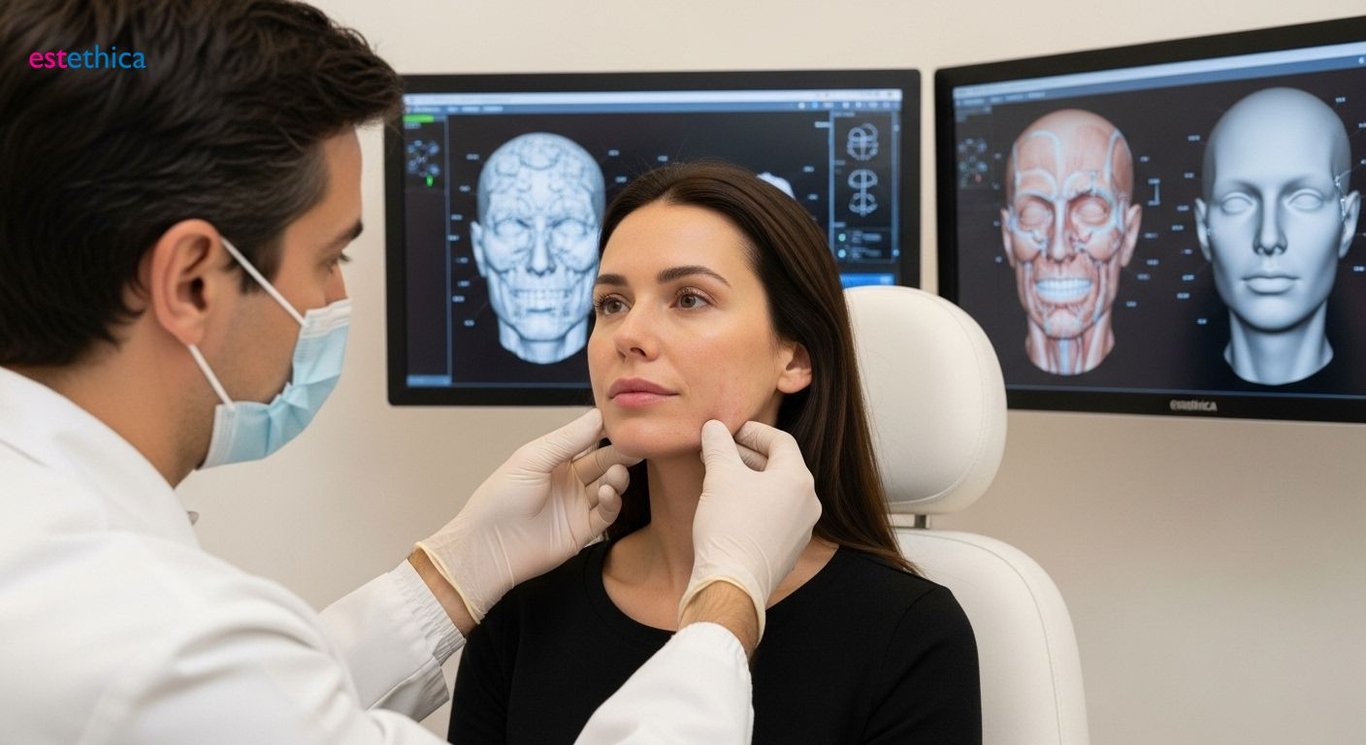
Non-Surgical Facelift Options: Are They Right For You?
Exploring High-Intensity Focused Ultrasound (HIFU)
High-Intensity Focused Ultrasound, or HIFU, is emerging as a popular non-surgical alternative for facial rejuvenation. This technology uses focused ultrasound waves to target deep layers of the skin, stimulating collagen production without damaging the skin's surface. The result is a gradual tightening and lifting effect, making it an appealing option for those seeking subtle enhancements. HIFU treatments typically take between 30 to 90 minutes, and most individuals require only one to two sessions to achieve noticeable improvements.
Unlike traditional surgical facelifts, HIFU involves minimal downtime, allowing patients to return to their daily activities almost immediately. Some may experience mild redness or swelling, but these side effects usually subside within a few hours. HIFU is particularly effective for lifting sagging skin around the cheeks, jawline, and neck, providing a more defined and youthful appearance. For example, a person with early signs of jowling might find HIFU a beneficial option to restore a more contoured jawline. As a non-invasive procedure, HIFU represents a significant advancement in cosmetic facial rejuvenation.
- Non-Invasive Nature: Stimulates collagen without incisions.
- Minimal Downtime: Allows immediate return to daily activities.
- Targeted Lifting: Effectively tightens skin on cheeks, jawline, and neck.
Understanding Thread Lifts and Their Benefits
Thread lifts offer another innovative approach to non-surgical facial rejuvenation, providing a lifting effect through the insertion of dissolvable threads beneath the skin. These threads, typically made of materials like PDO (polydioxanone), have small barbs or cones that grip the skin, allowing the practitioner to lift and reposition sagging tissues. The procedure is minimally invasive, performed under local anesthesia, and usually takes less than an hour.
Thread lifts are particularly effective for addressing mild to moderate sagging in the mid-face, brow, and neck areas. The threads not only provide an immediate lift but also stimulate collagen production over time, enhancing skin firmness and elasticity. Patients often appreciate the quick recovery and natural-looking results. For instance, someone experiencing drooping eyebrows might opt for a thread lift to achieve a more lifted and refreshed appearance without undergoing extensive surgery. Thread lifts represent a compelling option for those seeking subtle yet noticeable facial enhancements.
- Immediate Lifting Effect: Repositions sagging tissues for a more youthful look.
- Collagen Stimulation: Enhances skin firmness and elasticity over time.
- Quick Recovery: Allows patients to return to normal activities shortly after the procedure.

Finding Your Best Facelift Surgeon: A Critical Guide
Essential Qualifications and Credentials
Selecting a qualified and experienced facelift surgeon is pivotal for achieving the desired results. Begin by verifying that the surgeon is board-certified by a recognized medical board. This certification ensures that the surgeon has completed extensive training and has passed rigorous examinations in cosmetic and reconstructive surgery. Additionally, it is important to confirm that the surgeon has specific expertise in facial procedures. A surgeon with a focus on facial rejuvenation is more likely to be up-to-date with the latest techniques and technologies, leading to better outcomes.
Patient testimonials and before-and-after photos of past procedures provide valuable insights into the surgeon's skills and aesthetic sense. Look for consistent, positive feedback regarding the surgeon's professionalism, attention to detail, and the quality of results. Before-and-after photos should demonstrate natural-looking improvements that align with your aesthetic goals. Open communication is another critical factor. The surgeon should be willing to listen to your goals and concerns, provide honest assessments, and explain the procedure in detail, ensuring you are fully informed and comfortable with the process. For example, a surgeon who takes the time to understand your specific desires and offers realistic expectations is more likely to deliver satisfactory results.
- Board Certification: Ensures the surgeon has met rigorous standards of training and expertise.
- Patient Testimonials: Provide insights into the surgeon's professionalism and patient satisfaction.
- Before-and-After Photos: Offer visual evidence of the surgeon's skill and aesthetic outcomes.
Evaluating Experience and Communication Style
Beyond qualifications, the surgeon's experience and communication style are crucial for a successful facelift. An experienced surgeon has likely performed a high volume of facelift procedures, which translates to refined surgical skills and the ability to handle unexpected challenges. Inquire about the number of facelifts the surgeon performs annually and their experience with different facelift techniques, such as mini facelifts, SMAS facelifts, or deep plane facelifts. A surgeon proficient in multiple techniques can tailor the procedure to your specific needs and anatomy.
Effective communication is equally important. During the initial consultation, the surgeon should clearly explain the procedure, potential risks, and expected recovery process. They should also be willing to answer all your questions and address any concerns you may have. A good surgeon will also provide detailed pre- and post-operative instructions to ensure a smooth recovery. For instance, a surgeon who thoroughly explains the potential for nerve damage and how they minimize this risk demonstrates a commitment to patient safety and transparency. Ultimately, choosing a surgeon with both extensive experience and excellent communication skills can significantly enhance your comfort and confidence throughout the entire process of facial rejuvenation.
- Surgical Volume: Indicates the surgeon's level of experience and proficiency.
- Technique Versatility: Allows for a customized approach tailored to individual needs.
- Transparent Communication: Ensures you are well-informed and comfortable with the process.
HIFU and Thread Lifts: Non-Surgical Facelift Innovations for Targeted Rejuvenation
estethica employs High-Intensity Focused Ultrasound (HIFU) to stimulate collagen production in deep skin layers, providing a non-invasive lifting effect without surface damage. Thread lifts offer an alternative, using dissolvable threads to lift and reposition sagging tissues, stimulating collagen for enhanced skin firmness and elasticity.
estethica's surgeons possess extensive training in advanced facial rejuvenation techniques, ensuring patients receive the most effective and appropriate non-surgical treatments. Their expertise in both HIFU and thread lift procedures allows for customized treatment plans tailored to individual needs, delivering natural-looking results with minimal downtime.
Personalized Facelift Procedures Ensuring Patient Comfort and Satisfaction
estethica prioritizes patient comfort and satisfaction through personalized facelift procedures tailored to individual needs and facial structure. Surgeons provide detailed pre- and post-operative instructions, ensuring a smooth recovery and optimal results.
Patients at estethica report high levels of satisfaction with their facelift outcomes, noting significant improvements in self-confidence and overall facial appearance. The hospital's commitment to ethical values and patient safety ensures a positive and transformative experience.
Frequently Asked Questions
What is a Facelift and what does it address?
What are the different types of Facelift procedures available?
What is the recovery process like after a Facelift?
What are non-surgical alternatives to a traditional Facelift?
How do I choose the best surgeon for my Facelift procedure?
Achieve your aesthetic goals with estethica's expert guidance.
📞 Call Now for a Free Consultation!