


Comprehensive guide to blepharoplasty, covering recovery, candidacy, types of eyelid surgery, and visual results.
Considering a change to refresh your appearance? Eyelid surgery, commonly known as blepharoplasty, offers a way to address drooping eyelids, puffy bags, and wrinkles, restoring a more youthful and rested look. This comprehensive guide delves into the intricacies of eyelid surgery, covering everything from understanding the recovery process and identifying ideal candidates to exploring specific procedures like upper eyelid lifts and ptosis repair. We'll also showcase the transformative results through blepharoplasty before and after photos, helping you make an informed decision about this popular cosmetic procedure.Eyelid Surgery Recovery Process Explained
Embarking on the journey of eyelid surgery, or blepharoplasty, involves understanding what to expect during the recovery phase. Immediately following your procedure, it's common to experience some swelling, bruising, and mild discomfort around the eyes. These are normal reactions as your body begins to heal. To manage these symptoms effectively, cold compresses applied gently to the area and prescribed pain medication can be incredibly helpful. Rest is paramount during this initial period.
Initial Recovery and Managing Discomfort
Most patients find that the most significant swelling and bruising begin to subside within the first week or two after the surgery. During this time, it's crucial to keep your head elevated, even while sleeping, to minimize fluid buildup. Avoiding strenuous activities, heavy lifting, and bending over is also strongly recommended to prevent increasing pressure around the surgical sites. Furthermore, refraining from wearing eye makeup is essential until your surgeon gives you the green light, typically after your follow-up appointments. This allows the incisions to heal properly without irritation. For a more in-depth look at the procedure itself and its potential benefits, you can explore Blepharoplasty: Eyelid Surgery for a Renewed Appearance.
Ongoing Healing and Final Results
While the most visible signs of recovery diminish relatively quickly, the healing process continues for several weeks. Subtle improvements in the appearance of your eyelids will become more apparent as any residual swelling fully resolves. It's vital to follow your surgeon's specific post-operative instructions meticulously. This adherence is key to ensuring a smooth recovery and minimizing the risk of any complications. Your surgeon will provide a clear timeline and guidance on when it's safe to gradually resume your normal daily activities, including exercise routines. Patience is a virtue throughout this process; the final, refined results of your eyelid surgery truly become evident over time as your body completes its natural healing cycle.

Best Candidates for Blepharoplasty
Deciding if you're a good candidate for a cosmetic procedure like eyelid surgery involves more than just wanting to improve your appearance. The ideal individual for blepharoplasty typically enjoys good overall health and does not suffer from any underlying medical conditions that might complicate healing or increase surgical risks. A thorough understanding of what the procedure can and cannot achieve is also crucial. Many patients seeking this enhancement are concerned about excess, drooping skin on their upper eyelids, which can sometimes impair vision, or the presence of fatty deposits and noticeable bags beneath their eyes. Fine wrinkles and excess skin on the lower eyelids are also common concerns addressed by this surgery.
Physical and Psychological Suitability
Physically, individuals experiencing these aesthetic concerns are often excellent candidates for blepharoplasty. It's important to note that these issues are frequently hereditary and not solely a result of aging. While age can contribute to skin laxity, genetic predisposition plays a significant role in the development of droopy eyelids and under-eye bags. Patients considering this procedure must possess realistic expectations about the outcomes. It's vital to understand that eyelid surgery primarily targets the appearance of the eyelids themselves, aiming to create a more refreshed and youthful look. It generally does not address fine lines around the eyes, often referred to as crow's feet, or deeper frown lines.
Psychologically, being ready for surgery means having a clear vision of the results and understanding the commitment involved. Reviewing blepharoplasty before and after photos can be very helpful in visualizing potential outcomes and discussing them with your surgeon. Maintaining a stable weight is also beneficial, as significant weight fluctuations can affect the results over time. Furthermore, being a non-smoker significantly improves healing and reduces surgical risks. For a comprehensive evaluation and to determine if you are among the best candidates for blepharoplasty, a detailed consultation with a qualified plastic surgeon is paramount. This discussion will cover your specific concerns, aesthetic goals, and medical history, ensuring a safe and satisfactory experience. To learn more about the general aspects of this procedure, you can refer to Blepharoplasty: Your Guide to Eyelid Surgery.
Understanding Your Concerns
During your consultation, you'll have the opportunity to discuss specific concerns, whether it's the heaviness of your upper eyelids or the puffiness of your lower lids. Examining blepharoplasty before and after photos together can provide a clearer picture of what can be achieved. The surgeon will assess the condition of your skin, muscle tone, and fat distribution around your eyes. This personalized assessment is key to tailoring the procedure to your unique needs and ensuring the best possible results. Remember, the goal is to enhance your natural features and achieve a harmonious, rejuvenated appearance.
Upper Eyelid Lift & Ptosis Repair
The upper eyelid lift is a cornerstone procedure within cosmetic eyelid surgery, dedicated to rejuvenating the appearance of the upper eye region. This common intervention effectively addresses excess, sagging skin that can contribute to a tired look and, in more significant cases, even impede vision. It's a procedure designed to restore a more youthful and refreshed appearance.
When the drooping of an upper eyelid is caused by a weakened muscle that controls its position, a complementary procedure known as ptosis repair may be necessary. This can be performed in conjunction with, or as an integral part of, the upper eyelid lift. Ptosis is a medical condition that affects one or both eyes, resulting in the upper eyelid falling lower than its natural resting place. By tackling both the excess skin and any underlying muscle issues, a comprehensive approach involving an upper eyelid lift and potential ptosis repair can significantly restore a more alert, balanced, and aesthetically pleasing look to the eyes.
Addressing Both Aesthetics and Function
The surgical techniques employed for this type of eyelid surgery are tailored to the individual's specific needs. The primary aim is to sculpt a natural and harmonious contour to the eye area, ensuring that the results enhance, rather than drastically alter, the individual's natural features. For those experiencing functional impairment due to ptosis, the surgical goal extends beyond cosmetic improvement to include restoring proper eyelid function and improving the field of vision. The overall objective is to achieve results that are both aesthetically pleasing and functionally beneficial, leading to a more confident and comfortable patient.
Key Considerations for Upper Eyelid Procedures
When considering cosmetic eyelid surgery for the upper lids, it's important to understand the distinct goals of each potential component. An upper eyelid lift primarily focuses on removing excess skin and fat, whereas ptosis correction targets the muscle responsible for lifting the eyelid. While often performed together, their individual indications differ.
Understanding these distinctions is crucial when discussing your desired outcomes with your surgeon. The combination of these procedures offers a comprehensive solution for various concerns related to the upper eyelids, contributing to a revitalized and more functional eye area. This type of blepharoplasty can yield remarkable improvements.
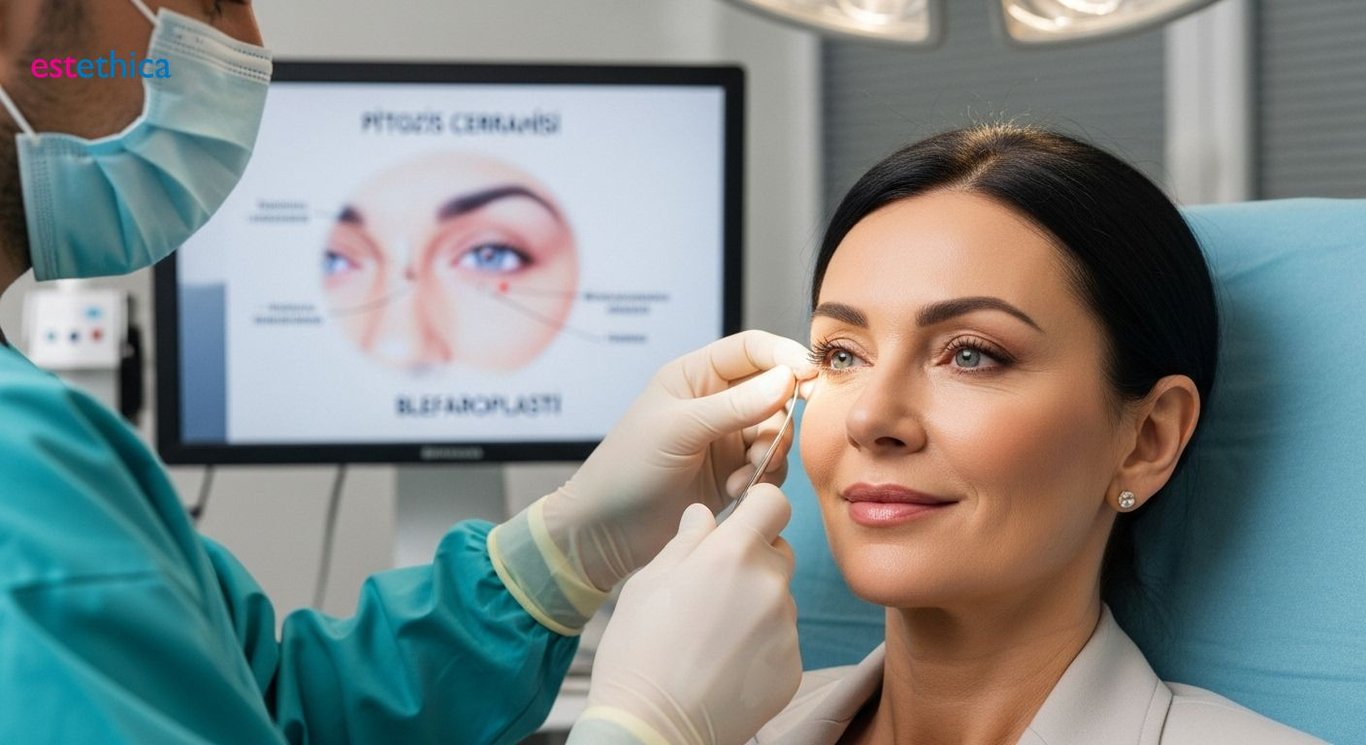
Blepharoplasty Before and After Photos
Visual evidence is a powerful tool when considering any cosmetic procedure, and blepharoplasty is no exception. Reviewing blepharoplasty before and after photos allows prospective patients to see the tangible results of the surgery. These images showcase the dramatic improvements that can be achieved in addressing concerns such as hooded eyelids, under-eye bags, and general signs of aging around the eyes. By examining these visual transformations, individuals can gain a clearer understanding of the potential outcomes and how eyelid surgery can enhance their facial features.
Understanding the Visual Impact
When you explore collections of blepharoplasty before and after photos, you'll notice a consistent theme: rejuvenation. The skin around the eyes, often the first area to show signs of fatigue and aging, can appear significantly smoother and more youthful. For those bothered by drooping upper eyelids that can obscure vision or create a perpetually tired appearance, the "after" shots often reveal a more open, alert, and lifted look. Similarly, the reduction of puffiness and under-eye bags in the post-operative images demonstrates the effectiveness of this procedure in creating a more rested and refreshed facial appearance. These before and after comparisons provide a realistic preview of what can be accomplished, helping you visualize the potential changes to your own appearance.
Tailoring Expectations Through Imagery
It's important to look at a variety of photos to appreciate the range of results and how they are tailored to individual patient needs. Not everyone's aging process or desired outcome is the same. Some individuals may require adjustments to both the upper and lower eyelids, while others might focus solely on one area. The diversity in these images highlights the personalized nature of the procedure. Discussing your desired outcomes based on these examples during your consultation can help your surgeon align their approach with your aesthetic goals, ensuring you have realistic expectations for your own blepharoplasty journey. Seeing these transformations firsthand is an invaluable step in making an informed decision about whether this type of cosmetic enhancement is the right choice for you.

Expert Blepharoplasty Techniques for Enhanced Eyelid Aesthetics and Function
This guide delves into the intricacies of blepharoplasty, commonly known as eyelid surgery, offering specialized insights into upper eyelid lifts and ptosis repair. We detail the surgical techniques tailored to individual needs, addressing both aesthetic concerns and functional improvements for a refreshed appearance.
Our expertise extends to managing the eyelid surgery recovery process, providing clear explanations of what to expect from initial healing to final results. We guide patients through effective methods for managing discomfort and ensuring optimal outcomes.
With a focus on comprehensive patient education, this content highlights the importance of understanding the procedure, from risks to benefits. We present detailed information to empower individuals in making informed decisions about their eyelid rejuvenation journey.
We showcase the transformative power of blepharoplasty through illustrative before and after photos, offering a visual testament to successful outcomes and patient satisfaction. These examples help in understanding the potential impact and tailoring expectations.
Trustworthy Eyelid Surgery Guidance: From Candidate Selection to Visible Results
We offer a transparent look at the eyelid surgery recovery process, detailing initial discomfort management and ongoing healing phases. This clarity helps build trust by setting realistic expectations and outlining a clear path to recovery.
Understanding your concerns is paramount; whether it's heaviness of upper eyelids or puffiness of lower lids, our guide addresses these specific issues. We discuss upper eyelid lifts and ptosis repair, clarifying how these procedures restore both aesthetics and function.
The visual impact of blepharoplasty is best understood through before and after photos, which we present to demonstrate potential outcomes. These images are crucial for tailoring expectations and appreciating the effectiveness of the surgery.
Our commitment is to provide reliable information on all aspects of eyelid surgery, including potential risks and the factors contributing to successful blepharoplasty. This ensures patients are fully informed and can proceed with confidence.