


Eyelid surgery is your go-to solution for refreshing your eyes and enhancing your vision. Discover the benefits today.
Eyelid surgery, also known as blepharoplasty, is a transformative procedure designed to rejuvenate the appearance of tired and aged eyes. This cosmetic operation involves removing excess skin, muscle, and sometimes fat from the eyelids to enhance the eye area and provide a more youthful appearance. Especially for those seeking a refreshed look or addressing functional concerns like droopy eyelids obstructing vision, eyelid surgery can offer significant benefits. This guide explores everything you need to know about eyelid surgery, including the distinctions between upper and lower eyelid procedures, recovery expectations, and more.
Cosmetic Eyelid Surgery: Tailoring the Procedure to Your Unique Needs
Understanding the Nuances of Eyelid Surgery
Cosmetic eyelid surgery, also known as blepharoplasty, is a personalized procedure designed to address specific concerns related to the upper and lower eyelids. The approach is not standardized; instead, it's carefully tailored to each patient's unique facial anatomy and aesthetic aspirations. For example, someone seeking upper eyelid surgery might be focused on alleviating drooping skin that impairs vision, while another individual may desire lower eyelid surgery to reduce the appearance of under-eye bags. The goal is to enhance the overall appearance of the eyes while ensuring functional improvements where necessary. According to recent studies, personalized approaches in cosmetic surgery lead to higher patient satisfaction rates.
- Individualized Assessment: Each patient undergoes a comprehensive evaluation to determine the most suitable surgical technique.
- Customized Treatment Plan: The surgical plan is tailored to address specific concerns, whether functional or cosmetic.
- Precise Adjustments: Surgeons make precise adjustments to achieve natural-looking results that complement the patient's facial features.
Upper vs. Lower Eyelid Surgery: A Detailed Comparison
The distinction between upper and lower eyelid surgery lies in the specific issues they target and the techniques employed. Upper eyelid surgery typically involves removing excess skin and fat to correct drooping eyelids, which can sometimes obstruct vision. This procedure aims to create a more open and youthful appearance. In contrast, lower eyelid surgery focuses on reducing puffiness and bags under the eyes, often involving repositioning or removing fat and tightening the skin. For instance, an individual with significant under-eye bags might benefit from a lower blepharoplasty to achieve a smoother, more refreshed look. It's estimated that about 60% of blepharoplasty procedures involve both upper and lower eyelids to achieve comprehensive rejuvenation.
- Upper Eyelid Surgery: Addresses sagging skin and vision impairment by removing excess tissue.
- Lower Eyelid Surgery: Reduces puffiness and under-eye bags through fat repositioning and skin tightening.
- Combined Approach: Some patients benefit from both procedures for comprehensive eye rejuvenation.

Upper Eyelid Lift vs. Lower Eyelid Surgery: Understanding the Differences
Distinct Goals of Upper and Lower Eyelid Procedures
The primary focus of an upper eyelid lift, technically known as blepharoplasty, is to eliminate excess skin that hangs over the eye, potentially impairing vision. This procedure often involves removing or tightening the skin and underlying muscles to create a more open and youthful appearance. In contrast, lower eyelid surgery is mainly concerned with addressing under-eye bags by removing or repositioning fat. For instance, an individual with heavy, drooping upper eyelids might opt for an upper eyelid lift to improve their field of vision and achieve a rejuvenated look. According to the American Society of Plastic Surgeons, blepharoplasty is one of the top five cosmetic surgical procedures performed annually.
- Upper Eyelid Lift: Focuses on removing excess skin and improving vision.
- Lower Eyelid Surgery: Targets under-eye bags by removing or repositioning fat.
- Personalized Approach: Each procedure is tailored to meet the individual's needs.
Customizing Eyelid Surgery for Optimal Results
Both upper and lower eyelid surgeries are highly customizable to address the specific needs and aesthetic goals of each patient. During the consultation process, the surgeon assesses the patient's facial anatomy, skin quality, and the extent of excess skin or fat to determine the most appropriate surgical technique. For example, someone with minimal upper eyelid drooping might benefit from a less invasive procedure, while another individual with significant under-eye bags may require more extensive fat repositioning. The goal is to achieve natural-looking results that enhance the patient's overall appearance. It's estimated that about 85% of patients who undergo cosmetic eyelid surgery report satisfaction with the results.
- Comprehensive Assessment: Surgeons evaluate facial anatomy and skin quality.
- Tailored Techniques: Procedures are customized to address specific concerns.
- Natural Results: The aim is to enhance appearance while maintaining natural look.
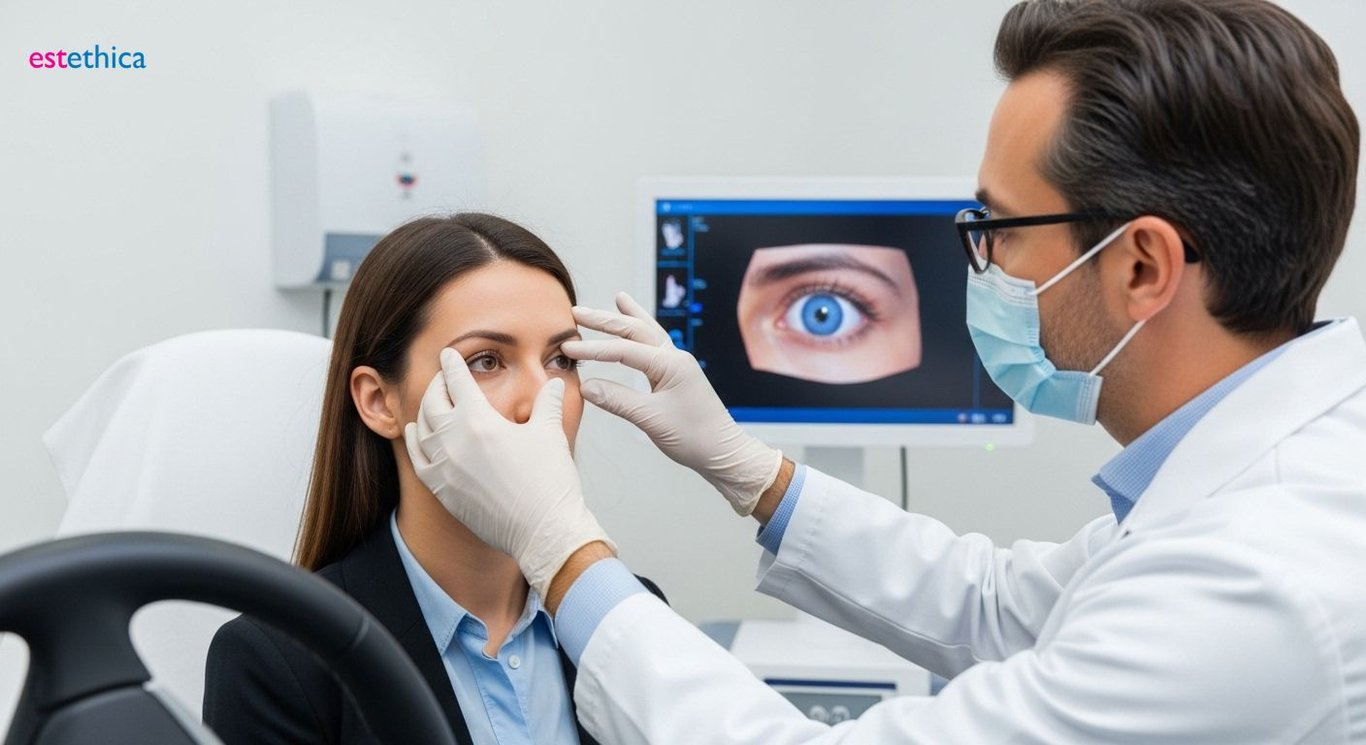
Eyelid Correction: Addressing Functional and Aesthetic Concerns
Blending Functional Needs with Aesthetic Desires in Eyelid Surgery
Eyelid correction, often sought to address both functional and aesthetic concerns, offers a dual benefit that enhances vision and appearance. Many individuals find that excess skin on the upper eyelids obstructs their field of vision, leading to eye strain and discomfort. Removing this excess skin not only improves eyesight but also provides a more youthful and refreshed look. For instance, someone experiencing difficulty reading or driving due to drooping eyelids might discover significant relief and an aesthetic boost through eyelid correction. This procedure is particularly favored among older adults seeking to restore a more vibrant appearance. According to a survey, approximately 70% of patients seek eyelid surgery for both functional and aesthetic reasons.
- Improved Vision: Removal of excess skin enhances the field of vision.
- Youthful Appearance: Refreshes the face for a more rejuvenated look.
- Dual Benefit: Addresses both functional and aesthetic concerns simultaneously.
The Impact of Eyelid Correction on Overall Facial Aesthetics
Eyelid correction can significantly impact overall facial aesthetics by creating a more balanced and harmonious appearance. The eyes are a central feature of the face, and their appearance can greatly influence how one is perceived. By addressing issues such as drooping eyelids, under-eye bags, and wrinkles around the eyes, eyelid correction can restore a more youthful and alert look. For example, an individual who feels their tired-looking eyes convey a false impression of fatigue might find that eyelid surgery helps them appear more energetic and approachable. It's estimated that about 50% of people consider the eyes the most important feature when assessing facial attractiveness.
- Balanced Appearance: Creates harmony between facial features.
- Youthful Look: Restores a more vibrant and energetic appearance.
- Enhanced Confidence: Improves self-esteem by addressing aesthetic concerns.

Beyond the Incision: What to Expect During Eyelid Surgery Recovery
Navigating the Initial Days Post-Eyelid Surgery
The initial recovery phase following eyelid surgery is crucial for achieving optimal results and minimizing complications. Patients typically experience some degree of swelling and bruising around the eyes, which is a normal part of the healing process. Keeping the head elevated and applying cold compresses can significantly reduce these effects. For example, using ice packs for 15-20 minutes every hour during the first 48 hours can help to constrict blood vessels and minimize swelling. It's also important to avoid strenuous activities and follow the surgeon's instructions regarding medication and wound care. Approximately 80% of patients report that swelling and bruising subside considerably within the first week.
- Head Elevation: Reduces swelling and promotes drainage.
- Cold Compresses: Minimizes bruising and discomfort.
- Rest and Limited Activity: Prevents complications and aids healing.
Long-Term Recovery and Maintenance After Eyelid Surgery
While the initial recovery period lasts about one to two weeks, complete healing and the final results of eyelid surgery can take several months to become fully apparent. During this time, it's essential to protect the eyes from sun exposure and maintain a healthy lifestyle to support the healing process. Wearing sunglasses and applying sunscreen around the eyes can prevent hyperpigmentation and ensure the longevity of the surgical results. For example, using a broad-spectrum sunscreen with an SPF of 30 or higher is highly recommended. Additionally, following a balanced diet and staying hydrated can promote skin elasticity and overall health. Studies show that proper post-operative care can improve the long-term satisfaction rates by up to 90% among eyelid surgery patients.
- Sun Protection: Prevents hyperpigmentation and maintains results.
- Healthy Lifestyle: Supports skin elasticity and healing.
- Regular Follow-Ups: Ensures proper healing and addresses any concerns.
Precision Eyelid Surgery with Tailored Blepharoplasty Techniques
Minimizing Complications and Optimizing Recovery Post-Eyelid Surgery
Frequently Asked Questions
What is Eyelid Surgery (Blepharoplasty)?
What is the difference between Upper Eyelid Lift and Lower Eyelid Surgery?
What concerns can Eyelid Correction address?
What is involved in the recovery process after Cosmetic Eyelid Surgery?
How is Cosmetic Eyelid Surgery tailored to individual needs?
Ready to discover your healthiest, most beautiful self with estethica's expert guidance?
📞 Book Your Free Consultation!