


Explore the transformative power of eyelid surgery to reclaim your gaze and rediscover a youthful look. Dive into options tailored just for you!
Eyelid surgery, also known as blepharoplasty, is a transformative procedure helping individuals achieve a more youthful and vibrant appearance. Whether motivated by aesthetic desires or functional needs, understanding the options and recovery expectations can significantly enhance patient outcomes. The procedure addresses common issues such as droopy eyelids and eye bags, restoring not only appearance but also confidence. By exploring both surgical and non-surgical approaches, individuals can make informed decisions tailored to their unique needs. This guide will delve into the comprehensive aspects of eyelid surgery, recovery realities, and beyond.
Understanding Upper and Lower Eyelid Surgery Options
Surgical Techniques for Eyelid Enhancement
Upper Eyelid Surgery, often sought to address sagging skin affecting vision, and lower eyelid surgery, designed to reduce puffiness, each involve distinct methods. These techniques range from traditional excisions to advanced laser procedures. For example, the transconjunctival approach in lower blepharoplasty minimizes visible scarring by accessing the fat pads through the inside of the eyelid.
The goal of cosmetic eyelid surgery is to remove excess skin and fat, tighten muscles, and reshape the eyelids for a rejuvenated and natural appearance. In fact, modern methods such as radiofrequency can also be used to tighten the skin during upper eyelid lift.
In roughly 70% of cases, patients report significant satisfaction with the aesthetic and functional improvements following these procedures. Addressing concerns such as how to fix droopy eyelids or correcting dark circles requires a tailored surgical approach based on individual anatomical considerations.
Factors Influencing the Choice of Eyelid Surgery
Choosing between upper and lower eyelid surgery involves consideration of various factors to achieve the desired aesthetic and functional outcomes.
- Functional Needs: Upper eyelid surgery often addresses impaired vision due to sagging skin, ensuring both aesthetic enhancement and improved eyesight.
- Aesthetic Goals: Lower eyelid surgery can reduce the appearance of eye bags or dark circles, helping to rejuvenate the face and create a more rested appearance.
- Individual Anatomy: The unique structure of each patient's eyelids, including skin elasticity and fat distribution, influences the selection of the most appropriate surgical method.
For instance, patients mostly prefer to correct hooded eyes, which might involve removing excess skin and repositioning the brow. The choice of procedure to improve eyelid rejuvenation should align with individual needs and anatomical conditions.
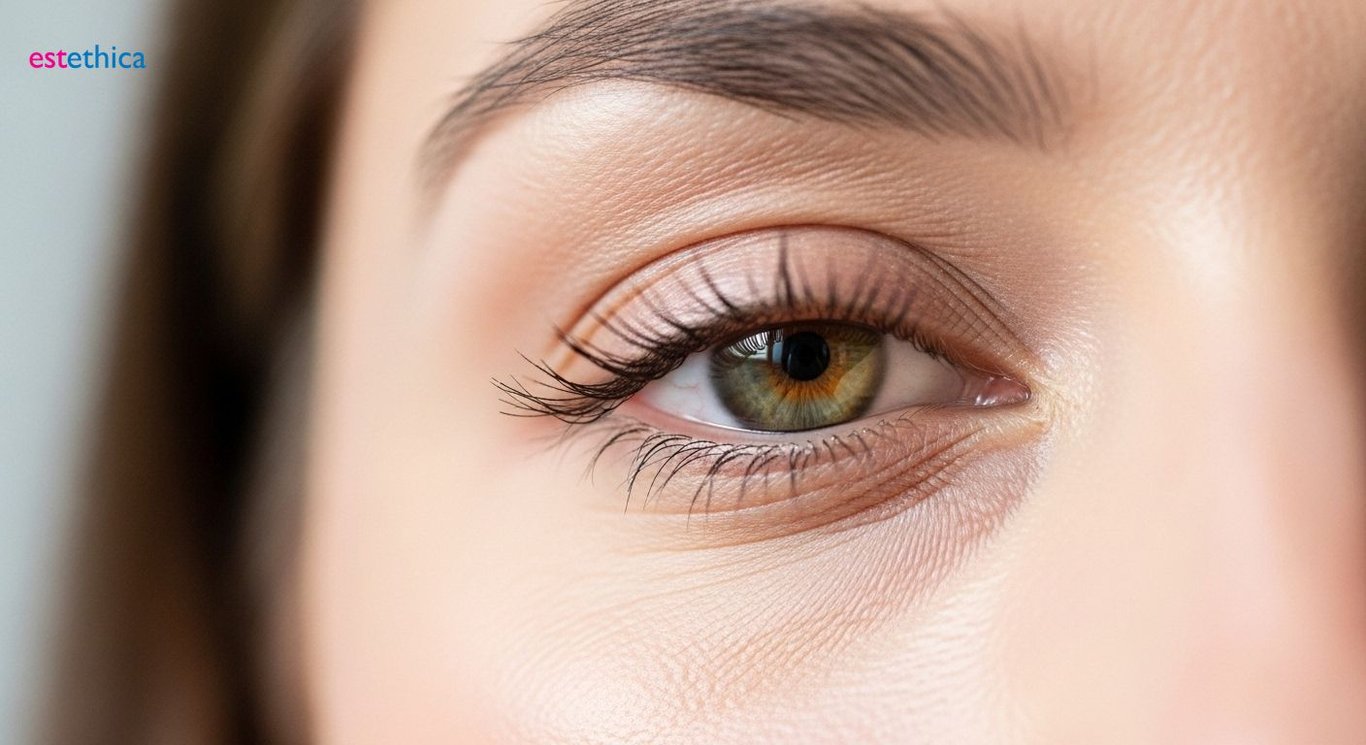
Correcting Droopy Eyelids: Surgical and Non-Surgical Approaches
Non-Surgical Alternatives for Eyelid Correction
For individuals seeking alternatives to surgery, a range of non-invasive treatments can address mild to moderate cases of droopy eyelids. These options typically involve minimal downtime and cater to those who prefer gradual improvements or are not ideal candidates for surgical eyelid rejuvenation.
Injectable fillers, for example, can add volume to the upper eyelid or brow area, providing a subtle lift and reducing the appearance of sagging. Furthermore, laser therapies stimulate collagen production, tightening the skin and improving its texture over time. Many patients also explore non surgical eyelid lift options like radiofrequency treatments to enhance skin tightening with minimal discomfort.
These methods provide temporary enhancements, typically lasting from a few months to a year, offering a less permanent solution compared to eyelid surgery.
Benefits and Limitations of Surgical Versus Non-Surgical Methods
Deciding between surgical and non-surgical approaches involves weighing the distinct advantages and drawbacks of each. Surgical options, such as upper eyelid lift or lower eyelid surgery, generally offer more dramatic and lasting improvements, while non-surgical methods come with a shorter recovery and lower risk profile.
- Longevity: Surgical results can last many years or even be permanent, reducing the need for repeated treatments.
- Intensity: Non-surgical treatments provide subtle enhancements and require ongoing maintenance to sustain effects.
- Recovery: Surgical procedures involve a recovery period with potential swelling and bruising, unlike non-surgical options that allow for immediate return to daily activities.
The choice largely depends on the degree of correction needed and patient preferences regarding invasiveness and downtime. Individuals with minimal drooping might find adequate improvement through fillers or laser treatments, while those with significant sagging may prefer the long-term results of surgery. Ultimately, a qualified specialist at estethica can provide tailored advice based on individual needs, discussing factors like best doctor for eyelid surgery, recovery after lower blepharoplasty.

Recovery Realities: What to Expect After Blepharoplasty
Navigating the Initial Healing Phase after Eyelid Surgery
The immediate aftermath of eyelid surgery involves a period of swelling, bruising, and mild discomfort, which are normal responses to the surgical procedure. During this critical phase, adhering to specific recovery guidelines is essential to optimize healing and minimize potential complications. For instance, applying cold compresses for 15-20 minutes every hour can significantly reduce swelling in the first 48 hours. Keeping the head elevated, even while sleeping, also aids in reducing swelling and promoting fluid drainage.
Patients are typically prescribed medications to manage discomfort and prevent infection. Proper wound care, as instructed by the surgeon, is crucial to avoid complications and ensure optimal healing. Activities that strain the eyes, such as reading or watching television, should be limited to allow the eyes to rest and recover. It's worth noting that nearly 85% of patients report manageable discomfort during the first week, underscoring the effectiveness of prescribed pain management strategies.
Essential Steps for a Smooth Recovery
To ensure a successful recovery following lower eyelid surgery or upper eyelid lift, patients should follow a structured approach that includes both medical care and lifestyle adjustments. Regular follow-up appointments with the surgeon at estethica are necessary to monitor healing progress and address any concerns promptly.
- Medication Adherence: Taking prescribed medications as directed helps manage pain and prevent infections.
- Activity Restrictions: Avoiding strenuous activities and heavy lifting for at least two weeks minimizes the risk of complications.
- Sun Protection: Protecting the eyes from direct sunlight with sunglasses and sunscreen prevents hyperpigmentation and promotes scar healing.
Moreover, maintaining a healthy lifestyle during recovery, including a balanced diet and adequate hydration, supports the body's natural healing processes. estethica's specialists emphasize the importance of adhering to all postoperative instructions to achieve the best possible outcome after cosmetic eyelid surgery.
- Proper Wound Care: Regular and gentle cleaning of the incision sites is crucial.
- Hydration and Diet: Maintaining adequate hydration and a balanced diet supports healing.
- Rest: Getting enough sleep allows the body to recover effectively.
Eyelid Rejuvenation: Beyond Surgery for Tired-Looking Eyes
Exploring Non-Invasive Techniques for Eyelid Enhancement
Beyond surgical interventions like upper eyelid lift and lower eyelid surgery, various non-surgical methods are available for eyelid rejuvenation. Laser resurfacing, for instance, employs focused light beams to remove damaged outer layers of skin, promoting collagen production and reducing wrinkles around the eyes. Chemical peels involve the application of a chemical solution to exfoliate the skin, diminishing age spots and improving overall texture. Targeted skincare treatments using creams and serums with ingredients like retinol and peptides contribute to skin health and hydration.
These treatments can significantly improve skin elasticity and reduce the appearance of fine lines. In fact, a well-formulated skincare regimen can extend the results of surgical procedures and maintain a youthful appearance. These alternatives provide options for those seeking less invasive enhancements, addressing concerns such as how to fix droopy eyelids without surgery and improving the appearance of eyelid surgery for tired eyes.
Maintaining skin health through these methods is an ongoing commitment, contrasting with the usually longer-lasting effects of cosmetic eyelid surgery. Patients often integrate non-surgical techniques to enhance and prolong the benefits of surgical results, such as recovery after lower blepharoplasty, or to avoid surgery altogether. Regular consultations with a skincare professional help tailor treatments to individual needs.
Maximizing Outcomes with Integrated Skincare
To ensure the best possible outcomes in eyelid rejuvenation, integrating advanced treatments with a consistent, targeted skincare routine is essential. This holistic approach not only enhances the immediate results of procedures like upper eyelid surgery but also ensures long-term skin quality and resilience.
- Professional Guidance: The selection and application of appropriate skincare products under the guidance of a dermatologist or aesthetician ensures optimal results.
- Consistent Application: Regular use of targeted treatments helps maintain skin firmness and hydration.
- Sun Protection: Daily use of sunscreen protects the delicate skin around the eyes from UV damage, preserving skin health and minimizing aging signs.
For example, consistent use of sunscreen can prevent hyperpigmentation and collagen breakdown, extending the youthful effects achieved through laser treatments. By combining professional treatments with dedicated skincare, patients can enjoy lasting improvements in the appearance and health of their eyelids.
- Enhanced Texture: Treatments improve skin texture and reduce the appearance of fine lines.
- Maintained Hydration: A consistent skincare routine ensures optimal moisture levels in the skin around the eyes.
- Prevention of Damage: Proactive measures prevent future skin damage and maintain long-term results.
Understanding Blepharoplasty: A Comprehensive Guide
Laser-Precision Blepharoplasty: Advanced Techniques for Natural Eyelid Rejuvenation
estethica utilizes advanced surgical techniques for both upper and lower eyelid surgery, including transconjunctival approaches and radiofrequency skin tightening. These methods minimize scarring and provide a rejuvenated, natural appearance by removing excess skin and fat while tightening muscles.
estethica's plastic surgeons are highly skilled in cosmetic eyelid surgery, tailoring each surgical approach to individual anatomical considerations. Their expertise is critical in achieving optimal aesthetic and functional improvements. Focusing on personalized surgical plans, estethica ensures each patient receives the most effective treatment for conditions such as droopy eyelids and hooded eyes.
Optimized Recovery and Long-Term Results with Integrated Eyelid Rejuvenation Protocols
estethica emphasizes a structured recovery process following blepharoplasty, including medication adherence, activity restrictions, regular follow-up appointments, and proper wound care to ensure optimal healing and minimize complications. Patients benefit from comprehensive postoperative instructions and a balanced approach to recovery that supports the body's natural healing processes.
estethica ensures long-term skin quality and resilience by integrating advanced treatments with a consistent skincare routine. Patients receive professional guidance for selecting appropriate skincare products and are educated on the importance of sun protection to maintain skin firmness and hydration while preventing future damage.
Frequently Asked Questions
What are the main differences between Upper Eyelid Lift and Lower Eyelid Surgery?
How can I fix droopy eyelids without surgery?
What should I expect during the recovery after Lower Blepharoplasty?
How do I choose the Best Doctor for Eyelid Surgery?
Can Eyelid Surgery fix tired-looking eyes, and how?
Discover your path to healthy beauty with estethica's expert guidance.
📞 Get Your Free Consultation!