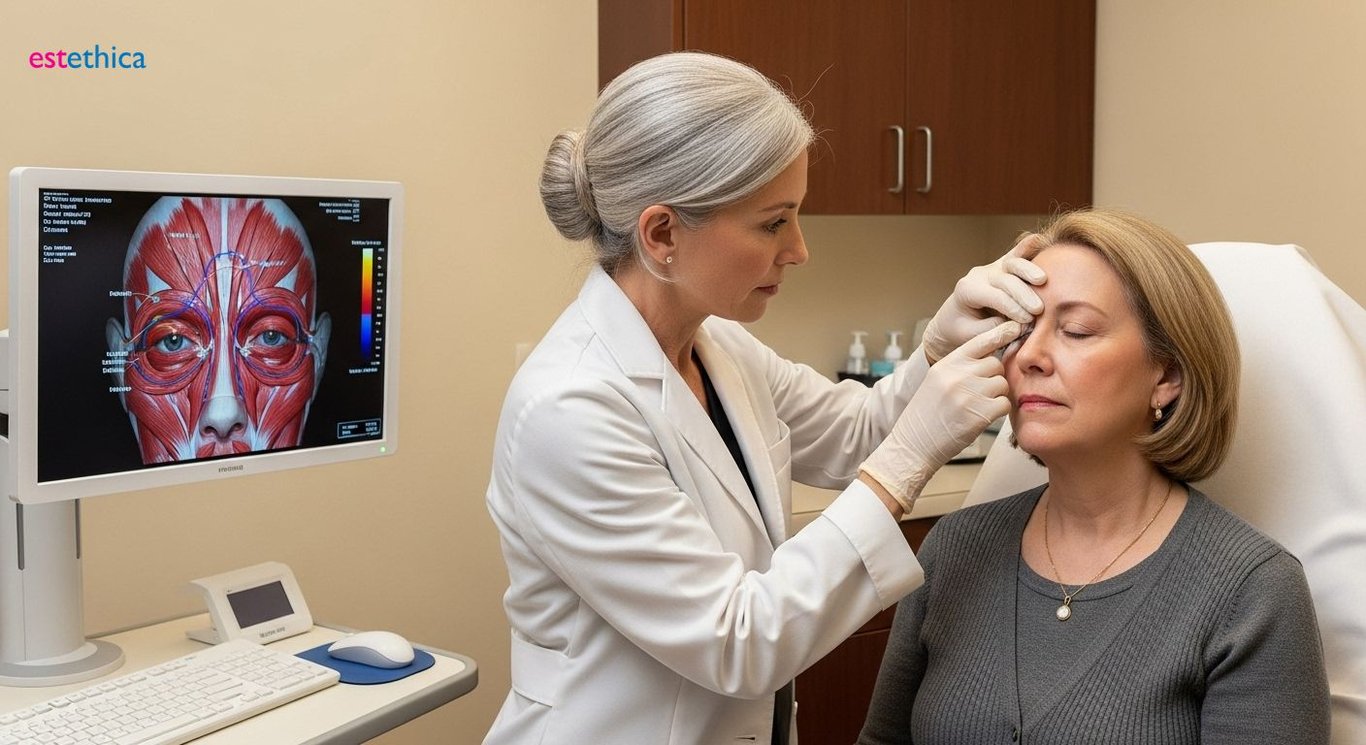
Eyelid surgery rejuvenates your appearance, addressing droopy and puffy eyelids to boost your confidence. Explore your options today!
Eyelid surgery, also known as blepharoplasty, is a popular cosmetic procedure that can significantly enhance your facial aesthetic and rejuvenate your appearance. This procedure focuses on correcting issues related to the upper and lower eyelids, such as droopiness and puffiness, helping you achieve a more youthful and rested look. As with any surgical procedure, understanding your options, the recovery process, and how to choose the right surgeon is crucial to ensuring your satisfaction and safety.
Understanding Upper and Lower Eyelid Surgery Options
Surgical Techniques for Eyelid Correction
Upper eyelid surgery addresses excess skin and fat, correcting droopy eyelids that can obstruct vision. This procedure, also known as blepharoplasty, involves precise incisions to remove or reposition tissue, enhancing both appearance and visual function. The goal is to create a more youthful and alert look while improving the patient's field of vision. Eyelid surgery offers a tailored approach to meet individual aesthetic and functional needs, resulting in rejuvenated eyes and improved quality of life. For instance, a 55-year-old woman might choose this surgery to reduce the tired appearance caused by sagging upper eyelids.
Upper Eyelid Lift: Targets excess skin and fat, improving vision and appearance.
Lower Eyelid Surgery: Reduces puffiness and bags under the eyes by excising or repositioning fat.
Combined Approach: Both procedures can be performed together for comprehensive eyelid rejuvenation.
Lower eyelid surgery focuses on reducing puffiness and bags by removing or repositioning fat. This approach smooths the under-eye area, creating a refreshed and rested appearance. The procedure can involve either excising excess fat or repositioning it to fill hollow areas, achieving a natural and balanced result. For example, a 48-year-old man might seek lower eyelid surgery to address persistent under-eye bags that make him look older than he feels. Cosmetic eyelid surgery enhances the overall facial aesthetic, providing a more youthful and vibrant look. The decision to undergo either upper or lower eyelid surgery, or both, depends on individual concerns and aesthetic goals.
Planning Your Eyelid Surgery
The choice between upper and lower eyelid surgery hinges on individual needs and desired outcomes. A comprehensive consultation with a skilled surgeon is essential to determine the most appropriate approach. During this consultation, the surgeon will evaluate the patient's anatomy, discuss their goals, and explain the potential benefits and risks of each procedure. For example, someone with both droopy eyelids and under-eye bags might benefit from a combined upper and lower blepharoplasty. Another instance might include a 62-year-old man who wants to improve the appearance of tired eyes.
Initial Consultation: Discuss goals and assess suitability for the procedure.
Surgical Planning: Determine the best approach based on individual needs and anatomy.
Post-operative Care: Follow instructions for optimal healing and results.
Simultaneous upper and lower eyelid surgery offers a comprehensive solution for overall eye rejuvenation. This combined approach can address multiple concerns in a single surgical session, reducing recovery time and achieving a harmonious, balanced result. For instance, a 50-year-old woman might opt for both procedures to correct sagging upper eyelids and reduce under-eye bags, resulting in a more youthful and refreshed appearance. Ultimately, the decision to combine procedures should be made in consultation with a qualified surgeon, ensuring that the chosen approach aligns with the patient's unique needs and expectations. According to a recent study, simultaneous procedures can improve overall patient satisfaction.
Cosmetic Eyelid Surgery: Is Blepharoplasty Right for You?
Ideal Candidates for Cosmetic Eyelid Surgery
Blepharoplasty is typically suited for individuals who are in good general health and have realistic expectations about the outcomes of the surgery. The procedure aims to enhance appearance and, in some cases, improve vision by addressing functional issues caused by drooping eyelids. A good candidate understands both the potential benefits and the possible risks involved. For instance, someone experiencing significant vision impairment due to sagging upper eyelids might find this surgery particularly beneficial. The goal is to ensure patients are well-informed and prepared for the surgical process.
Good General Health: Ensures the body can handle the surgical procedure and recovery.
Realistic Expectations: Understanding the achievable improvements and limitations of the surgery.
Functional Needs: Addressing vision impairment caused by drooping eyelids.
Understanding the Investment in Eyelid Surgery
When considering eyelid surgery, it's essential to have an open discussion with your surgeon about all aspects of the procedure. This includes a thorough understanding of what the surgery entails, the recovery process, and the potential outcomes. A well-informed patient is better prepared for the journey and more likely to be satisfied with the results. For example, discussing the specific techniques that will be used and the expected recovery timeline can help alleviate anxiety. Ptosis repair is a functional surgery that can improve vision.
Comprehensive Consultation: Discuss all aspects of the surgery with your surgeon.
Realistic Expectations: Understand the potential benefits and limitations.
Post-operative Care: Prepare for the recovery process and follow instructions carefully.
Eyelid Lift Recovery: What to Expect After Surgery
Managing Swelling and Bruising After Eyelid Surgery
Following eyelid surgery, swelling and bruising are common and expected side effects. These are natural responses as the body begins its healing process. The extent of swelling and bruising can vary among individuals, influenced by factors such as skin type, surgical technique, and individual healing capabilities. For example, applying cold compresses can significantly reduce swelling in the initial days post-surgery. Proper care and adherence to your surgeon's instructions are vital for minimizing these effects. Patients who meticulously follow post-operative guidelines typically experience a smoother recovery.
Cold Compresses: Reduce swelling and discomfort in the first few days.
Elevation: Keep your head elevated to minimize fluid retention and swelling.
Medications: Take prescribed medications to manage pain and reduce inflammation.
The use of cold compresses in the first 48 hours post-surgery is highly effective in reducing swelling and discomfort. Elevating the head while resting also aids in minimizing fluid retention around the eyes. In addition, prescribed medications play a crucial role in managing pain and reducing inflammation, contributing to a more comfortable recovery. For instance, a patient might use arnica cream to help fade bruising more quickly. Eyelid rejuvenation can significantly improve the overall appearance, but managing post-operative symptoms is key to a successful outcome.
Returning to Regular Activities After Cosmetic Eyelid Surgery
The recovery timeline following eyelid surgery varies, but most individuals can resume their normal routines within 10 to 14 days. This period allows for sufficient healing and the gradual reduction of swelling and bruising. It is essential to avoid strenuous activities during this time to prevent complications and ensure optimal healing. For example, a patient who works at a desk job might return to work sooner than someone with a physically demanding job. Patience and adherence to post-operative instructions are critical during this phase. Returning to regular activities too soon can impede the healing process and increase the risk of complications.
Rest and Limited Activity: Avoid strenuous activities to promote healing.
Follow-Up Appointments: Attend all scheduled appointments for monitoring.
Sun Protection: Protect the treated area from sun exposure.
Attending all scheduled follow-up appointments is essential for monitoring progress and addressing any concerns that may arise. Protecting the treated area from sun exposure is also crucial to prevent hyperpigmentation and ensure proper healing. For instance, wearing sunglasses and applying sunscreen can shield the delicate skin around the eyes. Proper post-operative care is vital for achieving the best possible results and ensuring a smooth transition back to daily life. Many patients find that following these guidelines helps them return to their routines with confidence. This careful approach supports the long-term success of the eyelid lift.
Finding the Best Eyelid Surgeon: A Comprehensive Guide
Essential Qualifications for Your Eyelid Surgery
Selecting a board-certified surgeon is paramount for ensuring the safety and success of your eyelid surgery. Board certification indicates that the surgeon has met rigorous standards of training and expertise in their specialty. These surgeons have undergone extensive evaluations and have demonstrated a high level of competence. For instance, a surgeon certified by the American Board of Plastic Surgery has completed a full residency in plastic surgery and passed comprehensive exams. Choosing a certified surgeon minimizes risks and maximizes the likelihood of achieving your desired aesthetic outcomes. Patients often feel more secure knowing their surgeon has validated credentials.
Board Certification: Verifies the surgeon's training and expertise.
Extensive Experience: Look for surgeons with a proven track record.
Specialized Training: Ensures competence in eyelid surgery techniques.
Surgeons with extensive experience in cosmetic eyelid surgery are better equipped to handle the nuances and complexities of the procedure. Their experience translates to refined surgical skills and a deeper understanding of facial anatomy. Specialized training further enhances their ability to deliver optimal results. For example, a surgeon who has performed hundreds of blepharoplasty procedures is likely to have a higher success rate. Patients benefit from the surgeon’s accumulated knowledge and expertise, leading to improved satisfaction. Consulting with multiple surgeons can provide valuable insights and help you make an informed decision.
Evaluating Surgeon Experience and Credentials
Reading patient reviews and examining before-and-after photos are crucial steps in evaluating potential surgeons. Patient reviews offer insights into the surgeon’s bedside manner, communication style, and overall patient satisfaction. Before-and-after photos provide a visual representation of the surgeon's aesthetic skills and the potential outcomes of the surgery. For example, positive reviews often highlight the surgeon’s attentiveness and the natural-looking results achieved. A thorough review of these materials can help you assess the surgeon's suitability for your specific needs. These resources provide valuable information beyond formal qualifications. Eyelid surgery before and after photos are essential for setting realistic expectations.
Review Patient Feedback: Assess satisfaction and communication style.
Examine Before-and-After Photos: Evaluate aesthetic skills and potential results.
Schedule Consultations: Discuss your goals and assess the surgeon's approach.
Scheduling consultations with multiple surgeons allows you to discuss your goals, ask questions, and assess their approach to eyelid surgery. During these consultations, the surgeon will evaluate your facial anatomy, discuss the potential benefits and risks of the procedure, and outline a personalized treatment plan. For instance, a consultation might reveal that a combination of upper and lower eyelid surgery is the best approach for achieving your desired results. These consultations provide an opportunity to gauge the surgeon's expertise and determine whether they are the right fit for you. Making an informed decision ensures a positive surgical experience and satisfactory outcomes. The selection of a skilled surgeon is a critical factor in achieving successful eyelid rejuvenation.
Laser-Assisted Slim Lipo: Dual-Wavelength Technology for Enhanced Fat Reduction and Skin Tightening
estethica employs Slim Lipo, a laser-assisted liposuction technique utilizing dual-wavelength technology, to effectively melt fat while simultaneously tightening the skin. This advanced method ensures faster recovery and reduced tissue trauma compared to traditional laser lipolysis.
estethica’s plastic surgeons are highly trained and experienced in performing cosmetic eyelid surgery, including blepharoplasty, ptosis repair, and eyelid rejuvenation. Their expertise ensures patients receive tailored treatment plans and achieve optimal aesthetic outcomes. estethica is dedicated to providing comprehensive consultations to address each patient's unique needs and goals.
Comprehensive Eyelid Rejuvenation: Achieving Natural-Looking Results and Improved Patient Satisfaction
estethica’s comprehensive approach to eyelid rejuvenation addresses both functional and aesthetic concerns, leading to improved patient satisfaction. The clinic offers simultaneous upper and lower eyelid surgery to achieve harmonious, balanced results, reducing recovery time and enhancing overall appearance. Before-and-after photos demonstrate the surgeon's aesthetic skills and the potential outcomes of the surgery.
estethica is an internationally awarded esthetic surgery hospital committed to the highest standards of quality and patient safety. The hospital adheres to Sağlıkta Kalite Standartları-Hastane (Health Quality Standards-Hospital) and continuously monitors service quality through various committees and teams, including the Patient Safety Committee and Infection Control Committee.
Personalized Eyelid Surgery: Tailored Treatment Plans for Optimal Healing and Long-Term Success
estethica emphasizes personalized treatment plans for eyelid surgery, ensuring optimal healing and long-term success. The clinic provides detailed post-operative care instructions, including the use of cold compresses, head elevation, and prescribed medications to manage swelling and discomfort. Patients are supported throughout the recovery process with scheduled follow-up appointments and sun protection guidance.
Patients consistently report high satisfaction with estethica’s attentive care, natural-looking results, and comprehensive support throughout their eyelid surgery journey. The clinic’s commitment to patient safety, ethical values, and advanced technology ensures a positive surgical experience and satisfactory outcomes, enhancing their overall quality of life.
Frequently Asked Questions
What is Eyelid Surgery (Blepharoplasty) and what does it address?
Eyelid surgery, or blepharoplasty, is a cosmetic procedure designed to rejuvenate the appearance of the eyes. It addresses concerns such as droopy eyelids, excess skin, and under-eye bags by removing or repositioning fat and skin. Both upper eyelid surgery and lower eyelid surgery can significantly enhance your facial aesthetic, creating a more youthful and rested look.
Am I a good candidate for Cosmetic Eyelid Surgery?
Ideal candidates for cosmetic eyelid surgery are generally healthy individuals with realistic expectations about the surgery's outcomes. Eyelid surgery can address functional issues like impaired vision caused by drooping eyelids, as well as aesthetic concerns. A good candidate understands the potential benefits and risks involved, ensuring they are well-informed and prepared for the surgical process.
What can I expect during recovery after an Eyelid Lift?
Following an eyelid lift, swelling and bruising are common and expected side effects as the body heals. Cold compresses and head elevation can minimize these effects in the initial days post-surgery. Most individuals can resume their normal routines within 10 to 14 days, avoiding strenuous activities to ensure optimal healing and the long-term success of the eyelid surgery.
How do I choose the best surgeon for my Eyelid Surgery?
Selecting a board-certified surgeon with extensive experience in cosmetic eyelid surgery is crucial for ensuring safety and achieving desired results. Look for surgeons with specialized training and a proven track record, as their experience translates to refined surgical skills and a deeper understanding of facial anatomy. Review patient testimonials and eyelid surgery before and after photos to evaluate the surgeon's skills.
What are the differences between Upper Eyelid Surgery and Lower Eyelid Surgery?
Upper eyelid surgery primarily addresses excess skin and fat in the upper eyelids, correcting droopy eyelids and improving vision if obstructed. Lower eyelid surgery, on the other hand, focuses on reducing puffiness and bags under the eyes by removing or repositioning fat. Both procedures contribute to eyelid rejuvenation, but target different areas to achieve a balanced and refreshed appearance.
Achieve your aesthetic goals with estethica's expert guidance.