


Achieve fuller, defined eyebrows with an expert eyebrow transplant. Explore the procedure, understand causes of hair loss, and view stunning before and after results.
Are you tired of sparse or over-plucked eyebrows? An eyebrow transplant offers a permanent solution to achieve fuller, beautifully defined brows. This advanced procedure can significantly enhance your facial features, restoring confidence and natural beauty. Whether you're experiencing eyebrow hair loss due to over-grooming, genetics, or medical conditions, understanding the eyebrow transplant procedure, its recovery, and potential results is key. This guide explores what an eyebrow transplant entails, the causes behind thinning brows, and what you can expect from this transformative service, helping you make an informed decision for your aesthetic goals.What is an Eyebrow Transplant Procedure?
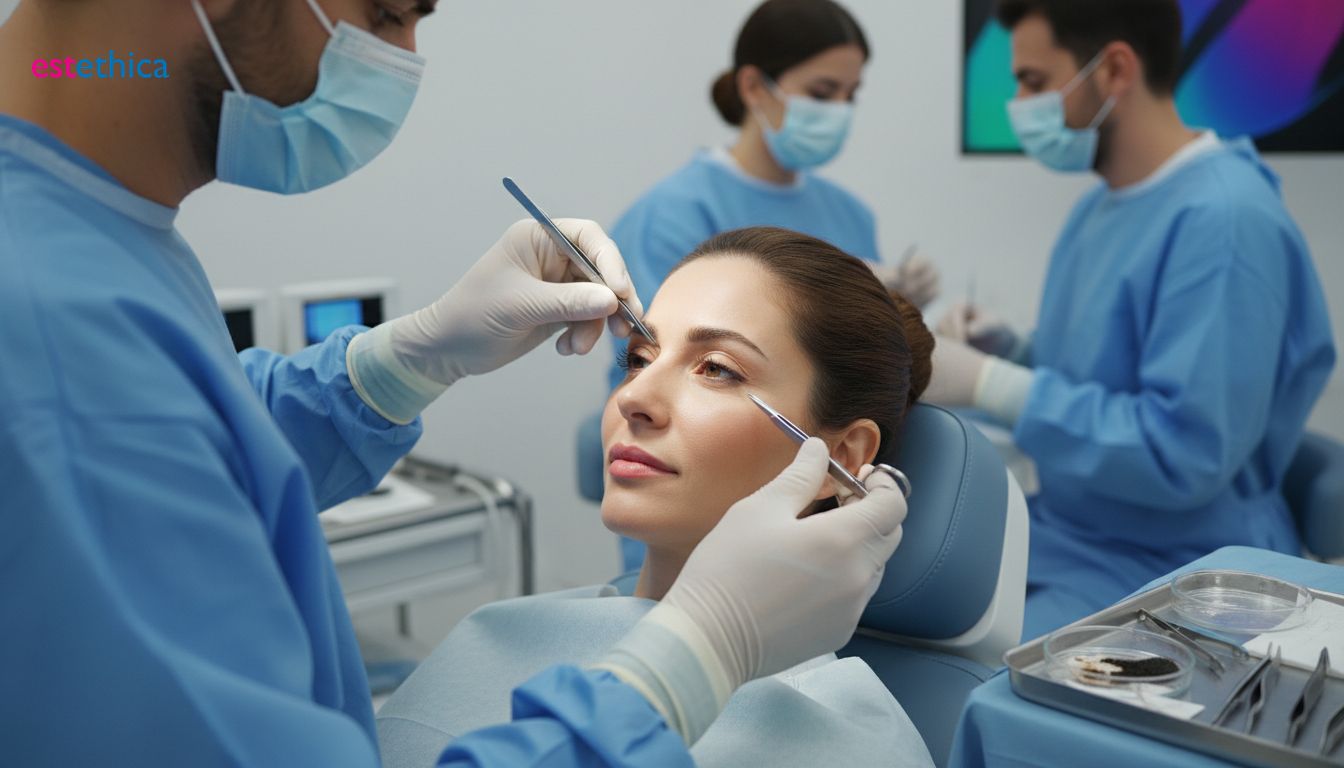
An eyebrow transplant is a sophisticated surgical technique designed to permanently restore or enhance the appearance of eyebrows. It is a specialized form of hair transplantation that involves carefully harvesting healthy hair follicles, most commonly from the scalp, and meticulously implanting them into the desired brow area. The primary goal of this procedure is to mimic the natural growth pattern, direction, and density of existing eyebrow hairs, thereby achieving a seamless and remarkably natural look. Specialists utilize ultra-fine instruments to create precise recipient sites within the brow line, carefully placing each individual graft to achieve the desired shape, fullness, and symmetry.
The Surgical Process
The entire eyebrow transplant procedure is typically performed under local anesthesia, ensuring optimal patient comfort throughout the process. Experienced surgeons select donor hair that closely matches the texture and color of eyebrow hair for the most aesthetically pleasing results. The harvesting of these follicles is done using advanced techniques that minimize scarring and discomfort in the donor area. Once harvested, the follicles are prepared and then implanted one by one into tiny incisions made in the eyebrow region. This meticulous approach allows for complete control over the angle and placement of each hair, crucial for creating a natural-looking brow arch and tail. For individuals experiencing eyebrow thinning or baldness due to genetics, over-plucking, medical conditions, or aging, this advanced form of eyebrow restoration offers a lasting solution. Understanding the intricacies of how long an eyebrow transplant takes and the expertise involved is key to achieving superior outcomes. Many find this method to be a highly effective eyebrow restoration technique.
Achieving Natural-Looking Results
The success of an eyebrow transplant hinges on the surgeon's artistic skill and understanding of facial aesthetics. The focus is not just on adding hair, but on crafting brows that frame the face harmoniously. This technique provides a permanent solution for sparse or absent eyebrows, offering a significant boost in confidence and self-esteem. The result is a natural looking eyebrow transplant that looks entirely authentic. This advanced method of eyebrow restoration offers a significant improvement over temporary solutions. For those interested in various methods of enhancing their brows, exploring options like Eyebrow Transplant & Microblading: Modern Eyebrow Enhancement can provide further insights into modern aesthetic treatments.
Eyebrow Hair Loss Causes Explained
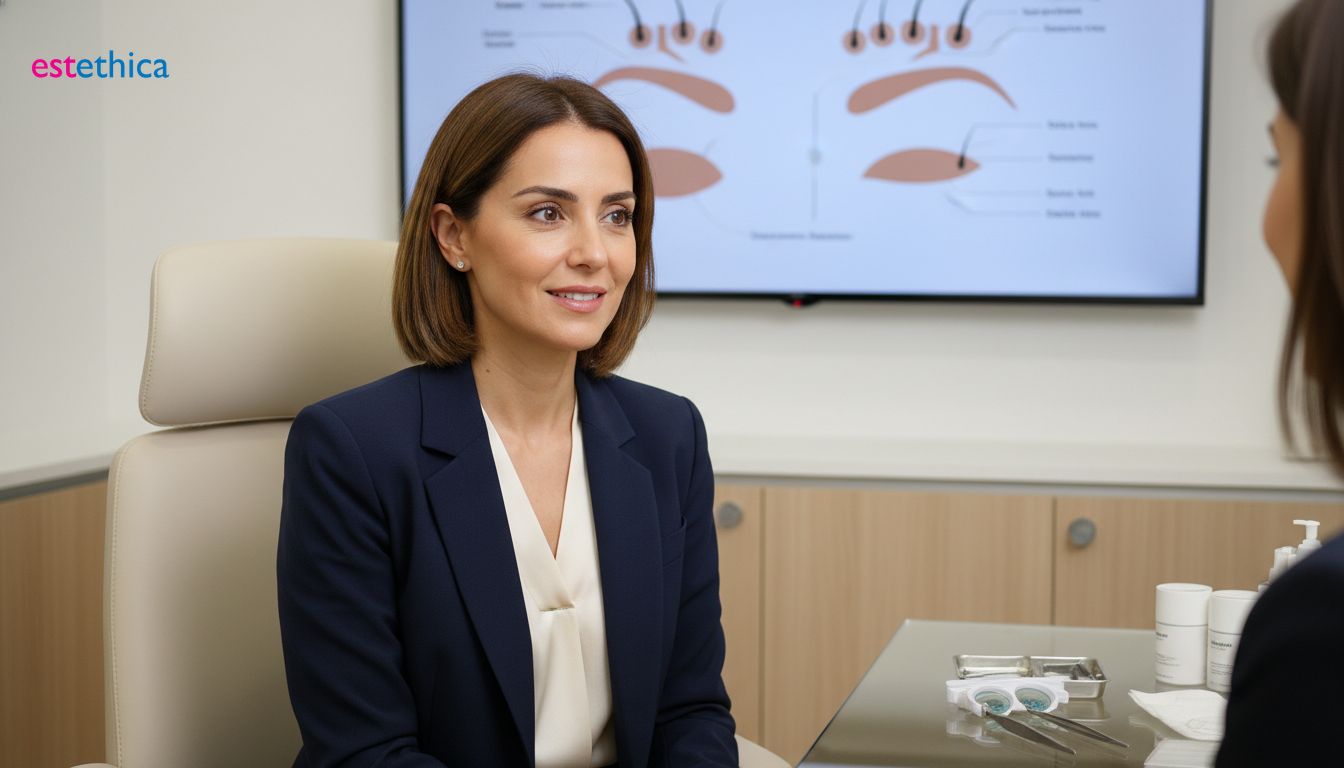
Eyebrow thinning or complete loss can be a distressing experience, impacting facial aesthetics and self-confidence. Fortunately, understanding the underlying factors is the first step toward effective eyebrow restoration. Various elements contribute to this common concern, ranging from personal grooming habits to underlying health conditions.
Common Culprits Behind Eyebrow Thinning
One of the most frequent reasons for diminished eyebrow density stems from over-plucking or excessive waxing. While aiming for a refined look, repeated trauma to the delicate hair follicles can sometimes lead to permanent damage, hindering regrowth. It’s a delicate balance between shaping and stressing these sensitive areas. Beyond personal habits, genetics plays a significant role. Some individuals are predisposed to naturally sparser eyebrows, or they may experience gradual thinning as part of the aging process. This genetic blueprint influences the thickness and growth cycle of your brow hair.
Medical conditions also frequently manifest as eyebrow hair loss. Autoimmune disorders like alopecia areata can cause patchy hair loss on the scalp and eyebrows. Similarly, thyroid disorders, where the thyroid gland is overactive or underactive, can disrupt hair growth cycles, leading to thinning brows. Certain dermatological conditions, such as eczema or psoriasis affecting the face, can also inflame the skin around the hair follicles, impacting their health. Furthermore, hormonal fluctuations, often experienced during pregnancy, menopause, or due to endocrine issues, can contribute to reduced eyebrow hair. Even certain medications prescribed for various ailments might list hair thinning, including in the eyebrows, as a potential side effect. Identifying the specific reason for your eyebrow loss is crucial for determining the best course of action, which might include exploring options like an Eyebrow Transplant: Achieve Fuller Brows & Permanent Restoration for lasting results.
When these causes lead to significant hair loss, seeking professional advice becomes essential. Understanding the root cause allows for targeted treatment and management. For those looking for a permanent solution to sparse or lost eyebrows, a natural looking eyebrow transplant offers a way to regain definition and fullness. This procedure can effectively address the aesthetic concerns arising from various forms of eyebrow thinning, providing a renewed sense of confidence. The journey to restoring your brows often begins with pinpointing the exact reason for their loss, paving the way for successful eyebrow restoration.
For individuals considering a more permanent solution, an eyebrow transplant is a viable option. This advanced procedure can recreate a beautifully shaped and dense brow, achieving a natural looking eyebrow transplant result. The effectiveness of an eyebrow transplant lies in its ability to address the permanent loss of follicles, offering a lasting solution for comprehensive eyebrow restoration.
Natural Looking Eyebrow Transplant: Before & After
Visualizing the Transformation
The ultimate goal of any cosmetic procedure is a result that looks authentic and enhances natural beauty. For an eyebrow transplant, this means creating brows that are virtually indistinguishable from naturally grown hair. The journey from sparse or uneven eyebrows to beautifully defined ones is best understood through compelling visual evidence. This is precisely why exploring eyebrow transplant before and after imagery is so crucial for prospective patients. These images serve as powerful testaments to the transformative potential of this procedure, showcasing how symmetry can be restored and facial features can be significantly enhanced. A successful procedure doesn't just add density; it meticulously recreates the texture, direction, and growth pattern of natural eyebrow hair, resulting in an outcome that is both aesthetically pleasing and believable. Many individuals seeking this procedure do so to regain confidence and feel more complete in their appearance, and the visual evidence of these transformations underscores the profound positive impact it can have on self-esteem. For those interested in the finer details of achieving these natural results, delving into the techniques behind effective Eyebrow Transplant: Natural Restoration & Enhancement can provide further insight.
The Artistry of Natural Eyebrow Restoration
Achieving a truly natural looking eyebrow transplant is an art form that requires meticulous planning and execution. It's not merely about inserting hair follicles; it's about understanding facial aesthetics and the subtle nuances of eyebrow design. The key lies in the precise placement of each graft, carefully considering the angle, density, and direction of the existing or desired hair growth. Skilled surgeons analyze the natural flow of hair to ensure the transplanted follicles integrate seamlessly, mimicking the authentic growth pattern. This attention to detail is what differentiates a merely adequate result from an exceptional one. The before and after comparison highlights not just the increase in hair, but the renewed sense of balance and harmony brought to the face. It’s a testament to the surgeon's ability to craft eyebrows that frame the eyes perfectly, enhancing the overall facial structure. The journey towards complete eyebrow restoration is clearly illuminated through these visual comparisons, offering hope and a clear vision of the potential outcomes for individuals experiencing eyebrow thinning or loss.
Eyebrow Transplant Recovery Timeline
Understanding the eyebrow transplant recovery timeline is crucial for managing expectations and ensuring the best possible outcome after your procedure. While individual experiences can vary slightly, a general progression exists that helps patients anticipate what to expect in the weeks and months following their eyebrow restoration.
Immediate Post-Procedure and First Week
In the immediate aftermath of your eyebrow transplant, it's normal to experience some redness, mild swelling, and minor scabbing in the areas where the grafts were placed. These symptoms are a natural part of the healing process and typically begin to subside within the first few days. Your surgeon will provide specific aftercare instructions, often including gentle cleansing routines and recommendations to avoid direct sun exposure or strenuous activity. During this initial period, it's vital to follow these guidelines meticulously to protect the newly transplanted follicles and promote healing. You might feel a slight tenderness, which can be managed with recommended pain relief.
Weeks 2-4: Shedding and Initial Healing
As you move into the second to fourth week post-procedure, you will likely notice that the transplanted hairs begin to shed. This is a completely normal and expected phase known as "shock loss." It doesn't mean the grafts have failed; rather, it's a natural part of the process where the transplanted hairs shed their existing shafts to allow for new, permanent growth to emerge from the follicles. The skin should continue to heal, and redness should dissipate significantly. This phase can sometimes cause anxiety, but it's a critical step towards achieving a natural looking eyebrow transplant. Continued adherence to aftercare is paramount during this stage of eyebrow restoration.
Months 1-4: Regrowth Begins
The period between three to four months marks the exciting beginning of new hair growth. You’ll start to see fine, vellus hairs emerging from the scalp where they were transplanted. These initial sprouts will gradually thicken and darken over time. While the progress might seem slow, it signifies that your eyebrow restoration is on the right track. Patience is key during this phase, as the growth will become more noticeable each week. For those seeking comprehensive information, exploring resources like Eyebrow Transplant: Permanent Fuller Brows for Defined Features can provide further insights into the long-term benefits of this procedure.
Months 4-12: Maturation and Final Results
The most significant changes occur between the four and twelve-month mark. The transplanted hairs will continue to grow, thicken, and mature, eventually blending seamlessly with your existing eyebrow hair. By nine to twelve months post-operation, you can expect to see the final, natural looking eyebrow transplant results. The density, shape, and overall appearance will have reached their full potential, offering a refined and enhanced facial aesthetic. This comprehensive journey highlights the importance of understanding the full eyebrow transplant recovery timeline to appreciate the transformative potential of the procedure.

Eyebrow Transplant Procedure: Precision Techniques for Natural Brow Restoration
An eyebrow transplant is a sophisticated surgical technique designed to permanently restore or enhance the appearance of eyebrows, utilizing specialized methods to mimic natural growth patterns.
This advanced procedure involves meticulously harvesting healthy hair follicles, typically from the scalp, and implanting them into the brow area with ultra-fine instruments to create precise recipient sites.
Our specialists possess deep expertise in follicular unit transplantation, specifically tailored for the delicate eyebrow region. We focus on achieving a seamless integration that replicates the original density, direction, and texture of your brows, ensuring a natural and aesthetically pleasing outcome.
We are committed to providing comprehensive information on eyebrow restoration services, detailing the intricacies of the eyebrow transplant procedure and the science behind achieving natural looking eyebrow results.
Eyebrow Transplant Recovery: Your Guide to Regrowth and Natural Looking Results
The entire eyebrow transplant procedure is typically performed under local anesthesia, ensuring optimal patient comfort and safety throughout the process.
The success of an eyebrow transplant hinges on the surgeon's artistic skill and understanding of facial aesthetics, ensuring every follicle is placed to achieve a truly natural looking eyebrow transplant.
Eyebrow thinning or complete loss can be a distressing experience, impacting facial aesthetics and self-confidence. We provide a reliable and effective solution for these concerns.
By meticulously planning and executing each eyebrow transplant, we deliver before and after results that showcase a significant, yet natural, transformation, ensuring our patients feel confident and satisfied with their enhanced features.