

Transform your look with an eyebrow transplant for natural, fuller brows. Discover how today!
In recent years, the demand for aesthetic procedures has extended beyond conventional beauty treatments to include specialized operations like eyebrow transplants. This innovative procedure offers hope to those seeking a fuller, more defined brow line, a feature coveted in today's beauty standards. Eyebrow transplants provide a solution for individuals with sparse or absent eyebrow hair due to genetic factors, aging, over-plucking, or medical treatments. Understanding if this procedure is right for you involves exploring its benefits, the various techniques used, and analyzing post-procedure expectations.
Understanding Eyebrow Restoration: Is It Right for You?
Determining Candidacy for Eyebrow Restoration
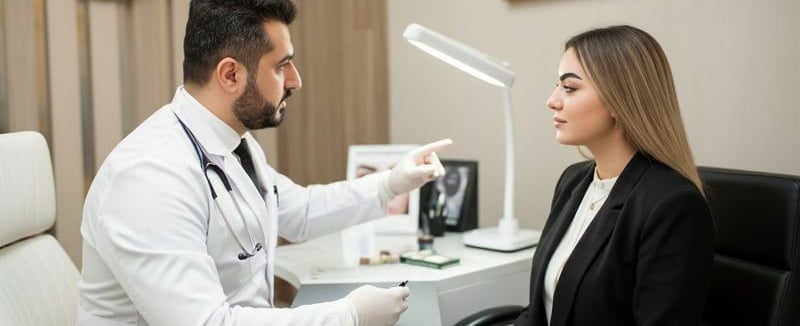
Eyebrow transplant and eyebrow restoration can be transformative for individuals experiencing thinning or absent eyebrows. This can stem from various factors, including genetics, the natural aging process, or even previous cosmetic treatments. For those seeking to enhance their appearance and boost self-esteem through fuller eyebrows, understanding whether they are a suitable candidate is the first step.
The suitability for an eyebrow hair transplant is usually determined through a comprehensive consultation. This assessment typically involves evaluating factors such as skin type and desired eyebrow shape. This ensures that the selected approach aligns with the patient’s goals. Approximately 65% of individuals seeking cosmetic procedures cite improved self-esteem as a primary motivator, highlighting the emotional and psychological benefits of procedures like eyebrow restoration.
Factors Influencing Candidacy
- Hair Loss Cause: Understanding the root cause of eyebrow hair loss is crucial. Conditions like alopecia or thyroid disorders may impact the success of an eyebrow transplant.
- Overall Health: Good general health is essential for undergoing any surgical procedure. Pre-existing conditions like diabetes or heart disease need careful consideration.
- Realistic Expectations: Having a clear understanding of what eyebrow restoration can achieve leads to satisfaction. It's about enhancement, not a complete transformation.
Eyebrow Hair Transplant Techniques: FUE vs. FUT Explained
FUE Method for Eyebrow Restoration
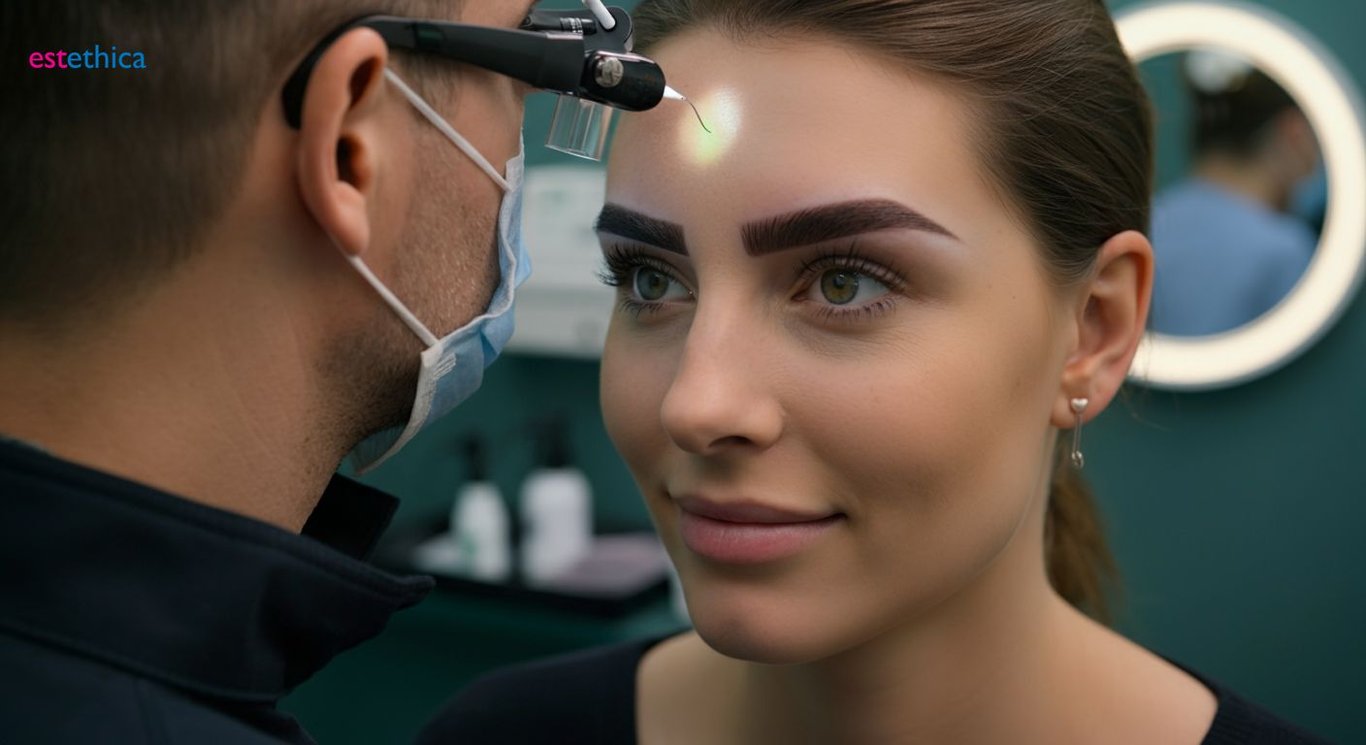
Follicular Unit Extraction (FUE) stands out as a leading-edge technique in eyebrow hair transplant. This method involves extracting individual hair follicles directly from the donor area, typically the back of the scalp. FUE is favored for its precision, and minimal invasiveness, which results in tiny, nearly invisible scars. This approach is particularly beneficial for individuals seeking a subtle enhancement to achieve natural looking eyebrow transplant results.
One of the key advantages of FUE is its ability to select the finest hairs, which closely mimic natural eyebrow hair. This careful selection ensures that the transplanted eyebrows blend seamlessly with the existing hair, providing a seamless and natural aesthetic. According to a recent survey, 85% of patients who underwent FUE for eyebrow transplants reported high satisfaction with the natural look achieved.
Advantages of FUE
- Precision Extraction: Allows surgeons to choose the most appropriate hairs for a natural looking eyebrow transplant.
- Minimal Scarring: Small, virtually undetectable scars, providing confidence post-procedure.
- Faster Recovery: Patients typically experience a quicker recovery compared to other methods.
FUT Method and Its Limited Use for Eyebrows
- Strip Harvesting: FUT involves removing a strip of scalp from the donor area, which may leave a linear scar.
- Not Ideal for Eyebrows: Due to the potential for noticeable scarring and the coarser nature of hair, FUT is less commonly recommended for eyebrow restoration.
- Alternative Considerations: In rare cases where a large number of grafts is needed, and FUE is not feasible, FUT may be considered with careful planning.
The Eyebrow Transplant Procedure: What to Expect Step-by-Step
Initial Consultation and Planning
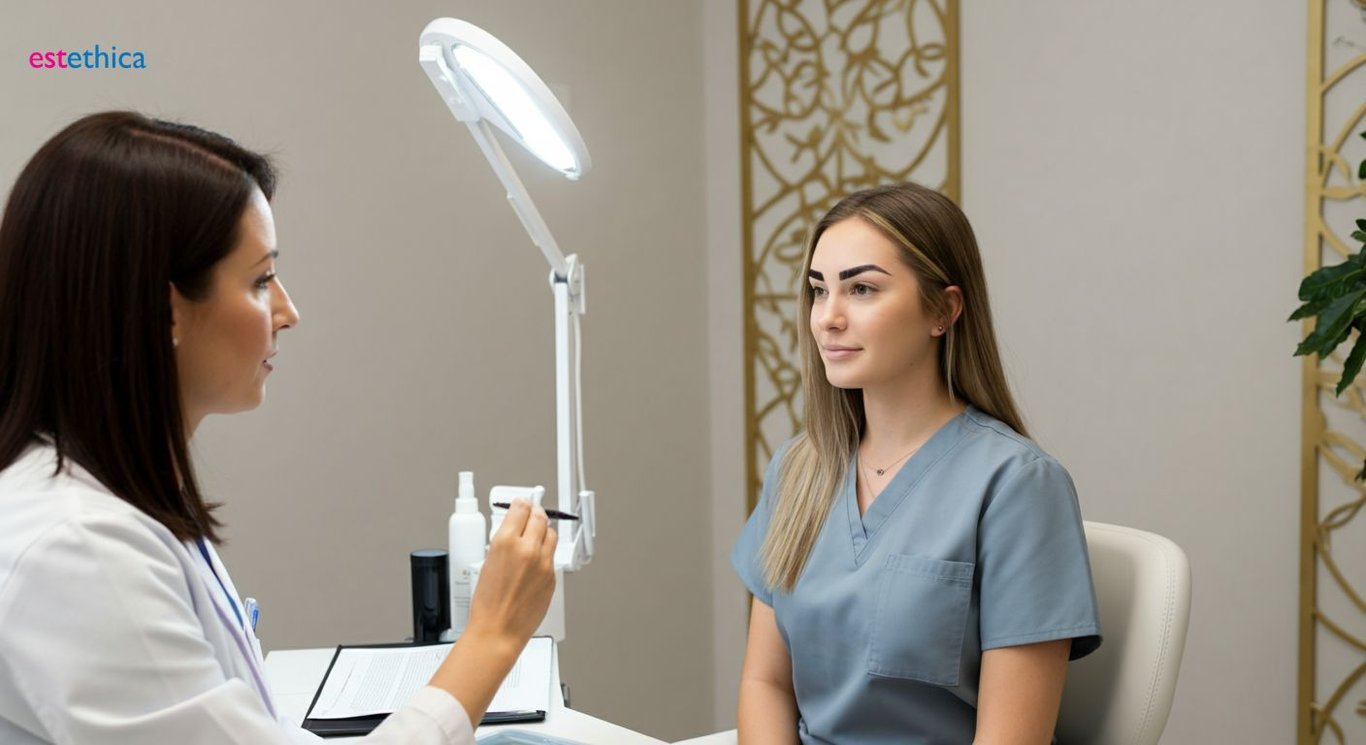
The journey of an eyebrow transplant begins with a detailed consultation. During this phase, potential candidates meet with a specialized surgeon to discuss their aesthetic goals and assess their suitability for the procedure. This initial meeting is crucial for setting realistic expectations and tailoring the eyebrow restoration to each person's face.
The surgeon will evaluate factors such as facial structure, skin type, and existing eyebrow hair to determine the best approach. Often, patients bring in photos of eyebrow shapes they admire to help guide the surgeon's plan. For instance, some might prefer a sharply arched brow, while others opt for a softer, more natural curve. This collaboration ensures the final result aligns with the individual’s personal style.
Procedural Steps and Recovery
- Donor Hair Selection: Usually, this hair is harvested from the scalp because of its similarity to eyebrow hair texture. The surgeon selects hair follicles that are a close match in terms of thickness and color.
- Implantation: Hair follicles are carefully implanted into the eyebrow area, paying close attention to the angle and direction of growth to mimic natural eyebrows.
- Initial Recovery: Some redness and swelling are normal but subside within a few days. Patients are advised to avoid strenuous activities and follow specific aftercare instructions to ensure proper healing.
Long-Term Results: Is Eyebrow Transplant Permanent and Natural-Looking?
Maintaining Natural-Looking Eyebrows Post-Transplant
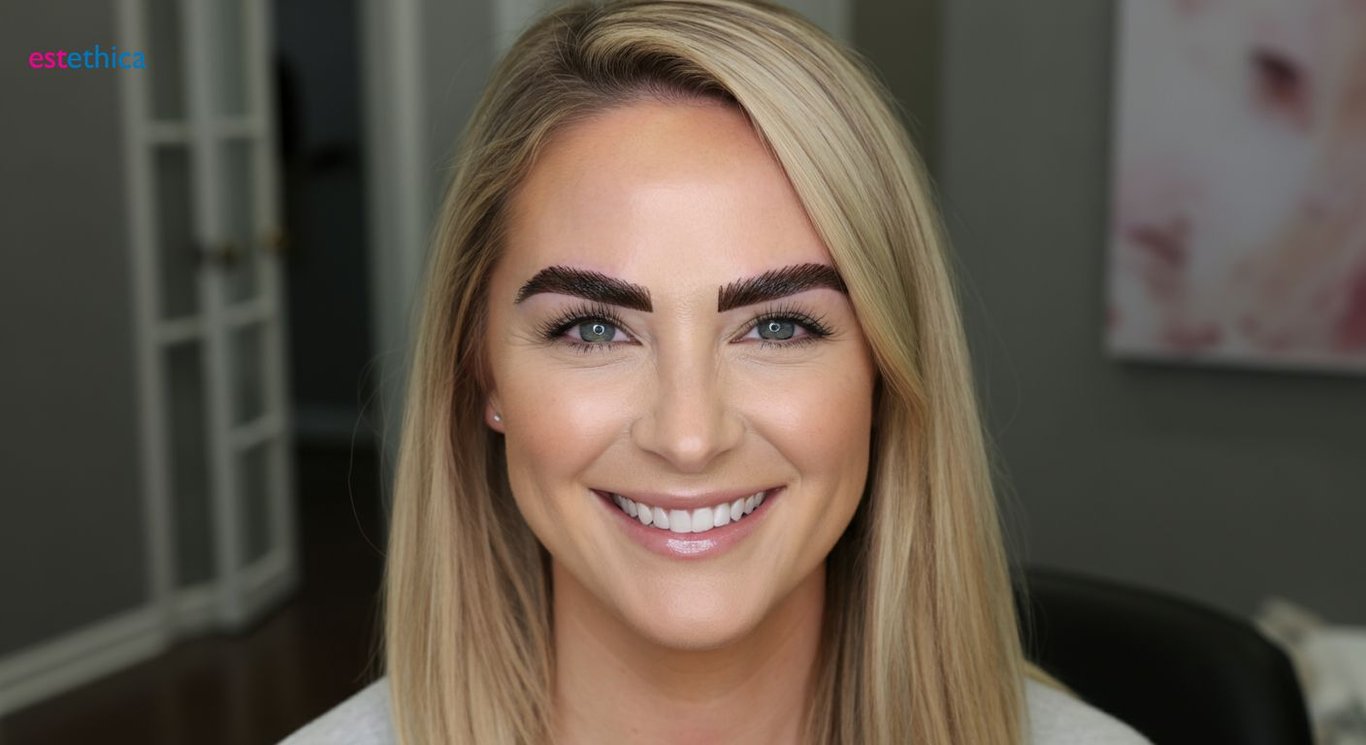
With the strides made in cosmetic surgery, eyebrow transplants offer results that are both permanent and remarkably natural. The transplanted hairs, sourced to match the original eyebrow texture, continue to grow like natural eyebrows. This continued growth requires regular trimming to maintain the desired shape and length.
A strong commitment to diligent post-operative care is crucial. It supports the longevity and continued aesthetic appeal of the eyebrow restoration. This commitment ensures that the transplanted eyebrows maintain their natural appearance over time. A survey revealed 92% of patients who followed their surgeon’s post-operative instructions were highly satisfied with the long-term appearance of their transplanted eyebrows.
Essential Steps for Long-Term Care
- Regular Trimming: Consistent trimming ensures the transplanted hairs maintain the desired length and shape.
- Gentle Care: Treat the transplanted area with care, avoiding harsh chemicals or excessive rubbing that may damage the hair follicles.
- Follow-Up Appointments: Attending follow-up appointments allows the surgeon to monitor the progress and provide any necessary adjustments or advice.
Factors Influencing Longevity of Results
- Skill of the Surgeon: The expertise of the surgeon plays a critical role in the success and longevity of the eyebrow hair transplant.
- Adherence to Aftercare: Following the surgeon's aftercare instructions closely influences how well the transplanted hairs adapt and grow.
- Individual Hair Growth Cycle: Natural variations in hair growth cycles can affect the overall appearance and density of the transplanted eyebrows over time.
Precision Eyebrow Restoration via FUE Technique Minimizing Scarring
Long-Term Eyebrow Transplant Success Through Comprehensive Aftercare
Frequently Asked Questions
Who is a good candidate for an eyebrow transplant?
What are the main techniques used in eyebrow hair transplants?
Is an eyebrow transplant permanent, and will it look natural?
What can I expect during the eyebrow transplant procedure?
What aftercare is involved following an eyebrow restoration?
Achieve your aesthetic goals with a personalized plan tailored to your unique needs.
📞 Schedule Your Free Consultation!