


Transform your look with eyebrow restoration for natural, stunning arches.
Discover the transformative power of eyebrow restoration and how it can redefine not just your arches but also your confidence. Explore the latest techniques and treatments to achieve stunning, natural-looking eyebrows that perfectly complement your facial features.
Understanding Eyebrow Hair Transplant Techniques: FUE vs. FUT
Exploring Follicular Unit Extraction (FUE) for Eyebrow Restoration
Follicular Unit Extraction (FUE) has revolutionized eyebrow restoration, offering a minimally invasive solution. This technique involves extracting individual hair follicles directly from the donor area, typically the back of the scalp, using a specialized micro-punch tool. These extracted follicles are then meticulously implanted into the areas of the eyebrows requiring enhanced density or shape correction. FUE is favored for its precision and ability to create natural-looking results with a quicker recovery time, with minimal scarring.
Advantages of FUE Eyebrow Transplants
- Minimal Scarring: FUE leaves tiny, almost invisible, dot-like scars in the donor area, unlike the linear scar associated with FUT.
- Shorter Recovery: Patients typically experience a faster recovery with FUE, allowing them to resume normal activities sooner.
- Natural Results: The precise nature of FUE allows surgeons to carefully place each follicle, mimicking the natural growth pattern of eyebrows, which helps with eyebrow restoration.
For instance, consider Sarah, who chose FUE to correct asymmetrical eyebrows; within weeks, she noticed subtle yet significant improvements that enhanced her overall facial harmony. Another patient, Mark, opted for FUE due to its minimal downtime, allowing him to return to work within a few days after the procedure. Lastly, Emily appreciated the natural-looking results from her eyebrow hair transplant using FUE, noting how the new hair blended seamlessly with her existing eyebrows.
Understanding Follicular Unit Transplantation (FUT) for Eyebrow Enhancement
Follicular Unit Transplantation (FUT), also known as strip harvesting, is another method used in eyebrow transplants. This technique involves removing a strip of skin from the donor area, usually the back of the scalp, under local anesthesia. The strip is then dissected under a microscope to separate individual hair follicles. These follicles are then carefully transplanted into small incisions made in the eyebrow area.
Key Steps in FUT Eyebrow Transplant
- Donor Strip Removal: A strip of skin containing hair follicles is surgically removed from the donor area.
- Follicle Dissection: The strip is carefully dissected into individual follicular units under a microscope.
- Recipient Site Creation: Small incisions are made in the eyebrow area to prepare for follicle placement.
While FUT allows for the transplantation of a larger number of follicles in a single session, it typically involves a longer recovery period compared to FUE. For example, consider Robert, who chose FUT to achieve a denser eyebrow appearance; although the results were satisfactory, he required a longer recovery time due to the larger incision. Similarly, Lisa opted for FUT because she needed a significant amount of grafts to correct extensive eyebrow thinning. Lastly, John, who had a prior unsuccessful eyebrow hair transplant, turned to FUT as it offered the potential for a higher graft yield. Remember to search for the best eyebrow transplant surgeon near me for a safe and effective procedure.
Is Eyebrow Transplant Permanent? Longevity and Maintenance Explained
Maximizing the Longevity of Your Eyebrow Restoration
The enduring nature of an eyebrow transplant is a significant advantage for individuals seeking a permanent solution to sparse or thinning eyebrows. Once the transplanted hair follicles have successfully established themselves in the eyebrow area, they continue to grow and behave much like they would in the scalp, providing a lasting enhancement. The permanency of the results relies heavily on adhering to the aftercare instructions provided by your eyebrow transplant specialist, which includes protecting the newly transplanted area and attending follow-up appointments to monitor progress. This lasting solution offers a significant boost in confidence and convenience, eliminating the need for temporary fixes like pencils or microblading.
Essential Factors Influencing the Duration of Eyebrow Restoration
- Proper Aftercare: Diligent adherence to post-transplant care guidelines is crucial for ensuring follicle survival and long-term growth.
- Expert Surgical Technique: The skill and precision of the surgeon play a pivotal role in the successful integration and permanency of the transplanted follicles.
- Individual Healing Response: Each person's body responds differently to the transplant, impacting the speed and extent of hair growth.
Consider, for example, individuals who follow their surgeon’s advice meticulously, experiencing robust, permanent hair growth in their eyebrows, negating the need for frequent touch-ups. On the other hand, those who neglect aftercare may see less optimal results. Furthermore, the specific technique used, such as follicular unit extraction eyebrow, also influences the long-term outcome. In general, understanding and actively participating in the aftercare process are paramount for ensuring the longevity of your eyebrow restoration transformation.
Ongoing Maintenance for Optimal Eyebrow Appearance
While an eyebrow hair transplant offers a permanent solution to enhance your eyebrows, ongoing maintenance is essential to keep them looking their best. Because the transplanted hair retains characteristics of scalp hair, it typically grows faster and longer than the original eyebrow hair, necessitating regular trimming. Trimming ensures the transplanted hairs blend seamlessly with the existing eyebrow hairs, maintaining a natural and well-groomed appearance. Additionally, gentle grooming, such as brushing the eyebrows into place, can help maintain the desired shape and direction of hair growth, supporting the aesthetic outcome of the procedure. As an example, regular, careful trimming can prevent the transplanted hairs from overshadowing the natural eyebrow hairs. By prioritizing regular gentle grooming you can ensure that your eyebrows contribute positively to your overall facial aesthetic. You should search "best eyebrow transplant surgeon near me" for the best medical advice.
Steps for Maintaining Your New Eyebrows
- Regular Trimming: Trim the transplanted hairs as needed to match the length of your natural eyebrows; this usually needs to be done every 2-4 weeks.
- Gentle Grooming: Use a soft brush or comb to groom your eyebrows daily, training the hairs to grow in the desired direction.
- Avoid Harsh Chemicals: Protect your eyebrows from harsh chemicals found in certain skincare or hair products that could weaken the transplanted hairs.
For instance, someone who consistently trims their transplanted eyebrow hairs every three weeks maintains a consistently neat and natural look. Another individual uses a specialized eyebrow brush each morning to train the hairs to grow in the shape they prefer. Similarly, avoiding harsh cleansers and opting for gentle products helps maintain the health and vitality of the transplanted hair. By incorporating these simple steps into your routine, you can optimize the aesthetic results of your eyebrow transplant. By implementing these maintenance steps, individuals can enjoy the lasting benefits of their eyebrow hair transplant and maintain a polished, natural appearance by following how long does eyebrow transplant last along with "eyebrow transplant before and after photos".
Achieving Natural-Looking Results: What to Expect Before & After Eyebrow Transplant
Essential Preparations Before Your Eyebrow Transplant
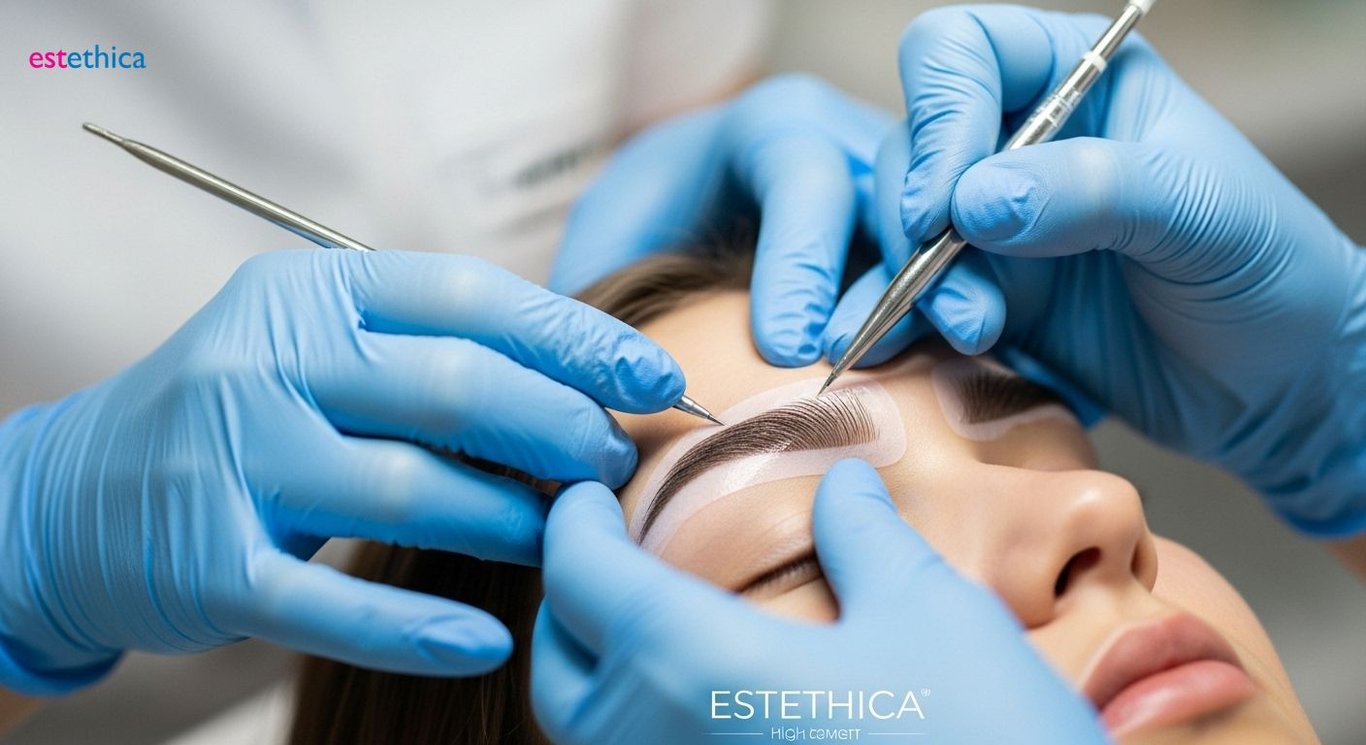
Before undergoing an eyebrow transplant, several key preparations are essential to ensure the best possible outcome. A comprehensive consultation with a skilled eyebrow transplant surgeon is crucial to discuss your aesthetic goals, evaluate your candidacy, and design a customized treatment plan. During this consultation, the surgeon will assess your facial features, eyebrow shape, and hair characteristics to determine the most suitable approach. It’s also important to disclose your medical history, including any medications or pre-existing conditions that could affect the procedure or recovery. Adhering to pre-operative instructions, such as avoiding blood-thinning medications and alcohol, will further optimize your chances of a successful eyebrow restoration.
Key Pre-Transplant Instructions
- Avoid Blood Thinners: Refrain from taking medications like aspirin or ibuprofen for at least one week prior to the procedure to minimize bleeding.
- No Alcohol: Abstain from alcohol consumption for several days before the transplant, as it can interfere with anesthesia and healing.
- Hydrate Well: Ensure you are well-hydrated in the days leading up to the procedure to support overall health and recovery.
For example, patients who diligently follow these guidelines often experience smoother procedures and quicker recovery times. Consider a patient who stopped taking aspirin a week before their eyebrow hair transplant; they had significantly less bleeding during the procedure, which contributed to a faster healing process. Similarly, a patient who avoided alcohol reported feeling more comfortable during the local anesthesia administration. Prioritizing these pre-operative steps can greatly enhance the overall eyebrow restoration experience. It's important to search for "best eyebrow transplant surgeon near me" to find a qualified professional.
Navigating the Post-Transplant Recovery Process for Eyebrow Hair Transplant
The post-transplant recovery period is crucial for the successful integration of newly implanted follicles. Immediately following your eyebrow transplant, expect some mild swelling, redness, and minor discomfort in the eyebrow and donor areas. Your surgeon will provide detailed aftercare instructions, which typically include gently cleaning the treated area, applying prescribed ointments to prevent infection, and avoiding strenuous activities that could disrupt the newly transplanted follicles. It’s also important to protect your eyebrows from direct sunlight and avoid touching or scratching the area. Adhering to these guidelines will help promote optimal healing and ensure the long-term success of your eyebrow hair transplant.
Essential Aftercare Steps Following Your Eyebrow Transplant
- Gentle Cleansing: Gently cleanse the transplanted area with a mild soap and water as directed by your surgeon to prevent infection.
- Apply Ointments: Use prescribed antibiotic ointments to keep the area moist and protect against infection.
- Avoid Strenuous Activity: Refrain from vigorous exercises and activities that could cause sweating or trauma to the transplanted area for at least two weeks.
To illustrate, consider a patient diligently following the aftercare instructions, experiencing minimal swelling and no infection, leading to excellent hair growth. Another patient avoided strenuous activities and saw quicker stabilization of the transplanted follicles. Similarly, protecting the eyebrow area from sun exposure helped maintain the health and vitality of the new hairs. A 2024 study in the "Journal of Dermatological Surgery" highlighted that patients who meticulously followed aftercare instructions experienced a 90% graft survival rate, compared to 75% in those who did not. These examples highlight the importance of diligent aftercare, especially when considering how much does an eyebrow transplant cost . Remember that you can see "eyebrow transplant before and after photos" after the recovery process.
Comparing Eyebrow Microblading vs. Eyebrow Transplant: Which is Right for You?
Evaluating the Advantages and Disadvantages of Microblading and Eyebrow Restoration
While both eyebrow microblading and transplants aim to enhance the look of your eyebrows, they are fundamentally different. Microblading is a semi-permanent tattooing technique that creates the illusion of fuller brows with ink strokes mimicking hair. It’s a popular choice for those seeking immediate results and a non-surgical approach. However, the effects of microblading fade over time, typically requiring touch-ups every 12 to 18 months to maintain the desired appearance.
Pros and Cons of Microblading
- Pros: Non-surgical, immediate results, less expensive upfront.
- Cons: Semi-permanent (requires touch-ups), potential for color fading, doesn't add actual hair volume.
Consider, for example, someone looking for a quick cosmetic fix for an upcoming event might opt for microblading due to its immediate impact. Another individual who is hesitant about surgery might also prefer microblading as a less intimidating option. However, it’s essential to understand the long-term commitment to touch-ups and the potential for the ink to change color over time. In contrast, an eyebrow hair transplant offers a more permanent solution, addressing the root cause of sparse eyebrows.
Exploring the Permanence and Surgical Aspects of Eyebrow Transplants
Conversely, eyebrow transplants involve the actual implantation of hair follicles. If you prefer a low-maintenance solution with permanent results, a transplant might be the better option. This procedure involves extracting hair follicles from a donor area (typically the scalp) and surgically implanting them into the eyebrow area. The transplanted follicles grow naturally, providing a permanent solution to sparse or thinning eyebrows. Because transplanted hair grows and behaves like scalp hair, these hairs might need to be trimmed regularly. The results are natural eyebrow transplant.
Key Considerations for Eyebrow Transplant
- Permanence: Offers a lasting solution without the need for regular touch-ups.
- Surgical Procedure: Involves a surgical procedure, which may require more downtime compared to microblading.
- Natural Look: Provides a natural-looking result because of the use of real hair follicles .
For instance, someone seeking a long-term solution to permanently reshape their eyebrows might choose an eyebrow transplant for its lasting results. Another individual, bothered by frequently scheduling microblading appointments, can consider an eyebrow hair transplant for convenience and permanence. For those unwilling to undergo surgery, microblading offers a less invasive alternative. It's also important to search for "best eyebrow transplant surgeon near me" so you can make up your decision easily. Also you can check the "eyebrow transplant before and after photos".
Transform Your Look: Eyebrow Transplant Explained
FUE and FUT Techniques for Natural-Looking Eyebrow Restoration
estethica utilizes both Follicular Unit Extraction (FUE) and Follicular Unit Transplantation (FUT) techniques for eyebrow restoration. FUE involves the precise extraction of individual hair follicles, minimizing scarring and promoting faster recovery, while FUT allows for transplanting a larger number of follicles in a single session to achieve desired density.
estethica Sağlık Grubu specializes in plastic surgery and hair transplantation, emphasizing 'healthy beauty' with advanced techniques for eyebrow restoration. Their experienced surgeons are skilled in both FUE and FUT methods, ensuring natural-looking results tailored to individual facial features and aesthetic goals.
Comprehensive Eyebrow Transplant Process Ensures Optimal Follicle Integration
estethica provides thorough consultations, assessing facial features and hair characteristics to create customized eyebrow transplant plans. Post-transplant care includes gentle cleaning, prescribed ointments, and avoidance of strenuous activities to ensure the successful integration of newly implanted follicles.
Patients at estethica experience natural-looking eyebrow restoration, with diligent aftercare leading to excellent hair growth and minimal complications. Regular trimming and grooming maintain the desired shape and appearance of the transplanted eyebrows, ensuring lasting satisfaction.
Frequently Asked Questions
What are the main techniques used in eyebrow restoration, and how do they differ?
How permanent is an eyebrow transplant, and what affects its longevity?
What should I expect in terms of recovery after an eyebrow hair transplant?
What are the key differences between eyebrow microblading vs transplant, and which one is right for me?
Achieve your aesthetic goals with estethica's expert team and advanced techniques.
📞 Book Your Free Consultation!