

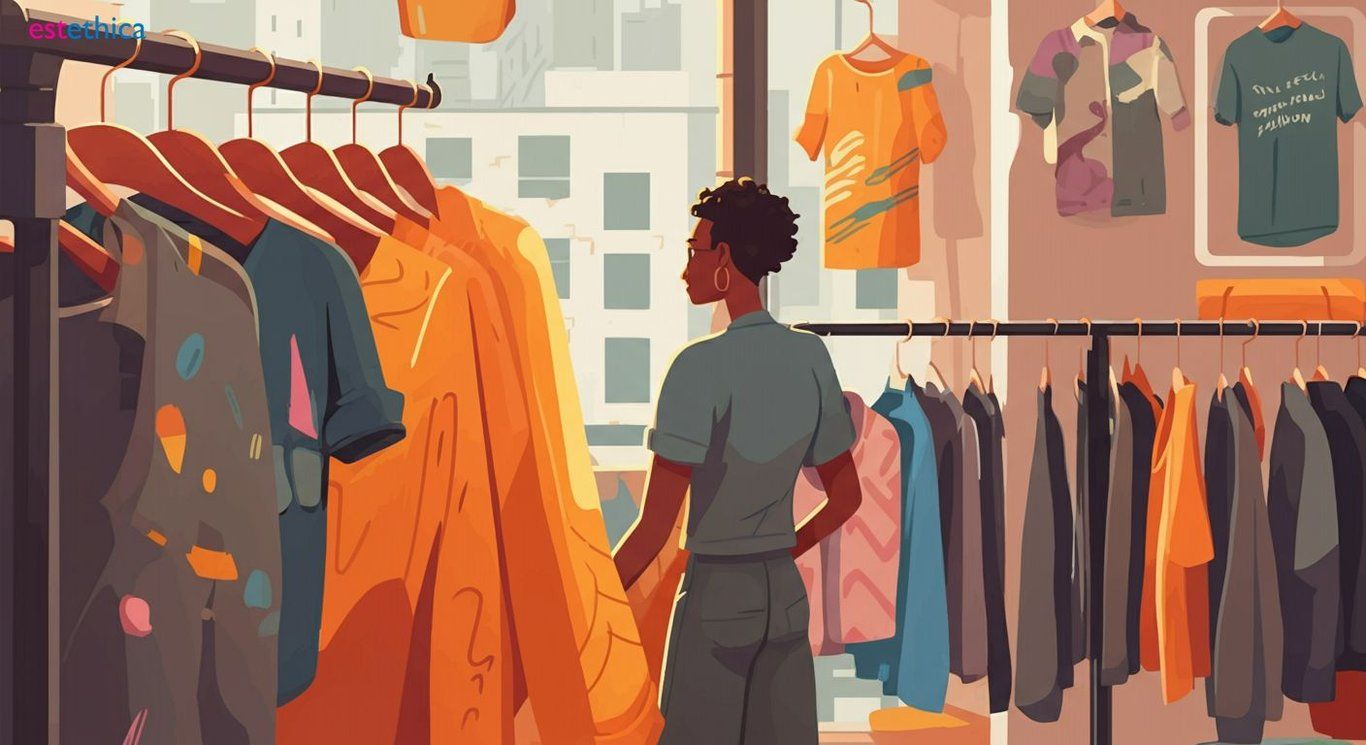
Uncover eco-friendly fashion trends with sustainable clothing and ethical brands.
Sustainable fashion is no longer a niche; it has gradually transformed into a mainstream movement. This paradigm shift calls for understanding ethical consumption and eco-friendly clothing choices. Fashion enthusiasts are now focusing on conscious clothing—a movement that emphasizes environmental protection, ethical labor practices, and quality apparel longevity.
Understanding the nuances of sustainable fashion is essential in today's ecologically aware society. From learning how to choose sustainable fashion to identifying the best materials, the journey encompasses multiple layers. Here, we will navigate the world of conscious clothing, exploring the ethical fashion brands that anchor this movement.
Understanding the Essence of Sustainable Fashion
The Core Principles of Sustainable Fashion
Sustainable fashion is a holistic approach to clothing production that prioritizes environmental and social responsibility. It involves using eco-friendly materials like organic cotton and recycled polyester, which help reduce the carbon footprint and promote a circular fashion economy. This approach ensures that every stage of a garment's life cycle, from design to recycling, minimizes environmental harm.
Key Elements of Eco-Friendly Clothing
- Use of organic and biodegradable materials to reduce waste.
- Implementation of ethical labor practices, ensuring fair wages and safe working conditions.
- Support for local artisans and sustainable summer fashion trends.
By choosing eco-friendly clothing, consumers contribute to healthier ecosystems and support social equity principles. This conscious clothing movement aligns with the aesthetics of sustainable fashion, offering an aesthetic look that resonates with modern values.
How to Choose Sustainable Fashion
- Evaluate your current wardrobe to identify sustainable pieces.
- Reduce impulsive buying by focusing on quality over quantity.
- Educate yourself about ethical fashion brands making strides in sustainability.
For those new to sustainable fashion, these steps provide a practical approach to greening your style. To further explore sustainable fashion, you can Discover estethica: Embrace Sustainable Fashion.
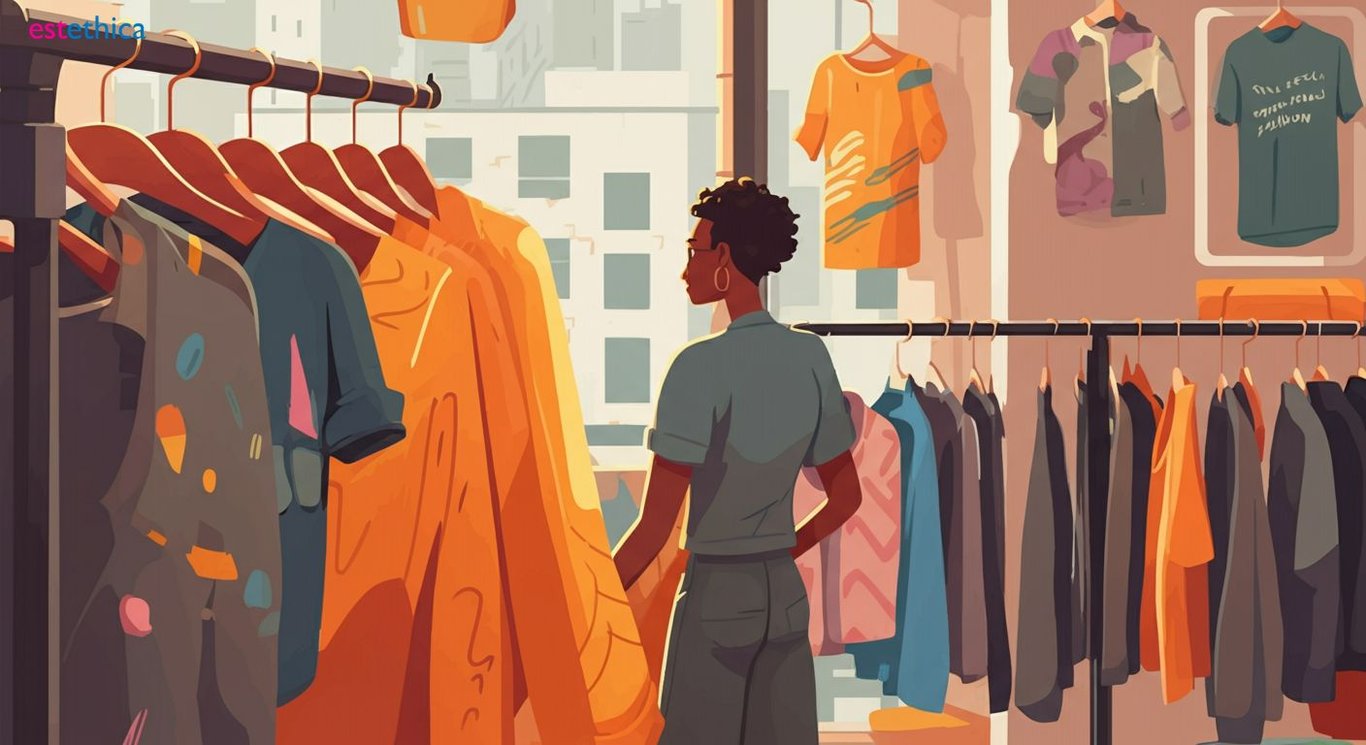
Choosing Eco-Friendly Clothing for a Greener Wardrobe
Exploring the Best Eco-Friendly Clothing Materials
Eco-friendly clothing materials are pivotal in sustainable fashion, offering both environmental and aesthetic benefits. Organic cotton, for instance, is celebrated for its minimal water usage and support for biodiversity. Hemp, another excellent choice, is carbon-negative, enhancing air quality while providing durability. Bamboo, known for its rapid growth, requires no pesticides, making it a sustainable apparel option. These materials not only reduce environmental impact but also align with the aesthetics clothing movement, offering timeless pieces that complement any wardrobe.
How to Identify Ethical Fashion Brands
- Research brand transparency regarding sourcing and manufacturing processes.
- Look for certifications like Fair Trade or Global Organic Textile Standard (GOTS).
- Evaluate the brand's commitment to sustainable practices and community support.
Identifying ethical fashion brands involves understanding their commitment to sustainability and social responsibility. Brands that prioritize transparency in their processes and support local communities often lead the way in ethical fashion. By choosing such brands, consumers can make conscious clothing decisions that reflect both style and ethics, contributing to a greener wardrobe.
The Aesthetic Appeal of Sustainable Fashion
- Timeless designs that transcend seasonal trends.
- Integration of aesthetics wallpapers and aesthetics font in fashion pieces.
- Emphasis on quality and durability over fast fashion.
Sustainable fashion offers an aesthetic look that is both elegant and environmentally conscious. By focusing on timeless designs and high-quality materials, sustainable fashion transcends seasonal trends, providing pieces that remain stylish over time. This approach not only supports the environment but also aligns with the aesthetics clothing movement, offering a unique blend of ethics and elegance.

Spotlight on Ethical Fashion Brands You Can Trust
The Impact of Ethical Fashion Brands on Sustainable Development
Ethical fashion brands are pivotal in driving sustainable development, offering consumers choices that align with global social and environmental goals. These brands, such as Patagonia and Stella McCartney, are renowned for their commitment to eco-friendly clothing and sustainable fashion practices. They focus on transparency, minimal waste, and community upliftment, setting benchmarks in the industry.
How to Evaluate Ethical Fashion Brands
- Examine the brand's sustainability reports and transparency in operations.
- Check for certifications like Fairtrade or B Corporation.
- Assess their initiatives towards zero waste clothing and circular fashion economy.
Evaluating ethical fashion brands involves understanding their dedication to sustainable practices and social responsibility. Brands that prioritize transparency and support local communities often lead the way in ethical fashion. By choosing such brands, consumers contribute to a greener wardrobe and support sustainable development goals.
Characteristics of Trusted Ethical Fashion Brands
- Commitment to using sustainable apparel materials.
- Focus on aesthetics clothing that offers an aesthetic look.
- Engagement in environmental activism and community support.
Trusted ethical fashion brands emphasize quality, durability, and timeless designs, aligning with the aesthetics clothing movement. By integrating aesthetics wallpapers and aesthetics font into their designs, these brands offer unique pieces that are both stylish and environmentally conscious. This approach not only supports sustainable fashion but also enhances the aesthetic appeal of eco-friendly clothing.

Navigating the World of Conscious Clothing Choices
The Art of Balancing Style and Sustainability
Conscious clothing choices require a delicate balance between personal style and sustainable principles. This journey begins with thorough research into the brands you wear. Investigate their commitment to fair labor practices and waste management strategies. This foundational knowledge empowers you to make informed decisions about sustainable fashion.
Investing in Quality Over Quantity
- Choose durable, timeless pieces that promise longevity.
- Focus on sustainable apparel designs that align with your aesthetic look.
- Prioritize quality to extend the life cycle of each garment.
By investing in quality, you not only enhance your wardrobe's aesthetic appeal but also contribute to reducing fashion waste. This approach aligns with the aesthetics clothing movement, offering pieces that are both stylish and environmentally conscious.
Exploring Second-Hand and Upcycled Fashion
- Visit second-hand stores to discover unique, eco-friendly clothing.
- Engage in upcycling to transform old garments into new fashion statements.
- Join eco-friendly fashion communities to share resources and ideas.
Second-hand shopping and upcycling are integral to conscious clothing choices. These practices not only reduce waste but also foster creativity and community engagement. By participating in this larger narrative of ecological preservation, you contribute to a sustainable fashion future.
Eco-Friendly Clothing Materials: A Sustainable Fashion Revolution
Conscious Clothing Choices: Balancing Style and Sustainability
Frequently Asked Questions
What is sustainable fashion and why is it important?
How can I choose eco-friendly clothing for a greener wardrobe?
What are the best eco-friendly clothing materials?
How can I identify ethical fashion brands?
What is the role of upcycled fashion in sustainability?
Discover the path to 'Healthy Beauty' with estethica's expert care. Call now for your free consultation and take the first step towards a more confident you!
📞 Call for Your Free Consultation