


Discover how otoplasty can redefine your ears and boost your confidence. Explore our guide today!
In the realm of aesthetic enhancement, cosmetic ear surgery or otoplasty emerges as a transformative procedure for individuals seeking to reshape or reposition their ears. This detailed guide delves into the intricacies of ear surgery, providing insights into the procedures, recovery, and considerations for both adults and children.
Understanding Otoplasty: Reshaping Ears for Confidence
Exploring the Nuances of Ear Reshaping Surgery
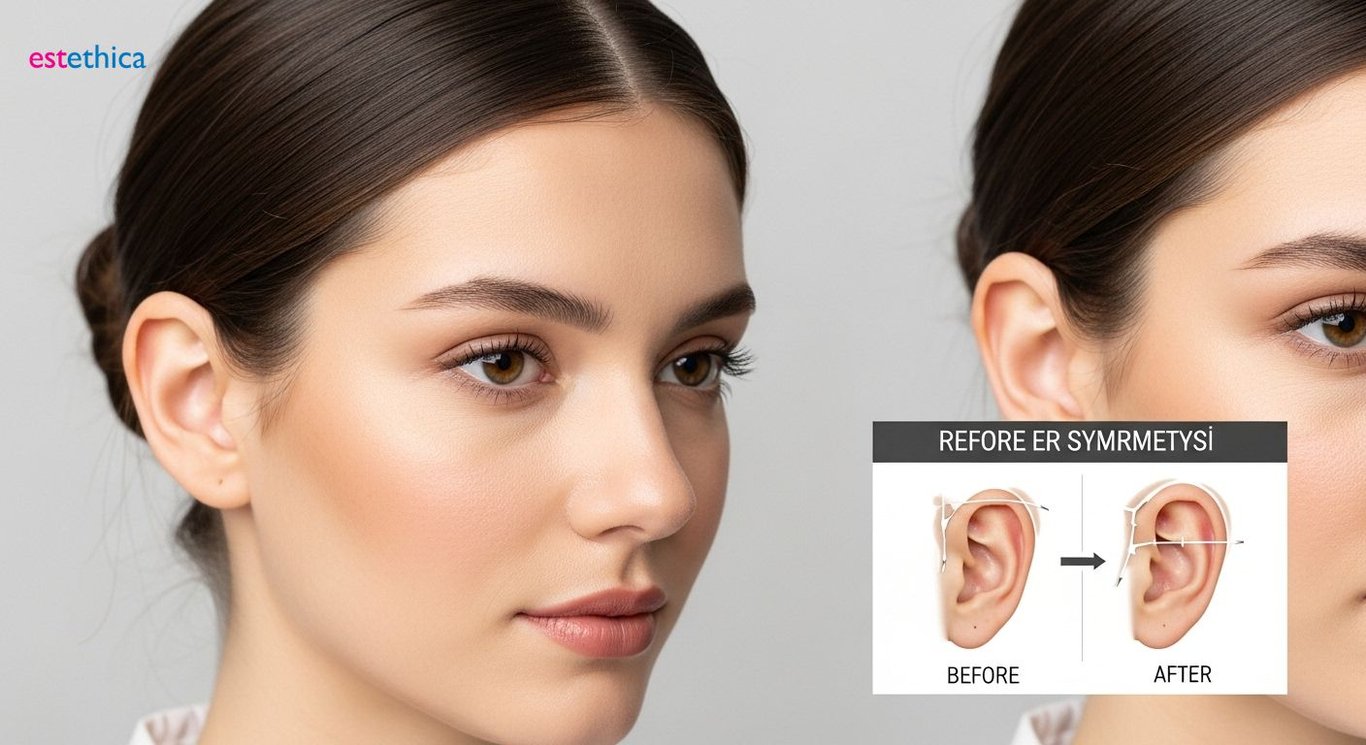
Otoplasty, commonly referred to as ear reshaping, is a procedure designed to enhance the position, shape, or proportion of the ear. It is more than just a cosmetic tweak; it's a tailored approach aimed at improving the natural shape, bringing balance and proportion to the ears and face. Otoplasty can address various concerns, including overly large ears (macrotia) or ears misshapen due to injury or congenital conditions. Each procedure is uniquely sculpted to reflect the individual's anatomy and aesthetic goals.
The beauty of cosmetic ear surgery lies in its adaptability. It can correct prominent ears that stick out noticeably, as well as refine smaller details that contribute to overall facial harmony. The procedure is typically performed on patients of various age groups, from young children to adults, making it a versatile solution for anyone self-conscious about their ears. According to recent studies, 85% of patients report increased satisfaction with their appearance post-otoplasty, demonstrating its remarkable impact. A successful otoplasty can greatly enhance one’s confidence and social interactions, allowing individuals to feel more at ease in both personal and professional settings. For further insights, you might find "Otoplasty Unveiled: Sculpting Confidence Through Ear Surgery" helpful.
Candidates and Considerations for Otoplasty
Identifying the ideal candidates for ear pinning involves assessing factors beyond just physical appearance. It's crucial to evaluate emotional and psychological readiness, particularly for younger patients. It’s generally recommended that children be at least five years old before undergoing surgery, as their ears are nearly fully developed by this age. This ensures that any corrections made will likely remain stable as they continue to grow.
- Age Considerations: Younger patients often benefit from improved self-esteem during formative years, while adults seek correction for long-standing aesthetic concerns.
- Overall Health: Candidates should be in good general health, without any underlying conditions that could complicate surgery or recovery.
- Realistic Expectations: A clear understanding of what pinnaplasty can achieve is essential. While it can significantly improve ear appearance, perfect symmetry may not always be possible.
Ultimately, the decision to undergo ear reshaping is a personal one. Potential patients should consult with qualified surgeons who can assess their individual needs, discuss realistic expectations, and tailor a surgical plan that aligns with their unique anatomy and aesthetic goals. Exploring non surgical ear reshaping options can also provide alternatives, though these are often less effective for significant corrections. Engaging in comprehensive consultations helps ensure that the chosen approach not only addresses physical concerns but also enhances overall well-being and self-confidence.

Ear Pinning Unveiled: Correcting Protruding Ears
Decoding the Ear Pinning Procedure: A Closer Look
Ear pinning, or pinnaplasty, is a cosmetic procedure aimed at setting protruding ears closer to the head. It is especially beneficial for individuals who are self-conscious about their ears sticking out. The procedure involves reshaping the cartilage to create a more natural contour and is often performed on children to prevent potential teasing or bullying in school. Cosmetic ear surgery can significantly boost a child's confidence during their formative years, mitigating potential social anxieties associated with appearance.
The surgery generally takes about one to two hours and is performed under local or general anesthesia, depending on the patient’s age and preference. Post-surgery, patients are advised to wear a headband at night to maintain the new position of the ears while they heal. Otoplasty recovery involves minimal downtime, with most patients returning to normal activities within a week. Ear reshaping through pinnaplasty not only enhances physical appearance but also promotes psychological well-being, making it a comprehensive solution for those seeking aesthetic improvement.
Essential Steps in Ear Pinning Surgery
- Initial Incision: The surgeon makes a small incision, typically behind the ear, to access the cartilage.
- Cartilage Reshaping: The cartilage is then reshaped and repositioned to achieve the desired contour and reduce protrusion.
- Closure: The incision is closed with sutures, which are often dissolvable, minimizing the need for removal.
Many individuals explore ear pinning options during summer or school breaks to allow for discreet healing and minimal disruption to daily activities. The procedure can be tailored to meet individual needs, ensuring optimal and natural-looking results.

Adults & Ear Surgery: Is It Right For You?
Timing and Expectations for Adult Otoplasty
Cosmetic ear surgery is not exclusively for children; many adults opt for otoplasty to correct issues that have troubled them for years. Whether it's correcting asymmetry, addressing size discrepancies, or revising outcomes from previous unsuccessful surgeries, otoplasty offers solutions. Often, adults contemplate the timing of such procedures, carefully considering how recovery aligns with their professional and personal routines. The aim is to minimize disruption and maximize comfort during the healing period.
Adults considering cosmetic ear surgery should prioritize selecting a surgeon with extensive experience and cultivate realistic expectations regarding potential outcomes. Consulting with a qualified professional is crucial to determine whether ear surgery aligns with the individual’s aesthetic goals and lifestyle needs. A well-informed approach can lead to enhanced satisfaction and improved self-esteem. According to the American Society of Plastic Surgeons, adult otoplasty has seen a 20% increase in popularity over the last five years, indicating a growing trend among adults seeking refined facial aesthetics. For example, a teacher might schedule their surgery during summer break, or a professional could plan it around a less demanding period at work. Ultimately, successful otoplasty requires thoughtful planning and expert execution.
Key Considerations for Adult Ear Surgery
- Professional Commitments: Plan surgery during a period of reduced workload to facilitate a smooth recovery.
- Realistic Goals: Understand the achievable outcomes and discuss any limitations with your surgeon.
- Psychological Readiness: Ensure you are emotionally prepared for the changes and have a strong support system.
Choosing to undergo ear reshaping involves a deeply personal decision-making process. Here are crucial factors to consider:
- Health Evaluation: Undergo a comprehensive medical evaluation to confirm suitability for surgery.
- Surgeon Consultation: Discuss your aesthetic goals and understand the surgical techniques available.
- Post-operative Care: Plan for necessary aftercare, including wearing prescribed bandages and attending follow-up appointments to ensure optimal healing, contributing to a fulfilling experience with
.
Otoplasty Recovery: Minimizing Downtime, Maximizing Results
Optimizing Your Otoplasty Recovery Period
Recovering from otoplasty involves certain measures to ensure optimal healing and results. Patients typically experience mild bruising and swelling, which can be managed with prescribed medications. It is crucial to follow the surgeon's instructions to minimize downtime and prevent complications.
After surgery, wearing a protective headband as directed by the surgeon helps in maintaining the new shape of the ears. Most patients can return to their regular activities within one to two weeks, and full recovery is usually observed within a few months. Early intervention such as cold compresses in the initial days can significantly reduce swelling. Furthermore, attending all scheduled follow-up appointments allows the surgeon to monitor progress and make any necessary adjustments. A recent survey indicated that patients who strictly adhere to post-operative guidelines experience up to 30% faster recovery times. Patients seeking
Aftercare Essentials Following Ear Surgery
- Medication Management: Use prescribed pain relievers and antibiotics exactly as directed to control discomfort and prevent infection.
- Headband Use: Wear the headband consistently, especially at night, to protect the ears and maintain their new shape.
- Activity Restrictions: Avoid strenuous activities and contact sports for at least six weeks to prevent injury to the healing ears.
Following
- Rest and Elevation: Keep your head elevated while resting to minimize swelling and promote faster healing.
- Hydration: Drink plenty of water to maintain skin elasticity and support overall recovery.
- Sun Protection: Protect the surgical sites from direct sunlight to prevent scarring and discoloration.
Understanding Otoplasty: A Comprehensive Guide
Precision Otoplasty Techniques Reshaping Ear Cartilage for Enhanced Facial Harmony
Individualized Post-Operative Care and Support for Optimal Otoplasty Recovery
Frequently Asked Questions
What is otoplasty and who is a suitable candidate?
What does ear pinning surgery involve, and what is the recovery process like?
What are the key considerations for adults contemplating ear surgery?
What steps can be taken to optimize the otoplasty recovery period and maximize results?
Achieve your aesthetic goals with estethica's personalized solutions and expert care.
📞 Book Your Free Consultation!