


Discover the transformative power of dental implants for a perfect smile. Explore implant dentistry today!
Having a radiant smile is a cherished asset, and for many, dental implants offer the perfect solution to achieve this. Dental implants have become increasingly popular due to their high success rate and the confidence they can restore when replacing missing teeth. In this guide, we will delve into various aspects of dental implants, including what they are, the technology behind them, and whether they are the right choice for you. Join us as we explore the comprehensive world of implant dentistry, equipping you with the knowledge to make an informed decision about your dental health.
Implant Dentistry: A Comprehensive Guide to Tooth Replacement
Understanding the Essentials of Implant Dentistry
Implant dentistry is an advanced field focused on replacing missing teeth with artificial tooth roots. These roots, typically made of titanium, fuse with the jawbone through a process called osseointegration, creating a stable foundation for replacement teeth. Unlike traditional methods, implant dentistry offers a long-lasting and natural-feeling solution. The field has grown significantly, with an increasing number of people opting for dental implants due to their durability and aesthetic benefits.
One of the key advantages of implant dentistry is its ability to prevent bone loss that commonly occurs after tooth extraction. When a tooth is lost, the surrounding bone no longer receives stimulation and begins to resorb. Dental implants provide this stimulation, helping to maintain bone density and facial structure. Additionally, dental implants do not rely on adjacent teeth for support, preserving the health and integrity of the remaining natural teeth. This makes tooth implants a preferred option for many patients seeking a permanent solution for missing teeth.
The Range of Implant Dentistry Procedures
Implant dentistry encompasses a variety of procedures tailored to individual patient needs. Single tooth implants are used to replace individual missing teeth, while multiple implants can support bridges or full dentures. Techniques like All-on-4 dental implants allow for the replacement of an entire arch of teeth with just four implants. Additionally, advancements in technology have led to the development of digital dental implants, which utilize computer-guided surgery for greater precision and predictability.
- Single Tooth Implants: Ideal for replacing one missing tooth, providing a natural look and feel.
- Implant-Supported Bridges: Used when multiple teeth are missing, offering stability and durability.
- All-on-4 Implants: A cost-effective solution for replacing an entire arch of teeth.
The choice of procedure depends on factors such as the number of missing teeth, bone density, and overall health. A consultation with a qualified implant dentistry specialist is essential to determine the most appropriate treatment plan.
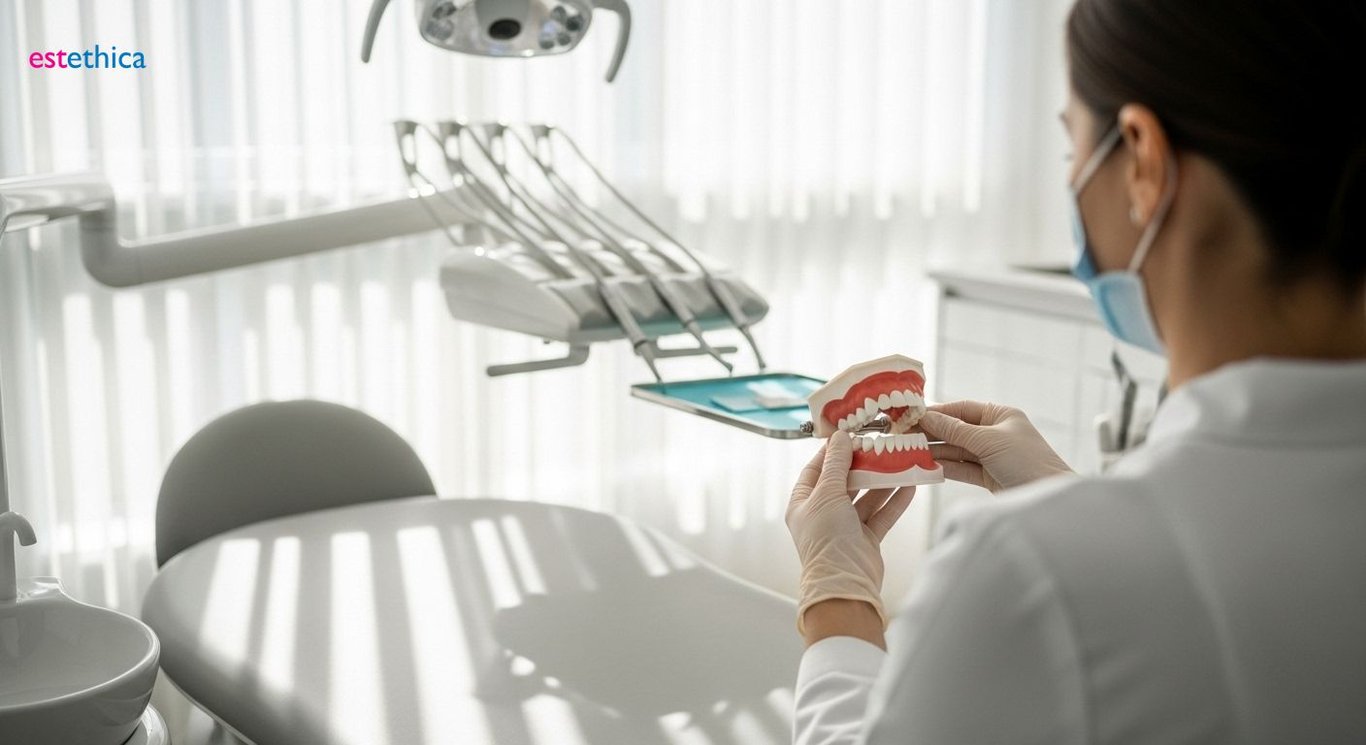
Osseointegration and Dental Implants: The Science Behind a Lasting Smile
How Osseointegration Works with Dental Implants
Osseointegration is the direct structural and functional connection between living bone and the surface of a load-bearing artificial implant. This process is crucial for the long-term success of dental implants, ensuring they remain securely anchored in the jawbone. Successful osseointegration allows dental implants to function much like natural teeth, providing stability for chewing, speaking, and maintaining facial structure. Without proper osseointegration, implants can fail, leading to mobility and eventual loss.
The process begins when a dental implant, typically made of titanium, is surgically placed into the jawbone. Titanium is biocompatible, meaning it is well-tolerated by the body and facilitates bone growth around the implant. Over time, bone cells attach to the implant surface, gradually integrating it into the surrounding bone tissue. This biological bonding is what sets dental implants apart from other tooth replacement options like dental bridges or dentures, which do not fuse with the bone. This is the main reason why people prefer dental implants for full implant.
Key Factors Influencing Osseointegration Success
Several factors can influence the success of osseointegration. These include the patient's overall health, bone density, surgical technique, and the design and surface characteristics of the dental implant. Patients with good general health and sufficient bone volume are more likely to experience successful osseointegration. Proper surgical technique, including precise implant placement and minimal trauma to the surrounding tissues, is also essential. Advances such as digital dental implants also help here.
- Bone Density: Adequate bone density ensures a stable foundation for the implant. Bone grafting may be necessary for patients with insufficient bone volume.
- Surgical Technique: Precise placement and minimal trauma optimize the environment for bone integration.
- Implant Surface: Modern implants often feature specially treated surfaces to enhance bone cell attachment.
The surface of the dental implant plays a significant role in promoting osseointegration. Many modern implants are designed with textured or coated surfaces that encourage bone cell adhesion and growth. For example, some implants have a roughened surface created through acid etching or sandblasting, while others are coated with materials like hydroxyapatite, a mineral found naturally in bone. These surface modifications increase the surface area available for bone contact, accelerating the osseointegration process and improving the long-term stability of the implant. Choosing zirconia implants can be a solution in this regard.
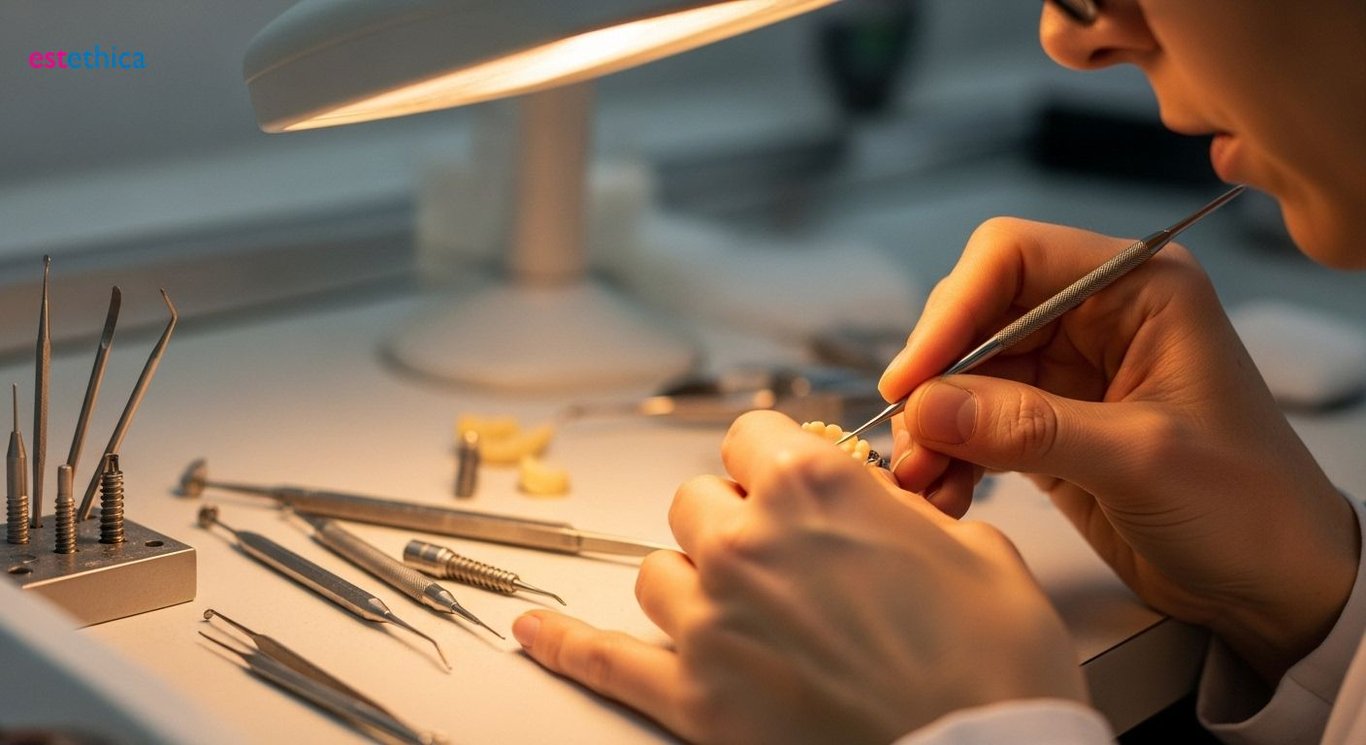
Exploring Modern Advancements in Dental Implant Technology
The Role of Digital Technology in Modern Implant Dentistry
Modern implant dentistry is being revolutionized by digital technology. Digital imaging, such as cone-beam computed tomography (CBCT), provides detailed 3D views of the patient's jaw, allowing for precise planning of implant placement. Computer-aided design and manufacturing (CAD/CAM) technologies enable the creation of custom-designed surgical guides and prosthetics, enhancing the accuracy and efficiency of the implant process. Real-time adjustments can be made, and the placement of dental implants becomes predictable with such technologies.
Digital workflows also improve communication between the dental team and the patient. With digital models and simulations, patients can visualize the expected outcome of their treatment, leading to greater satisfaction and confidence. The integration of digital technology not only streamlines the implant procedure but also enhances the overall patient experience. From the initial consultation to the final restoration, digital tools are transforming every aspect of implant dentistry. It improves patient comfort and expands possibilities.
- Enhanced Precision: Minimizes surgical errors and improves implant stability.
- Improved Planning: Allows for detailed visualization and customization.
- Better Communication: Helps patients understand the treatment process and expected results.
Zirconia Implants: An Innovative Alternative in Implant Dentistry
Zirconia implants represent a significant advancement in dental implant materials. Unlike traditional titanium implants, zirconia implants are metal-free, offering an aesthetic and biocompatible alternative. Zirconia is a ceramic material known for its strength, durability, and natural tooth-like appearance. These implants are particularly appealing to patients with metal allergies or sensitivities, as well as those seeking a more natural-looking restoration.
The use of zirconia implants can also eliminate the risk of metal corrosion and ion release, which can occur with titanium implants over time. Zirconia's white color mimics that of natural teeth, making it an ideal choice for patients with thin gums or high smile lines where the implant may be visible. While zirconia implants have shown promising results, it is important to consult with a qualified implant dentistry specialist to determine their suitability for individual cases. Advances such as digital dental implants also help here.
- Aesthetic Appeal: Natural tooth-like appearance.
- Biocompatibility: Reduced risk of allergic reactions.
- Corrosion Resistance: No metal-related issues over time.

Tooth Implants: Are They the Right Choice for You?
Assessing Your Candidacy for Tooth Implants
Deciding if dental implants are right involves assessing several factors. Ideal candidates typically have good overall and oral health, sufficient bone density in the jaw to support the implant, and a commitment to maintaining proper oral hygiene. Conditions such as uncontrolled diabetes, severe gum disease, or smoking can compromise the success of tooth implants. A comprehensive evaluation by an implant dentistry specialist is crucial to determine individual suitability.
During the evaluation, the specialist will examine your gums and remaining teeth, sometimes using X-rays and 3D scans to assess the underlying bone structure. They will speak openly about any existing health constraints on the procedure, such as bruxism, which can cause stress on the dental implants post-surgery, or current medications that could affect healing. If the bone density is insufficient, bone grafting procedures may be recommended to create a stable foundation for the implant. With options like Same day dental implants, the assessment process must be thorough.
- Comprehensive Evaluation: Thorough assessment of oral and overall health.
- Bone Density Assessment: Evaluation of jawbone to assure enough support.
- Health Condition Review: Management of conditions like diabetes and gum disease.
Understanding the Longevity and Care of Implants
One of the primary advantages of dental implants is their potential longevity. With proper care and maintenance, tooth implants can last many years, even a lifetime. Regular brushing, flossing, and professional dental cleanings are essential to prevent peri-implantitis, an inflammatory condition that can affect the tissues around the implant. Periodic check-ups with your dentist or implant dentistry specialist are also necessary to monitor the health and stability of the implant.
The lifespan of dental implants may be influenced by factors such as lifestyle habits, diet, and overall health. Avoiding smoking, maintaining a balanced diet, and managing conditions like diabetes can contribute to the long-term success of the implant. While the initial investment in dental implants may be higher than other tooth replacement options, their durability and long-term benefits make them a cost-effective choice for many patients. New technologies and Zirconia implants can also extend the life of the implant. For those searching for affordable dental implants near me it's important to consider these long term benefits.
- Consistent Hygiene Practices: Brush, floss, and attend regular check-ups.
- Lifestyle Considerations: Avoid smoking and manage diet for best results.
- Long-Term Monitoring: Regular evaluation with your dentist for stability.
Understanding Dental Implants: A Comprehensive Guide
Precision Implant Dentistry with Digital Technology and Zirconia Implants for Enhanced Aesthetics and Biocompatibility
Comprehensive Evaluation and Long-Term Care for Dental Implant Success
Frequently Asked Questions
What is Implant Dentistry?
How does Osseointegration contribute to the success of dental implants?
What are the advantages of using digital dental implants technology?
What are zirconia implants, and how do they differ from traditional implants?
Is getting tooth implants the right choice for me?
Achieve your aesthetic goals with estethica's personalized approach to beauty and wellness.
📞 Book Your Free Consultation!